

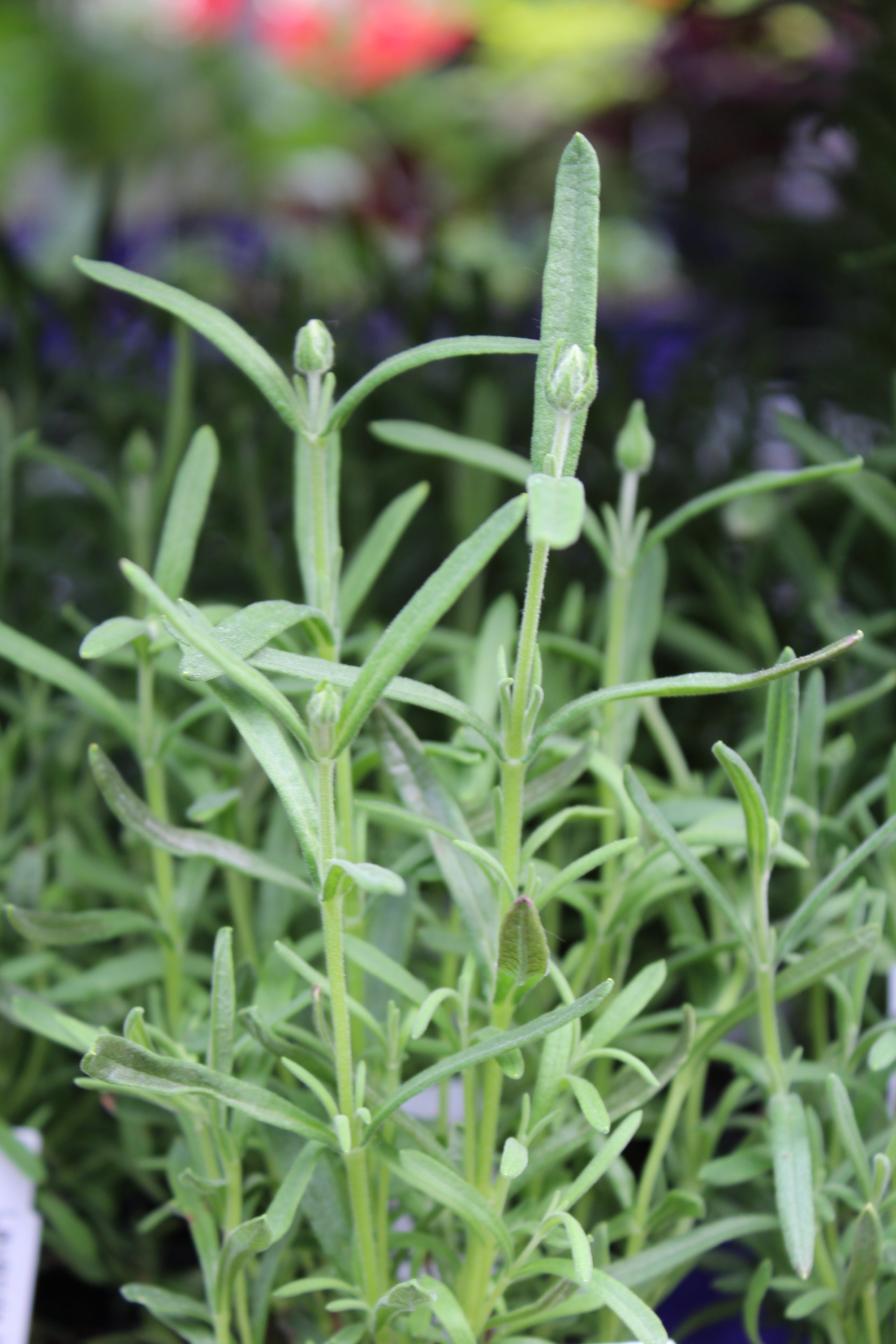
French Lavender
French lavender is a very decorative aromatic plant, prized for its fragrant grey-green foliage and elegant blooms in shades of mauve, purple, or lavender depending on the variety. It brings a Mediterranean ambiance to patio pots, planters, sunny borders, and herb gardens. Its compact habit, distinctive fragrance, and delicate flowers make it an excellent plant for adding color, texture, and a refined touch to outdoor spaces.
Easy to grow during the warm season, French lavender prefers a hot, well-ventilated, full-sun location in light, poor to moderately fertile, and very well-drained soil. It tolerates dry conditions well once established but does not tolerate excessive water and heavy soils. In pots, it performs very well with a draining potting mix and moderate watering, allowing the substrate to dry slightly between waterings. Light pruning after flowering helps to maintain a denser, more compact, and decorative plant.
Both fragrant, ornamental, and appreciated by pollinators, French lavender is ideal for creating a sunny, natural, and aromatic decor. It pairs very well with salvias, santolinas, rosemarys, grasses, echinaceas, and other drought-tolerant plants. Less hardy than some English lavenders, it is often grown as an annual in our climate or kept in pots to protect it from the cold.
Care guide
Choosing this plant
Light, soil, water and hardiness
Blooming, foliage and shape
Size and growth
Companion planting, spacing and harvest

Pets

Butterflies

Repellent

Deer
The availability of our plants varies depending on arrivals, seasons, nursery production and supplier availability. Some varieties may be offered for a limited time only, depending on their natural cycle or current stock. These plant profiles are designed to guide and inspire you when choosing plants for the garden, landscaping projects, containers or long-lasting outdoor arrangements.


