Sale
Sold out

Dwarf perennial with soft pink spikes
Plantaginaceae
Compact pink speedwells for edging and rock gardens
Giles Van Hees spike speedwell
Veronica spicata
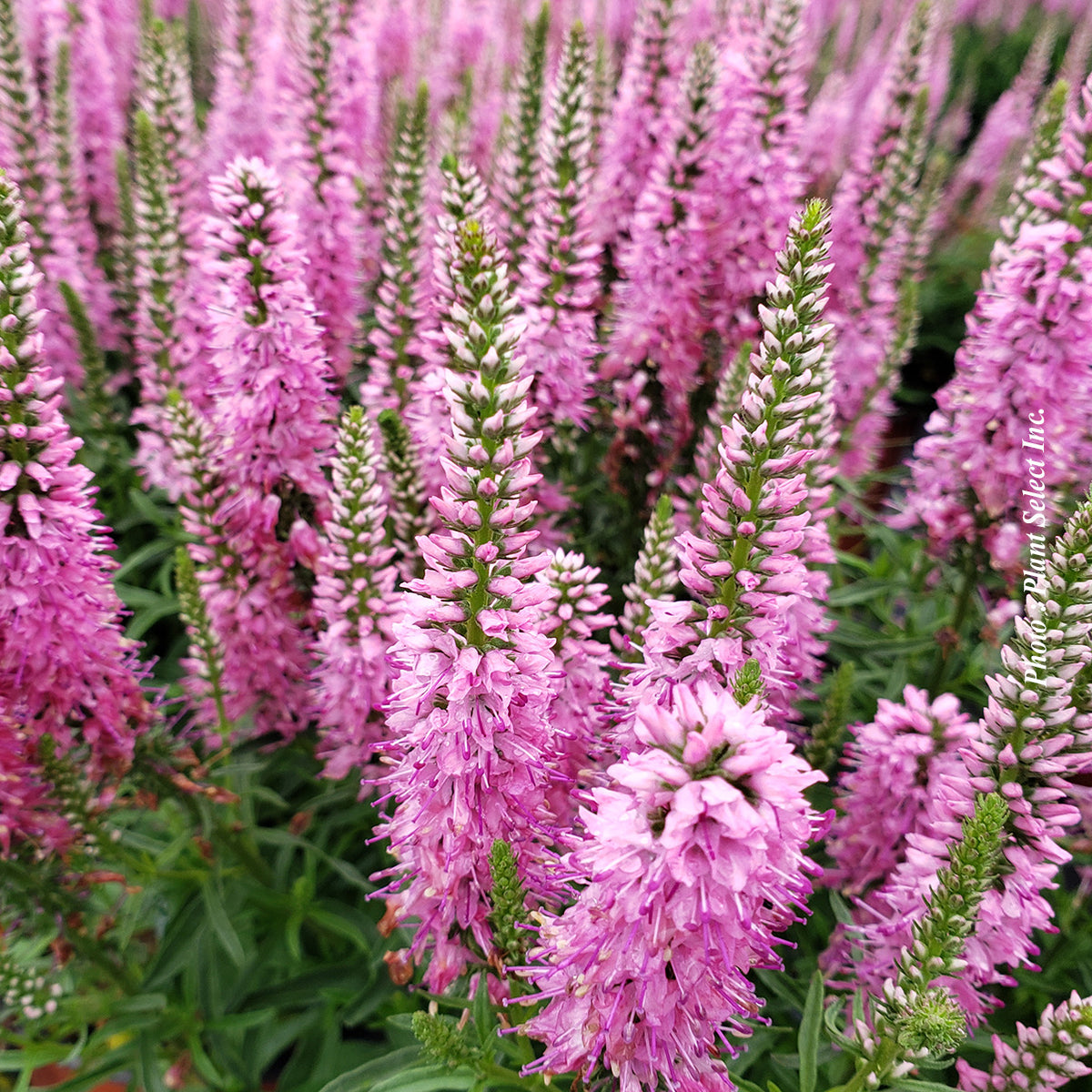
Giles Van Hees is a dwarf spike speedwell that produces numerous soft pink flowers through summer. Its low clump of medium-green lance-shaped leaves reaches approximately 15 to 20 centimetres tall and 25 to 30 centimetres wide. Hardy in Zones 4 to 8, it prefers full sun or partial shade and evenly moist, well-drained soil. Flowers attract butterflies, while deer and rabbits generally avoid the foliage. This classic perennial suits pathway edges, rock gardens, small grouped plantings and containers. Removing faded stems keeps the plant tidy and can extend the floral display.
- Quantity
- 1-gallon pot
- Exposure
- Full sun to partial shade
- Life cycle
- Hardy perennial
- Hardiness
- Zone 4 to 8
Discover the plant
Common nameGiles Van Hees spike speedwell
FamilyPlantaginaceae
GenusVeronica
Speciesspicata
CultivarGiles Van Hees
TypeDwarf perennial with soft pink spikes
Botanical nameVeronica spicata
Giles Van Hees Spike Speedwell (Veronica spicata ‘Giles Van Hees’) is a classic dwarf perennial with numerous soft pink spikes. Medium-green foliage composed of small lance-shaped leaves forms a low clump that typically reaches 15 to 20 centimetres tall and 25 to 30 centimetres wide. Flowers open on dense terminal racemes through summer, commonly from June into August. Its compact outline fits neatly at the front of a flower bed, along a pathway, in a rock garden or in a container where the bright flowers remain easy to see and combine with other plants.
For best results, grow this pink speedwell in full sun or partial shade and average, evenly moist, well-drained soil. Consistent moisture supports flowering, but the crown should never remain in saturated ground, especially during winter. Water deeply through the first season, then whenever the upper soil begins to dry. Space plants 25 to 30 centimetres apart so the clumps can meet without becoming compressed. Remove faded spikes to maintain a tidy appearance and encourage a few additional flowers. Clearing dry foliage in early spring completes the basic maintenance. Avoid heavy fertilizer that produces soft growth at the expense of flowers.
Giles Van Hees speedwell attracts butterflies with its many small pink florets. Monrovia and the Missouri Botanical Garden list it for Zones 4 to 8 and report that deer and rabbits generally avoid it. Repeat three to five plants for a colourful edge, or pair it with catmint, yarrow, dianthus, hardy geraniums and fine ornamental grasses. Silver foliage highlights the pink flowers particularly well. Its low height preserves views of neighbouring plants and makes it useful in urban gardens, rock gardens and sunny containers. The compact clump also provides a polished transition between paving and taller summer perennials.

Planting guide
From planting to establishment.
Spacing / density
Space plants 25 to 30 cm apart
Best planting time
Spring or early fall
Propagation
Clump division in spring or early fall
Growing method
Plant Giles Van Hees in spring or early fall in a sunny or lightly shaded position. Choose average, evenly moist and well-drained soil. Loosen the planting area to approximately 25 centimetres and work in a little compost when organic matter is low. Dig a hole as deep as the root ball and about twice as wide. Keep the crown level with the surrounding soil, refill without compacting and water thoroughly. Space plants 25 to 30 centimetres apart. Maintain even moisture through the first season, then water when the surface begins to dry. Apply a thin mulch without covering the crown. Remove faded spikes during summer. In early spring, clear old foliage before new shoots lengthen. Divide crowded clumps and replant healthy sections at the same depth.
Soil and care
The right care,at the right time.
Soil pH
Acidic, neutral or slightly alkaline
Care level
Low
Watering
Water deeply after planting and maintain consistent moisture through the first season. After establishment, check the soil when the surface begins to dry and apply enough water to moisten the entire root ball. Avoid frequent shallow sprinkling. Always allow excess water to drain because saturated soil encourages root and crown rot. In containers, check moisture more often during hot or windy weather.
Soil type
This speedwell prefers average to loamy, evenly moist and well-drained soil. A moderate compost addition improves moisture retention in sandy ground, while a raised position helps in heavy soil. Avoid depressions where rain or snowmelt collects. Winter drainage is particularly important for preventing crown and root rot. Consistent moisture during active growth supports bloom without requiring constantly saturated soil.
Fertilization
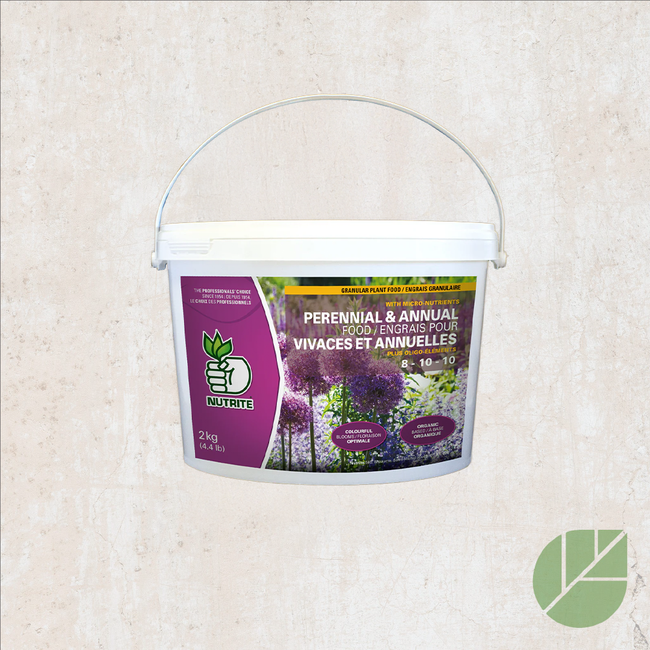
Add a thin compost layer in spring. In poor soil or containers, a diluted balanced fertilizer may be applied monthly during active growth according to label directions. Avoid excess nitrogen, which encourages soft foliage at the expense of flowers.
Moisture
Moderate; evenly moist without saturation
Seasonal care
In spring, remove dry leaves and stems before new shoots lengthen. Add a thin compost layer without covering the crown. During summer, water when the soil begins to dry and cut spikes after flowering to keep the edge tidy and encourage a few additional flowers. Watch for aphids and leaf spotting, particularly where air circulation is limited. In fall, allow the foliage to yellow naturally or clean it after frost. Confirm that rain and snowmelt drain promptly before winter. Divide crowded clumps in spring or early fall, then keep new divisions evenly moist until active growth resumes.
Container growing
A garden,within reach.
Recommended pot size
Container 25 to 30 cm wide or larger
Choose a container at least 25 to 30 centimetres wide with unobstructed drainage holes. Use a free-draining perennial potting mix and keep the plant at the same depth as in its original pot. Water when the surface begins to dry, then empty any saucer. Remove faded spikes and apply diluted balanced fertilizer during active growth. In cold regions, place the container in a protected position to reduce rapid freeze-and-thaw cycles around the roots.

Bloom and dimensions
Its place,in your garden.
Mature height
8 inches (20.5 cm)
Width / spread
12 inches (30.5 cm)
Flower color
Soft to bright pink
Foliage color
Medium green
Foliage type
Deciduous
Growth rate
Moderate
Growth habit
Compact, low and upright
Fragrance
Not documented for this selection
Bloom period
Dense terminal racemes carry numerous small soft pink flowers through summer. Each spike opens progressively from the base toward the tip, extending the colourful effect. Removing faded stems keeps the clump tidy and can encourage a few additional flowers. Sun promotes firm stems and generous bloom, while consistent moisture prevents buds from drying prematurely.
Garden associations
In goodcompany.
Companion plants
Pair it with dianthus, catmint, yarrow, hardy geraniums, smaller coneflowers, black-eyed Susans and fine grasses. White, blue, mauve or yellow flowers highlight the pink spikes, while artemisia and fescue provide a silver contrast. Choose companions that enjoy full sun or partial shade and evenly moist, well-drained soil. Avoid highly invasive plants and those requiring constantly saturated ground.
Plants to avoid
Avoid aggressive neighbours that would quickly cover this small clump and plants requiring constantly saturated soil. Tall perennials that collapse can hide the spikes. Maintain airflow around the foliage and remove dead leaves compacted over the crown.
Frequently asked questions
Your questions,answered.
Is Giles Van Hees speedwell hardy in Canada?
Monrovia, Costa Farms and the Missouri Botanical Garden list Giles Van Hees for Zones 4 to 8. This range suits many populated Canadian regions when the crown grows in well-drained soil. A hardiness zone does not establish one exact minimum temperature, so no unverified degree value is added. Avoid low spots where snowmelt collects, keep the crown level with the soil and pull thick mulch away. Allow the foliage to decline naturally in fall, then remove dry growth in spring. In containers, protect roots from rapid freeze-and-thaw cycles or place the pot in a more sheltered position.
When does Veronica Giles Van Hees bloom?
The Missouri Botanical Garden gives June through August as the bloom period, while Monrovia describes flowering through summer. Exact timing varies with region and spring conditions. Small flowers open progressively along each spike, extending the pink effect. Cut stems after most flowers have faded to retain a tidy outline and encourage a few additional flowers. A sunny position, consistent moisture and effective drainage support a stronger display than dense shade or saturated soil. Continue watering during dry weather without keeping the crown constantly wet.
Should faded Giles Van Hees spikes be removed?
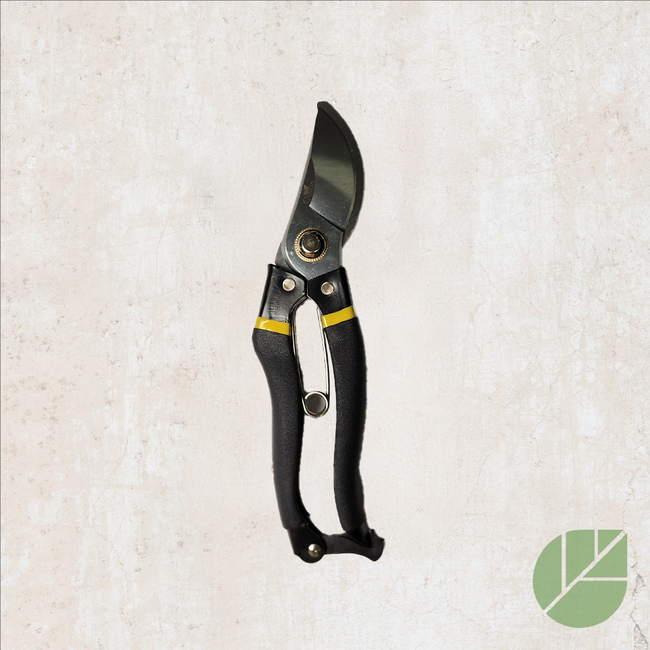
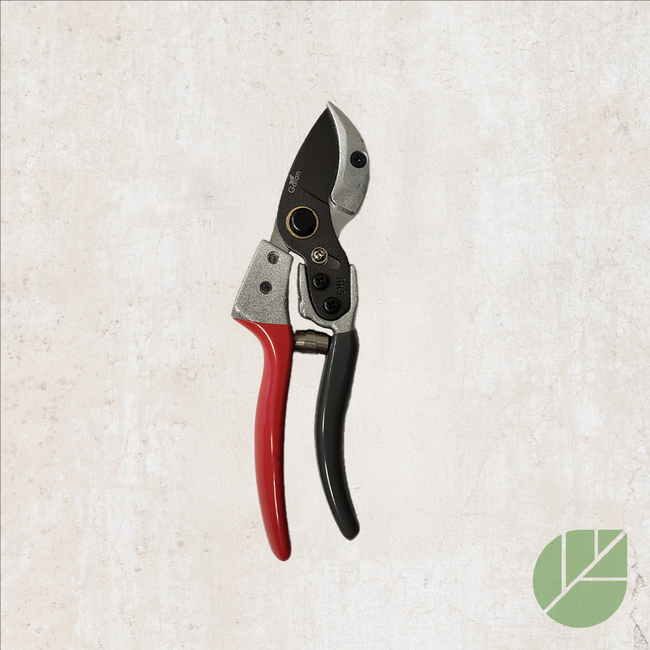
Yes. Remove each spike after most small flowers have finished to keep the edge tidy and encourage additional bloom. Use clean pruners and cut back to a healthy leaf or near the base of the flower stem without removing living foliage. The Missouri Botanical Garden notes that plants may also be cut back to basal growth after flowering. In spring, remove remaining dry stems and leaves before new shoots lengthen. Avoid repeated severe cutting during active growth because the foliage must continue feeding the crown.
Does Giles Van Hees attract butterflies?
Yes. Monrovia describes the soft pink spikes as particularly attractive to butterflies. The large number of small flowers makes a grouped planting easy to find through summer. Combine three or more plants, avoid insecticides during bloom and maintain enough moisture to prevent premature wilting. Add spring bulbs and late-summer asters or sedums to extend nectar availability. A shallow water source can complement the planting. When removing faded spikes, leave those that still carry several open flowers so visiting butterflies retain a useful food source.
Which plants pair well with Giles Van Hees speedwell?
Choose full-sun or partial-shade companions that enjoy evenly moist, well-drained soil. Dianthus, catmint, yarrow, hardy geraniums, smaller coneflowers, black-eyed Susans and fine grasses work well. Their rounded or airy forms contrast with the upright pink spikes. Allow approximately 25 to 30 centimetres between clumps so the foliage can broaden. Avoid aggressive neighbours that would invade the crown and plants requiring constantly saturated soil. Spring bulbs occupy the space before bloom, while sedums and asters take over later in the season. Silver foliage also highlights the soft flower colour.
Wildlife and pets
Life,around your plants.
Supporting wildlife
Numerous pink florets attract butterflies through summer. Grouping three or more plants creates a more visible floral target. Avoid insecticides during bloom and combine this speedwell with plants that flower before and after it to extend nectar availability.
For your perennials and grasses
The right extras.Right here.
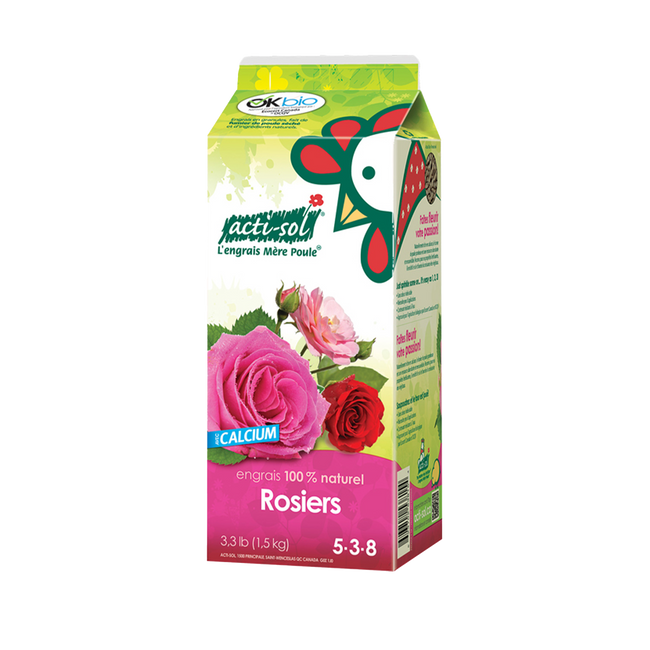
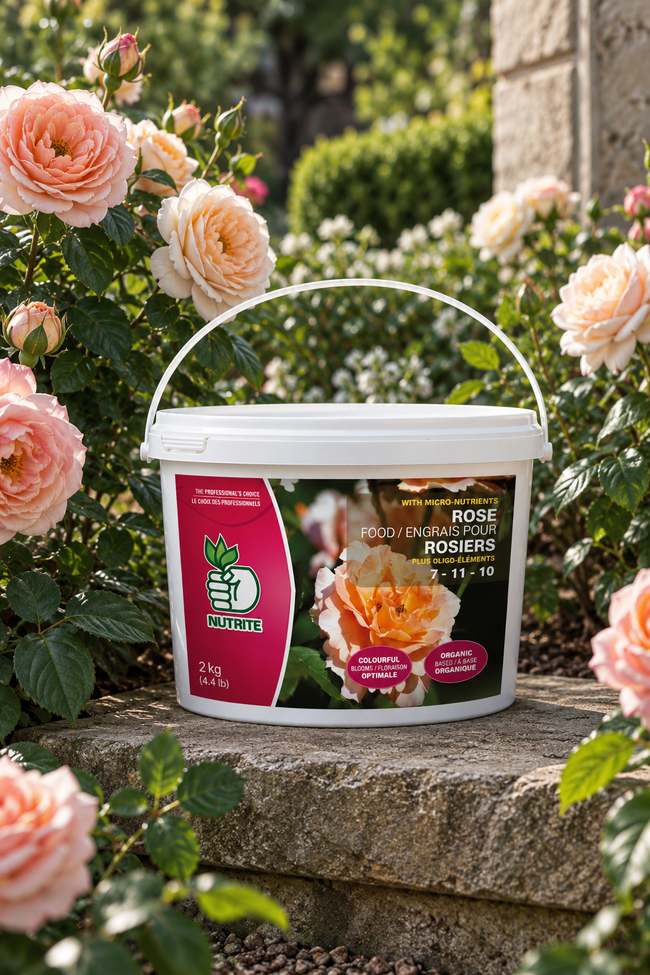
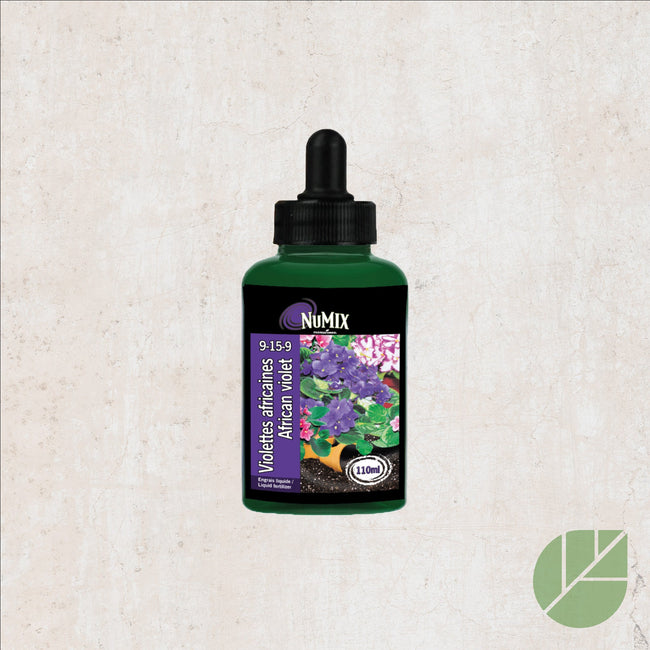
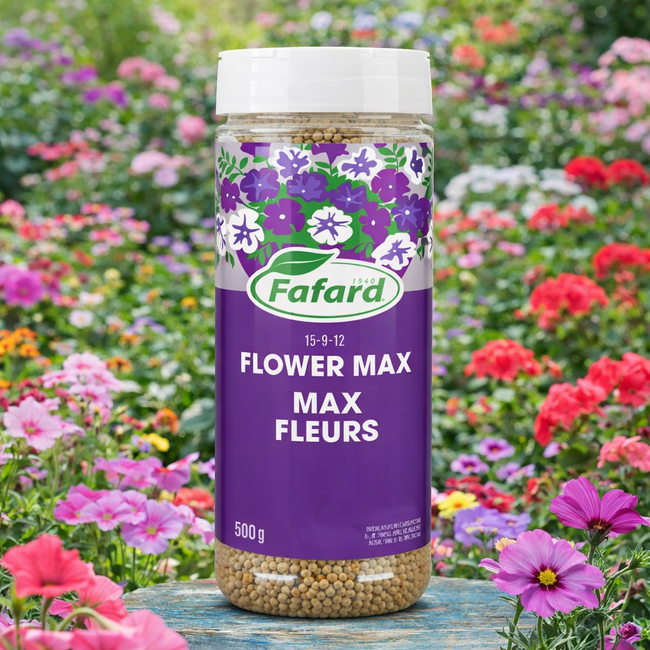
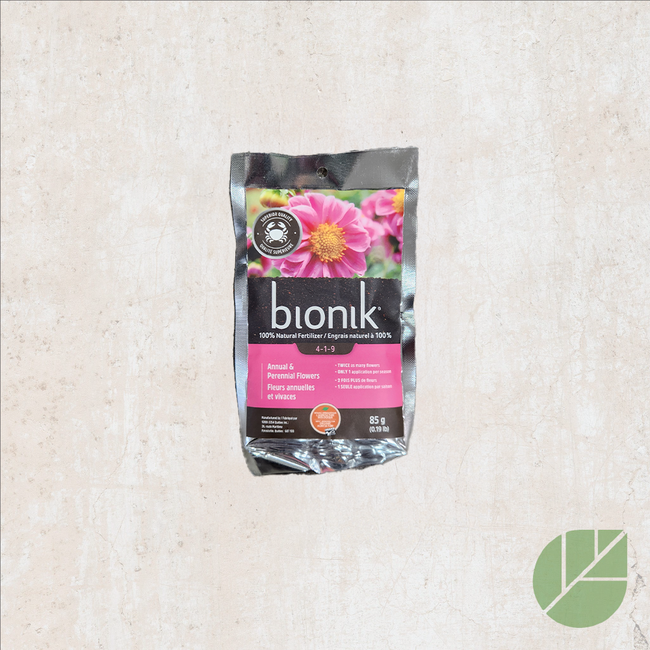
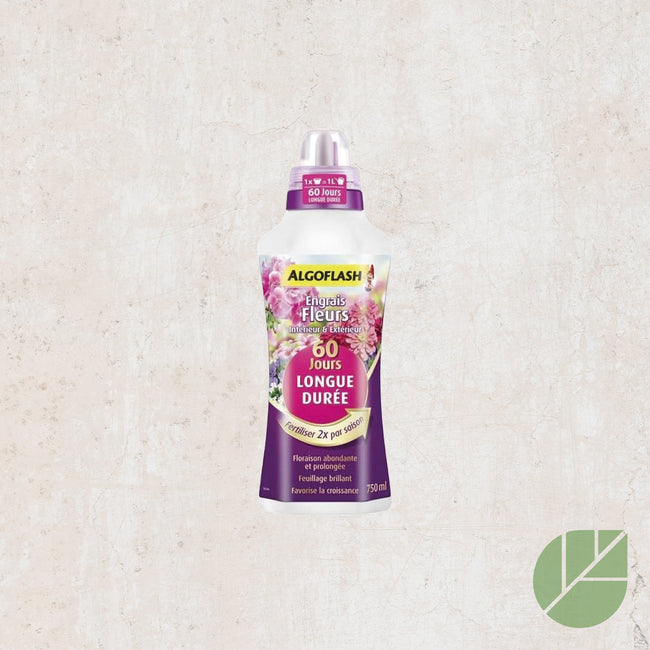
Flower and Bloom Fertilizer
Shop the collection
Hand Tools
Shop the collection