Magic Show® Ever After Spike Speedwell (Veronica spicata ‘Ever After’)

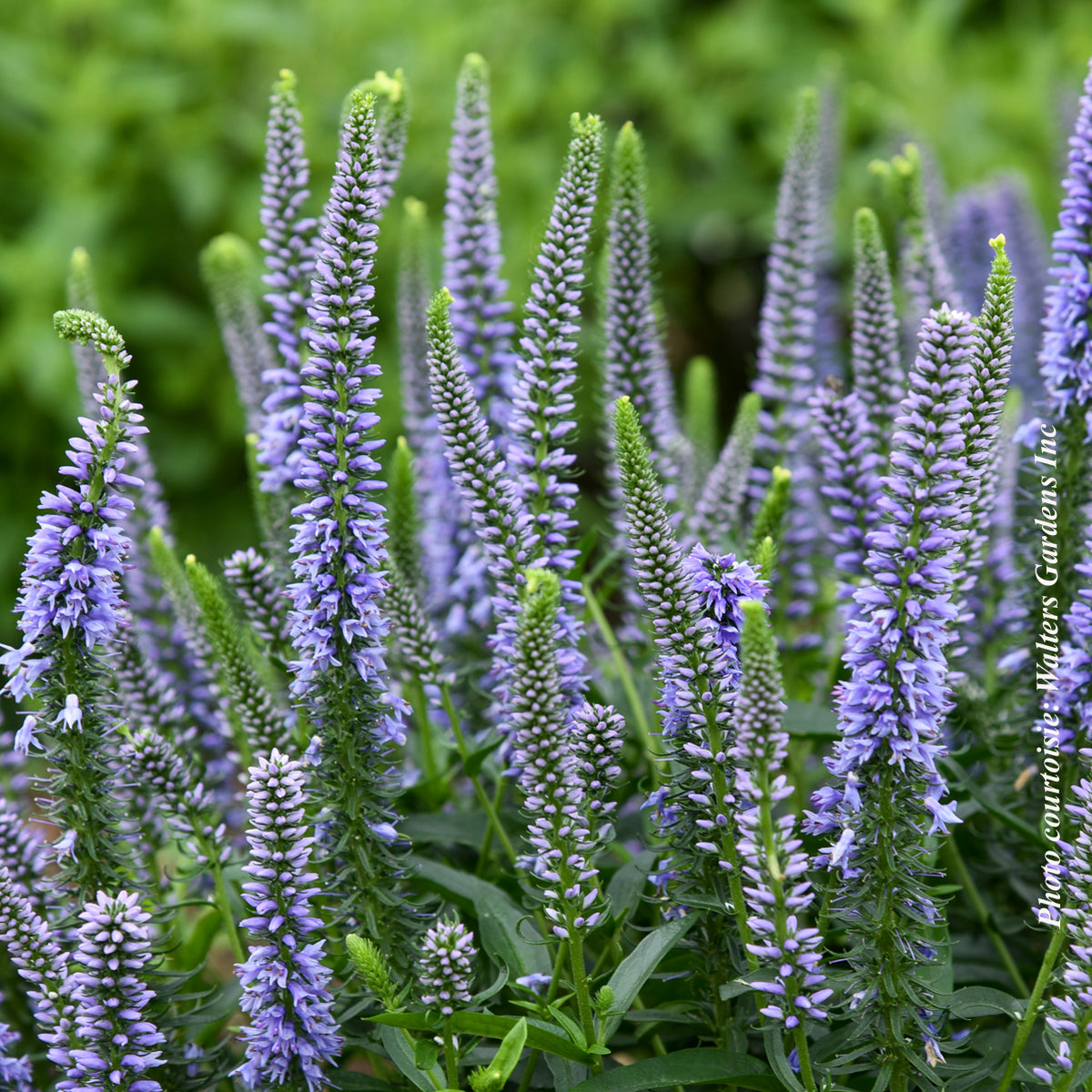
Magic Show® Ever After speedwell clump carrying numerous long lavender-blue spikes at different stages of opening. Several stems have gently curved tips and rise above glossy dark-green foliage. This close outdoor photograph shows the plant against a softly blurred green garden background, with no visible animal.
PÉPINIÈRE.CA

Magic Show® Ever After Spike Speedwell (<em>Veronica spicata</em> ‘Ever After’)

BACK-IN-STOCK ALERT

Don’t miss its return.

Leave your email and receive an alert when this product is available again.

An alert for this product only. No newsletter signup. Privacy

Long-blooming lavender-blue speedwells

Pépinière.ca

Format

Sold out

Delivery and pickup: view conditions

Product information
Advice adapted to Canada
Secure payment
Share
Common nameMagic Show® Ever After spike speedwell
FamilyPlantaginaceae
GenusVeronica
Speciesspicata
CultivarEver After
Plant typePerennial
Botanical nameVeronica spicata

Magic Show® Ever After Spike Speedwell (Veronica spicata ‘Ever After’) is a distinctive perennial with long lavender-blue spikes that can approach 30 centimetres. Flowers cover roughly the upper two-thirds of each stem and retain colour for many weeks. A garden plant typically reaches 36 to 41 centimetres tall and 41 to 51 centimetres wide. Bloom begins in early summer and may continue for 12 to 14 weeks, extending toward early fall. Its upright habit adds rhythm to borders, mass plantings, pollinator gardens, containers and bouquets, while the luminous flower colour combines easily with many other summer perennials.

For best results, grow this spike speedwell in full sun or partial shade and average to fertile, humus-rich, well-drained soil. Full sun supports firm stems and abundant flowering. Keep the ground moderately moist during establishment without allowing water to remain around the crown. Space plants 41 to 51 centimetres apart so each clump can broaden naturally. Spent petals fall without extensive cleanup, although trimming finished stems maintains a tidy appearance. A light spring application of compost is generally sufficient. Avoid saturated winter soil, and water during prolonged dry weather when the foliage begins to lose firmness.

Ever After speedwell attracts bees and butterflies through the succession of small flowers carried on its long spikes. Proven Winners lists it for Zones 4 to 8, notes salt tolerance and reports that deer seldom browse it. Pair the lavender-blue flowers with white or pink coneflowers, golden black-eyed Susans, catmint, yarrow and fine ornamental grasses. Repeating three to five plants creates a generous vertical line without hiding taller perennials. Stems can also be cut for bouquets, while the glossy dark-green foliage remains attractive after flowering. This combination provides lasting colour and practical structure in frequently viewed garden areas.

In the garden

Exposure
Sun
Life cycle
Deciduous herbaceous perennial
Hardiness
Zone 4 to 8

Planting guide

Planting & establishment

Spacing / density

Approximately 50 cm between centers, to be adjusted according to the actual development of the clump.

Planting period

Spring or early fall

Propagation

Division, basal cuttings or shoot-tip tissue culture

Growing method

Plant Ever After spike speedwell in spring or early fall in a sunny or lightly shaded position. Choose fertile, evenly moist and well-drained soil. Loosen the ground to about 30 centimetres and work in compost when organic matter is low. Dig a hole as deep as the root ball and roughly twice as wide. Keep the crown level with the surrounding soil, refill gently and water thoroughly. Space plants 41 to 51 centimetres apart so each clump can reach its natural width. Maintain consistent moisture through the first growing season without leaving standing water. Apply a thin mulch while keeping the crown clear. When the long stems have completely finished flowering, cut them just above healthy foliage. The following spring, remove dry stems and add a light compost layer. Divide an overly dense clump or take basal shoots for propagation. In a container, use free-draining potting mix and monitor moisture more frequently than in the ground.

Soil and care

Soil & care

Soil pH

Acidic, neutral or slightly alkaline

Moisture

Moderate; evenly moist but well-drained soil

Care level

Low

Drought tolerance

Yes

Watering

Weak

Soil type

Well drained

Fertilization

In spring, spread a thin compost layer around the clump without covering the crown. In average soil, this is generally sufficient. If growth remains weak, use a balanced slow-release fertilizer at the lowest labelled rate. Avoid excessive nitrogen, which can produce softer stems and fewer flowers. In containers, refresh part of the potting mix in spring before adding any additional fertilizer.

Seasonal care

In spring, remove dead stems and clear the crown before growth resumes. Water during prolonged drought and monitor leaf firmness. After approximately 12 to 14 weeks of bloom, cut back faded spikes to encourage a few new flowers. In fall, allow the clump to yellow naturally or clean it after frost when a tidy border is preferred. In early spring, remove dry stems before new shoots lengthen. Clear dead leaves from the crown and confirm that snowmelt drains promptly. Spread a thin compost layer around the clump without covering it. During active growth, water deeply when the upper soil begins to dry, especially in the first year. Watch for aphids and leaf-spot symptoms, then improve air circulation when foliage stays wet for long periods. From June through August, cut spikes after most flowers fade to maintain shape and encourage rebloom. Avoid nitrogen-rich fertilizer, which can soften the stems. In fall, let foliage yellow naturally before cleanup or leave it until spring. Check drainage before winter and pull thick mulch away from the crown. Divide older clumps in spring when the centre becomes sparse. Replant vigorous sections promptly and maintain even moisture until they resume growth. Container plants require more frequent checks because their roots dry and freeze faster than those planted in garden soil. Adjust the schedule to local weather, soil moisture and the plant’s visible condition.

Container growing

Container growing

Recommended pot size

Container at least 40 cm wide with drainage
Ever After spike speedwell grows well in a broad, stable container in full sun or partial shade. Use rich but free-draining potting mix and a container with drainage holes. Water when the surface begins to dry without leaving water in the saucer. Remove faded spikes to maintain interest. In cold Canadian regions, protect the pot from repeated freeze-thaw cycles. Choose a container at least 30 centimetres wide with several drainage holes. Fill it with perennial potting mix amended with a small amount of compost. Position the root ball so the crown remains level with the surface, then water until excess moisture drains. Place the container in full sun and rotate it periodically when light comes mainly from one direction. Check moisture with a finger and water when the upper few centimetres begin to dry. Empty the saucer and avoid sealed cachepots. Remove faded spikes to maintain a polished display and encourage possible rebloom. In spring, replace the upper layer of mix and add a little compost. In cold regions, move the container beside a sheltered wall or insulate it to reduce rapid freeze-and-thaw cycles. Divide or repot the clump when roots completely occupy the available volume, and resume regular watering as soon as active growth returns.
Magic Show® Ever After speedwell clump carrying numerous long lavender-blue spikes at different stages of opening. Several stems have gently curved tips and rise above glossy dark-green foliage. This close outdoor photograph shows the plant against a softly blurred green garden background, with no visible animal.

Size, flowering & harvest

Mature height

16 inches (40.5 cm)

Width / spread

20 inches (51 cm)

Flower color

Lavender blue

Foliage color

Glossy deep green

Foliage type

Deciduous

Growth rate

Moderate

Growth habit

Broad, compact, dense and upright in bloom

Fragrance

Not documented for this selection

Bloom period

Long lavender-blue spikes, flowers on the upper two-thirds and self-cleaning petals
Magic Show® Ever After speedwell clump carrying numerous long lavender-blue spikes at different stages of opening. Several stems have gently curved tips and rise above glossy dark-green foliage. This close outdoor photograph shows the plant against a softly blurred green garden background, with no visible animal.

Garden associations

Companion plants & uses

Companion plants

Pair it with compact bee balm, shorter phlox, coneflowers, black-eyed Susans, catmint, yarrow and fine grasses. Pink, white or yellow flowers contrast with the lavender-blue spikes, while silver foliage emphasizes their colour. Choose companions that also prefer sun and evenly moist, well-drained soil. Spring bulbs fill the space before the foliage develops completely, while sedums and asters extend the display into fall. Avoid plants requiring constantly saturated soil and vigorous spreaders that quickly smother the clumps.

Plants to avoid

Avoid highly aggressive plants that would invade the crown and neighbours requiring constantly saturated soil. Tall perennials that collapse can hide or bend the flower stems. Leave enough space for air to circulate around the clump and remove compacted leaves in spring.

Garden use

Repeat three to five plants at the front of a border to create a lasting lavender-blue line from early summer into early fall. One plant can also provide a vertical accent beside a path or on a patio. In a rock garden, place the crown between stones that do not trap water. In containers, combine this speedwell with silver foliage or white flowers that brighten the spikes. Leave 41 to 51 centimetres between clumps and prevent vigorous neighbours from covering them. Long stems can be cut for bouquets, but retain several spikes outdoors to support bees and butterflies throughout the extended flowering period.

Garden inspiration

Create a bright border by repeating Ever After in front of white coneflowers and golden black-eyed Susans. Add catmint with grey-green foliage to connect the colours, then include a few fine grasses for movement. Long lavender-blue spikes form a lasting vertical line while rounded flowers occupy the background. In a small space, place three plants around a pale stone or charcoal container. Extend the display with spring bulbs and fall-blooming sedums so the area remains interesting before and after the main bloom. A thin mineral mulch can emphasize the rock-garden character while keeping the crown dry.

Frequently asked questions

Frequently asked questions

Is Ever After speedwell hardy in Canada?
Proven Winners and Plant Patent PP35035 list Ever After for Zones 4 to 8. This range suits many populated Canadian regions when the crown grows in well-drained soil. A hardiness zone does not establish one exact minimum temperature, so no unverified degree value is added. To improve overwintering, avoid low spots where snowmelt collects, keep the crown level with the soil and pull thick mulch away. Allow foliage to decline naturally in fall, then remove dry stems in spring. In containers, protect the roots from rapid freeze-and-thaw cycles or place the pot in a more sheltered position.
When does Veronica Ever After bloom?
Plant Patent PP35035 describes bloom beginning in early summer and continuing for 12 to 14 weeks into early fall. Proven Winners also notes that each spike holds colour for many weeks. Exact timing varies with region and spring conditions, so Quebec and other Canadian gardens may begin later than American trials. Full sun, consistent moisture and effective drainage support a stronger display than dense shade or saturated soil. Once stems have completely finished, cut them back to a healthy leaf to maintain a tidy appearance without removing living foliage. Continue watering during prolonged dry weather while the plant remains active.
Should faded Ever After spikes be removed?
Yes. Petals are self-cleaning, but sepals and styles persist on the stems. Cut each spike after most flowers have finished to maintain a tidy border and encourage possible rebloom. Use clean pruners and cut back to a healthy leaf or near the base of the flower stem without removing living foliage. If you want to observe seed capsules, leave selected stems to mature, while remembering that seedlings from a hybrid cultivar may not reproduce the parent plant. In spring, remove remaining dry stems before new shoots lengthen. Severe cutting of the entire clump during active growth is generally unnecessary. Continue watering after pruning when weather remains hot and dry.
Does Ever After attract pollinators?
Yes. Proven Winners reports that this speedwell attracts bees and butterflies. Numerous small flowers distributed along long stems make the clump visible through much of summer. Group three or more plants, avoid insecticides during bloom and maintain enough moisture to prevent premature wilting. Add spring bulbs and late-summer asters or sedums to extend nectar and pollen availability. When cutting stems for a bouquet, leave several spikes outdoors so pollinators retain a resource. Combining several flower shapes and bloom periods also supports a broader range of visiting insects throughout the growing season.
Which plants pair well with Ever After speedwell?
Choose full-sun or light-shade companions that enjoy evenly moist, well-drained soil. White coneflowers, yellow yarrow, catmint, hardy geraniums, black-eyed Susans and fine grasses work well. Their rounded or airy forms contrast with the long upright lavender-blue spikes. Allow approximately 41 to 51 centimetres between clumps so the foliage can broaden. Avoid aggressive neighbours that would invade the crown and plants requiring constantly saturated soil. Spring bulbs occupy the space before bloom, while sedums and asters take over later. Repeat one or two companions elsewhere in the border to produce a coherent composition and emphasize the rhythm of the speedwell plants.

Wildlife and pets

Wildlife & precautions

Supporting wildlife

Long lavender-blue stems attract bees and butterflies through a flowering period that can last 12 to 14 weeks. Grouping three or more plants creates an easy-to-find floral target. Avoid insecticides during bloom and leave several spikes outdoors when cutting stems for bouquets.

Complete your purchase

Click a product to build your selection.

Your selection

Total