Sale
Sold out

Prostrate groundcover perennial with blue-violet flowers
Plantaginaceae
Blue creeping speedwell plants for rock gardens and borders
Tidal Pool prostrate speedwell
Veronica
Tidal Pool prostrate speedwell forms a vigorous mat only 5 to 8 centimetres tall that can spread 56 to 76 centimetres. Small blue-violet flowers with white centres blanket the lobed foliage in spring, followed by lighter repeat bloom through September. This hardy groundcover adapts to well-drained sandy or clay soil, tolerates drought after establishment and suits rock gardens, slopes, borders, pavers and walls. Green foliage with a faint silvery-blue cast remains attractive after bloom, while dense growth helps suppress weeds and soften the edges of stonework. Flowers attract butterflies, and the plant generally resists browsing by deer and rabbits in suitable garden conditions.
- Quantity
- 1-gallon pot
- Exposure
- Full sun; tolerates light partial shade
- Life cycle
- Herbaceous perennial, evergreen with mild temperatures or snow cover
- Hardiness
- Zone 4 to 7
Discover the plant
Common nameTidal Pool prostrate speedwell
FamilyPlantaginaceae
GenusVeronica
CultivarTidal Pool
TypeProstrate groundcover perennial with blue-violet flowers
Botanical nameVeronica
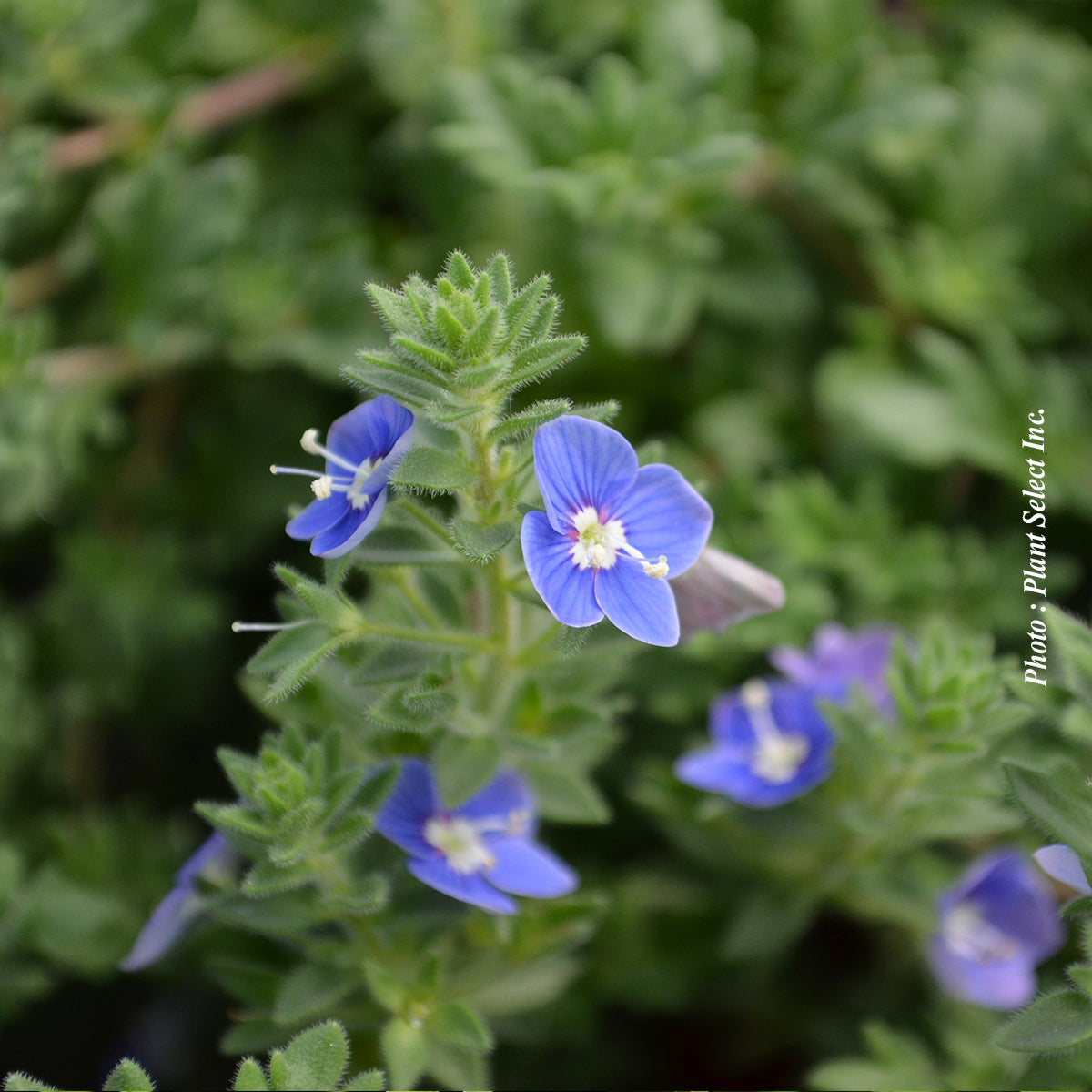
Tidal Pool Prostrate Speedwell (Veronica ‘Tidal Pool’) is a hybrid perennial groundcover developed at Chicago Botanic Garden. Prostrate stems quickly form a dense mat 5 to 8 centimetres tall that can spread 56 to 76 centimetres wide. Small opposite leaves are shallowly lobed like tiny oak leaves, medium green and lightly pubescent, giving them a faint silvery-blue cast. From mid-May into mid-June, numerous deep blue-violet flowers with white centres blanket the foliage. Lighter repeat bloom may continue from late June through September. The mat remains green through much of the year when conditions provide mild temperatures or reliable snow cover, extending its ornamental value beyond the main display.
For best results, grow Veronica ‘Tidal Pool’ in full sun in evenly moist to moderately dry, sharply drained soil. This hybrid adapts to both sandy ground and heavy clay when excess water can escape. Water regularly during establishment, then allow the surface to dry slightly between applications. Once rooted, plants show good tolerance of drought, heat, humidity and rain. Space plants 60 to 75 centimetres apart so they can form a continuous carpet. Avoid thick mulch because stems need to touch the soil to root. Light trimming keeps the edges neat near paths and delicate neighbours. Remove compacted leaves in spring without pulling established stems from the ground.
Creeping speedwell Tidal Pool suits rock gardens, border edges, slopes, broad joints between pavers and the tops of retaining walls. Its dense mat helps suppress weeds and tolerates occasional foot traffic, although it should not replace turf intended for regular walking. Flowers attract butterflies and brighten stonework with their white centres. Hardy in Zones 4 to 7, it is also described as resistant to deer and rabbits. Pair it with spring bulbs, aubrieta, dwarf dianthus, creeping phlox or compact grasses. Vigorous growth covers a sunny area quickly while maintaining a very low profile. Allow the stems to trail naturally over rocks or walls, and inspect the edges occasionally where the plant meets smaller neighbours.

Planting guide
From planting to establishment.
Spacing / density
Space plants 60 to 75 cm apart
Best planting time
Spring or early fall
Propagation
Shoot-tip cuttings
Growing method
Plant Tidal Pool prostrate speedwell in spring or early fall in a sunny position. Loosen the soil, remove perennial weeds and confirm that water drains rapidly. Dig a hole as deep as the root ball and approximately twice as wide. Keep the crown level with the ground, refill gently and water deeply. Space plants 60 to 75 centimetres apart; prostrate stems will gradually fill the gaps. Maintain consistent moisture for the first several weeks, then increase the interval between waterings after new growth confirms establishment. Avoid thick mulch because it prevents stems from touching the soil. Trim tips that move beyond the intended area and lift rooted sections with a small trowel. To reproduce the cultivar true to type, use shoot-tip cuttings. In heavy clay, plant slightly raised so the crown never remains in standing water. On a wall, allow enough room for stems to trail without covering smaller plants. Between pavers, position the stones before planting and direct the first shoots toward the joints. Inspect the boundaries two or three times during the growing season and cut any stems entering delicate neighbours. Water each newly planted section immediately after trimming or relocation.
Soil and care
The right care,at the right time.
Soil pH
Adaptable; confirmed growth in well-drained alkaline clay
Care level
Low
Drought tolerance
Yes
Watering
Water deeply after planting and keep the root ball slightly moist while roots establish. Afterwards, reduce frequency and allow the surface to dry between applications. An established plant tolerates dry periods well, but slow watering during prolonged drought keeps the mat fresher. Avoid daily sprinkling that leaves the crown continuously wet. Always check moisture below the surface before irrigating again.
Soil type
This speedwell adapts to sandy soils and heavy clay when drainage is reliable. It prefers medium to moderately dry conditions after establishment. In compact soil, plant slightly raised and incorporate mature compost without creating a depression. Avoid places where water remains in winter or after heavy rain. Fine gravel around stones reduces splashing and keeps the low foliage cleaner after rain.
Fertilization
In spring, add a thin compost layer around the mat without covering the stems. In average soil, heavy feeding is unnecessary. If growth remains weak, use a balanced slow-release fertilizer at the lowest labelled rate. Avoid excessive nitrogen, which can produce looser foliage and fewer flowers. Stop nitrogen-rich feeding late in summer so growth can prepare naturally for winter. Avoid unnecessary repeated applications.
Moisture
Moderate; evenly moist but well-drained soil
Seasonal care
In early spring, gently remove dead leaves and debris caught in the mat without pulling rooted stems from the soil. As growth resumes, inspect the edges and cut sections that enter a delicate plant or extend onto a walking surface. During the main bloom, maintain moderate moisture if spring becomes unusually dry. New shoots quickly cover spent inflorescences, so deadheading is not always necessary; a light trim can still even the border. In summer, water only during prolonged drought and inspect areas exposed to occasional foot traffic. Press lifted stems gently back against the ground. In fall, retain healthy foliage because it protects the mat and may remain green with mild temperatures or reliable snow cover. Avoid late nitrogen applications. In winter, prevent water from collecting around the crown. Every few years, lift rooted sections if the mat exceeds its intended area, then replant them immediately in prepared soil or share them for another sunny location. If one section thins after unusually hot and humid weather, allow neighbouring shoots to fill the space naturally before adding fertilizer. Check drainage instead of automatically increasing irrigation. Clean tools before moving to another plant. In a container, confirm that roots have not completely filled the pot and refresh part of the growing mix when needed. Keep winter drainage openings free of fallen leaves and ice.
Container growing
A garden,within reach.
Recommended pot size
Container at least 35 cm wide with drainage
Tidal Pool speedwell suits a broad, shallow container or planter placed in full sun. Choose a pot at least 35 centimetres wide with several drainage holes and use an airy mix containing mineral material. Keep the crown level with the mix, then water until moisture drains freely. Allow stems to trail over the rim or guide them among several decorative stones. Check moisture more often than in the ground, especially during hot and windy weather, but never leave water in the saucer. Light spring feeding is sufficient. Trim stems that move beyond the desired shape and remove debris caught in the mat. Before winter, move the container to a sheltered position, group it with other pots or insulate the sides. Drainage must remain open during thaws so roots do not sit in cold water. Refresh the potting mix when it becomes compact and divide rooted sections if the planting grows crowded. In spring, remove dead leaves gently and confirm that stems do not block the drainage holes. Rotate the container occasionally so light reaches the mat evenly. A surface layer of fine gravel can keep foliage clean without preventing selected stems from rooting into the mix.

Bloom and dimensions
Its place,in your garden.
Mature height
3 inches (7.5 cm)
Width / spread
30 inches (76 cm)
Flower color
Deep blue-violet with white centres
Foliage color
Medium green with a faint silvery-blue cast
Foliage type
Evergreen with mild temperatures or snow cover
Growth rate
Fast and vigorous
Growth habit
Creeping, prostrate and densely branched
Fragrance
No fragrance
Bloom period
Deep blue-violet flowers with white centres appear in small racemes from the leaf axils. The main display lasts approximately four weeks from mid-May into mid-June in Illinois trials. Light repeat bloom may continue from late June through September. Each flower measures about 8 millimetres across and has no fragrance. Flowers open from the bottom toward the top of each short raceme, extending the visible display.
Garden associations
In goodcompany.
Companion plants
Pair it with aubrieta, creeping phlox, dwarf dianthus, small alliums, botanical tulips, low sedums and compact grasses. Pink, white or yellow flowers contrast with Tidal Pool blue-violet, while silver or golden foliage emphasizes its bluish cast. Choose plants that enjoy sun and well-drained soil, and avoid highly vigorous neighbours that would create dense shade over the mat. Taller companions should remain widely spaced so several hours of light reach the mat and maintain abundant flowering. Remove fallen leaves that collect beneath broad neighbouring foliage.
Plants to avoid
Avoid tall, invasive plants that would smother this low groundcover and species requiring constantly saturated soil. Thick mulch, compacted leaves and large perennials collapsing over the mat prevent stems from touching the ground. Maintain a clear edge near small, delicate plants.
Frequently asked questions
Your questions,answered.
Is Tidal Pool speedwell hardy in Canada?
The patent and Chicago Botanic Garden release bulletin list Veronica ‘Tidal Pool’ for Zones 4 to 7. This range suits many populated Canadian regions when plants grow in well-drained soil. A hardiness zone does not confirm one exact minimum temperature, so no unverified degree value is added. Keep the crown level with the ground and avoid depressions where water collects in winter. Foliage may remain green with mild temperatures or reliable snow cover. In a highly exposed position, light mulch applied after the ground freezes can reduce rapid fluctuations. Remove spring debris carefully without pulling rooted stems from the soil. Container plants require additional protection because their roots experience larger temperature changes.
When does Veronica Tidal Pool bloom?
In Chicago Botanic Garden trials in Illinois, the main display lasted approximately four weeks from mid-May into mid-June. Small deep blue-violet flowers with white centres opened in such abundance that they nearly concealed the foliage. Lighter repeat bloom was then observed from late June through September. Exact timing varies with region, exposure and spring temperatures. The cultivar remains ornamental after the first wave because of its mat of small lobed leaves. New growth quickly covers finished inflorescences, limiting the need to remove them individually. A light trim can still even a border or keep stems away from a walking surface. Regular moisture during an unusually dry spring helps the principal bloom last.
How can Tidal Pool spread be controlled?
Prostrate stems root when they remain in contact with the soil, allowing the mat to widen quickly. Inspect the boundaries in spring and after flowering, then cut shoots that enter a delicate plant or extend onto a path. Lift rooted sections with a small trowel instead of pulling so the rest of the carpet remains undisturbed. A mineral edge, gravel joint or narrow strip of cultivated soil makes control easier. Removed pieces can be replanted elsewhere. Avoid covering stems with thick mulch because their progress becomes harder to see. On a broad slope, allow the plant to follow the terrain freely. Check edges before taller summer plants hide advancing shoots.
Does Tidal Pool tolerate foot traffic?
The release bulletin states that this groundcover is tough enough to tolerate limited foot traffic. It can therefore grow in broad joints between stepping stones or along a path where a foot lands occasionally. It does not replace turf or a plant designed for daily use. Position stones to carry most of the weight and allow stems to occupy the spaces between them. Avoid walking on the mat when soil is saturated because stems and roots are more easily damaged. After accidental damage, press shoots gently against the ground and keep the area slightly moist until growth resumes. In a busy entrance, plant Tidal Pool beside the route instead of directly in its centre.
Does Tidal Pool tolerate drought and clay soil?
Yes, when drainage is reliable. The patent and release bulletin report that Tidal Pool performed well in very sandy soil and in heavy alkaline clay. Plants become quite drought tolerant after becoming established. Water regularly during the first several weeks so the root ball never dries completely. In clay, plant slightly raised and avoid depressions where water remains after rain. In sand, a small amount of compost helps retain moderate moisture during establishment. Slow watering during prolonged drought keeps the mat looking fresher. Drought tolerance does not mean newly planted roots can remain completely dry. Reliable drainage is especially important during winter thaws, when cold water around the crown can cause damage.
Wildlife and pets
Life,around your plants.
Supporting wildlife
Chicago Botanic Garden reports that the flowers attract butterflies. Their spring abundance creates a visible resource above the mat. Avoid insecticides during bloom and combine the speedwell with plants flowering before and after it to extend the resources available to pollinators. Plant several together to make the spring flowers easier for passing butterflies to locate.
For your perennials and grasses
The right extras.Right here.
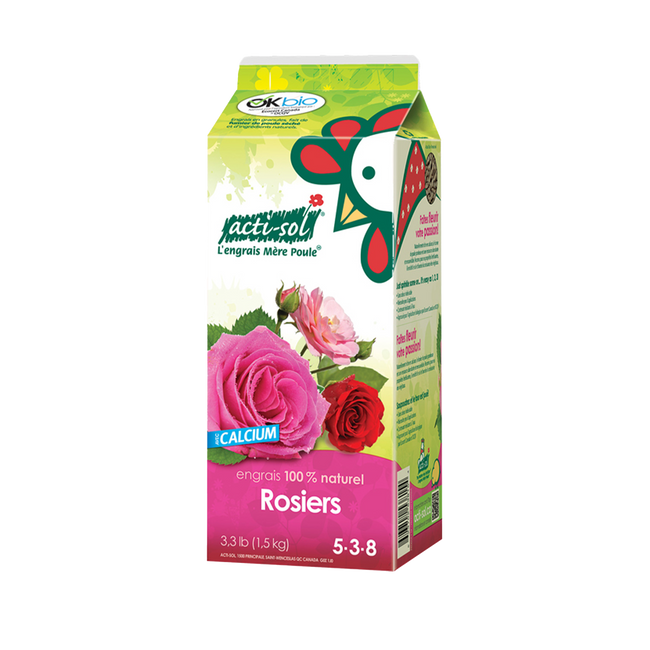
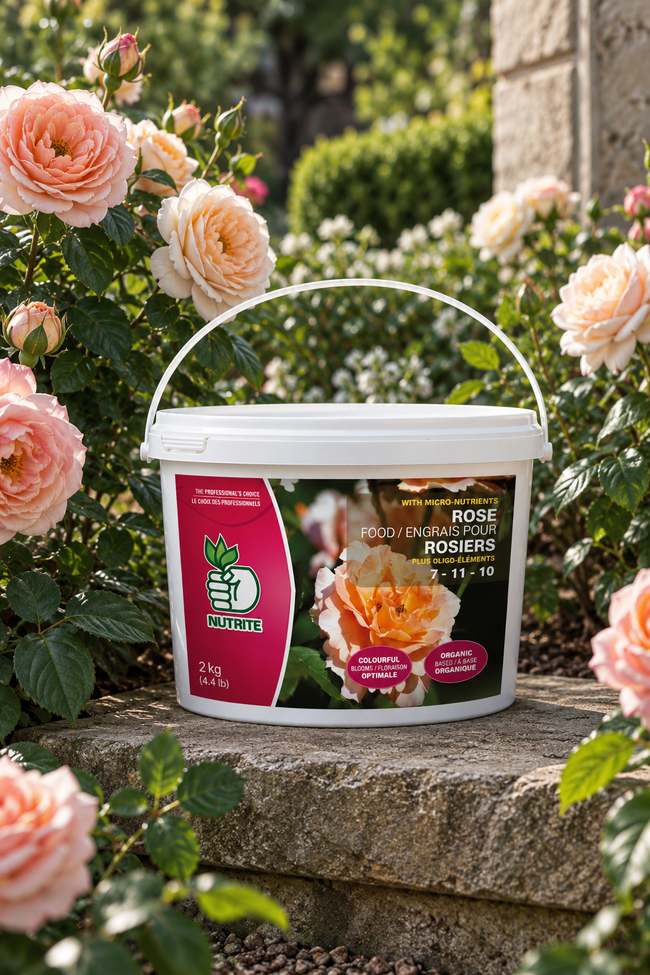
Flower and Bloom Fertilizer
Shop the collection


Hand Tools
Shop the collection