Sale
Sold out

Pinaceae
Trees and shrubs
Norway Spruce ‘Lanham's Beehive’
Norway spruce
Each store has its own inventory.
Products and available quantities may vary between Brossard and Laval. To check a store’s inventory, please contact us directly.
Even better: visit us in store to discover the full selection available!
- Exposure
- Sun
- Hardiness
- Zone 3
Discover the plant
Common nameNorway Spruce 'Lanham's Beehive'
FamilyPinaceae
GenusSpruce
Speciesfir
CultivarLanham's Beehive
TypeConiferous
Botanical nameNorway spruce
Norway Spruce ‘Lanham's Beehive’ (Picea abies ‘Lanham's Beehive’). Picea abies 'Lanham's Beehive', known as Norway spruce ‘Lanham’s Beehive’, is a dwarf conifer highly valued for its naturally rounded habit reminiscent of a beehive. This compact variety forms a small, dense, globular shrub that adds rich, structured texture to rock gardens, dwarf conifer beds, and alpine gardens. Its short, dark green needles densely cover the branches, creating uniform and decorative foliage year-round. Thanks to its slow growth and naturally regular shape, this spruce retains its compact habit for a long time without requiring extensive pruning.
To plant Norway spruce ‘Lanham's Beehive’, choose a suitable exposure: sun. The recommended soil is well-drained soil, tolerates ordinary soil. Respect the natural silhouette of the conifer and avoid cutting deeply into parts without foliage. Monitor moisture after planting, including in the fall when the weather is dry. Aeration and drainage are as important as watering frequency. Water the root ball before planting it and ensure water can drain after planting. During establishment, check the moisture by hand before watering again.
Allow a width of 1.2 m (4 ft) to arrange this plant's space in the garden. The indicated height of 1 m (3 ft) helps choose its position relative to neighboring plants. Keep access to the base for weeding, checking moisture, and removing damaged parts. Associate this variety with plants whose light and water needs are compatible. If you are considering a container, first check that its volume and drainage are suitable for root development. Potted roots are more exposed to cold than those planted in the ground.

Soil and care
The right care,at the right time.
Minimum temperature
-40°C
Watering
Moderate, keep soil slightly moist
Soil type
Well-drained soil, tolerates ordinary soil
Fertilization
Light fertilization in spring if necessary
Bloom and dimensions
Its place,in your garden.
Mature height
3 ft (1 m)
Width / spread
4 ft (1.2 m)
Flower color
Not specified
Foliage color
Green
Foliage type
Persistent
Growth rate
Slow
Growth habit
Dense globular conifer
Bloom period
Spring
Fruiting
Small, light brown cones typical of spruce trees
Wildlife and pets
Life,around your plants.
Supporting wildlife
No
For your trees, shrubs and conifers
The right extras.Right here.
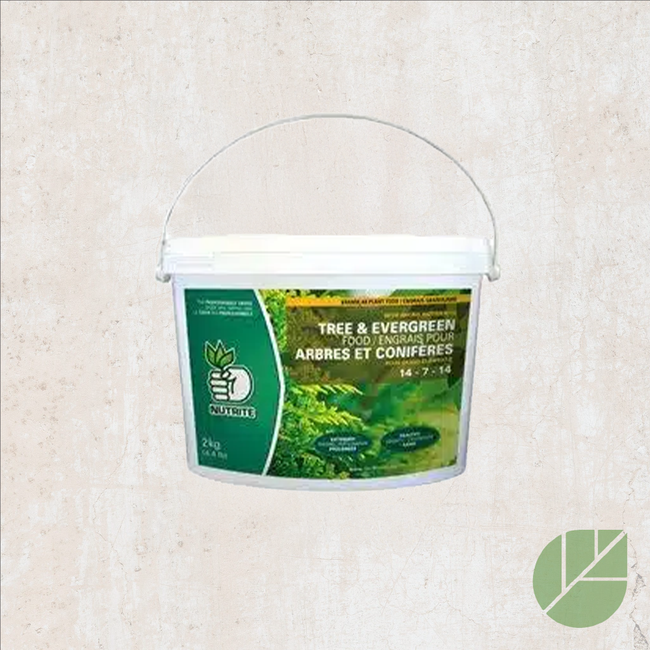
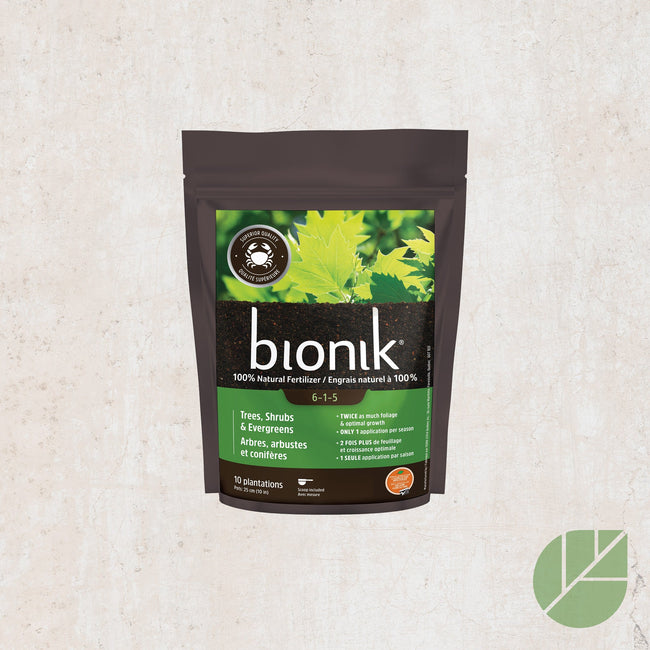
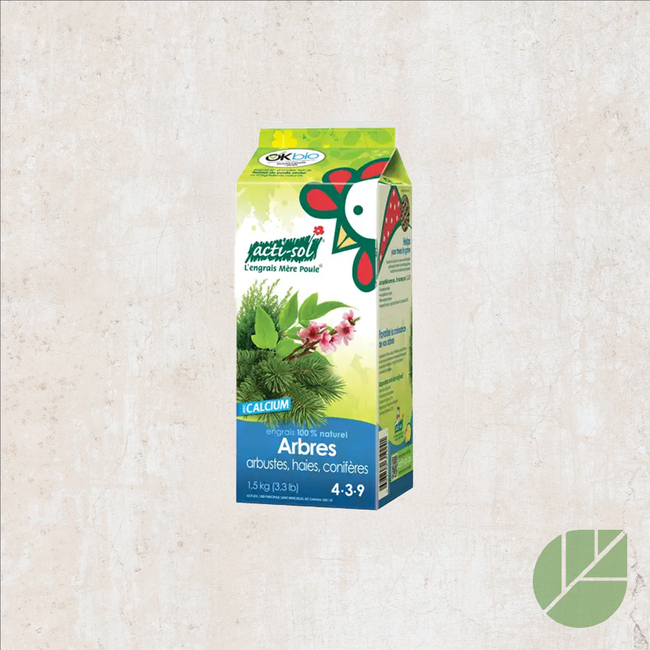
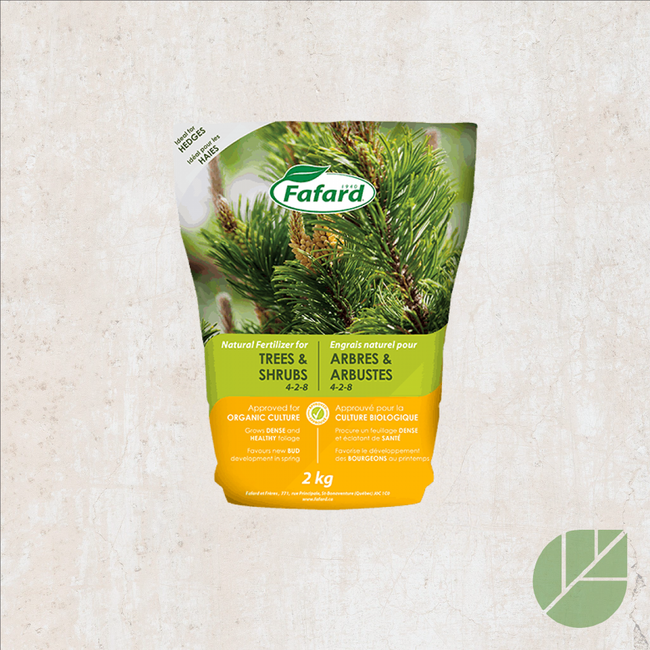
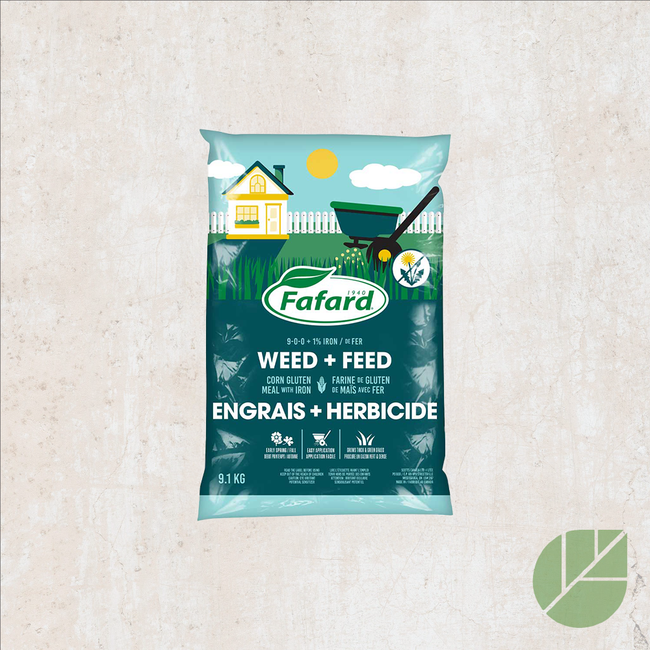
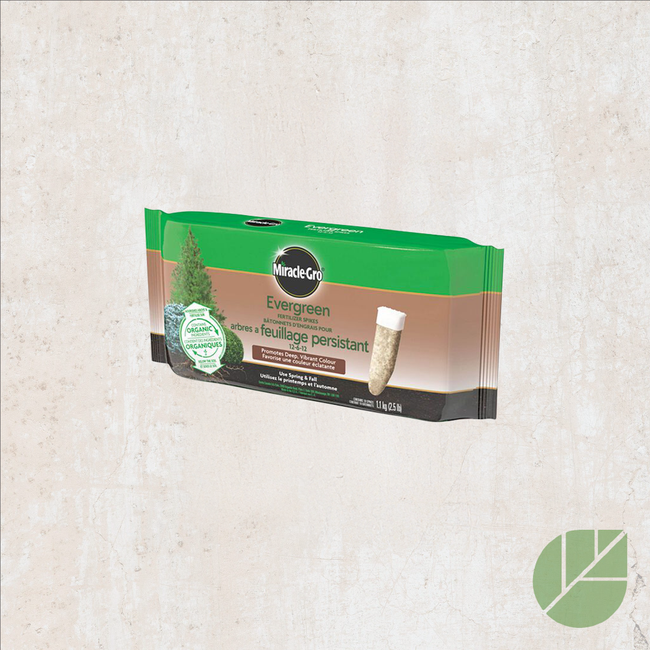
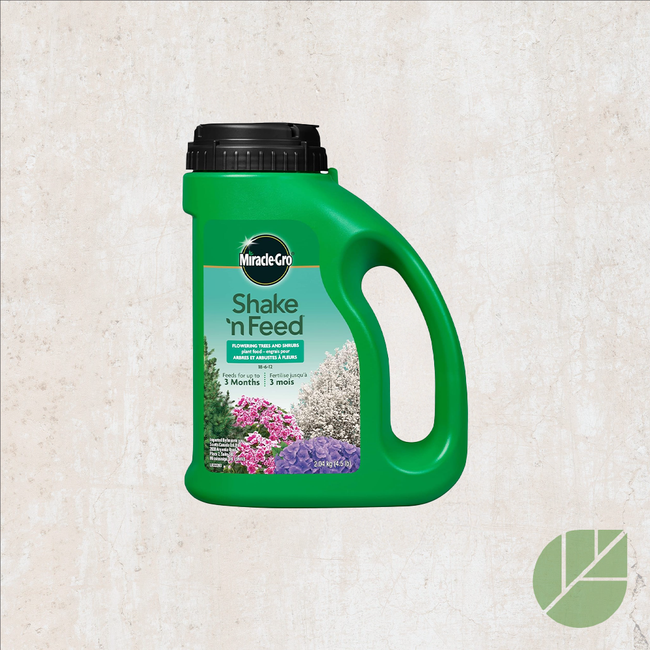
Tree and Shrub Fertilizer
Shop the collection