Sale
Sold out

Native plant seeds
Plantaginaceae
Seaside Plantain
Plantago maritima
Product code : AKENE-0068
Seaside plantain is a native perennial of shorelines, salt meadows and other coastal habitats. Its narrow leaves form a rosette rather than broad, spreading foliage. The restrained outline suits sunny rock gardens, coastal-inspired borders and containers where leaves remain accessible. Greenish to brownish flower spikes in June and July add a vertical accent without a showy floral display. Salt tolerance is useful near the coast, but ordinary garden growing mix does not need added salt. Grow the species for its foliage and maritime character as well as its edible young leaves. These different features allow the small rosette and upright spikes to contribute interest without relying on large, brightly coloured flowers.
- Quantity
- Minimum 50 seeds
- Exposure
- Sun
- Life cycle
- Perennial
- Hardiness
- Zone 1
Discover the plant
Common nameSeaside Plantain
FamilyPlantaginaceae
GenusPlantago
Speciesmaritima
TypeNative plant seeds
Botanical namePlantago maritima
Seaside Plantain is a native perennial of shorelines, salt meadows and other coastal environments. It forms a compact basal rosette of narrow, elongated, lance-shaped dark-green leaves. Early in summer, upright stalks carry dense spikes of small greenish to brownish flowers. Plants grow to about 25 cm (9.8 in) tall. The species is distinguished by its tolerance of saline soil, wind and moderate drought. It can also grow without salt, although Akène notes that its appearance, flavour and resistance to certain problems may then differ from those observed under saline conditions.
Seaside plantain seeds provide an identified batch for raising this species. Prepare them by soaking in water for twenty-four hours; Akène does not require cold stratification. Lightly cover the seeds with mix at the appropriate sowing depth. Sunshine and freely draining soil are the main guides for choosing its position. Although natural populations tolerate different moisture levels, a container without a drainage outlet does not reproduce suitable coastal soil conditions. Watch seedlings before reducing irrigation, and keep their small rosettes free from competing weeds. Attention to these establishment needs remains necessary even when the adult plant tolerates more demanding conditions.
Seaside plantain suits coastal gardens, shoreline plantings, saline rock gardens, containers and naturalistic landscapes. Its root system and leafy rosettes help stabilize exposed ground while creating a habitat for the small insects living in these settings. Young leaves are edible raw or cooked and have a slightly salty flavour. Harvest only correctly identified leaves from uncontaminated surroundings and plants grown without treatments unsuitable for food crops. A small amount can complement a salad or stir-fry without replacing usual vegetables. Akène recommends professional advice before medicinal or therapeutic use. Choosing clean young leaves and retaining their identity remain essential when moving from ornamental growing to a culinary harvest.

Sowing guide
It all startswith a seed.
Sowing depth
6 mm (0.2 in)
Spacing / density
30 cm (11.8 in)
Germination time
About 7 days
Sowing period
Spring after frost risk; follow species-specific seed preparation
Propagation
Seed sowing according to the stated protocol
Seed scarification
Yes
Growing method
Prepare seaside plantain seeds according to Akène’s protocol by soaking them in water for twenty-four hours before sowing. No cold stratification is needed. Sow in spring or fall, lightly covering the seeds to a depth of 6 mm (0.2 in) in a fine, freely draining medium. Place the sowing in bright light and maintain even moisture without saturation. Emergence normally takes about seven days. Once seedlings are strong enough to handle, thin them or transplant gently. Plants raised indoors should be gradually introduced to outdoor conditions over seven to ten days before planting. Keep watching the young rosettes before reducing irrigation and remove competing weeds from their growing area. Sunshine and draining soil remain the two main requirements when choosing their position. Although the species tolerates a range of natural moisture conditions, a container lacking a drainage outlet is not a suitable substitute for coastal ground. Water during establishment, then adjust the frequency to rainfall and the way the soil drains. Keep the stages distinct: the water soak prepares the seeds, while regular moisture and a clean growing area support the developing plants. Adult tolerance does not remove the need to observe seedlings through their first establishment.
Soil and care
The right care,at the right time.
Care level
Moderate
Drought tolerance
Yes
Watering
Keep the growing mix lightly moist after soaking and sowing seaside plantain. Gentle watering prevents seeds from being displaced. Young rosettes need regular observation until their roots establish. Later, adjust water to the way soil dries rather than a fixed schedule. In pots, check drainage as well and remove prolonged accumulations of water. Salt tolerance does not replace the needs of a growing plant or eliminate attention to newly developing roots.
Soil type
Seaside plantain prefers full sun and freely draining soil, including sandy or rocky ground. Plantago maritima tolerates coastal salinity without requiring salt to be added in the garden. The species accepts different moisture levels, but a container still needs a functioning drainage outlet. Position the rosette in an open space where vigorous neighbours cannot cover its narrow leaves. Inspect the growing area before choosing a permanently wet container setting.
Fertilization
For seaside plantain, sunshine and suitable soil conditions matter more than intensive feeding. Do not try to produce oversized leaves through repeated additions: the rosette naturally carries narrow foliage. Choose growing mix suitable for edible crops when leaves will be harvested. Before adding anything, check vigour, moisture and nutrients already present in the mix. Avoid products whose use is unsuitable for food plants when tending rosettes whose clean young leaves will later be harvested.
Moisture
Dry to wet
Seasonal care
In spring, clear seaside plantain rosettes of debris and weeds covering their leaves. Inspect the centre without burying it beneath added growing mix. Newly installed seedlings need monitored moisture before relying on adult-plant tolerance. Keep the narrow leaves visible as other container plants or neighbouring garden vegetation begin to grow. In summer, young rosettes need regular observation until their roots establish. Later, adjust water to the way soil dries rather than a fixed schedule. In pots, check drainage as well and remove prolonged accumulations of water. Salt tolerance does not replace the needs of a growing plant or eliminate attention to newly developing roots. In autumn, clear damaged leaves and inspect rosette condition. Continue harvesting small amounts of clean young leaves instead of removing all available foliage. Identify plants being retained and check container drainage before rainy and freezing periods. Keep the centre accessible rather than covering it with debris from neighbouring plants. In winter, leave the crown at rest and avoid unnecessarily trampling its position. Retained stems can preserve the border’s outline. Inspect pots during thaws: drainage must function and confined roots need appropriate protection. Keep plants labelled to locate new growth during spring cleaning without pulling out useful small rosettes. A container is not protected in exactly the same way as garden soil. For seaside plantain, sunshine and suitable soil conditions matter more than intensive feeding.
Container growing
A garden,within reach.
Seaside plantain suits a sunny pot where its modest rosettes remain visible and easy to reach. Leave room around the narrow leaves so stronger container plants cannot cover them. Use a draining mix; salt tolerance does not mean you need to add salt to imitate the coast. If you plan to harvest leaves, both the container and growing medium must be suitable for food cultivation. Take small harvests that leave enough foliage for the rosette to remain active. Remove debris and inspect the level of the mix after watering, without gradually burying the plant's centre. Young roots need regular observation during establishment. Afterwards, water according to the way the mix dries rather than following a fixed timetable. Check that drainage still functions and remove prolonged accumulations of water. Salt tolerance does not remove the need to support newly developing roots. Sunshine and appropriate soil conditions matter more than intensive feeding. Avoid repeated additions intended to produce oversized leaves: narrow foliage is part of the species' natural form. Before applying fertilizer, check vigour, moisture and nutrients already present in the mix. An accessible pot allows those root checks and a clean culinary harvest without crowding or obscuring the small rosettes.

Bloom and dimensions
Its place,in your garden.
Mature height
25 cm (9.8 in)
Flower color
Greenish to brownish
Foliage color
Dark green
Foliage type
Deciduous herbaceous foliage
Growth rate
Moderate
Growth habit
Compact basal rosette with upright flower stalks
Bloom period
Seaside plantain flowers from June to July, with greenish to brownish blooms. The seasonal calendar can change with the growing location and the conditions of a particular year. It does not specify an exact time from sowing to flowering. Grow the plants in sun and maintain appropriate soil conditions. Observe the developing buds and flowers before deciding which faded flowering stems to leave standing so their seeds can develop fully and mature.
Fruiting
Seaside plantain produces small capsules crowded along the spikes. When mature, these dry fruits open and release their seeds. Observe their changing appearance before collecting seed rather than cutting spikes while they are still green. Retain some fruiting spikes if natural renewal suits your coastal garden, and clearly label collected batches before placing them in storage for a later sowing.
Harvest
Harvest clean young leaves before flowering; collect seeds when dry

Garden associations
In goodcompany.
Companion plants
Plant seaside plantain with neighbours that share its preference for sun and tolerate the site's moisture, which may range from dry to wet. Plan the different heights to keep its foliage and flowers visible without allowing vigorous plants to smother young specimens. The suggested associations help compose a garden scene, but do not promise pest protection or an automatic improvement in growth. Preserve access for weeding, soil inspection and care during establishment. As clumps or branches occupy more space, reconsider the distances between plants so the original arrangement remains workable.
Recipe idea
From the gardento your plate.
Edible parts
Young leaves, raw or cooked
For two servings, gather 150 g (5.3 oz) of young seaside plantain leaves, 200 g (7.1 oz) of cooked potatoes, 15 mL (1 tbsp) of olive oil and a little lemon juice. Use only correctly identified leaves harvested from clean plants grown without treatments unsuitable for food crops. Wash the leaves and drain them. Cut the potatoes into pieces and warm them gently in the oil. Add the young leaves and stir until they soften. Finish with lemon juice and taste before adding salt, since the foliage can have a slightly salty flavour. Serve immediately as a side dish. Take a small amount from each rosette rather than removing all foliage from a young plant. Promptly refrigerate leftovers in a covered container and eat them the following day. This preparation uses young leaves; it does not recommend medicinal use or harvesting from a contaminated coastal location. Keep any remaining unharvested leaves growing on the rosette. Prepare the harvest when you are ready to cook.
Frequently asked questions
Your questions,answered.
How do I sow seaside plantain seeds?
Prepare seaside plantain seeds by soaking them in water for twenty-four hours; Akène does not specify cold stratification. Sow the soaked seeds 6 mm (0.2 in) deep and cover them lightly with growing mix. Emergence is generally observed after about 7 days. Once the seedlings are large enough to handle, transplant them carefully, keeping their roots intact. Gradually acclimatize plants raised indoors to the light and wind they will encounter outside. Choose a sunny position and allow final spacing of 30 cm (11.8 in). Keep the young root balls accessible so you can follow their recovery after planting and remove competing vegetation during establishment.
Where should I grow seaside plantain?
Seaside plantain prefers full sun and well-drained soil, particularly sandy or rocky ground. Plantago maritima tolerates coastal salinity, but there is no need to add salt to garden soil. It accepts a range of moisture conditions, although a container must still have functioning drainage. Give each individual rosette an open space where stronger neighbours will not cover its narrow leaves. Keep the growing mix slightly moist after soaking and sowing the seeds, watering gently so they are not displaced. Check young rosettes regularly until their roots establish. Afterwards, adjust watering to the way the soil dries, rather than following the same fixed schedule regardless of conditions.
How do I grow seaside plantain in a container?
Seaside plantain's modest form suits a sunny container where each rosette remains easy to reach. Leave room around the narrow leaves so another plant cannot cover them. Use a draining mix, and do not try to imitate the coast by adding salt. If you harvest leaves, choose a container and medium suitable for growing food. Take only a small harvest so the rosette retains enough leaves to remain active. Remove debris and check the level of the mix after watering without gradually burying the centre of the plant. Monitor young rosettes regularly until they establish, then water according to soil drying rather than an unchanging schedule.
How can I use seaside plantain in the garden?
Use seaside plantain in a coastal garden, shoreline strip, saline rock garden, container or naturalistic landscape. Its compact basal rosette and upright flower stems reach 25 cm (9.8 in), forming a visible layer without necessarily concealing lower plants. Prepare well-drained soil of a suitable texture, including sandy or rocky ground; the species also tolerates salt. Space plants 30 cm (11.8 in) apart. Plant groups of three to seven to make the species' presence in the overall arrangement more noticeable while maintaining sufficient air circulation. Select native neighbours with similar light and moisture requirements, since a plant association does not, by itself, guarantee that pests will be kept away from the planting.
How do I care for seaside plantain through the seasons?
In spring, clear debris and weeds away from seaside plantain rosettes so their leaves are uncovered. Inspect each plant's centre without burying it beneath additional growing mix. Through summer, check young rosettes regularly until their roots establish. Afterwards, adapt watering to soil drying rather than a fixed timetable. In fall, remove damaged leaves and examine the condition of the rosettes. Continue harvesting only small amounts of clean young leaves, leaving the rest of the foliage to support the plant. In winter, let the crown remain dormant and avoid unnecessarily walking over its position. Retained stems can help preserve the outline of the bed.
Wildlife and pets
Life,around your plants.
Native plant
Yes
Supporting wildlife
Seaside plantain adds plant diversity to coastal gardens and shoreline plantings. Its leaves and flower spikes provide structure for small insects living in these habitats. Combine it with other plants suited to the site to vary habitat. Observe visitors to the planting without promising a particular attraction for hummingbirds or birds in the coastal garden.
For a great start to your seeds
The right extras.Right here.
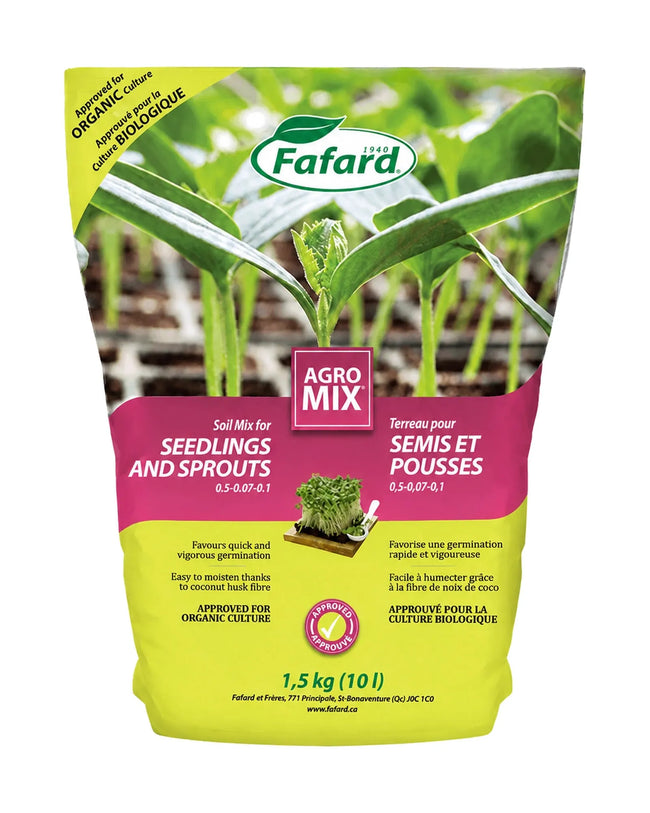
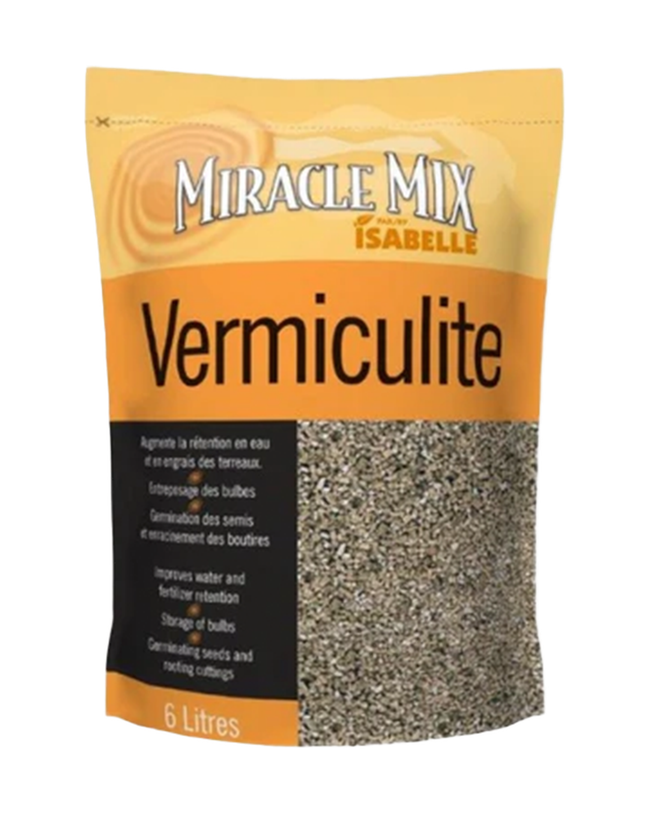
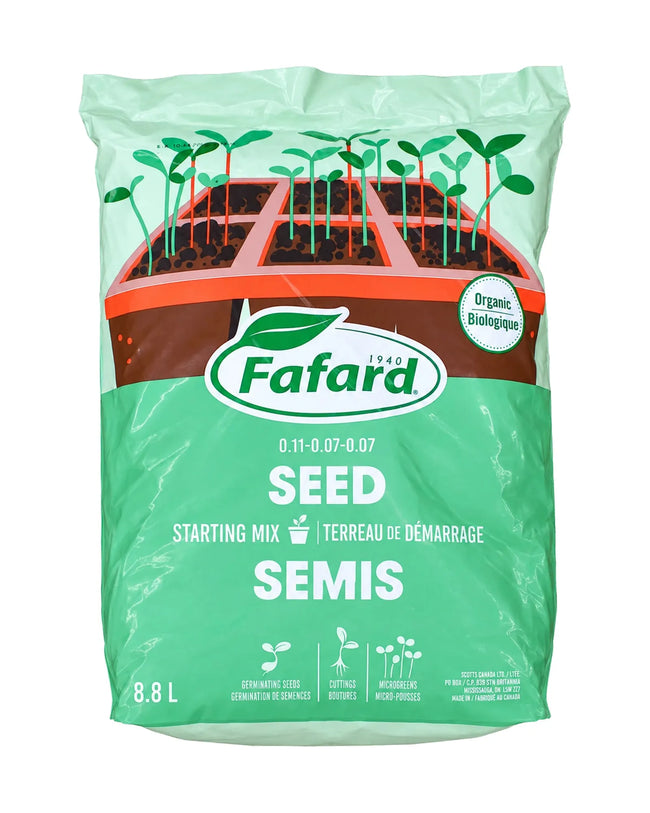
Seed Starting Soil
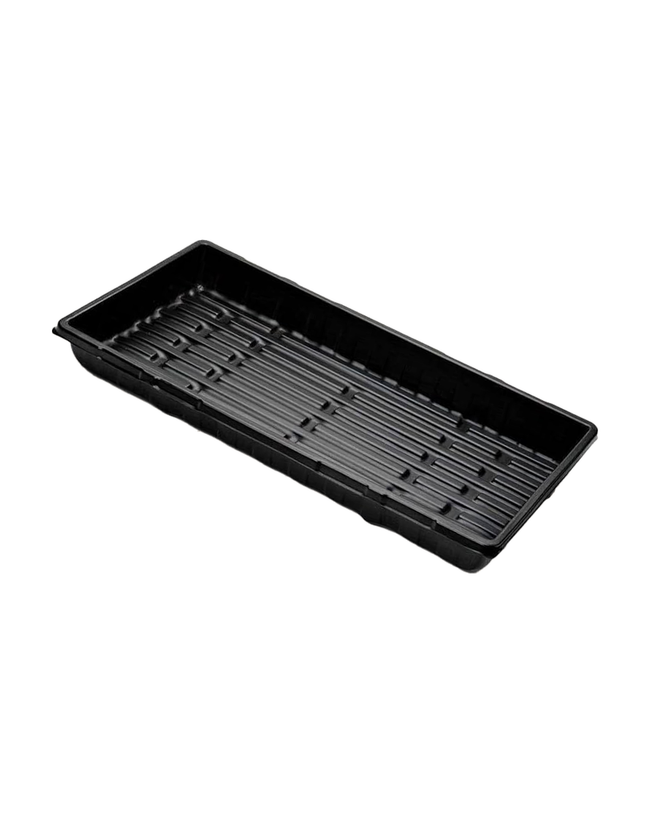
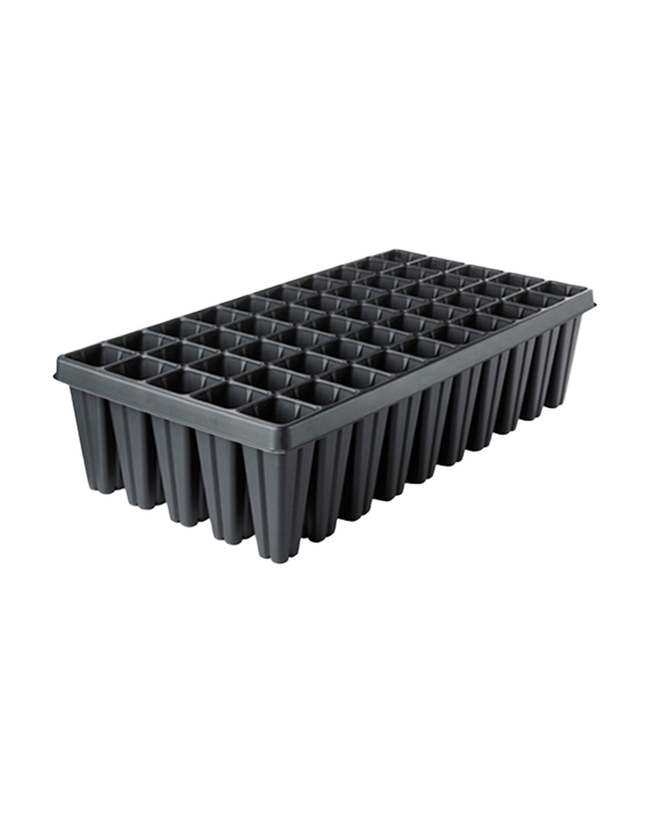
Shop the collectionSeed starting supplies
Shop the collection