


Sale
Sold out

Vegetable
Fabaceae
Organic seeds
'Golden Sweet' Pea (Pisum sativum)
Peas
Product code : JAREC-0189
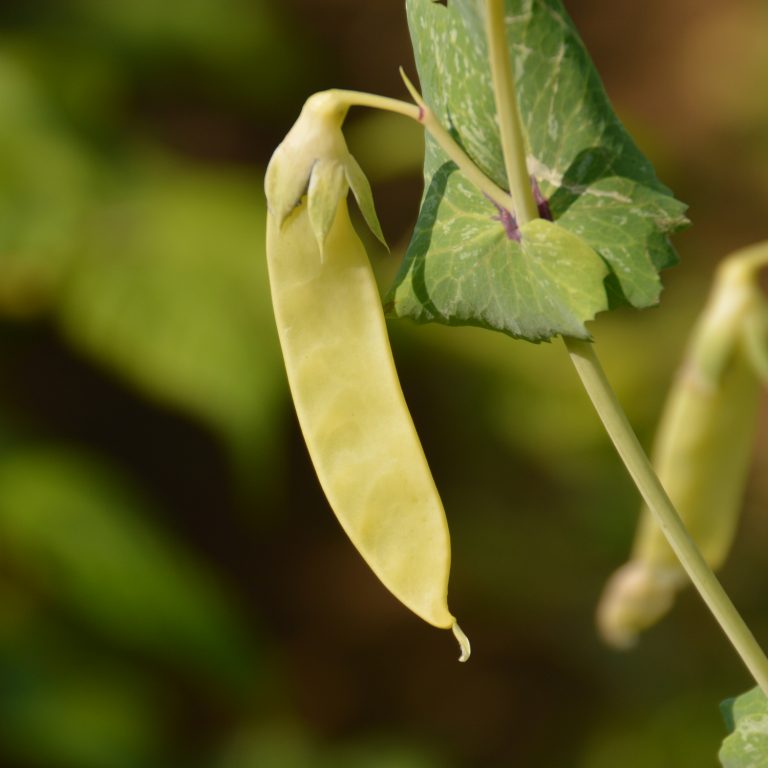
The pea *Pisum sativum* ‘Golden Sweet’ is a remarkable old variety that is as appealing for its singular beauty as it is for the delicacy of its harvest. From the first stages of growth, it shoots up vigorously, quickly transforming a trellis or support into a light, living, and productive green wall. Harvested young, they are tender, crunchy, and subtly sweet, perfect for eating raw or lightly cooked. This hardy variety is also appreciated for its generosity and its ability to perform well in varied conditions, making it a reassuring choice for both amateur and experienced gardeners.
- Quantity
- About 40 seeds
- Exposure
- Sun
- Life cycle
- Annual
Discover the plant
Common namePea 'Golden Sweet'
FamilyFabaceae
GenusPea
Speciessativum
CultivarGolden Sweet
TypeVegetable
Botanical namePeas
Reproducible seedsYes
Heirloom varietyYes
‘Golden Sweet’ Pea (Pisum sativum). The Pisum sativum ‘Golden Sweet’ pea is a remarkable heirloom variety that attracts attention with its singular beauty as much as with the fineness of its harvest. From the first stages of growth, it shoots up vigorously and quickly transforms a trellis or support into a light, living, and productive green wall. Harvested young, they are tender, crisp, and delicately sweet, perfect for eating raw or lightly cooked. This hardy variety is also appreciated for its generosity and its ability to perform well in varied conditions, making it a reassuring choice for both amateur and passionate gardeners.
Recommended sowing period: in spring, as soon as the soil is dry enough to be worked; adjust subsequent sowings to the season and type of harvest. The depth to respect is 2.5 to 4 cm (1 to 1 1/2 in). Emergence usually takes 7 to 14 days. For germination, maintain the potting soil at 10 to 20 °C (50 to 68 °F). Sow peas directly into well-drained soil during a cool period. Install support at the time of sowing so that the first tendrils can cling to it.
In bloom, it contributes to the biological richness of the garden while preparing an abundant and decorative harvest. Place the peas along a support accessible from both sides. Their final height determines the shade cast on neighboring crops. A row of lettuce at a reasonable distance can benefit from the beginning of the season without interfering with the tendrils. After harvesting, remove the stalks and choose a new crop suitable for the remaining time before frosts. The Pisum sativum ‘Golden Sweet’ pea is a remarkable heirloom variety that attracts attention with its singular beauty as much as with the fineness of its harvest.

Sowing guide
It all startswith a seed.
Sowing depth
1 to 1 1/2 in. (2.5 to 4 cm)
Germination temperature
10 to 20 °C (50 to 68 °F)
Germination time
7 to 14 days
Sowing period
April to June
Propagation
Sowing
Growing method
Recommended sowing period: in spring, as soon as the soil is well-drained and workable; adjust subsequent sowings to the season and type of harvest. The depth to respect is 2.5 to 4 cm (1 to 1 1/2 in). Emergence usually takes 7 to 14 days. For germination, maintain the potting soil at 10 to 20 °C (50 to 68 °F). Sow peas directly in well-drained soil during a cool period. Install the support as soon as you sow so that the first tendrils can attach to it. Well-identified rows facilitate weeding, especially when the seedlings still bear little resemblance to adult plants. Avoid working sticky soil: compaction hinders roots and drainage. Peas are often picked during the production period. For snow peas, look for a tender pod; for shelling peas, wait until the peas fill the pod. Hold the stem with one hand while picking with the other to avoid uprooting the plant. Lasting heat generally shortens the harvest period. Leafy vegetables require harvesting adjusted to the type of plant. Picking from the outside preserves the heart when you want to continue production.
Soil and care
The right care,at the right time.
Care level
Regular during establishment, then adapted to growing conditions
Watering
Regular
Soil type
Rich, friable, and well-drained
Fertilization
Fertilization supports growth and takes into account the nutrients already present in the soil or potting mix. Use mature compost or a fertilizer suitable for the crop, following the dosage instructions. Avoid using multiple products, especially in a container where the roots occupy a limited volume. Water as needed after application and observe the foliage development before re-fertilizing.
Moisture
Moist soil during germination, without standing water; adjust thereafter to the crop
Seasonal care
The pea Pisum sativum ‘Golden Sweet’ is a remarkable old variety, as attractive for its unique beauty as for the delicacy of its harvest. Sow peas directly into well-drained soil during a cool period. Install support at the time of sowing so that the first tendrils can attach to it. Clearly marked rows make weeding easier, especially when the seedlings still bear little resemblance to mature plants. Avoid working sticky soil: compaction hinders roots and drainage. Peas are often picked during the production period. For a snow pea, look for a tender pod; for a shelling pea, wait until the peas fill it. Hold the stem with one hand while picking with the other to avoid uprooting the plant. Prolonged heat generally shortens the harvest period. Leafy vegetables require harvesting adjusted to the type of plant. Outer harvesting preserves the heart when you want to continue production. Very old leaves are not as tender as young shoots. Rinse the harvest just before use or dry it carefully before a short stay in the refrigerator. Harvested young, they are tender, crisp, and delicately sweet, perfect for eating raw or lightly cooked. In bloom, it contributes to the garden's biological richness while preparing an abundant and decorative harvest. Recommended sowing period: in spring, as soon as the soil is well-drained and workable; adjust subsequent sowings to the season and type of harvest.
Container growing
A garden,within reach.
Suitable for containers
Yes
Recommended pot size
A stable, perforated container, wide enough for the plant to spread out, and deep enough for its roots
Choose this exposure: full sun. Reserve this spread around the plant: 10 to 15 cm (4 to 6 inches). Growing peas in a container is easier when the support is installed before germination. Attach the trellis to a stable base so that it does not tip over in the wind. The potting mix should remain moist, as a dry root ball heats up quickly in the sun. Harvest from the outside of the container to avoid pulling on the fragile stems. The pea Pisum sativum 'Golden Sweet' is a remarkable heirloom variety that is as attractive for its unique beauty as for the delicacy of its harvest. From the first stages of growth, it shoots up vigorously and quickly transforms a trellis or support into a light, living, and productive green wall. Harvested young, they are tender, crisp, and delicately sweet, perfect for eating raw or lightly cooked. This hardy variety is also appreciated for its generosity and its ability to perform well in varied conditions, making it a reassuring choice for both amateur gardeners and enthusiasts. In bloom, it contributes to the biological richness of the garden while preparing an abundant and decorative harvest.

Bloom and dimensions
Its place,in your garden.
Mature height
150 to 180 cm (5 to 6 ft)
Width / spread
4 to 6 in (10 to 15 cm)
Foliage type
Seasonal foliage
Growth habit
Climbing
Bloom period
June to August
Fruiting
The pea *Pisum sativum* 'Golden Sweet' is a remarkable old variety that captivates with both its singular beauty and the delicacy of its harvest. Picked young, they are tender, crisp, and delicately sweet, perfect for eating raw or lightly cooked. In bloom, it contributes to the garden's biodiversity while preparing an abundant and decorative harvest.
Harvest
60 days after sowing
Garden associations
In goodcompany.
Companion plants
In a diversified plantation, you can reserve neighboring sections for these plants: carrots, lettuces, radishes, cucumbers, spinach. The association here serves to organize space and harvests. Respect the height, light, and water needs of each plant, without crowding the foliage. Maintain a path for watering and harvesting, then remove finished crops to free up space. This organization facilitates maintenance without promising protection against pests. Place peas along a support accessible from both sides.
Recipe idea
From the gardento your plate.
Edible parts
Pods or seeds depending on harvest stage
Cooking Idea with 'Golden Sweet' Peas: Sautéed Pods for Four Servings. Trim 400g of young, tender pods and string them if necessary. Cook them in boiling water until tender, then drain. For green beans, allow about eight to ten minutes; snow peas require a shorter cooking time. Reheat in a pan with 15 ml of oil, one minced garlic clove, and a few drops of lemon. Season to taste and serve hot. Choose pods that are still pliable, before they become fibrous. Prepare ingredients with clean utensils and adjust the cut to the size of your harvest. This recipe highlights freshly picked parts: remove any damaged pieces before preparation. If doubling quantities, ensure enough space in the dish for even mixing or cooking. Promptly place leftovers in the refrigerator in a sealed container and consume within two days. For a two-person meal, simply divide all quantities by two.
Frequently asked questions
Your questions,answered.
How to successfully sow 'Golden Sweet' peas?
Recommended sowing period: in spring, as soon as the soil is well-drained and workable; adjust subsequent sowings to the season and type of harvest. The depth to respect is 2.5 to 4 cm (1 to 1 1/2 in). Emergence generally takes 7 to 14 days. For germination, maintain the potting soil at 10 to 20 °C (50 to 68 °F). Sow peas directly in well-drained soil during a cool period. Install support at the time of sowing so that the first tendrils can attach to it. Well-identified rows make weeding easier, especially when the seedlings still bear little resemblance to adult plants.
Can 'Golden Sweet' peas be grown in pots?
Choose this exposure: full sun. Reserve this spacing around the plant: 10 to 15 cm (4 to 6 in). Growing peas in a container is easier when the support is installed before germination. Attach the trellis to a stable base so it doesn't tip over in the wind. The potting mix should remain cool, as a dry root ball heats up quickly in the sun. Harvest from the outside of the container to avoid pulling on the fragile stems. The pea Pisum sativum ‘Golden Sweet’ is a remarkable old variety that is as attractive for its unique beauty as for the delicacy of its harvest.
When to harvest 'Golden Sweet' Peas?
The pea Pisum sativum ‘Golden Sweet’ is a remarkable heirloom variety that attracts as much by its singular beauty as by the delicacy of its harvest. Harvested young, they are tender, crunchy, and gently sweet, perfect for eating raw or lightly cooked. When in flower, it contributes to the biological richness of the garden while preparing an abundant and decorative harvest. The reddish-brown seeds it contains add to its charm, especially when some pods are left to mature further for dry harvesting. Leafy vegetables require harvesting adjusted to the type of plant. An external picking preserves the heart when you want to continue production.
What distinguishes 'Golden Sweet' peas in the garden?
The pea *Pisum sativum* ‘Golden Sweet’ is a remarkable heirloom variety, admired as much for its unique beauty as for the delicacy of its harvest. From its earliest growth stages, it shoots up vigorously, quickly transforming a trellis or support into a light, lively, and productive green wall. Harvested young, they are tender, crunchy, and gently sweet, perfect for eating raw or lightly cooked. This hardy variety is also appreciated for its generosity and its ability to perform well in various conditions, making it a reassuring choice for both amateur and experienced gardeners.
How to plant 'Golden Sweet' peas?
Place peas along a support that can be accessed from both sides. Their final height determines the shade cast on neighboring crops. A row of lettuce at a reasonable distance can benefit from the early season without interfering with the tendrils. After harvest, remove the stalks and choose a new crop suited to the time remaining before the first frost. Peas are often picked during the production period. For snap peas, look for a tender pod; for shelling peas, wait until the grains fill the pod. Hold the stem with one hand while picking with the other to avoid uprooting the plant.
For a great start to your seeds
The right extras.Right here.
Seed Starting Soil
Shop the collectionSeed starting supplies
Shop the collection





