


Sale
Sold out

Vegetable
Fabaceae
Organic seeds
'Petit Provençal' pea (Pisum sativum)
Peas
Product code : JAREC-0191
The 'Petit Provençal' Pea is a charming and generous variety that evokes the simple pleasure of spring harvests, when the pods fill with tender, sweet peas to be picked almost directly for the table. Its green, smooth, and shiny pods shelter peas with a mild and delicate flavor, delicious raw, lightly blanched, or added to a host of homemade recipes. Easy to grow, it thrives in loose, well-drained soil and bright exposure, which promotes regular and abundant production. Its hardiness and good tolerance to variable conditions make it an excellent option for early spring sowing.
- Quantity
- About 40 seeds
- Exposure
- Sun
- Life cycle
- Annual
Discover the plant
Common namePea ‘Petit Provençal’
FamilyFabaceae
GenusPea
Speciessativum
CultivarLittle Provençal
TypeVegetable
Botanical namePeas
Reproducible seedsYes
Heirloom varietyYes
‘Petit Provençal’ Pea (Pisum sativum). The ‘Petit Provençal’ pea is a charming and generous variety that evokes the simple pleasure of spring harvests, when the pods fill with tender, sweet peas to be picked almost directly for the table. Its smooth, shiny green pods contain peas with a mild and delicate flavor, delicious raw, lightly blanched, or added to a host of homemade recipes. Easy to grow, it thrives in loose, well-drained soil and a bright exposure, which promotes regular and abundant production.
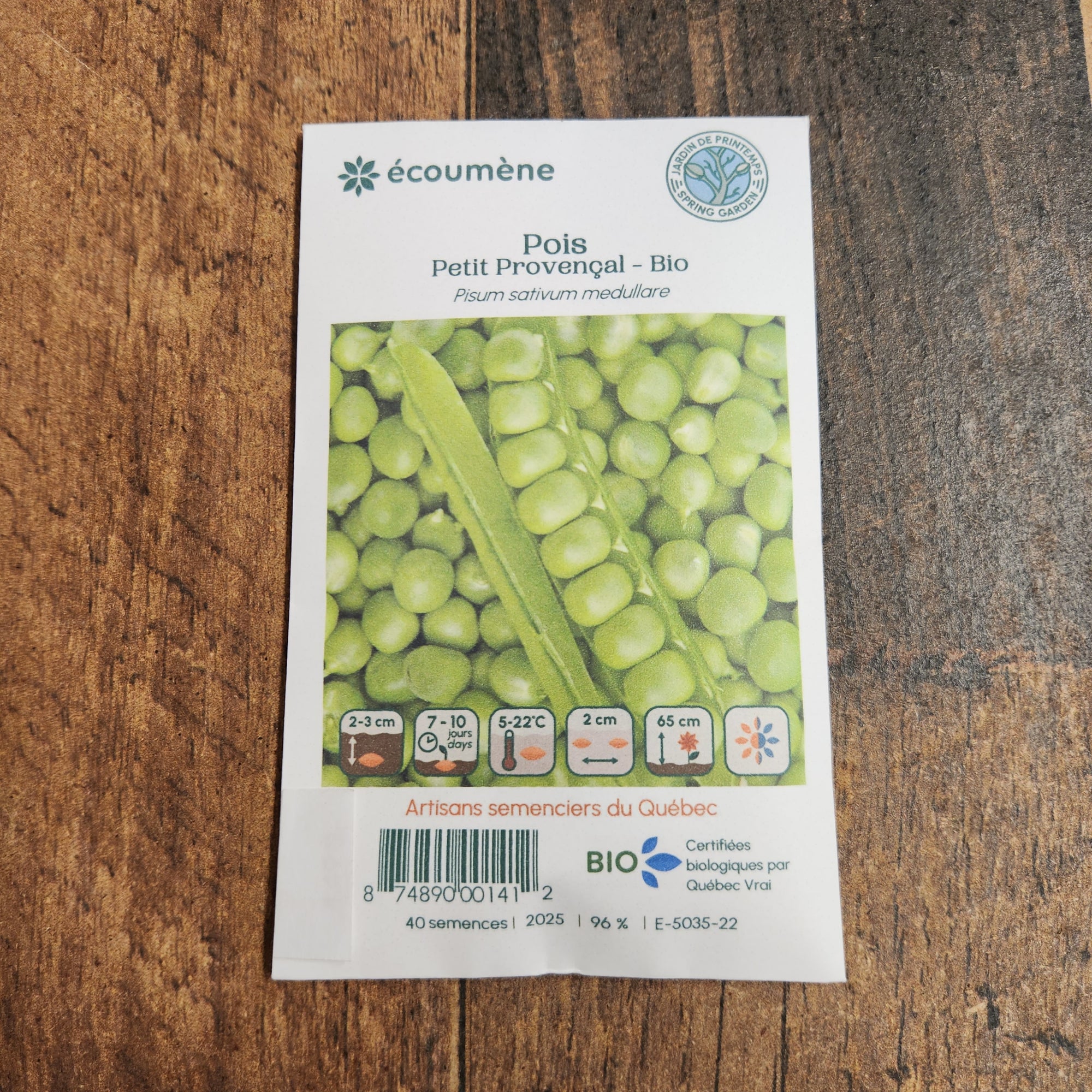
Recommended sowing period: in spring, as soon as the soil is dry and workable; adjust subsequent sowings to the season and type of harvest. The depth to respect is 2 to 3 cm (3/4 to 1 in). Germination generally takes 7 to 14 days. For germination, keep the potting soil at 10 to 18 °C (50 to 64 °F). Sow peas directly in dry soil during a cool period. Install support as soon as you sow so that the first tendrils can cling to it.
This ‘Petit Provençal’ pea is grown for its shelling peas. Open a pod to check that the peas are well-formed and still tender, then harvest the others at the same stage. Place the peas along a support accessible from both sides. Their final height determines the shade cast on neighboring crops. A row of lettuce at a reasonable distance can benefit from the early season without hindering the tendrils. After harvesting, remove the stems and choose a new crop suitable for the remaining time before frost. When flowering, it also attracts useful pollinators and contributes to the natural activity of the vegetable garden.

Sowing guide
It all startswith a seed.
Sowing depth
3/4 to 1 in (2 to 3 cm)
Germination temperature
10 to 18 °C (50 to 64 °F)
Germination time
7 to 14 days
Sowing period
In spring, as soon as the soil is dried out and workable; adjust the following sowings to the season and type of harvest
Propagation
Sowing
Growing method
Recommended sowing period: in spring, as soon as the soil is well-drained and workable; adjust subsequent sowings according to the season and type of harvest. The depth to respect is 2 to 3 cm (3/4 to 1 in). Germination usually takes 7 to 14 days. For germination, maintain the potting soil at 10 to 18 °C (50 to 64 °F). Sow peas directly in well-drained soil during a cool period. Install support at the time of sowing so that the first tendrils can attach to it. Well-identified rows facilitate weeding, especially when the seedlings still bear little resemblance to adult plants. Avoid working sticky soil: compaction hinders roots and drainage. Peas are often picked during the production period. For a snow pea, look for a tender pod; for a shelling pea, wait until the peas fill it. Hold the stem with one hand while picking with the other to avoid uprooting the plant. Lasting heat generally shortens the harvest period. Leafy vegetables require harvesting adjusted to the type of plant. Picking the outer leaves preserves the heart when you wish to continue production.
Soil and care
The right care,at the right time.
Care level
Regular during establishment, then adapted to cultivation conditions
Watering
Regular
Soil type
Friable and well-drained
Fertilization
Fertilization supports growth and takes into account the nutrients already present in the soil or potting mix. Use mature compost or a fertilizer suited to the crop, following the dosage instructions. Avoid using multiple products, especially in a container where roots occupy a limited volume. Water as needed after application and observe leaf development before re-fertilizing.
Moisture
Keep the soil moist during germination, without standing water; then adjust according to the crop.
Seasonal care
This 'Petit Provençal' shelling pea is grown for its seeds. Open a pod to check that the peas are well-formed and still tender, then harvest the others at the same stage. Sow peas directly into well-drained soil during a cool period. Install the support at the time of sowing so that the first tendrils can attach to it. Clearly marked rows make weeding easier, especially when the seedlings still bear little resemblance to adult plants. Avoid working with sticky soil: compaction hinders roots and drainage. Peas are often harvested throughout their production period. For a snow pea, look for a tender pod; for a shelling pea, wait until the peas fill the pod. Hold the stem with one hand while picking with the other to avoid uprooting the plant. Sustained heat generally shortens the harvest period. Leafy vegetables require harvesting adjusted to the type of plant. Picking outer leaves preserves the heart when you want to continue production. Very old leaves do not offer the same tenderness as young shoots. Rinse your harvest just before use or dry it carefully before a short stay in the refrigerator. The 'Petit Provençal' pea is a charming and generous variety that evokes the simple pleasure of spring harvests, when the pods fill with tender, sweet peas to be picked almost directly for the table. Its green, smooth, and shiny pods contain peas with a mild and delicate flavor, delicious raw, lightly blanched, or added to a host of homemade recipes.
Container growing
A garden,within reach.
Suitable for containers
Yes
Recommended pot size
A stable, perforated container, wide enough for the plant to spread out and deep enough for the roots
Choose this exposure: full sun. Reserve this spacing around the plant: 10 to 15 cm (4 to 6 in). Growing peas in containers is simpler when the support is installed before the seedlings emerge. Attach the trellis to a stable base so that it does not tip over in the wind. The potting soil should remain cool, as a dry root ball heats up quickly in the sun. Harvest from the outside of the container to avoid pulling on the fragile stems. The 'Petit Provençal' pea is a charming and generous variety that evokes the simple pleasure of spring harvests, when the pods fill with tender and sweet peas to be picked almost directly for the table. Its green, smooth, and shiny pods contain peas with a sweet and delicate flavor, delicious raw, lightly blanched, or added to a host of homemade recipes. Easy to grow, it appreciates loose, well-drained soil and bright exposure, which promotes regular and abundant production. Its hardiness and good tolerance to variable conditions make it an excellent option for early spring sowings. When flowering, it also attracts useful pollinators and contributes to the natural animation of the vegetable garden.
Bloom and dimensions
Its place,in your garden.
Mature height
65 cm (26 in)
Width / spread
4 to 6 in (10 to 15 cm)
Foliage type
Seasonal foliage
Growth habit
Compact
Bloom period
Spring
Fruiting
The ‘Petit Provençal’ Pea is a charming and generous variety that evokes the simple pleasure of spring harvests, when the pods fill with tender, sweet peas, ready to be picked almost directly for the table. Its smooth, shiny green pods contain peas with a mild, delicate flavour, delicious raw, lightly blanched, or added to a host of homemade recipes.
Harvest
55 days after sowing
Garden associations
In goodcompany.
Companion plants
In a diversified plantation, you can reserve neighboring sections for these plants: carrots, lettuces, radishes, cucumbers, spinach. The association here serves to organize space and harvests. Respect the height, light, and water needs of each plant, without crowding the foliage. Maintain an aisle for watering and harvesting, then remove finished crops to free up space. This organization facilitates maintenance without promising protection against pests. Place peas along a support accessible from both sides.
Recipe idea
From the gardento your plate.
Edible parts
Pods or seeds depending on the harvest stage
Cooking idea with 'Petit Provençal' Peas: buttered peas for four servings. Shell enough pods to obtain 400g of peas. Immerse the peas in boiling water for three to five minutes, until tender, then drain. Add 15g of butter, a few chopped mint leaves, and a pinch of salt. Mix off the heat to preserve the texture of the peas. Serve as a side dish to a simple meal, immediately after cooking, when the peas retain their vibrant color. Prepare the ingredients with clean utensils and adjust the cutting to the size of your harvest. This recipe highlights freshly picked parts: remove any damaged pieces before preparation. If you double the quantities, ensure there is enough space in the dish for even mixing or cooking. Promptly place any leftovers in the refrigerator in a sealed container and consume within two days. For a meal for two people, simply halve all quantities.
Frequently asked questions
Your questions,answered.
How to successfully sow 'Petit Provençal' peas?
Recommended sowing period: in spring, as soon as the soil is dry enough to work; adjust subsequent sowings to the season and type of harvest. The recommended depth is 2 to 3 cm (3/4 to 1 in). Germination usually takes 7 to 14 days. For germination, maintain the soil at 10 to 18 °C (50 to 64 °F). Sow peas directly in well-drained soil during a cool period. Install support at the time of sowing so that the first tendrils can attach to it. Well-identified rows facilitate weeding, especially when the seedlings still bear little resemblance to adult plants.
Can 'Petit Provençal' peas be grown in pots?
Choose this exposure: full sun. Reserve this spread around the plant: 10 to 15 cm (4 to 6 in). Growing peas in a container is simpler when the support is installed before germination. Attach the trellis to a stable base so it doesn't tip over in the wind. The potting soil should remain moist, as a dry root ball heats up quickly in the sun. Harvest from the outside of the container to avoid pulling on the fragile stems. The 'Petit Provençal' pea is a charming and generous variety that evokes the simple pleasure of spring harvests, when the pods fill with tender and sweet peas to be picked almost directly for the table.
When to harvest 'Petit Provençal' Peas?
The ‘Petit Provençal’ pea is a charming and generous variety that evokes the simple pleasure of spring harvests, when pods fill with tender, sweet peas ready to be picked almost directly for the table. Its green, smooth, and shiny pods contain peas with a mild and delicate flavor, delicious raw, lightly blanched, or added to a host of homemade recipes. Harvested young and fresh, it offers remarkable taste quality reminiscent of garden vegetables picked at just the right time. Leafy vegetables require harvesting adjusted to the type of plant. Outer leaves can be harvested to preserve the heart when continued production is desired.
How to enjoy Pois Petit Provençal in the garden?
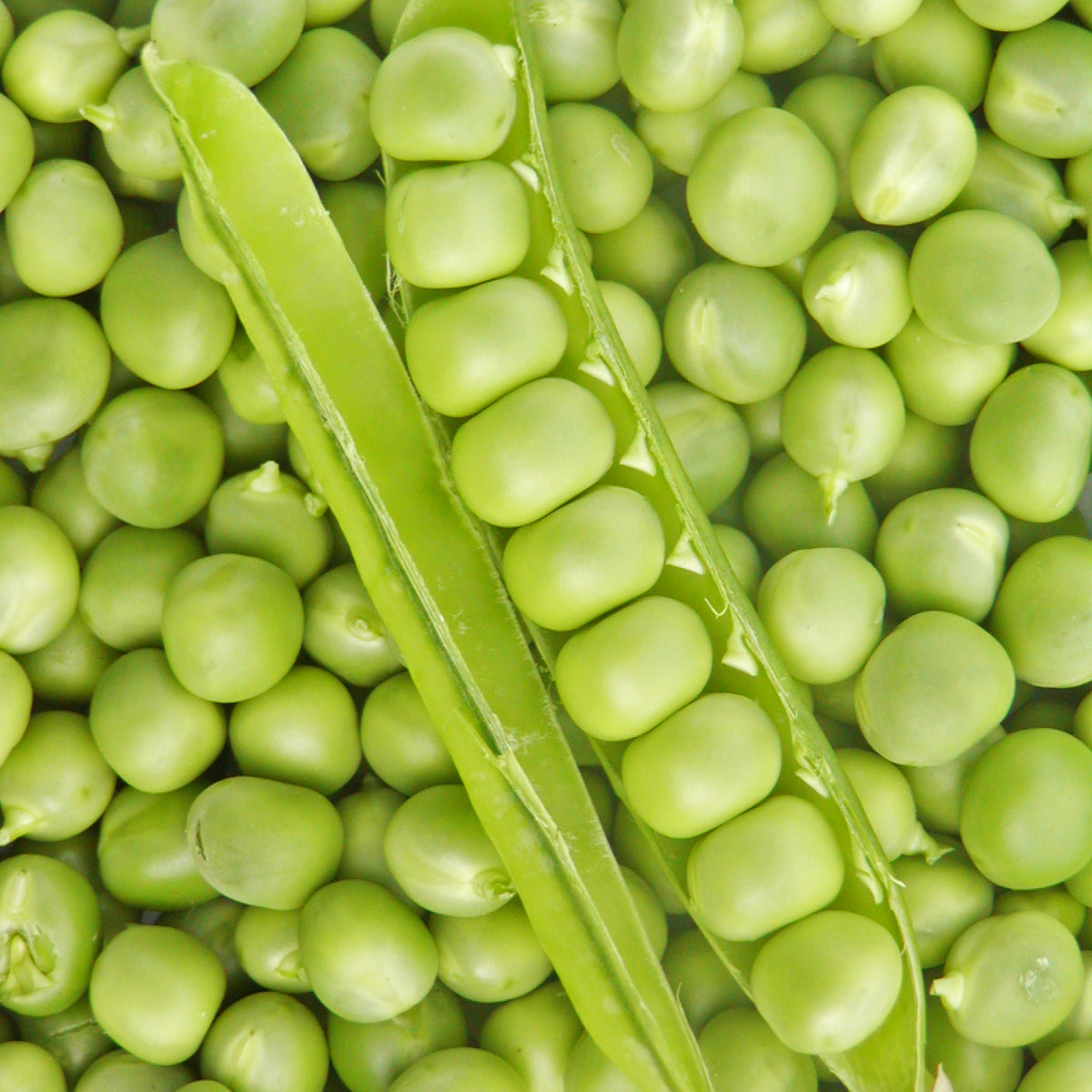
This Petit Provençal pea variety is grown for its shelling peas. Open a pod to check that the peas are well-formed and still tender, then harvest the others at the same stage. The 'Petit Provençal' pea is a charming and generous variety that evokes the simple pleasure of spring harvests, when the pods fill with tender and sweet peas to be picked almost directly for the table. Its green, smooth, and shiny pods contain peas with a mild and delicate flavor, delicious raw, lightly blanched, or added to a host of homemade recipes. Easy to grow, it thrives in loose, well-drained soil and bright sunlight, which promotes regular and abundant production.
How to organize a 'Petit Provençal' Pea planting?
Place the peas along a support that is accessible from both sides. Their final height will determine the shade cast on neighboring crops. A row of lettuce at a reasonable distance can benefit from the early season without interfering with the tendrils. After harvesting, remove the stalks and choose a new crop suitable for the time remaining before the frosts. Peas are often harvested during the production period. For a snow pea, look for a tender pod; for a shelling pea, wait until the peas fill the pod. Hold the stem with one hand while picking with the other to avoid uprooting the plant.
For a great start to your seeds
The right extras.Right here.
Seed Starting Soil
Shop the collectionSeed starting supplies
Shop the collection





