Organic leafy vegetable seeds

Organic rapini (Brassica rapa Ruvo Group)

Brassica rapa Ruvo Group

Fast organic open-pollinated leafy vegetable producing dark-green leaves tender stems and edible flower buds near 45 days.
4 49 $
Pay in 4 interest-free payments with Sezzle
Detailed plant guide
Advice adapted to Canada
Secure payment
Share
Quantity Approximately 500 seeds
Exposure Full sun
Difficulty level Easy to moderate

Discover the plant

Family Brassicaceae
Genus Brassica
Species rapa
Type Organic annual leafy vegetable with edible stems and buds
Cycle Annual

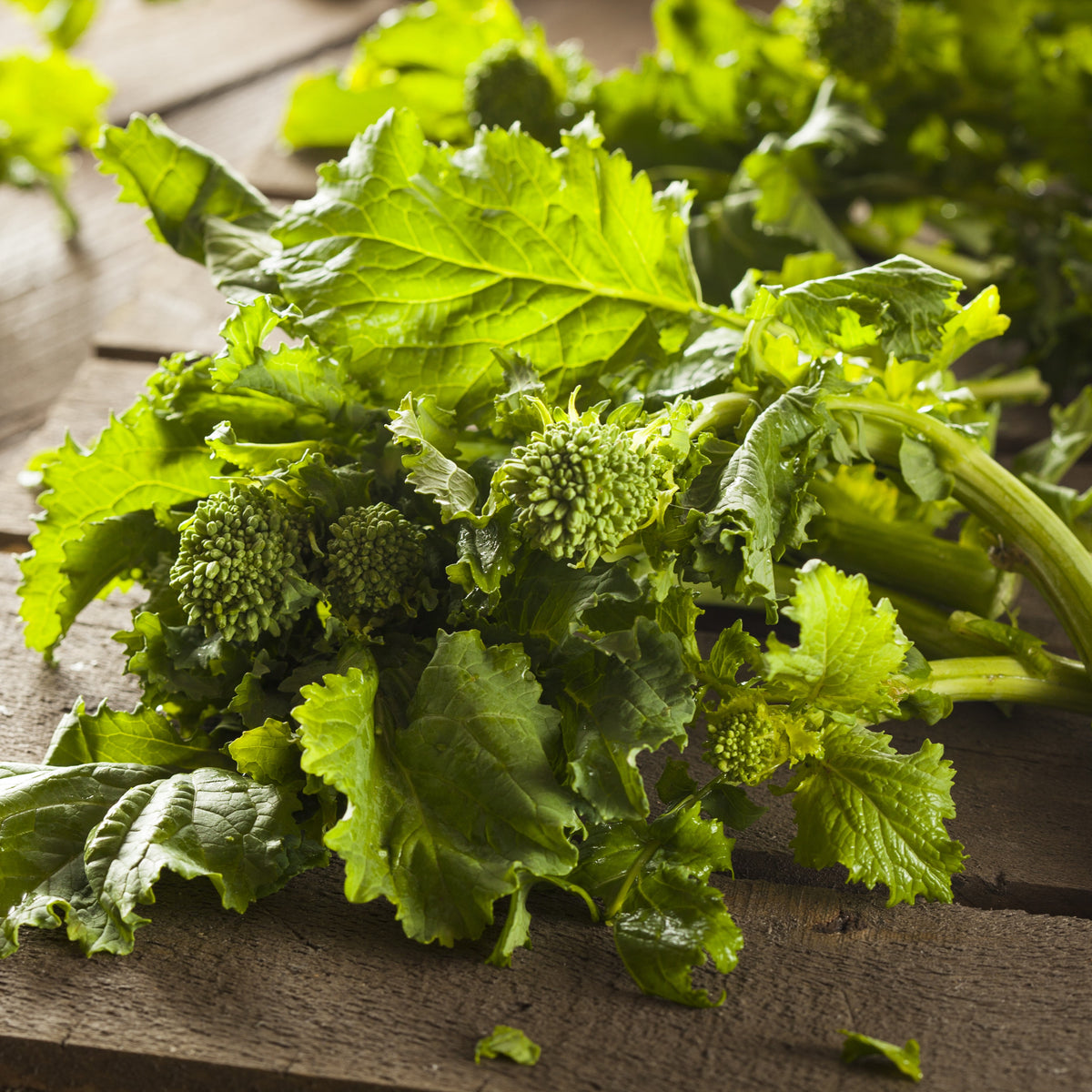
Organic rapini (Brassica rapa Ruvo Group), also called broccoli rabe, is a fast annual leafy vegetable grown for its edible young leaves tender stems and flower buds. Each packet contains approximately 500 organic open-pollinated seeds. Plants generally reach 30–50 cm and are harvested near 45 days. Their distinctive lightly bitter green flavour suits garlic sautés pasta soups and Mediterranean cooking.

Direct sow April through August, 1–2 cm deep, in fertile organic-rich well-drained soil. Maintain 10–25°C and even moisture; emergence generally takes 5–10 days. Thin to approximately 20–30 cm for good air circulation and vigorous stems. Grow in full sun, make small successive sowings, and avoid prolonged hot periods that accelerate flowering and may intensify bitterness.

Begin monitoring near 40 days and generally harvest around 45 days when buds are well formed but still closed. Cut young stems with leaves and buds, leaving the centre intact if healthy side shoots develop. Harvest in the morning, cool promptly, and wash immediately before cooking. Discard wilted slimy mouldy or abnormal-smelling stems. Results vary with growing conditions.

Organic rapini (<em>Brassica rapa</em> Ruvo Group)

Planting guide

From planting to establishment.

Planting depth 1 to 2 cm (0.4 to 0.8 in)
Spacing / density 20 to 30 cm between plants and 30 to 45 cm between rows
Establishment temperature 10 to 25°C (50 to 77°F)
Establishment time 5 to 10 days
Best planting time April through August in small successive sowings
Propagation Direct sowing
Growing method
Direct sow April through August 1–2 cm deep in fertile drained soil. Maintain 10–25°C and even moisture until emergence in 5–10 days. Thin to 20–30 cm, weed shallowly, and protect from flea beetles if needed. Make small successive sowings especially in spring and late summer. Water at soil level for tender stems. Begin monitoring near 40 days and cut leaves stems and closed buds near 45 days before flowers open.

Soil and care

The right conditions.

Exposure Full sun
Soil pH Approximately 6.0 to 7.0
Watering
Keep the seedbed evenly moist during germination for uniform emergence without a surface crust. After emergence water deeply when the top two or three centimetres begin to dry. Drought-stressed rapini bolts sooner, develops less tender stems, and may become more bitter while prolonged saturation encourages root suffocation and rot. Water at soil level in the morning, avoid unnecessarily wetting foliage, and mulch lightly once plants are established. In containers check moisture daily during hot weather without leaving standing water in the saucer.
Soil type
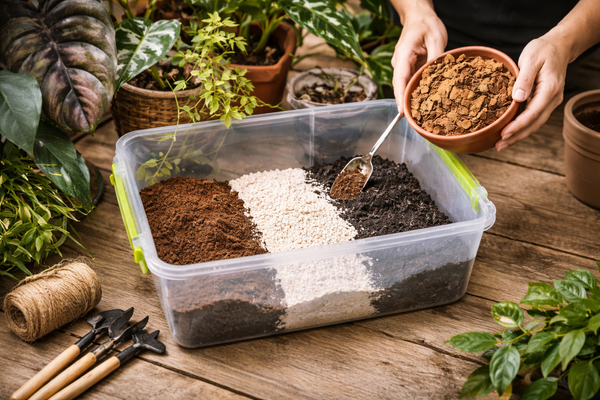
Prepare fertile loose organic-rich well-drained soil with a slightly acidic to neutral pH near 6.0–7.0. Incorporate mature compost before sowing to support rapid leaf and stem production while avoiding fresh manure and excessive inputs. Work soil when neither sticky nor dusty and remove large clods. In heavy soil use a raised bed or drained container. Do not compact the row and rotate away from other Brassicaceae to reduce buildup of soilborne diseases and pests.
Fertilization
Incorporate mature compost before sowing to provide a steady nutrient base for this fast leafy crop. If soil is poor or a test reveals deficiency apply a light dose of balanced vegetable fertilizer according to its label; modest nitrogen may support leaves but excess produces soft growth, intensifies some insect problems, and reduces stem quality. Do not use fresh manure or place concentrated fertilizer against seed or roots. Water after application. In containers fresh enriched potting mix often supports the approximately 45-day cycle; add only a very dilute feed if growth truly becomes pale.
Seasonal care
Make small sowings April through August, keep moist until emergence, then thin to 20–30 cm. Weed shallowly and mulch lightly once plants establish. Protect young leaves from flea beetles with insect netting if needed and monitor caterpillars aphids slugs and rot symptoms. Maintain even moisture and harvest before flowers open. During strong heat favour a new late-summer sowing rather than allowing bitter plants to bolt rapidly. Remove diseased Brassicaceae residues and rotate crops.

Container growing

A controlled environment.

Recommended pot size
15 to 20 L (4 to 5 gal)
Choose a 15–20 L container at least 25–30 cm deep with several drainage holes. Fill with fertile organic-rich well-drained potting mix. Sow 1–2 cm deep then thin to retain only a few plants spaced 20–30 cm apart. Place in full sun or light partial shade during very hot periods and maintain even moisture without standing water. Rotate for balanced light, monitor drying daily, and begin harvesting stems with closed buds near 45 days.
Organic rapini (<em>Brassica rapa</em> Ruvo Group)

Bloom and dimensions

The complete profile.

Flower color Yellow
Foliage color Green
Foliage type Herbaceous rosette
Growth rate Very fast in cool weather
Bloom period
Buds followed by yellow flowers if plants are not harvested
Fruiting
Flower buds and stems harvested before flowers fully open
Harvest
Begin monitoring near 40 days and generally harvest around 45 days when flower buds are well formed but still closed. Cut young stems with leaves and buds, ideally in the morning, then cool promptly. Leave the centre intact only if healthy side shoots can continue; the number of cuts is not guaranteed. Do not wait until flowers fully open because stems become firmer and flavour may intensify. Discard wilted slimy mouldy or abnormal-smelling tissue and wash immediately before cooking.
Organic rapini (<em>Brassica rapa</em> Ruvo Group)

Garden associations

What to plant with it.

Sautés steaming pasta soups and Mediterranean cooking

From the garden to inspiration.

Garlic-sautéed rapini — Carefully rinse young leaves stems and closed buds. Briefly blanch in boiling water, drain, then sauté with a little olive oil and garlic until stems are tender. Add lemon when serving. Cook thoroughly before eating, keep ingredients cold before preparation, and refrigerate leftovers within two hours. Discard any slimy mouldy or abnormal-smelling stem.

Frequently asked questions

Everything toknow.

Direct sow April through August, preferably in spring and again in late summer. Place seed 1–2 cm deep, maintain 10–25°C, and keep the surface moist; emergence takes 5–10 days. Make small successive sowings rather than one large row. Prolonged heat accelerates bolting and may intensify bitterness so adapt dates to actual garden conditions.
Young leaves tender stems and still-closed flower buds are eaten after cooking. Harvest together before flowers fully open for best tenderness. The naturally green lightly bitter flavour softens after brief blanching followed by cooking in oil. Wash carefully, cook thoroughly, and discard wilted slimy or mouldy portions.
Maintain even moisture, avoid prolonged heat stress, and harvest buds before opening. Young stems picked near 45 days are generally more tender than those left too long. In cooking brief blanching in boiling water followed by draining before sautéing softens flavour. Light bitterness remains a normal rapini characteristic rather than a defect.
Begin monitoring near 40 days and generally harvest near 45 days when buds are well formed but still closed. Cut young stems with leaves and buds, preferably in the morning, then cool promptly. Do not wait until flowers fully open which accompanies firmer stems and stronger flavour. The number of regrowths or additional cuts is not guaranteed.
Yes. Use a well-drained 15–20 L container at least 25–30 cm deep. Fill with fertile potting mix, sow 1–2 cm deep, then retain only a few plants spaced 20–30 cm apart. Place in full sun, maintain even moisture without standing water, and check drying daily during hot weather. Harvest stems and closed buds near 45 days.