Sale
Sold out

Compact herbaceous perennial
Lamiaceae
Compact perennial sages for pollinators
‘Noble Knight’ woodland sage
Salvia nemorosa ‘Noble Knight’
Noble Knight woodland sage forms a compact, strongly branched clump approximately 25 to 30 cm tall and 30 to 35 cm wide. Large purple to violet-blue flowers cover thick spikes in spring and return during summer when finished stems are cut back. Hardy in Zones 3 to 9, this perennial sage prefers full sun, freely draining soil and low to moderate moisture. It attracts bees, butterflies and hummingbirds, tolerates drought after establishment and is seldom damaged by deer or rabbits. Its early bloom and tidy scale suit the front of a sunny border. For best results, grow it in full sun in soil that releases excess water quickly.
- Quantity
- 2 gallons
- Exposure
- Full sun
- Life cycle
- Perennial
- Hardiness
- Zones 3 to 9
Discover the plant
Common name‘Noble Knight’ woodland sage
FamilyLamiaceae
GenusSalvia
Speciesnemorosa
CultivarNoble Knight
TypeCompact herbaceous perennial
Botanical nameSalvia nemorosa ‘Noble Knight’
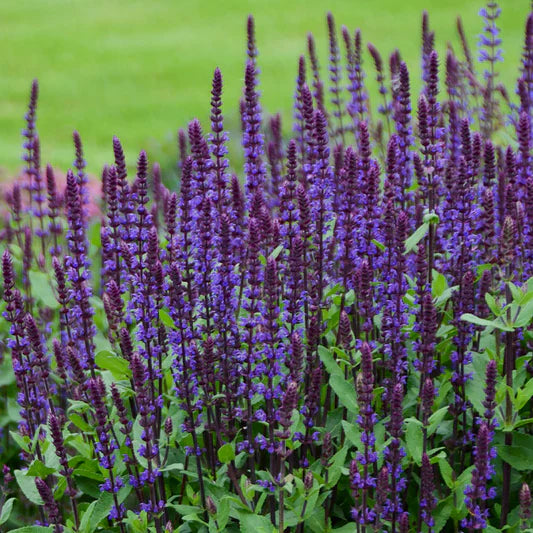
‘Noble Knight’ Woodland Sage (Salvia nemorosa ‘Noble Knight’) is a compact perennial sage selected by Dümmen Orange for large purple to violet-blue flowers. Thick, weather-tolerant spikes rise above aromatic green foliage and remain attractive as individual corollas drop. The well-branched clump reaches approximately 25 to 30 cm tall and 30 to 35 cm wide. Early flowering and capable of blooming in its first year, it produces a generous spring display followed by repeat flowers during summer when growing conditions remain favourable. Dark calyces extend the visual effect after petals begin to fall.
Choose a full-sun site with average, sandy, gravelly or lightly clay-based soil, provided excess moisture drains quickly. This sage prefers low to moderate moisture and tolerates short dry periods once established. Water regularly during establishment, then let the soil dry slightly between waterings. A modest layer of compost in spring is usually sufficient. Hardy in Zones 3 to 9, ‘Noble Knight’ handles cold winters, but its crown must be protected from standing water during thaws. Avoid rich, wet conditions that can weaken its compact habit. Raised planting helps where winter drainage is uncertain.
Use Noble Knight salvia at the front of a border, in a rock garden, pollinator planting or sunny container. Tubular flowers attract bees, butterflies and hummingbirds, while aromatic foliage is seldom browsed by deer or rabbits. After the first bloom, cut finished spikes back to basal leaves to stimulate another wave and preserve a tidy shape. Leave a few stems to dry if you want to offer seeds to small birds, or remove them to limit seedlings. This plant is ornamental rather than culinary and is not intended as a substitute for common garden sage.

Planting guide
From planting to establishment.
Spacing / density
30 to 35 cm (12 to 14 in)
Best planting time
Spring or early fall
Propagation
Plants from authorized vegetative propagation; respect cultivar rights
Growing method
Plant ‘Noble Knight’ in spring or early fall in full sun and soil that drains quickly. Dig a hole slightly wider than the root ball and keep the crown level with the surrounding ground. Space plants 30 to 35 cm apart to form a continuous border without restricting air movement. Water deeply after planting and maintain consistent moisture while roots establish. Afterwards, let the surface dry slightly between waterings. A thin compost layer in spring is usually sufficient. When the first flower wave ends, cut spikes back to basal foliage without injuring the crown. This trim encourages reblooming and maintains a compact shape. Keep wet mulch away from the base, avoid high-nitrogen fertilizer and never choose a site where water collects during winter thaws. For best results, grow it in full sun in soil that releases excess water quickly. Cutting back after the first bloom encourages another wave of flowers and keeps the clump compact. Aromatic foliage and nectar-rich flowers support a lively garden without demanding complicated care. Once established, this perennial sage handles short dry periods better than constantly wet soil. For best results, grow it in full sun in soil that releases excess water quickly.
Soil and care
The right care,at the right time.
Soil pH
Approximately 6.0 to 8.0; slightly acidic to alkaline
Care level
Easy
Drought tolerance
Yes
Watering
Water regularly during the first weeks to moisten the entire root ball without saturating the soil. Once established, let the surface dry slightly before watering again. Deep, spaced watering supports stronger roots than frequent shallow applications. Monitor containers and extended hot weather more closely. Reduce water in cool conditions and preserve free drainage during winter thaws. Short dry periods are less damaging than persistent wetness around the crown.
Soil type
‘Noble Knight’ prefers average to lean sandy, gravelly, loamy or lightly clay-based soil as long as drainage is excellent. Excess fertility can produce softer, less compact stems. Improve only very poor ground with a modest amount of mature compost. In heavy soil, plant on a slight mound or use a rock-garden setting so water moves quickly away from the crown. Dry soil is tolerated after establishment, but newly planted roots still need regular moisture.
Fertilization
In early spring, add a thin layer of mature compost or a modest rate of balanced slow-release fertilizer. Ordinary soil is usually sufficient, and high-nitrogen feeding should be avoided because it encourages soft foliage and weaker stems. No heavy feeding is needed after the first bloom; cutting back and deep watering support rebloom more effectively. In containers, use diluted fertilizer only during active growth and stop late applications before winter.
Moisture
Low to average
Seasonal care
In spring, remove dry stems and damaged leaves before new growth hides the crown. Add a thin compost layer without covering the centre of the clump. Water when the soil is dry, then give the plant full sun. The first flower display appears early on many compact spikes. Once most flowers have faded, cut stems back to basal foliage with clean shears. This treatment encourages another summer wave and prevents the clump from becoming open. Continue watering only when the soil dries, especially in containers. Watch for slugs on young shoots and signs of crown rot in overly wet areas. In fall, leave several spikes to produce seed if you want a resource for birds, or remove them to limit volunteer seedlings. Preserve healthy basal foliage as long as possible. After repeated frosts, clean only completely dry growth. In cold regions, apply light mulch after the soil freezes, keeping it away from the crown so it cannot trap water. Divide an older clump in spring if the centre thins, while respecting any cultivar rights that apply. For best results, grow it in full sun in soil that releases excess water quickly. Cutting back after the first bloom encourages another wave of flowers and keeps the clump compact. Aromatic foliage and nectar-rich flowers support a lively garden without demanding complicated care.
Container growing
A garden,within reach.
Recommended pot size
At least 30 cm (12 in) in diameter
‘Noble Knight’ performs well in containers because of its compact habit. Choose a pot at least 30 cm in diameter with several drainage holes and use an airy perennial potting mix. Keep the crown level with the surface and place the container in full sun. Water deeply, then let the surface dry slightly before watering again. A modest application of balanced slow-release fertilizer in spring is sufficient. Cut spikes after the first wave to encourage reblooming. In winter, move the pot beside a sheltered wall, group it with other containers or insulate the sides. Drainage holes must remain open during thaws. A larger pot protects roots from rapid temperature and moisture changes. Avoid decorative containers without drainage and empty any saucer that holds water. For best results, grow it in full sun in soil that releases excess water quickly. Cutting back after the first bloom encourages another wave of flowers and keeps the clump compact. Aromatic foliage and nectar-rich flowers support a lively garden without demanding complicated care. Once established, this perennial sage handles short dry periods better than constantly wet soil. For best results, grow it in full sun in soil that releases excess water quickly.

Bloom and dimensions
Its place,in your garden.
Mature height
25 cm
Width / spread
25 cm
Flower color
Purple to violet-blue
Foliage color
Green
Foliage type
Deciduous to semi-evergreen basal foliage depending on climate
Growth rate
Moderate to fast
Growth habit
Compact, upright and strongly branched
Fragrance
Aromatic foliage when crushed
Bloom period
Large single purple to violet-blue flowers are grouped on thick spikes above green foliage. The first wave begins in spring and may continue into early summer. Flowers are described as weather tolerant, and dark calyces remain decorative after corollas fall. Cutting stems back to basal foliage generally encourages repeat bloom during summer and sometimes into early fall. Timing and intensity vary with climate, establishment, water and the promptness of the cutback.
Fruiting
Small dry nutlets with little ornamental value
Garden associations
In goodcompany.
Companion plants
Combine ‘Noble Knight’ with yarrows, coneflowers, coreopsis, catmints, dianthus, sedums, creeping thyme, lamb’s ear and small ornamental grasses. These plants share a preference for sun and well-drained soil while providing complementary heights, textures and colours. Position taller companions behind the sage so its spikes remain visible. These combinations reflect compatible growing conditions and visual value; they do not guarantee automatic protection from disease or pests. Maintain enough spacing for air movement around every crown. For best results, grow it in full sun in soil that releases excess water quickly.
Plants to avoid
Avoid invasive plants, moisture-trapping companions and sites where water collects.
Frequently asked questions
Your questions,answered.
When does Noble Knight woodland sage bloom?
‘Noble Knight’ is an early-flowering perennial sage. Its first natural display appears in spring, generally during May or June depending on climate and establishment. Large purple-blue flowers are carried on thick, strongly branched spikes. Once most corollas have faded, cut stems back to basal foliage with clean shears. This treatment usually stimulates another wave during summer and sometimes early fall. Consistent moisture after cutting supports rebloom without leaving the crown waterlogged. The cultivar is not guaranteed to flower continuously from May through September; repeated waves are the more accurate expectation. For best results, grow it in full sun in soil that releases excess water quickly.
How large does Salvia Noble Knight become?
Salvia Noble Knight forms a compact clump approximately 25 to 30 cm tall and 30 to 35 cm wide at maturity. Spikes remain upright above the foliage without reaching the dimensions of many older woodland sages. This small scale suits the front of a border, rock gardens, paths and containers. Space plants 30 to 35 cm apart so clumps connect visually while retaining useful air movement. Soil that is overly rich in nitrogen or a site with insufficient sun can produce softer, less compact growth. Prompt cutback after flowering also restores the tidy outline. For best results, grow it in full sun in soil that releases excess water quickly.
Does this sage really attract pollinators?
Yes. Tubular Salvia nemorosa flowers provide nectar and pollen for bees, butterflies and hummingbirds. The product’s primary photograph even shows a bee feeding on a ‘Noble Knight’ spike. An early first display followed by repeat bloom after cutting can provide several visiting periods. To support this activity, group at least three plants, avoid insecticides on open flowers and add other perennials that bloom before and after the sage. A shallow water source and hollow stems retained elsewhere complete a more useful pollinator habitat. Individual visits still vary with region and weather. For best results, grow it in full sun in soil that releases excess water quickly.
How can Noble Knight stay compact and floriferous?
Provide at least six hours of direct sun, freely draining soil and moderate fertility. Excess shade, nitrogen or moisture produces softer stems and reduces flower density. After the first wave, cut every spike back to basal foliage. Water deeply when the soil is dry, then let the surface dry slightly. The plant can then form fresh stems and repeat bloom during summer. The following spring, remove dry growth before new shoots expand. Divide only an older clump that has begun thinning at the centre, and respect any cultivar rights that apply. Avoid leaving a thick wet mulch against the crown.
Is Noble Knight woodland sage safe around pets?
The ASPCA includes Salvia sages among plants considered non-toxic to dogs and cats, so ‘Noble Knight’ can be presented as suitable for gardens visited by pets. Non-toxic does not mean edible or guaranteed to cause no discomfort, and chewing a large amount of any plant material may upset digestion. This woodland sage remains ornamental and should not replace culinary sage. Keep fertilizers, granules and garden treatments out of reach as well. If a pet eats a substantial amount or develops symptoms, contact a veterinarian. Normal supervision remains appropriate for curious young animals. For best results, grow it in full sun in soil that releases excess water quickly.
Wildlife and pets
Life,around your plants.
Attracts birds
Yes
Supporting wildlife
Purple-blue tubular flowers provide nectar and pollen for bees, butterflies and hummingbirds. The spring display can be followed by repeat bloom after cutting back, extending visits. Avoid insecticides on open flowers and leave several spikes to dry if you want to offer seed to small birds. Keep nearby water and shelter available for a more complete pollinator habitat.
For your perennials and grasses
The right extras.Right here.
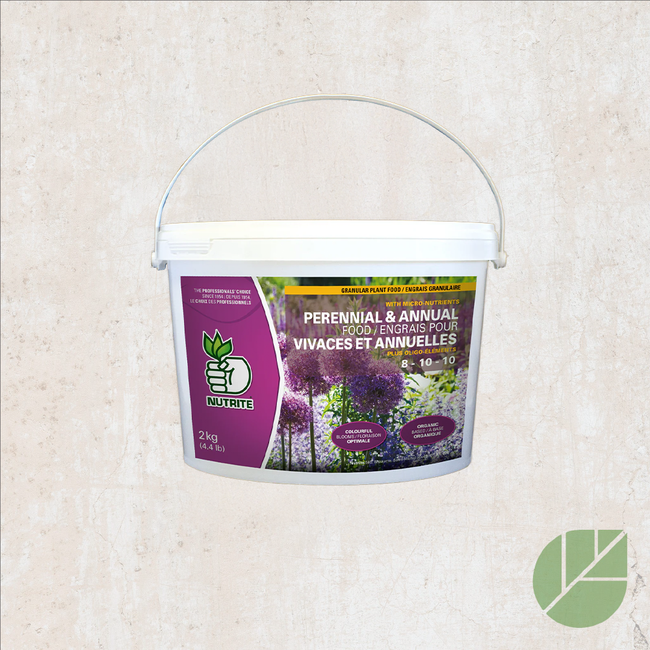
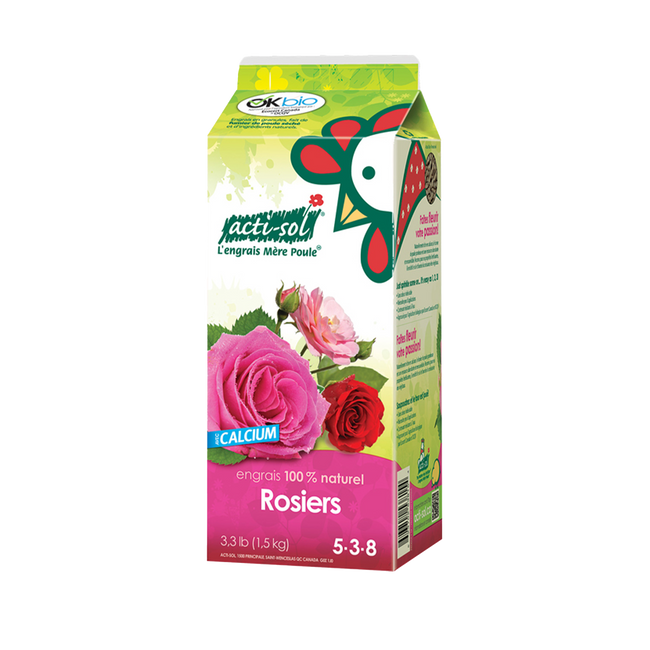
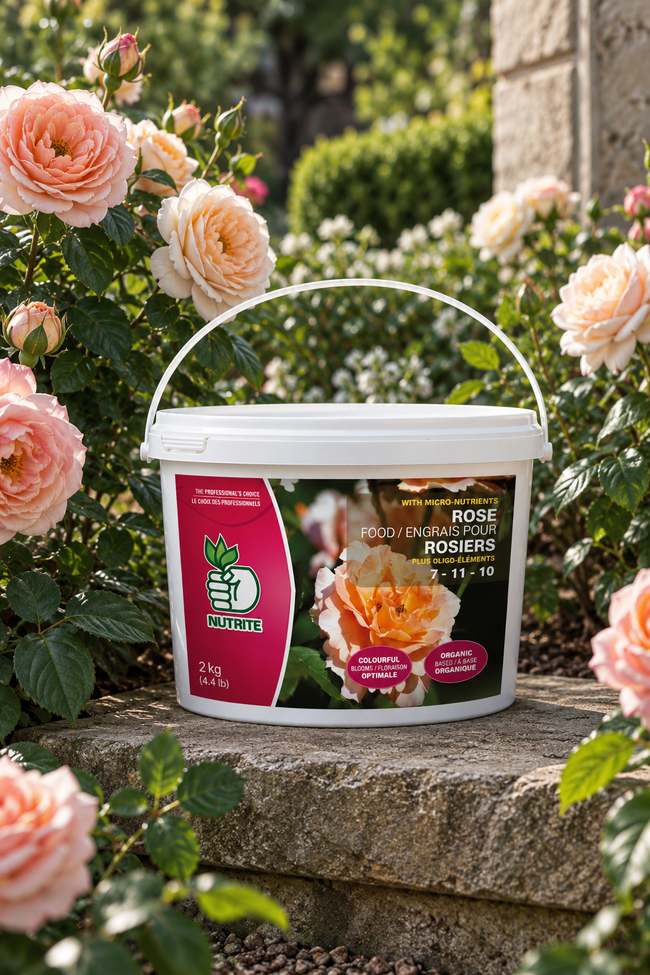
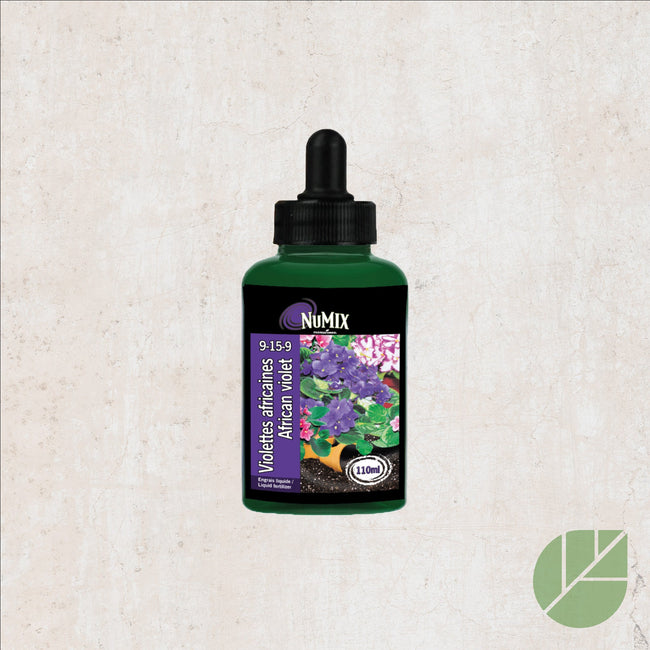
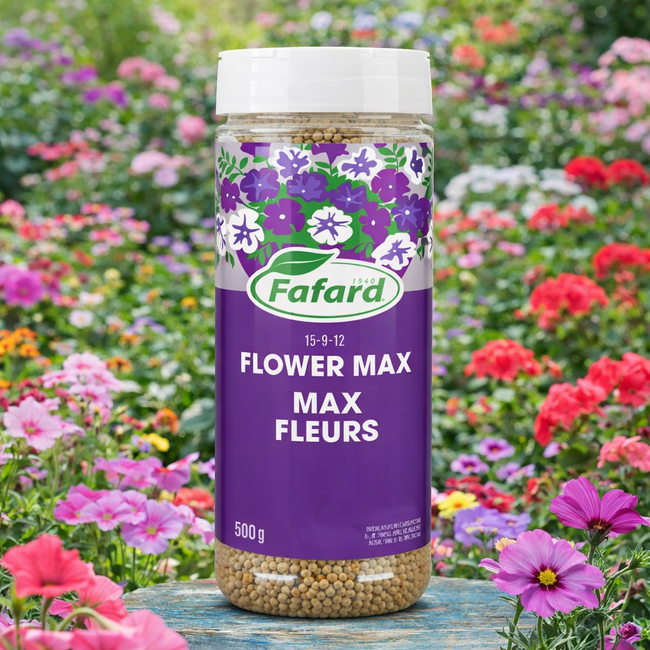
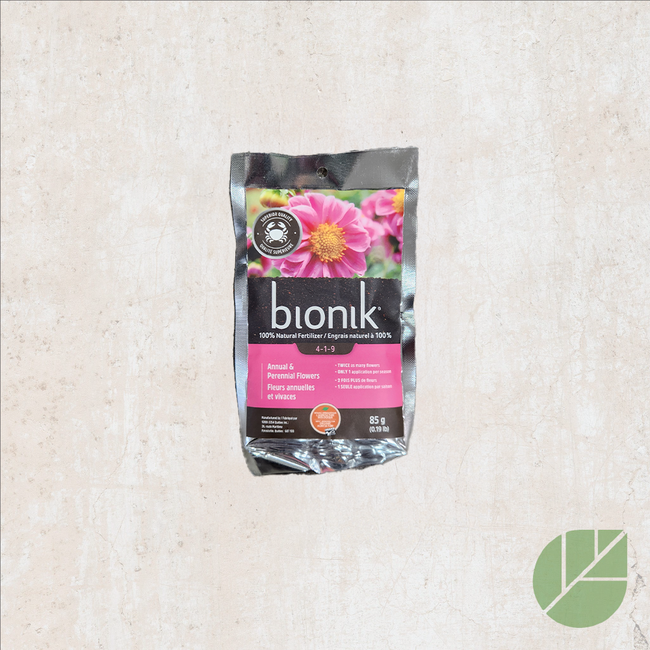
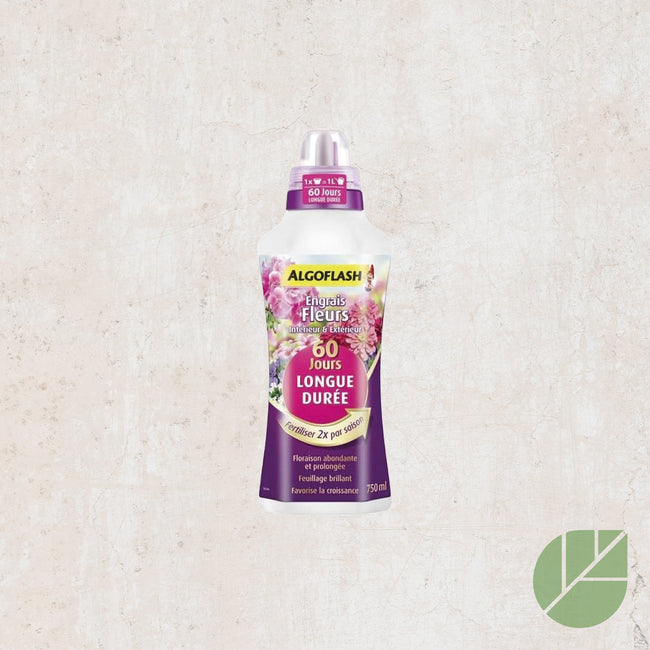
Flower and Bloom Fertilizer
Shop the collection
Hand Tools
Shop the collection