Sale
Sold out

Seeds
Alliaceae
Organic seeds
Onion ‘Gladstone’
Allium cepa
Product code : TOURNE-0105
‘Gladstone’ is an organic, open-pollinated white onion that develops medium to large round bulbs beneath pale skins. Its firm flesh has a mild, sweet flavour that works well raw in salads and sandwiches or cooked in soups, stir-fries, and roasted dishes. Start seeds indoors about eight weeks before spring transplanting. Place the plants in full sun and loose, fertile soil, leaving 10 to 15 cm between them. Maintain steady moisture to support their shallow roots. Harvest is expected approximately 110 days after planting, when the tops begin to fall and dry. Each packet contains 100 organic seeds for a sunny Canadian vegetable garden or a large container.
- Quantity
- 100 seeds
- Exposure
- Full sun
- Life cycle
- Biennial grown as an annual
- Hardiness
- Grown as an annual vegetable
Discover the plant
Common nameOnion ‘Gladstone’
FamilyAlliaceae
GenusAllium
Speciescepa
CultivarGladstone
TypeSeeds
Botanical nameAllium cepa
Reproducible seedsYes
Onion ‘Gladstone’ (Allium cepa) produces medium to large white bulbs with firm flesh and a mild, sweet flavour. These qualities make it enjoyable both raw and cooked: crisp slices brighten salads and sandwiches, while cooking develops a gentle sweetness suited to soups, stir-fries, and roasted dishes. Ferme Tourne-Sol offers this variety in a packet of 100 organic, open-pollinated seeds. Its approximately 110-day maturity gives Canadian gardeners a versatile white onion for a sunny vegetable garden, raised bed, or large container near the kitchen. The clean white bulbs are also easy to recognize at harvest.
Start seeds indoors about eight weeks before spring transplanting. Sow them 6 mm deep in a light seed-starting mix and keep the medium evenly moist until emergence. Once seedlings appear, provide abundant light to encourage compact foliage. After gradually hardening them off, transplant into full sun and loose, fertile, well-drained soil. Young onion plants tolerate frost, although careful acclimatization still reduces transplant stress. Space plants 10 to 15 cm apart so the medium to large bulbs can develop without excessive competition. Keep the growing point near soil level and firm the soil gently around the roots.
Onions have shallow roots, so water regularly whenever rainfall does not keep the soil lightly moist and weed carefully to avoid root damage. A thin mulch can reduce evaporation if the plant necks remain uncovered. Avoid heavy late-season nitrogen, which promotes foliage instead of bulb maturity. After approximately 110 days, watch the tops: when they fall and begin to dry, lift the bulbs during dry weather. Cure them under a well-ventilated shelter before cooking or short-term storage. In a container, ‘Gladstone’ needs a wide, deep planter and more frequent moisture checks throughout warm weather.

Sowing guide
It all startswith a seed.
Sowing depth
6 mm (1/4 in)
Spacing / density
10 to 15 cm (4 to 6 in) between plants
Germination temperature
10 to 24°C (50 to 75°F)
Germination time
7 to 14 days
Sowing period
Start indoors 8 weeks before transplanting. Plant in spring. Tolerates frost.
Propagation
Seed
Growing method
Sow ‘Gladstone’ onion indoors about eight weeks before the intended transplanting date. Cover seeds with 6 mm of fine, moist seed-starting mix, then keep the medium evenly damp without standing water. A temperature of 10 to 24°C supports germination, which generally occurs in 7 to 14 days. Move seedlings under abundant light as soon as they emerge, and trim the foliage lightly if it becomes excessively long. Harden plants gradually before setting them out in early spring; hardened seedlings tolerate frost. Choose full sun and loose, fertile, well-drained soil. Space plants 10 to 15 cm apart and keep the growing point near the surface. Water regularly because onion roots remain shallow. Weed carefully without cultivating deeply. A thin mulch helps stabilize moisture when necks remain uncovered. Avoid excessive nitrogen once bulbs begin enlarging. After approximately 110 days, harvest when the tops fall and start to dry, preferably during a rain-free period. Lift bulbs gently with a fork instead of pulling the foliage. Cure them for two to four weeks under a warm, dry shelter with good air circulation. Use any bruised or split bulb first. Label the row at transplanting and record the date so the stated 110-day maturity can be followed accurately in your own growing conditions.
Soil and care
The right care,at the right time.
Soil pH
6.0 to 7.8
Minimum temperature
Tolerates light frost after hardening
Care level
Easy to intermediate
Watering
Keep the seed-starting mix evenly moist during germination, then water deeply enough to moisten the full root zone. Onions have shallow roots and respond poorly to strong cycles of drought and saturation. Check soil regularly, especially in containers and while bulbs are enlarging. Water in the morning at soil level, and reduce irrigation when the tops fall before harvest so the bulbs can finish maturing.
Soil type
‘Gladstone’ prefers loose, fertile, well-drained soil that holds steady moisture without remaining waterlogged. Incorporate mature compost before planting to improve structure and fertility. Avoid compacted ground that restricts bulb expansion. A pH of 6.0 to 7.8 is suitable. In containers, use a quality potting mix and provide free drainage through several holes rather than using dense garden soil. Keep the surface free of crusting after heavy rain.
Fertilization
Before planting, amend the soil with mature compost. If fertility is low, apply a balanced fertilizer lightly during active growth according to label directions. Avoid excess nitrogen, especially once bulbs begin enlarging, because lush foliage can delay maturity. In containers, small, spaced applications can replace nutrients washed out by frequent watering without encouraging excessive leafy growth. Stop feeding as the tops begin to fall and dry.
Moisture
Consistent soil moisture
Seasonal care
In late winter, sow ‘Gladstone’ indoors about eight weeks before transplanting. Keep the mix moist and provide abundant light immediately after emergence. If leaves become very long, trim them lightly without damaging the growing point. In early spring, harden seedlings for about a week by gradually increasing outdoor exposure. Transplant into full sun as soon as the soil is workable; hardened young onions tolerate frost. Through spring and early summer, weed regularly because shallow onion roots compete poorly with unwanted plants. Maintain even moisture and renew a thin mulch when needed without covering the necks. Stop high-nitrogen feeding when bulbs begin to enlarge. Approximately 110 days after planting, observe the tops instead of relying only on the calendar. When they fall and dry, reduce watering and harvest during dry weather. Cure bulbs for two to four weeks under a warm, dry, well-ventilated shelter. Use damaged bulbs first and keep sound bulbs in a cool, dry, airy place for gradual kitchen use. Record sowing, transplanting, and harvest dates to improve timing in the following season. After heavy rain, make sure water is not collecting around plants and loosen only the surface crust. Inspect foliage for spots, unusual yellowing, or insect damage, and remove diseased debris instead of leaving it on the soil. Turn curing bulbs gently if one side remains damp. Label each batch and note important dates so timing can be adjusted in the following season.
Container growing
A garden,within reach.
Recommended pot size
Container at least 25 to 30 cm deep; 10 to 15 cm between plants
‘Gladstone’ can grow in a container when each bulb receives adequate space. Choose a planter at least 25 to 30 cm deep with several drainage holes. Its width determines the number of plants: keep 10 to 15 cm between them. Fill it with quality potting mix amended with mature compost rather than dense garden soil. Place the container where it receives at least six to eight hours of direct sun. Transplant hardened seedlings without burying their growing points. Water thoroughly, let the excess drain, and check moisture often because potting mix dries quickly in wind. A very thin mulch can slow evaporation, but leave the necks uncovered. Feed lightly if growth becomes pale and avoid heavy nitrogen applications. Rotate the container if a wall shades one side. When the tops fall, reduce watering, lift the bulbs, and cure them outside the planter in a ventilated location. Clean the container before the next crop and avoid reusing diseased potting mix. Raise the planter if water collects beneath it after rain. Inspect leaves weekly and remove only those that are fully dry or diseased. A wheeled stand makes a large planter easier to move toward better light. Replace any potting mix showing signs of disease before growing another allium crop.

Bloom and dimensions
Its place,in your garden.
Mature height
40 to 60 cm
Width / spread
10 to 15 cm
Foliage color
Green
Foliage type
Deciduous
Growth rate
Moderate
Growth habit
Upright foliage
Fragrance
Mild, sweet flavour
Fruiting
The harvested portion is a medium to large white bulb with firm flesh. Bulbs enlarge during long summer days when the foliage receives abundant sun and soil moisture remains steady. Maturity arrives in approximately 110 days. When the tops fall and dry, lift bulbs without bruising them, then cure them under a ventilated shelter before kitchen use. Firm, intact bulbs cure more successfully than damaged ones.
Days to maturity
110 days
Harvest
Approximately 110 days; harvest when tops fall and dry

Garden associations
In goodcompany.
Companion plants
Lettuce, beets, and carrots can share a bed with ‘Gladstone’ because they enjoy full sun, fertile soil, and steady moisture. These combinations mainly organize space and harvests; they do not guarantee protection from insects or disease. Keep 10 to 15 cm around each onion and prevent vigorous neighbours from shading its foliage. Weed gently to avoid damaging shallow roots. Use crop rotation and avoid growing onions, garlic, or other alliums continuously in the same location. Keep paths accessible so every row can be watered at soil level and inspected easily while bulbs enlarge. Label neighbouring crops clearly and preserve enough airflow between dense plantings.
Recipe idea
From the gardento your plate.
Edible parts
Bulbs and young leaves
Make a crisp salsa with one small ‘Gladstone’ onion. Dice the bulb very finely, then combine it with two seeded, chopped tomatoes, half a diced cucumber, the juice of one lime, one tablespoon of oil, a pinch of salt, and pepper. Add chopped cilantro or parsley to taste. Refrigerate for 15 minutes so the flavours blend. The firm white flesh keeps its texture, while the onion’s natural sweetness balances the acidity of the lime and tomatoes. Serve with corn chips, fish, tacos, or grilled vegetables. For an even milder result, soak the diced onion in cold water for five minutes, then drain it thoroughly before mixing. Refrigerate leftovers in a sealed container and use them promptly to preserve their fresh flavour and crunch. Add finely diced sweet pepper when a colourful variation is desired. Prepare the salsa shortly before serving and use a clean cutting board. Lemon can replace lime, and a small hot pepper adds heat when desired. Serve it cold for the crispest texture.
Frequently asked questions
Your questions,answered.
How should ‘Gladstone’ onion be sown?
Start seeds indoors about eight weeks before transplanting. Sow 6 mm deep in a fine, moist seed-starting mix. Keep moisture even without waterlogging the medium; at 10 to 24°C, emergence generally takes 7 to 14 days. Place seedlings under abundant light as soon as they appear. Harden them gradually, then transplant into full sun in early spring. Hardened young plants tolerate frost. Space them 10 to 15 cm apart in loose, fertile, well-drained soil. Keep the growing point near the surface, water immediately after planting, and weed gently around the shallow roots. Check moisture frequently while transplants establish and avoid burying the necks under heavy mulch.
What are the qualities of ‘Gladstone’ onion?
Ferme Tourne-Sol describes ‘Gladstone’ as a mild, sweet white onion with firm flesh that forms medium to large bulbs. This combination makes it versatile in the kitchen. Sliced raw, it adds crunch to salads, sandwiches, salsas, and quick pickles. Cooked, it becomes tender and develops gentle sweetness in soups, sauces, stir-fries, and roasted dishes. The variety reaches maturity in approximately 110 days. To support uniform bulbs, provide full sun, loose fertile soil, steady moisture, and 10 to 15 cm of spacing between plants. Harvest when the tops fall and begin to dry rather than relying only on the calendar. Its white colour also makes the bulbs easy to identify while lifting them from dark garden soil.
When should ‘Gladstone’ onion be harvested?
‘Gladstone’ reaches maturity in approximately 110 days, but the foliage provides the best harvest guide. Lift the bulbs when most tops have fallen and begun to dry. Choose a rain-free day, loosen the soil, and avoid bruising the bulbs. Cure them for two to four weeks under a warm, dry, well-ventilated shelter. The necks should feel tight and the outer skins should be dry before bulbs are put away. Use any cut, soft, or damaged bulbs promptly. Keep sound bulbs in a cool, dry, airy place protected from freezing and inspect them regularly. Do not wash onions before curing; gently remove loose soil only after the skins have dried.
Can ‘Gladstone’ onion be grown in a container?
Yes. Choose a container at least 25 to 30 cm deep with plenty of drainage holes and enough width to keep plants 10 to 15 cm apart. Use quality potting mix amended with mature compost and place the container in full sun. Transplant without burying the growing point. Water thoroughly, let excess water drain, and check moisture often because planters dry quickly. Light feeding is sufficient; too much nitrogen favours foliage over bulb growth. When the tops fall, reduce watering, harvest, and cure the bulbs outside the container under a ventilated shelter. Rotate the pot if a wall shades one side and keep the onion necks free of heavy mulch.
Are ‘Gladstone’ seeds organic and open-pollinated?
Yes. Ferme Tourne-Sol offers ‘Gladstone’ in a packet of 100 organic, open-pollinated seeds. Onion is biennial: it generally forms a bulb in the first year and flowers after a cold period. To maintain the variety, keep several healthy bulbs, cure them correctly, and replant them the following season. Onions cross readily with other varieties of the same species, so substantial isolation or a controlled-pollination method is necessary. Let the umbels mature fully, collect the black seeds, and dry them carefully before storage in a cool, dry, dark place. Label the packet with the variety and year, and test older seed before relying on it for a full planting.
Wildlife and pets
Life,around your plants.
Reported toxicity
Yes
For a great start to your seeds
The right extras.Right here.
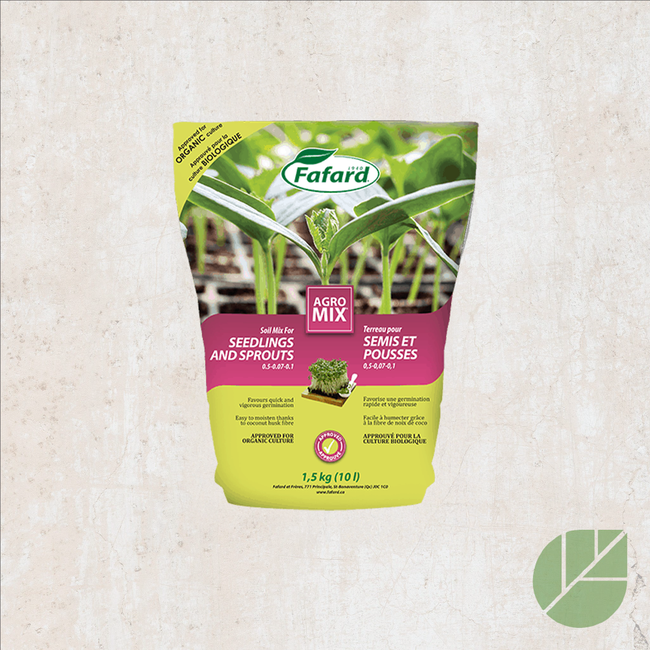
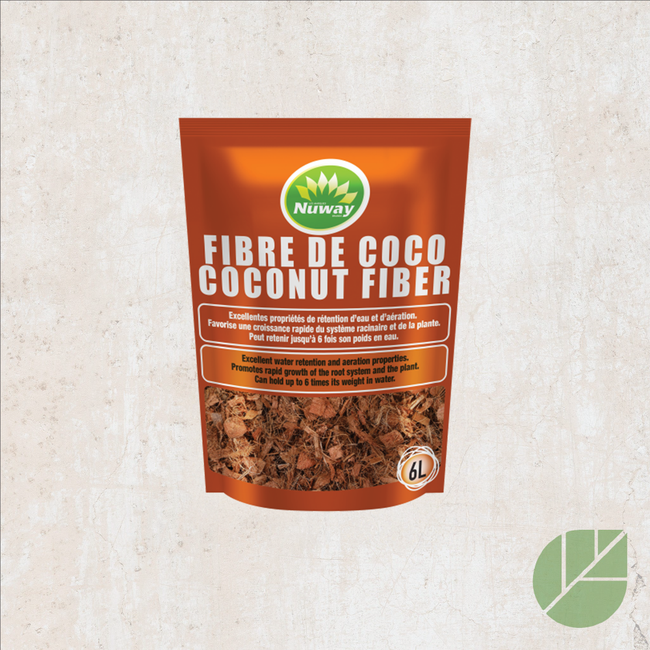
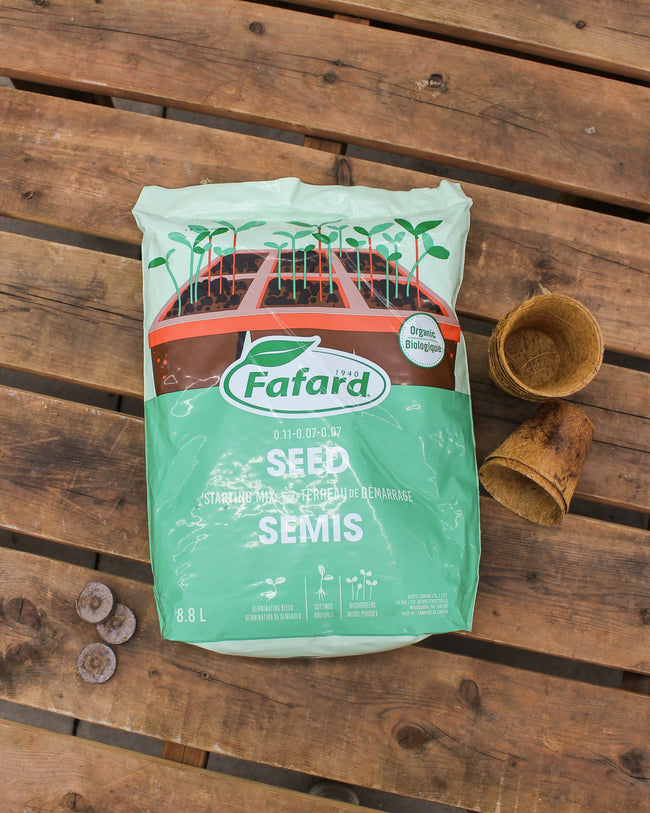
Seed Starting Soil
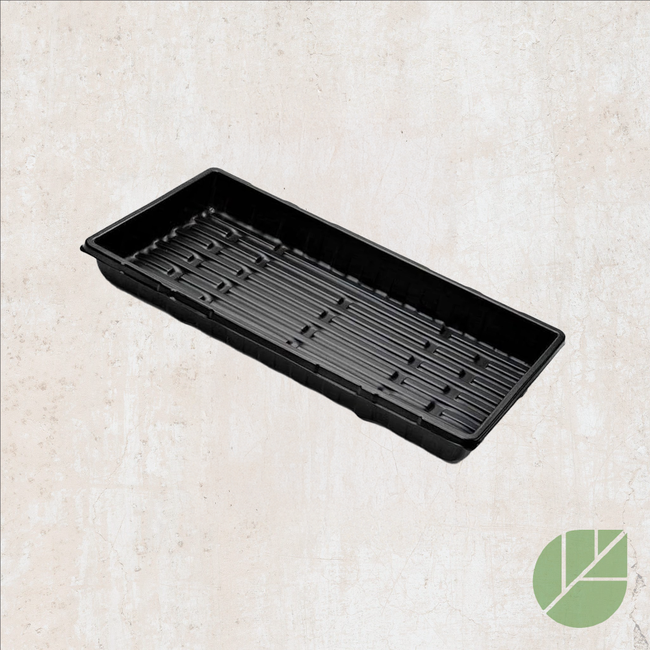
Shop the collectionSeed starting supplies
Shop the collection