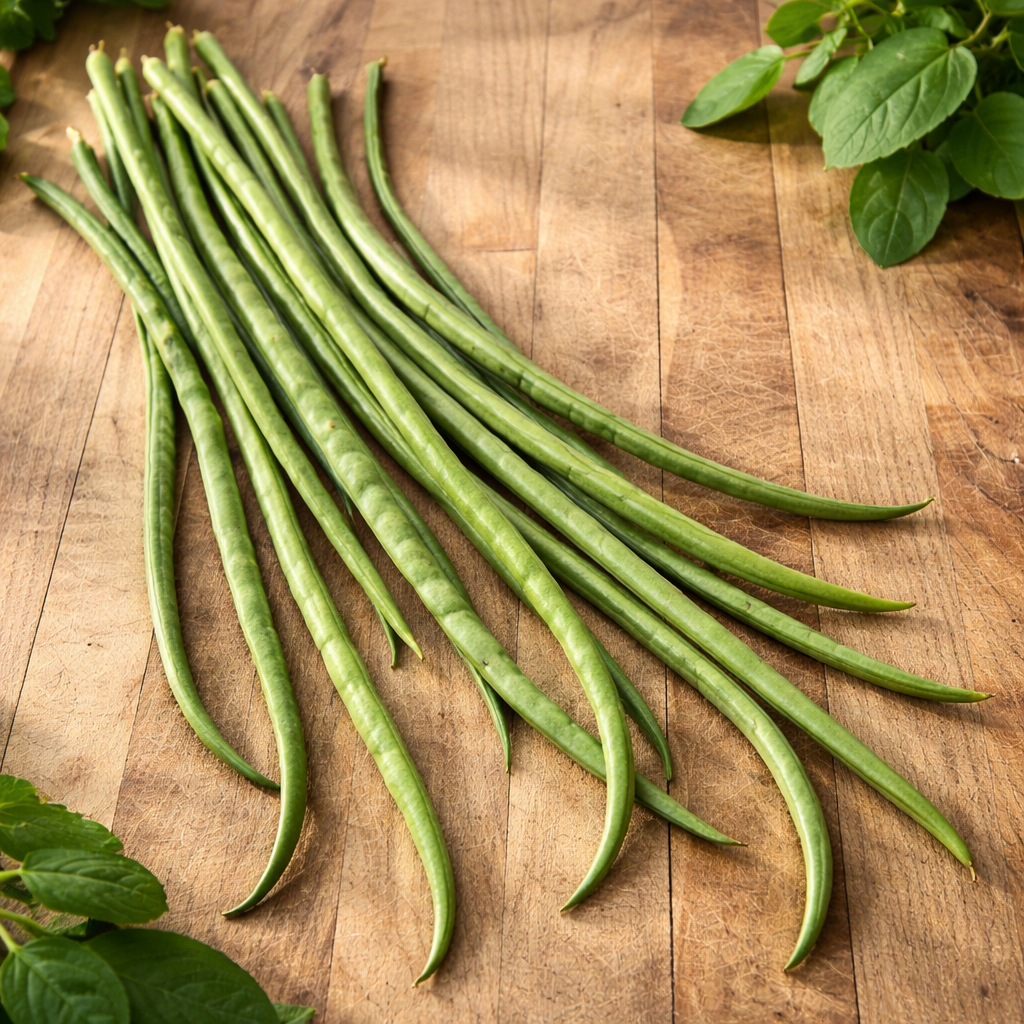
Yardlong bean 'Liana' organic

Yardlong bean 'Liana' organic
PÉPINIÈRE.CA

Yardlong bean 'Liana' organic

BACK-IN-STOCK ALERT

Don’t miss its return.

Leave your email and receive an alert when this product is available again.

An alert for this product only. No newsletter signup. Privacy

Organic seeds

Tourne-sol

Vigna unguiculata

Sold as 25 seeds

Sold out

Pay in 4 interest-free payments withSezzle

Delivery and pickup: view conditions

Product information
Advice adapted to Canada
Secure payment
Share
Common nameYardlong bean ‘Liana’
FamilyFabaceae
GenusVigna
Speciesunguiculata
CultivarLiana
TypeSeeds
Botanical nameVigna unguiculata
Reproducible seedsYes

Yardlong bean 'Liana' organic (Vigna unguiculata) produces green pods measuring 60 to 90 cm (2 to 3 ft) long that hang from tall climbing plants. In Tourne-Sol’s trials, this cultivar from Southern Exposure Seed Exchange was the clear winner: it appeared weeks earlier than every other variety and produced large quantities of delicious green pods. Packet BN554-a contains approximately 25 organic, open-pollinated seeds. Their flavour resembles green beans with a fresher, crisp edge that some compare to asparagus. The extraordinary pod length also creates a memorable vertical feature in an edible garden. These hanging pods are easy to recognize.

Direct sow outdoors after the last frost once the soil has warmed because the plants are frost tender. Tourne-Sol recommends starting outdoors and planting once per season. Install a tall, sturdy trellis before or at sowing time to support the vigorous vines and very long pods. The farm confirms outdoor production in zone 5. Performance in zone 4 remains uncertain on its product page; a warm, sheltered location or tunnel protection may extend favourable conditions without guaranteeing the same result. Check the support after wind and return displaced vines gently.

Harvest the green pods at approximately 45 cm (18 in) for the best flavour, then cook them thoroughly before serving. Frequent picking helps capture pods while they are still tender and crisp, before they become fibrous. Tourne-Sol does not list a number of days to maturity for ‘Liana’, so length, colour, and texture provide the most useful harvest indicators. Pods and beans should be eaten fully cooked, while the leaves and stems are not edible. To save seed, allow several pods to mature and dry completely on healthy plants. Label the dry seed clearly and store it away from moisture. Keep saved seed clearly labelled.

In the garden

Exposure
Full sun
Life cycle
Annual

Sowing guide

Sowing & germination

Sowing depth

2.5 cm (1 in)

Spacing / density

15 to 20 cm (6 to 8 in) between plants

Germination temperature

18 to 29°C (65 to 85°F)

Germination time

5 to 10 days

Sowing period

Sow after the last frost. Frost tender

Propagation

Seed

Growing method

To grow Yardlong bean ‘Liana’, sow in a light seed-starting mix or directly in the garden when the conditions listed on the packet and this page are met. Keep the seedbed evenly moist without saturating it. Once seedlings emerge, abundant light helps produce compact, balanced plants. The crop prefers full sun. Transplant gently when needed to protect the roots. In the garden, spacing should reflect mature size and air circulation. Water at soil level to limit splashing on the foliage. Development remains influenced by temperature and day length. The trellis, exceptional pod length, and green colour provide cultivar-specific markers throughout this crop. Monitor warmth, climbing stems, and pod tenderness to choose the best harvest stage. For best results, choose a suitable location and keep moisture steady while the plants become established. This practical approach works well for both first-time gardeners and people with an established vegetable garden. Successive sowings can be considered when the growing season, available space, and crop type make them appropriate. A light mulch can help stabilize soil moisture while reducing competition from unwanted plants. Harvest or flowering can be monitored regularly so the variety can be enjoyed at its best stage.

Soil and care

Soil & care

Care level

Easy

Watering

Water Yardlong bean ‘Liana’ to maintain even moisture during germination, then provide deeper soakings after establishment. The surface may dry slightly between waterings, but the root zone should not dry out completely. Morning watering at soil level reduces losses and helps keep the foliage dry. The trellis, exceptional pod length, and green colour provide cultivar-specific markers throughout this crop. Check moisture beneath the surface before watering again.

Soil type

Yardlong bean ‘Liana’ prefers loose, fertile, well-drained soil that holds even moisture without remaining waterlogged. Mature compost improves structure and supports soil life. In containers, use a high-quality potting mix instead of dense garden soil. The trellis, exceptional pod length, and green colour provide cultivar-specific markers throughout this crop. Monitor warmth, climbing stems, and pod tenderness to choose the best harvest stage.

Fertilization

Yardlong bean ‘Liana’ benefits from soil amended with mature compost before planting. A light, balanced fertilizer can be added if growth slows or the crop remains in a container for an extended season. Avoid excess nitrogen, which may favour foliage over production. The trellis, exceptional pod length, and green colour provide cultivar-specific markers throughout this crop. Assess vine vigour before adding more fertilizer during the season.

Seasonal care

Early in the season, Yardlong bean ‘Liana’ benefits from stable sowing conditions and even moisture until germination. Young plants need sufficient light and protection from abrupt temperature changes. After establishment, watering can become deeper and less superficial, depending on weather and soil texture. A light mulch helps conserve moisture during warm periods. Remove competing weeds without disturbing the roots. Regular harvesting lets gardeners enjoy the preferred stage while monitoring continued production. Healthy residues can be composted at the end of the season, while plants showing unusual symptoms are removed from the garden. The trellis, exceptional pod length, and green colour provide cultivar-specific markers throughout this crop. Monitor warmth, climbing stems, and pod tenderness to choose the best harvest stage. For best results, choose a suitable location and keep moisture steady while the plants become established. This practical approach works well for both first-time gardeners and people with an established vegetable garden. Successive sowings can be considered when the growing season, available space, and crop type make them appropriate. A light mulch can help stabilize soil moisture while reducing competition from unwanted plants. Harvest or flowering can be monitored regularly so the variety can be enjoyed at its best stage. Results may vary with temperature, light, soil conditions, and the specific microclimate of each garden. Check the support again as exceptionally long pods add weight to the vines.

Container growing

Container growing

Recommended pot size

20 to 30 L (5 to 8 gal) container with a trellis
Yardlong bean ‘Liana’ can be grown in a container when the soil volume matches its development and the pot has effective drainage holes. A loose, high-quality mix enriched with organic matter provides a sound base. Place the container where it receives full sun, while keeping it accessible for moisture checks. Potting mix dries faster than garden soil, especially during hot or windy weather. Water thoroughly, then allow all excess water to drain. Light feeding may support continued growth if the mix becomes depleted. The mature habit guides the choice of container width and depth. The trellis, exceptional pod length, and green colour provide cultivar-specific markers throughout this crop. Monitor warmth, climbing stems, and pod tenderness to choose the best harvest stage. For best results, choose a suitable location and keep moisture steady while the plants become established. This practical approach works well for both first-time gardeners and people with an established vegetable garden. Successive sowings can be considered when the growing season, available space, and crop type make them appropriate. A light mulch can help stabilize soil moisture while reducing competition from unwanted plants. A warm, sheltered position improves container performance.
Yardlong bean 'Liana' organic

Size, flowering & harvest

Foliage color

Green

Foliage type

Herbaceous

Growth rate

Moderate

Growth habit

Climbing with tendrils or twining stems

Edible parts

Pods and beans when fully cooked; leaves and stems are not edible

Fruiting

Production in Yardlong bean ‘Liana’ develops according to warmth, light, watering, and soil fertility. Harvesting at the recommended stage supports the desired quality. Regular garden checks help identify produce that is ready and reduce losses caused by overly advanced maturity. The trellis, exceptional pod length, and green colour provide cultivar-specific markers throughout this crop. Monitor warmth, climbing stems, and pod tenderness to choose the best harvest stage.

Days to maturity

80 days

Harvest

Harvest long green pods near 45 cm (18 in) while still tender and crisp; Tourne-Sol does not list a number of days to maturity
Yardlong bean 'Liana' organic

Garden associations

Companion plants & uses

Companion plants

Yardlong bean ‘Liana’ can be paired with plants that require comparable light, soil, and watering. Groupings are easier to maintain when each plant keeps enough space and receives sufficient light. Suggested companions are primarily planning tools; undocumented incompatibilities should not be treated as absolute rules. The trellis, exceptional pod length, and green colour provide cultivar-specific markers throughout this crop. Monitor warmth, climbing stems, and pod tenderness to choose the best harvest stage. For best results, choose a suitable location and keep moisture steady while the plants become established. Plan the support carefully.

Garden use

Yardlong bean ‘Liana’ works well in vegetable gardens, raised beds, and edible landscapes. The harvest can be incorporated into meals according to the edible portion and preferred stage, while a few plants may be left to complete their full cycle. Its format also suits teaching gardens and collections of organic varieties. The trellis, exceptional pod length, and green colour provide cultivar-specific markers throughout this crop. Monitor warmth, climbing stems, and pod tenderness to choose the best harvest stage. Its exceptional pod length also adds strong vertical interest.

Recipe idea

From garden to table

Harvest the green pods near 45 cm (18 in) while still tender, rinse them under safe running water, and trim the ends. Do not taste them raw. Cut into shorter pieces and cook thoroughly in boiling water, steam, or a hot pan until tender. Season after cooking with a little oil, lemon, and herbs. For dry beans, allow pods to mature completely, shell them, and remove damaged beans. Soak, discard the water, rinse, and boil in fresh water using a tested method. A low-temperature slow cooker should not be the only method used for raw dry legumes. Wash hands and work surfaces, refrigerate leftovers promptly, and do not eat the leaves or stems. Keep saved seed clearly separate from the food harvest. Serve the cooked pieces warm as a side dish or cool them promptly for a salad. Their green colour and texture remain appealing when cooking is monitored. Always follow current food-safety guidance for legumes, discard any beans showing spoilage, and use clean utensils when serving.

Frequently asked questions

Frequently asked questions

How should Yardlong bean ‘Liana’ be sown?
Sow Yardlong bean ‘Liana’ in a light, moist medium at the depth shown on the packet or in the technical information on this page. Keep moisture steady until emergence without saturating the mix. Once seedlings appear, abundant light supports compact growth. Direct sowing is suitable when the soil is warm enough and frost risk has passed for sensitive crops. Indoor sowing can extend the season for plants that need more warmth. After emergence, thinning keeps the best-positioned seedlings and limits competition. The trellis, exceptional pod length, and green colour provide cultivar-specific markers throughout this crop. Monitor warmth, climbing stems, and pod tenderness to choose the best harvest stage.
What exposure is suitable for Yardlong bean ‘Liana’?
Yardlong bean ‘Liana’ prefers full sun. Light quality directly affects vigour, flowering, or production. An open site generally improves air circulation and makes plants easier to monitor. In a very warm garden, light protection during the hottest hours may suit crops that tolerate partial shade, but it does not replace the species’ basic light requirements. Keep the soil loose, well drained, and evenly moist. In containers, orientation and heat reflected from nearby walls may change watering needs quickly. The trellis, exceptional pod length, and green colour provide cultivar-specific markers throughout this crop. Monitor warmth, climbing stems, and pod tenderness to choose the best harvest stage.
When should Yardlong bean ‘Liana’ be harvested?
Harvest Yardlong bean ‘Liana’ at the stage recommended for the variety and the intended use. Exact timing varies with the sowing date and growing conditions. Temperature, light, watering, and fertility may speed or delay development. Visual observations remain important: size, colour, firmness, and texture provide useful indicators. Check the garden regularly to harvest at the best time while leaving younger produce to continue developing. The trellis, exceptional pod length, and green colour provide cultivar-specific markers throughout this crop. Monitor warmth, climbing stems, and pod tenderness to choose the best harvest stage. For best results, choose a suitable location and keep moisture steady while the plants become established.
Can Yardlong bean ‘Liana’ be grown in a container?
Yardlong bean ‘Liana’ can be grown in a pot when the container provides enough depth and volume for its roots. Drainage holes are essential, along with a quality mix that remains aerated after watering. Place the container where it receives full sun, and keep it accessible for moisture checks because pots dry faster than garden soil. Water thoroughly and allow excess moisture to drain completely. Light feeding may be helpful over a long season. Mature size guides the choice of diameter, stability, and any support the plant may require. The trellis, exceptional pod length, and green colour provide cultivar-specific markers throughout this crop.
Are Yardlong bean ‘Liana’ seeds organic and open-pollinated?
Yes. Ferme Tourne-Sol presents the seeds for Yardlong bean ‘Liana’ as organic and open-pollinated. They can therefore be saved when the plant completes its cycle and pollination is managed to preserve the variety. Seed saving still requires attention to isolation distance, a suitable plant population, and the correct maturity stage. Some species cross readily with related varieties growing nearby. For a first attempt, label plants clearly, observe flowering, and dry harvested seed completely before storage. The trellis, exceptional pod length, and green colour provide cultivar-specific markers throughout this crop. Monitor warmth, climbing stems, and pod tenderness to choose the best harvest stage. Store the finished seed in a dry, clearly labelled container away from food beans.

Seed-starting essentials

Click a product to build your selection.

Your selection

Total