Organic seeds

Onion ‘Rossa di Milano’

Allium cepa

Product code : TOURNE-0106

‘Rossa di Milano’ red onion is an Italian heirloom that forms large storage bulbs with gently flattened tops. These organic, open-pollinated seeds suit gardeners who want a colourful, flavourful onion that can be enjoyed through winter. Start seeds indoors about eight weeks before transplanting, then move the plants to full sun in loose, fertile, well-drained soil. Consistent moisture supports good bulb development. Harvest when the tops fall and begin to dry, then cure the onions in a warm, airy location before storage. Each packet contains approximately 100 seeds, making it practical for vegetable gardens, raised beds, and carefully managed containers.
4 49 $
Pay in 4 interest-free payments with Sezzle
Detailed plant guide
Advice adapted to Canada
Secure payment
Share
Quantity
100 seeds
Exposure
Full sun
Life cycle
Biennial grown as an annual

Discover the plant

Common nameOnion ‘Rossa di Milano’
FamilyAlliaceae
GenusAllium
Speciescepa
CultivarRossa di Milano
TypeSeeds
Botanical nameAllium cepa
Reproducible seedsYes
Heirloom varietyYes

Onion ‘Rossa di Milano’ (Allium cepa) is an Italian heirloom that produces large red storage bulbs with gently flattened tops. Its name means “Red of Milan”: the variety originated in Lombardy in northern Italy, where its bulbs were sold in Milan markets. These organic, open-pollinated seeds grow into flavourful storage onions that can extend the garden harvest into winter meals. Each packet contains approximately 100 seeds. Its rich colour, distinctive history, and storage qualities make it an appealing choice for Canadian gardeners who want to add a reliable European heirloom to their vegetable garden.

For a productive season, start the seeds indoors about eight weeks before transplanting. Sow them 6 mm deep, keep the mix evenly moist, and provide abundant light as soon as seedlings emerge. Transplant in spring to a full-sun location; young onion plants tolerate frost. Loose, fertile, well-drained soil with plenty of organic matter supports even bulb development. Space plants 10 to 15 cm apart. Because onions have shallow roots, steady moisture and careful, shallow weeding are especially important. Avoid damaging the developing bulbs, and keep nearby weeds from competing for water, light, and nutrients throughout the growing season.

Harvest when roughly half the tops have fallen and begun to dry instead of relying on a fixed number of days. Lift the bulbs carefully, then cure them for two to four weeks in a warm, dry, well-ventilated area until the necks are tight and the outer skins are dry. Store cured bulbs in a cool, dry, airy place protected from freezing. ‘Rossa di Milano’ can be sliced raw, roasted, grilled, or slowly caramelized. Its red colour and Italian heritage bring visual and culinary interest to home-grown meals, while its storage habit helps gardeners enjoy part of the summer harvest well beyond the growing season.

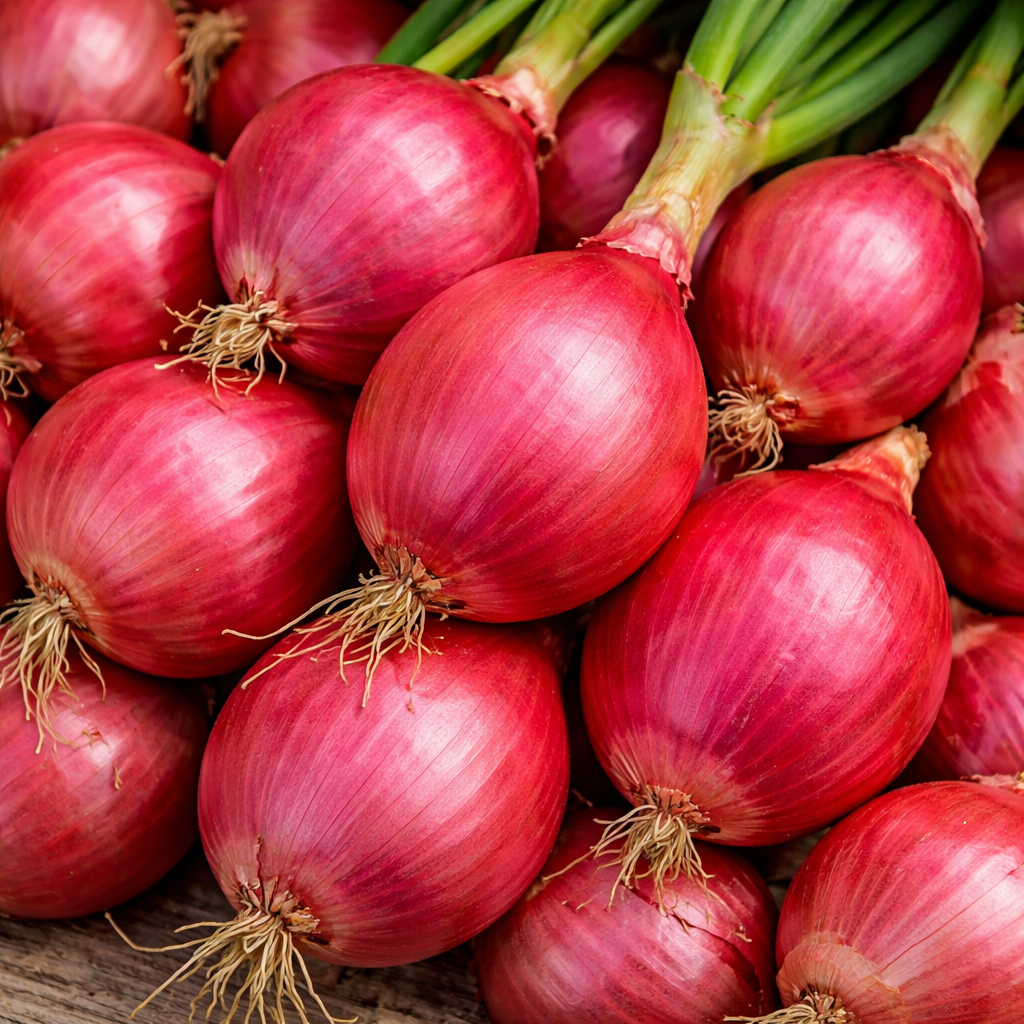
Packet of 100 organic ‘Rossa di Milano’ red onion seeds (Allium cepa), an Italian heirloom producing large, slightly flattened storage bulbs. This image helps Canadian gardeners identify the Tourne-Sol product. The open-pollinated seeds grow flavourful red onions that can be harvested, properly cured, and stored for use in home-cooked meals through the winter.

Sowing guide

It all startswith a seed.

Sowing depth

6 mm (1/4 in)

Spacing / density

10 to 15 cm (4 to 6 in) between plants

Germination temperature

10 to 24°C (50 to 75°F)

Germination time

7 to 14 days

Sowing period

Start indoors about 8 weeks before transplanting; set plants out in spring. Young plants tolerate frost.

Propagation

Seed

Growing method

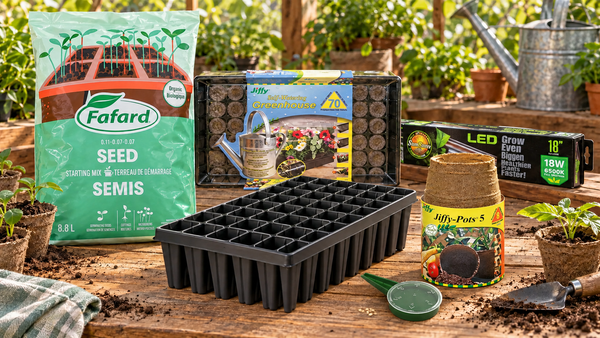
Start ‘Rossa di Milano’ onion indoors about eight weeks before the planned transplanting date. Sow the seeds 6 mm deep in a fine, lightly moistened seed-starting mix. They germinate between 10 and 24°C; steady, moderate warmth generally encourages quicker emergence. As soon as seedlings appear, provide abundant light and keep the mix evenly moist without waterlogging it. Gradually harden the young plants to outdoor conditions, then transplant them early in spring to a full-sun site. Young onion plants tolerate frost. Space them 10 to 15 cm apart so the bulbs have room to expand. Choose loose, fertile, organic-rich, well-drained soil. Because onion roots remain shallow, water regularly and remove weeds without cultivating deeply. A light mulch can reduce competition and stabilize moisture. Avoid late applications of excess nitrogen, which may delay maturity and produce thick necks that cure poorly. Watch the plants instead of counting toward a fixed harvest date, since the supplier provides no maturity number. When about half the tops fall and begin to dry, reduce watering, lift the bulbs carefully, and cure them in warm, dry, moving air for two to four weeks before storage. Keep only sound, fully dried bulbs for long-term use.

Soil and care

The right care,at the right time.

Soil pH

6.0 to 7.8

Care level

Easy

Watering

Onions have shallow roots and need steady moisture to develop good bulbs. Water gently after sowing, then keep the soil evenly moist without saturating it. Apply water at soil level, preferably in the morning, whenever the surface begins to dry. A light mulch reduces evaporation. Cut back watering when the tops start to fall so the bulbs can prepare for harvest and curing.

Soil type

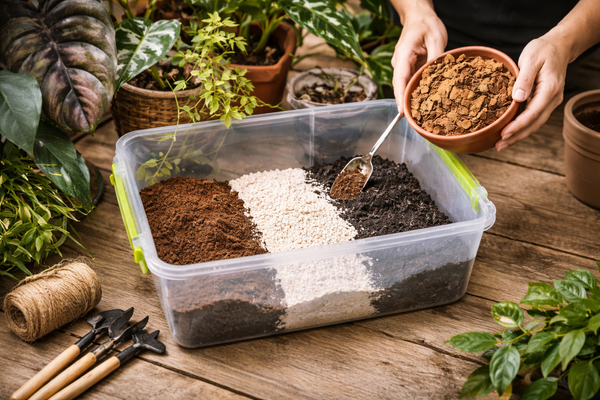
This variety prefers loose, fertile, well-drained soil rich in organic matter, with a pH of about 6.0 to 7.8. A fine texture supports rooting and lets the bulb expand without restriction. Work mature compost into the bed before planting, and avoid compacted or waterlogged areas. In containers, use a high-quality vegetable potting mix instead of heavy garden soil, and make sure excess water drains freely.

Fertilization

Prepare the bed with mature compost and base additional feeding on a soil test whenever possible. Balanced nutrition early in the season can support the foliage that feeds the developing bulb. Avoid excess nitrogen, especially late in the season, because it can delay maturity, produce thick necks that are difficult to cure, and reduce the onions’ storage quality after harvest.

Seasonal care

In late winter, start ‘Rossa di Milano’ indoors about eight weeks before planting. Keep the mix moist and provide abundant light as soon as seedlings emerge. In early spring, harden them gradually, then transplant into full sun when the soil is workable; young onions tolerate frost. Space plants 10 to 15 cm apart and water immediately. Through spring and early summer, maintain steady moisture because shallow roots dry quickly. Weed carefully and apply a light mulch without covering the necks. Mature compost or balanced early feeding supports growth, but avoid excess late nitrogen, which delays maturity. Monitor the foliage and remove badly diseased plants instead of leaving contaminated debris. When about half the tops fall and dry, reduce watering. Choose a dry day to lift the bulbs without bruising them. Cure them for two to four weeks in a warm, dry, well-ventilated area. Once the necks are tight and skins are dry, trim the tops unless you plan to braid them. Store only sound bulbs in a cool, dry, airy place protected from freezing. Check them periodically and promptly use any onion that softens or begins to spoil. Keep stored bulbs away from excessive humidity and allow air to circulate around them. Rotate alliums to a different bed in following seasons to reduce soil-borne disease pressure and support healthier future harvests.

Container growing

A garden,within reach.

Recommended pot size

10 to 20 L (2.5 to 5 gal) container at least 20 cm (8 in) deep
‘Rossa di Milano’ onion can grow in a container when plants receive full sun and enough room to form bulbs. Choose a stable pot at least 20 cm deep with several drainage holes. A volume of 10 to 20 litres holds a few onions, while a wider planter produces a more generous harvest. Fill it with loose, fertile vegetable potting mix rich in organic matter. Start seeds indoors as you would for an in-ground crop, then transplant seedlings 10 to 15 cm apart. Keep the necks near the surface and avoid burying the developing bulbs deeply. Containers dry quickly, so check moisture with a finger and water at soil level when the surface starts to dry. Always let excess water drain and empty saucers. A very light mulch reduces evaporation but should not hold moisture against the necks. Moderate balanced feeding may help early in the season; avoid high-nitrogen fertilizer later. Rotate the container if plants lean toward the light, and keep vigorous neighbouring pots from shading the leaves. When the tops fall, reduce watering, lift the bulbs, and cure them outside the container in a warm, dry, well-ventilated place before storage. Check that the necks and outer skins are completely dry before storing the harvest.
Onion ‘Rossa di Milano’ (Allium cepa)

Bloom and dimensions

Its place,in your garden.

Foliage color

Green

Foliage type

Herbaceous

Growth rate

Slow

Growth habit

Upright clumping habit

Fruiting

Onions do not produce a harvested fruit like tomatoes; the useful crop is the bulb that enlarges at the base of the leaves. Bulb development depends on day length, light, spacing, moisture, and fertility. Bulbs approach maturity when the tops soften, fall over, and begin to dry. The supplier does not specify a fixed number of days to maturity for this variety, so visible maturity signs are the best guide.

Harvest

Harvest when about half the tops fall and dry; cure the bulbs before storage
Packet of 100 organic ‘Rossa di Milano’ red onion seeds (Allium cepa), an Italian heirloom producing large, slightly flattened storage bulbs. This image helps Canadian gardeners identify the Tourne-Sol product. The open-pollinated seeds grow flavourful red onions that can be harvested, properly cured, and stored for use in home-cooked meals through the winter.

Garden associations

In goodcompany.

Companion plants

Onions can share a bed with vegetables that enjoy full sun, fertile soil, and regular moisture, including lettuce, beets, or carrots. Use these combinations mainly to organize space and watering, since companion planting does not replace sound crop rotation. Keep 10 to 15 cm around each onion and prevent vigorous neighbours from shading the leaves. Remove weeds gently because onion roots are shallow. To reduce soil-borne disease pressure, avoid planting onions or other alliums in the same location year after year.

Recipe idea

From the gardento your plate.

Edible parts

Bulbs and young leaves
To make caramelized ‘Rossa di Milano’ red onions, thinly slice two properly cured bulbs. Heat one tablespoon of oil or butter in a wide skillet, add the onions and a small pinch of salt, then cook over low heat for 25 to 35 minutes. Stir regularly so the slices become soft, golden, and sweet without burning. Add a splash of water if they begin to stick. Finish with a few drops of balsamic or cider vinegar. Serve on pizza, in sandwiches, with roasted vegetables, or alongside cheese. For a quick open-faced sandwich, spread the warm onions over toasted bread and add Canadian cheese with a few thyme leaves. Tender leaves removed while thinning can be chopped like chives into an omelette or potato salad. Always wash the harvest, peel the bulbs, and remove damaged portions before cooking. Refrigerate leftovers promptly in a covered container and use them within the next few days for best flavour.

Frequently asked questions

Your questions,answered.

How should Onion ‘Rossa di Milano’ be sown?
Start seeds indoors about eight weeks before spring transplanting. Sow them 6 mm deep in a fine, moist seed-starting mix and maintain a temperature of 10 to 24°C. Keep the medium evenly moist without standing water. As soon as seedlings emerge, provide abundant light so they remain compact. Before planting, gradually acclimate them to outdoor sun, wind, and temperatures. Transplant in spring into loose, fertile, well-drained soil, leaving 10 to 15 cm between plants. Young onions tolerate frost, allowing an early start once the soil is workable and the garden bed is ready. Water immediately after transplanting and keep weeds from competing with the shallow roots.
What exposure is suitable for Onion ‘Rossa di Milano’?
‘Rossa di Milano’ onion prefers full sun. Abundant light feeds the leaves, which then supply energy for bulb formation. Choose an open location receiving at least six hours of direct sun with fertile, well-drained soil. Prevent taller neighbouring crops from casting shade, and space plants 10 to 15 cm apart. In containers, keep pots away from highly reflective walls that can speed drying. Monitor moisture because shallow onion roots do not perform well in repeatedly dry soil. Good air movement helps foliage dry after rain, but the site should not expose young plants to constant drying wind. Consistent light, moisture, and spacing work together to support healthy leaves and even bulb development.
When should Onion ‘Rossa di Milano’ be harvested?
Ferme Tourne-Sol does not provide a fixed number of days to maturity for ‘Rossa di Milano’. Use natural signs instead: bulbs are ready when about half the tops soften, fall over, and begin to dry. Choose a dry period, lift the onions gently, and avoid bruising their skins. For storage, spread them in a warm, dry, well-ventilated area for two to four weeks, until the necks are tight and the outer skins are dry. Set damaged bulbs aside for prompt use, then store sound bulbs in a cool, dry place with air circulation and protection from freezing. Check stored onions periodically and remove any that soften or decay.
Can Onion ‘Rossa di Milano’ be grown in a container?
Yes. Choose a container at least 20 cm deep with several drainage holes and enough width to leave 10 to 15 cm between plants. A 10- to 20-litre pot can hold a few onions, while a larger planter supports a bigger harvest. Fill it with a loose, fertile vegetable potting mix and place it in full sun. Containers dry faster than garden beds, so check moisture often and water when the surface starts to dry without leaving standing water in a saucer. Reduce watering when the tops fall, then remove and cure the bulbs outside the pot before placing them in storage.
Are Onion ‘Rossa di Milano’ seeds organic and open-pollinated?
Yes. Ferme Tourne-Sol presents ‘Rossa di Milano’ as an organic, heirloom, open-pollinated variety. Open-pollinated seed can produce true-to-type offspring when the variety is isolated from other flowering onions. Onion is biennial: it normally forms a bulb during the first year, then flowers and produces seed after exposure to a cold period. Saving seed therefore requires keeping several healthy bulbs, overwintering them correctly, and controlling crosses with nearby varieties. Gardeners who only want onions can grow the crop as an annual and harvest the bulbs in the first season. The packet of 100 seeds provides enough for a generous row while supporting the continued cultivation of this historic Italian variety.

Wildlife and pets

Life,around your plants.

Reported toxicity

Yes