

Sale
Sold out

Seeds
Solanaceae
Organic seeds
Hot pepper ‘Hot Chocolate Cherry’
Capsicum annuum
Product code : TOURNE-0114
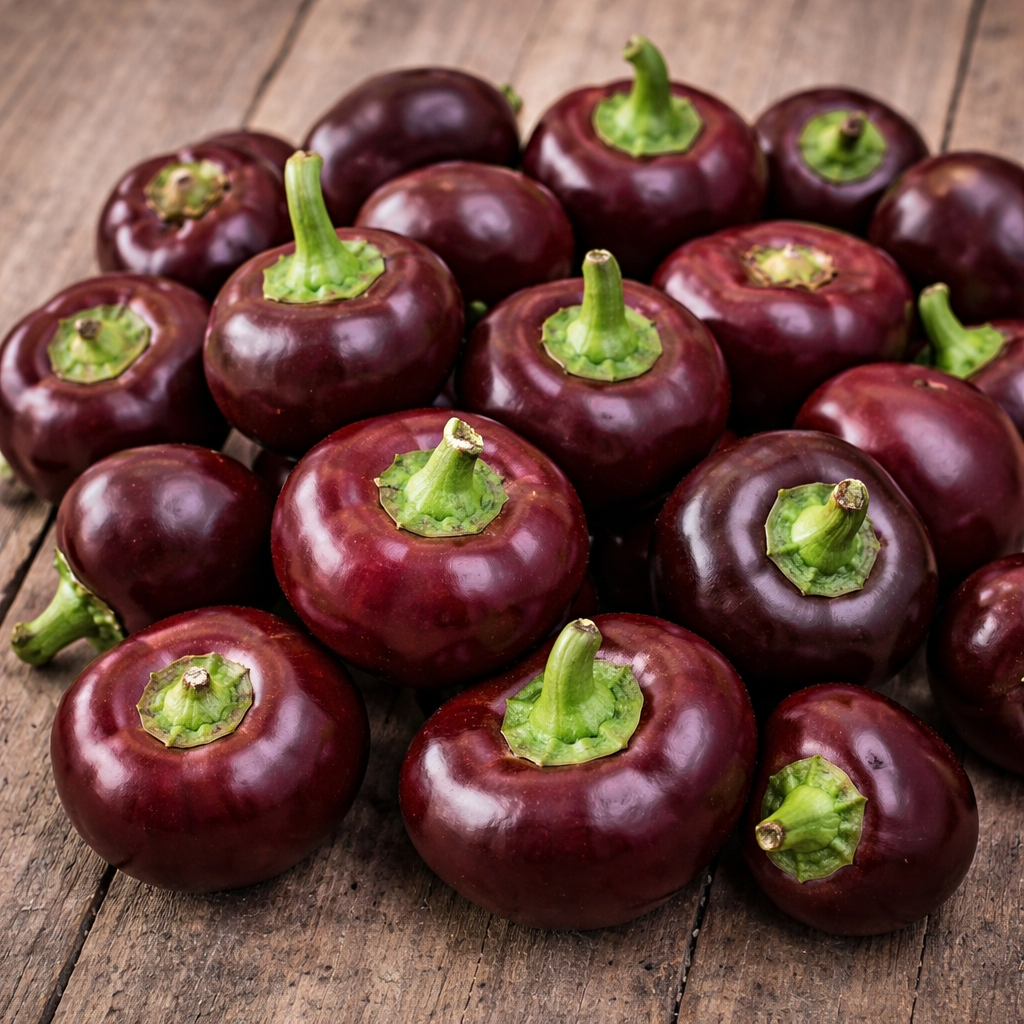
Hot pepper ‘Hot Chocolate Cherry’ forms small, round, chocolate-brown fruit about 3.8 cm (1.5 in) across. Ferme Tourne-Sol describes its heat as being at the mild end of the medium-hot range. The packet contains 25 organic, open-pollinated seeds suitable for seed saving. This cultivar needs an indoor start, full sun, warmth, and consistent moisture. Its listed maturity of about 80 days suits one planting per season. Firm, fully coloured peppers can enrich sauces, salsas, marinades, and spicy recipes while providing measured heat and a distinctive colour. Dark fruit provides ornamental contrast and can be harvested gradually as each pepper becomes firm and fully coloured. Wear gloves during preparation and portion the heat carefully in finished dishes.
- Quantity
- 25 seeds
- Exposure
- Full sun
- Life cycle
- Frost-tender perennial grown as an annual
Discover the plant
Common nameHot pepper ‘Hot Chocolate Cherry’
FamilySolanaceae
GenusCapsicum
Speciesannuum
CultivarHot Chocolate Cherry
TypeSeeds
Botanical nameCapsicum annuum
Reproducible seedsYes
Hot pepper ‘Hot Chocolate Cherry’ (Capsicum annuum) produces small, round, chocolate-brown peppers about 3.8 cm (1.5 in) in diameter. Ferme Tourne-Sol places their heat at the mild end of the medium-hot range and offers a packet of 25 organic, open-pollinated seeds suitable for seed saving. The unusual mature colour creates a striking contrast in both kitchen gardens and finished dishes. Their cherry-type size works well in sauces, salsas, marinades, and recipes where noticeable but measured heat is preferred. Harvesting fully coloured fruit also highlights the cultivar’s distinctive appearance.
Start seeds indoors about eight weeks before transplanting. Sow 6 mm (1/4 in) deep in a light medium and keep it warm and evenly moist. A temperature near 27°C (80°F) supports germination. After emergence, provide abundant light to produce compact plants. Harden them off gradually, then transplant into full sun only after all frost danger has passed and the soil has warmed. Space plants 45 to 60 cm (18 to 24 in) apart in fertile, well-drained soil. Peppers need a long, warm season, so an early indoor start is especially useful in Canadian gardens.
Water deeply to supply about 2.5 to 5 cm (1 to 2 in) per week, adjusting for rainfall, soil, and heat. Consistent moisture helps limit flower drop and blossom-end rot. Avoid waterlogged soil and excess nitrogen, which can promote leaves instead of fruit. Ferme Tourne-Sol lists maturity at about 80 days and recommends one planting per season. Harvest peppers when they are firm and fully coloured. Wear gloves during preparation, avoid touching the eyes, and wash utensils and hands carefully after handling the cut fruit. The peppers can be cooked fresh, preserved in vinegar, or frozen in measured portions.

Sowing guide
It all startswith a seed.
Sowing depth
6 mm (1/4 in)
Spacing / density
45 to 60 cm (18 to 24 in) between plants
Germination temperature
About 27°C (80°F)
Sowing period
Start indoors about eight weeks before transplanting
Propagation
Seed
Growing method
Start ‘Hot Chocolate Cherry’ indoors about eight weeks before transplanting. Sow 6 mm (1/4 in) deep in a light, clean, evenly moist medium. Maintain warmth near 27°C (80°F), then provide abundant light as soon as seedlings emerge. Move them into individual containers once they can be handled easily. Before planting, harden them off gradually to outdoor sun, wind, and temperatures over several days. Transplant only after the last frost into warmed, fertile, well-drained soil, leaving 45 to 60 cm (18 to 24 in) between plants. Water at soil level and mulch after the ground becomes warm. Avoid excess nitrogen, monitor flowering, and harvest fruit when firm and chocolate brown. Wear gloves when handling cut peppers and wash hands and utensils carefully afterward. During growth, supply about 2.5 to 5 cm (1 to 2 in) of water per week, adjusting for rain and heat. Inspect leaf undersides and remove damaged fruit. If branches lean, add a stake without injuring roots. Rotate the site with crops outside the Solanaceae family in later seasons. Pick regularly before frost and preserve only sound, carefully washed peppers. Keep the planting clearly labelled because mature brown fruit can otherwise be mistaken for a sweet ornamental pepper.
Soil and care
The right care,at the right time.
Care level
Moderate
Watering
Water deeply and less frequently, supplying about 2.5 to 5 cm (1 to 2 in) per week while accounting for rainfall, heat, and soil type. Keep moisture even during flowering and fruit development. Alternating drought and excess water can encourage flower drop or blossom-end rot. Water at soil level, preferably in the morning, and let excess water drain completely from containers. Mulch applied after the soil has warmed slows evaporation and reduces soil splashing. Check container moisture more often during hot, windy weather because potting mix can dry rapidly.
Soil type
This cultivar prefers fertile, loose, well-drained soil that holds even moisture without remaining waterlogged. Incorporate mature compost before planting and avoid heavy sites where water accumulates. A raised bed can improve drainage in compact ground. In containers, use an aerated potting mix rather than garden soil and ensure excess water can escape freely. Keep the root zone free of weeds that compete for water and nutrients, and rotate away from other Solanaceae crops in later seasons.
Fertilization
Prepare the soil with mature compost and base additional nutrients on a soil test whenever possible. Light feeding after establishment can support growth, but avoid high nitrogen rates because they produce excessive foliage and may delay fruit set and maturity. In containers, divide applications into smaller feedings and always follow the selected fertilizer label rather than feeding automatically on a fixed schedule.
Moisture
Consistent moisture without waterlogging
Seasonal care
In late winter, sow indoors and keep the medium warm and moist until emergence. Then place seedlings under abundant light, water without saturating the mix, and pot them on when roots fill their containers. In spring, harden plants off gradually and wait until frost danger has completely passed before moving them outdoors. Choose a sunny site, provide suitable spacing, and water deeply after transplanting. Once the soil is warm, mulch helps stabilize moisture. During summer, monitor irrigation, flowering, pests, and early signs of blossom-end rot. Avoid excessive nitrogen feeding. Harvest firm, chocolate-brown fruit progressively at about 80 days, depending on conditions. In autumn, collect mature peppers before frost, which kills the plants. Remove diseased debris and avoid growing peppers, tomatoes, eggplants, or potatoes in the same location for several seasons to reduce the buildup of soil-borne diseases. As the first fruit develops, ensure branches remain supported and inspect plants more often during very hot periods. Adjust watering to actual soil moisture instead of following a rigid calendar. Wear gloves during processing and label frozen or pickled portions clearly so they are not confused with sweet peppers. Clean tools between plants when disease is suspected, and never save seed from fruit showing rot, severe damage, or characteristics inconsistent with the cultivar. Record flowering and harvest dates to refine the next indoor starting schedule for local conditions and expected frost dates.
Container growing
A garden,within reach.
Recommended pot size
20 to 30 L (5 to 8 gal) container
‘Hot Chocolate Cherry’ can grow in a large, stable, well-drained container. Choose a 20 to 30 L (5 to 8 gal) pot with several holes and fill it with a rich, loose, aerated potting mix. Keep one plant per container so light and air reach the foliage. Place it in full sun after the last frost and harden the plant off first. Check moisture regularly: water thoroughly when the surface begins to dry, then allow all excess water to escape. Never leave the pot standing in a water-filled saucer. Light, divided feeding can support production, but excess nitrogen delays fruiting. Stake the plant if a heavy crop causes leaning. Harvest firm, chocolate-brown peppers, and move the container into temporary shelter before an early frost only when this can usefully extend the harvest. Rotate the pot periodically when light comes mainly from one direction and inspect leaf undersides. A light mulch applied after the mix warms slows evaporation. Before frost, pick mature fruit and peppers beginning to change colour, then compost only healthy debris. Clean the container before reuse and avoid filling it with garden soil that may compact or drain poorly.

Bloom and dimensions
Its place,in your garden.
Flower color
White
Foliage color
Green
Foliage type
Herbaceous
Growth rate
Moderate
Growth habit
Upright and bushy
Bloom period
Small white flowers appear after plants are established and warmth is sufficient. Pollination allows peppers to develop. Excessive heat, moisture stress, or overly rich nitrogen feeding can cause blossoms to drop. Maintain even moisture and good air circulation without disturbing flowers unnecessarily, and avoid spraying foliage or blossoms late in the day when drying will be slow. Natural movement from light air currents is generally enough to move pollen within the flowers. Watch for fruit development after petals fall.
Fruiting
Flowers develop into small, round peppers about 3.8 cm (1.5 in) across. Fruit passes through an immature colour before reaching its characteristic chocolate brown. Ferme Tourne-Sol lists maturity at about 80 days and places the heat at the mild end of the medium-hot range. Harvest firm, fully coloured peppers with clean pruners to avoid breaking branches, and wear gloves when handling cut fruit.
Days to maturity
80 days
Harvest
Harvest firm, chocolate-brown fruit at about 80 days
Garden associations
In goodcompany.
Companion plants
Basil, onions, carrots, and low flowers can share a bed with this pepper when adequate spacing is maintained. These combinations mainly help organize a diverse garden; they do not guarantee pest protection or higher yields. Prevent neighbouring plants from shading the pepper or competing heavily with its roots. Group crops according to their actual requirements for sun, drainage, and watering, and preserve easy access for harvesting and routine inspection. Avoid immediately replanting tomatoes, eggplants, or potatoes in the same soil because these crops also belong to the Solanaceae family and can share soil-borne disease problems.
Recipe idea
From the gardento your plate.
Edible parts
Ripe fruit for human consumption
Prepare a chocolate-brown salsa while wearing gloves. Finely chop one seeded ‘Hot Chocolate Cherry’ pepper, then combine it with two diced tomatoes, one-quarter red onion, the juice of one lime, two tablespoons of cilantro, and a pinch of salt. Rest for 15 minutes, taste, and add more pepper only when the heat level is suitable. Serve with corn chips, tacos, or grilled vegetables. Avoid touching the eyes during preparation. Wash hands, the knife, and the cutting board afterward with hot, soapy water. Refrigerate the salsa and use it promptly. For a softer texture and deeper flavour, roast the pepper before chopping it into the mixture. For a milder version, remove the inner membranes carefully and use only part of the fruit. Never taste a raw piece without knowing your tolerance. Freeze leftovers separately in a labelled container, then add them in small amounts to soup or cooked sauce. Keep spicy salsa away from children and pets and never rub the eyes while preparing or serving it.
Frequently asked questions
Your questions,answered.
How should Hot pepper ‘Hot Chocolate Cherry’ be sown?
Start seeds indoors about eight weeks before transplanting. Sow 6 mm (1/4 in) deep in a clean, light, evenly moist medium. Warmth near 27°C (80°F) supports germination. As soon as seedlings emerge, provide abundant light so growth remains compact. Move them into individual containers when needed. Before planting, harden them off gradually to outdoor sun and wind over several days. Transplant only after the last frost once the soil has warmed, leaving 45 to 60 cm (18 to 24 in) between plants. Water deeply after planting and continue protecting young plants from cold nights until warm conditions become dependable. Apply mulch only after the soil has warmed, and keep it away from the stem.
How hot is the ‘Hot Chocolate Cherry’ pepper?
Ferme Tourne-Sol describes ‘Hot Chocolate Cherry’ as being at the mild end of the medium-hot range. The official product page does not provide a precise Scoville rating, so an unverified number should not be assigned. Perceived heat can also vary between fruit, growing conditions, and individual sensitivity. Begin with a small amount in a recipe, taste, and adjust gradually. Wear gloves while cutting, avoid touching the face or eyes, and wash hands, knives, and boards carefully. Keep spicy preparations away from children and pets, and label preserved batches clearly so their heat level is not mistaken for a sweet pepper product.
When should ‘Hot Chocolate Cherry’ be harvested?
Ferme Tourne-Sol lists maturity at about 80 days. Use fruit appearance as an additional guide: harvest peppers when they are firm, round, and fully chocolate brown. Cut the stem with clean pruners instead of pulling because branches can break. Inspect plants regularly and allow immature fruit to continue colouring. Harvest before frost, which kills pepper plants. Wear gloves when handling split fruit or cutting peppers immediately after picking. Harvested peppers can be used fresh, pickled, or frozen in small portions after careful washing and drying. Label preserved portions clearly and begin with a small amount when adding them to recipes until their heat is familiar.
Can ‘Hot Chocolate Cherry’ be grown in a container?
Yes. Use a stable 20 to 30 L (5 to 8 gal) container with several drainage holes. Fill it with a rich, loose, aerated potting mix and keep one plant per pot. Place it in full sun after the last frost. Water thoroughly when the surface begins to dry and let all excess water escape; never leave the container standing in water. Light, divided feeding can support production, but excess nitrogen encourages foliage. Stake the plant if fruit weight causes branches to lean. Check moisture more often during hot weather and harvest peppers when firm and chocolate brown. Protect the container from an early frost when practical.
Are ‘Hot Chocolate Cherry’ seeds organic and open-pollinated?
Yes. Ferme Tourne-Sol offers this packet of 25 seeds as an organic product certified by Ecocert Canada and describes its seeds as open-pollinated and suitable for seed saving. To keep the cultivar true, grow several healthy plants and isolate their flowers from other compatible Capsicum annuum varieties. Select healthy, fully ripe fruit that matches the cultivar. Wear gloves while extracting seed, then dry it completely in an airy location away from direct sunlight. Label stored seed with the cultivar name and harvest year. Keep it cool, dry, and dark until the next sowing season, and discard any seed showing moisture or mould. Keep only healthy, well-formed seed from typical fruit.
Wildlife and pets
Life,around your plants.
For a great start to your seeds
The right extras.Right here.
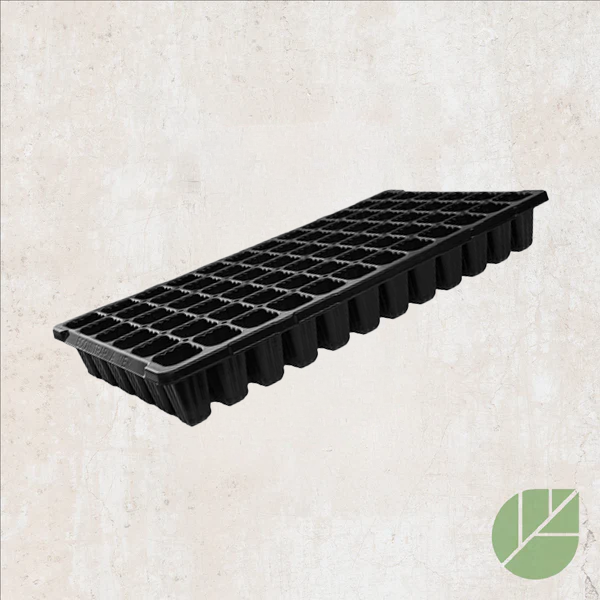
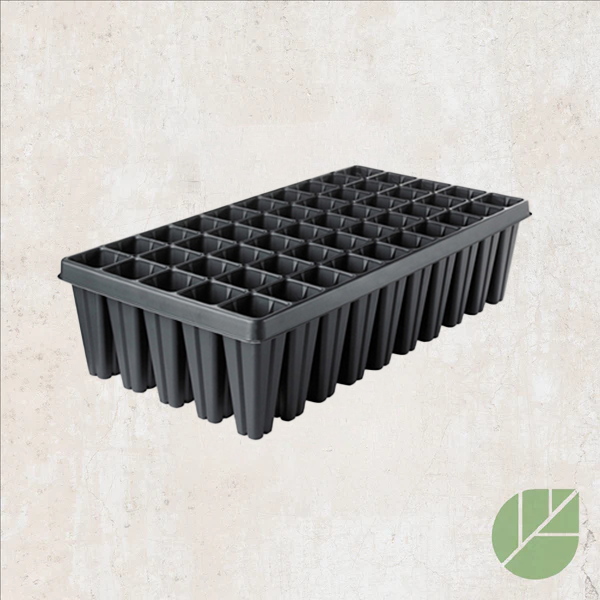
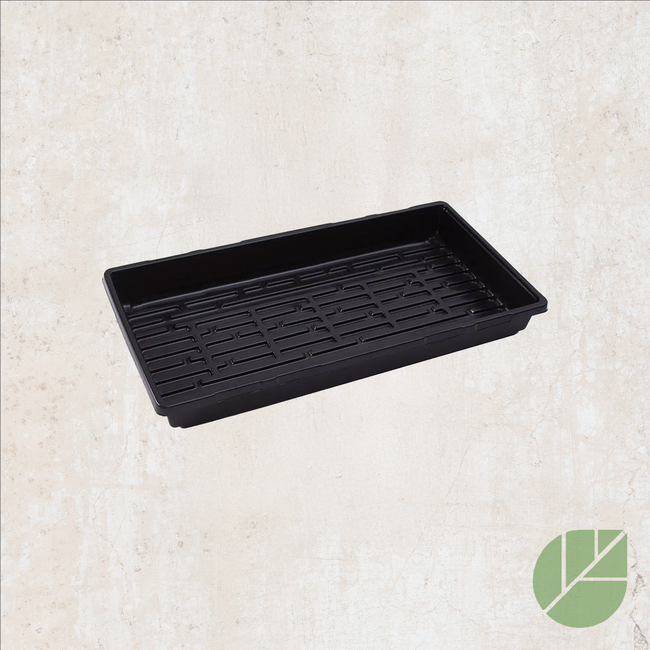
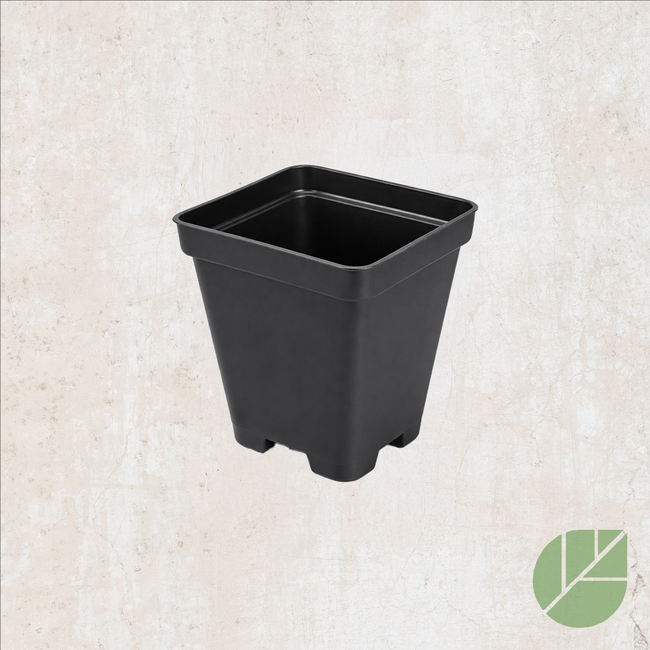
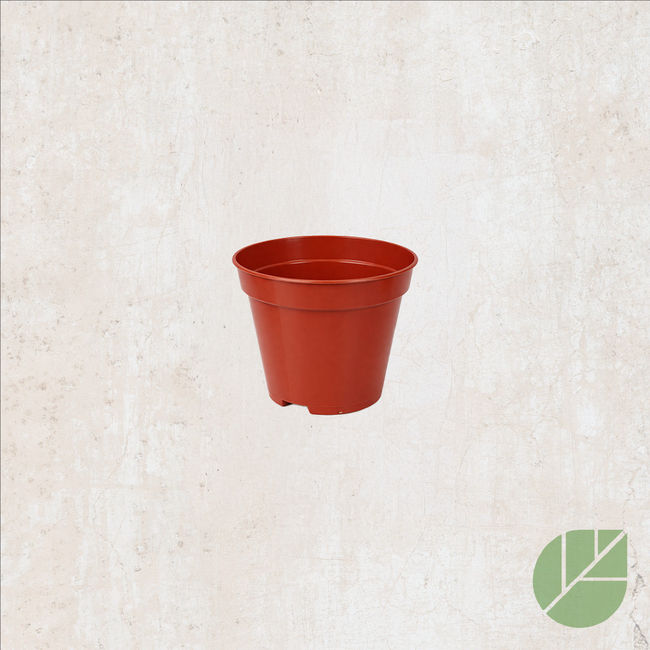
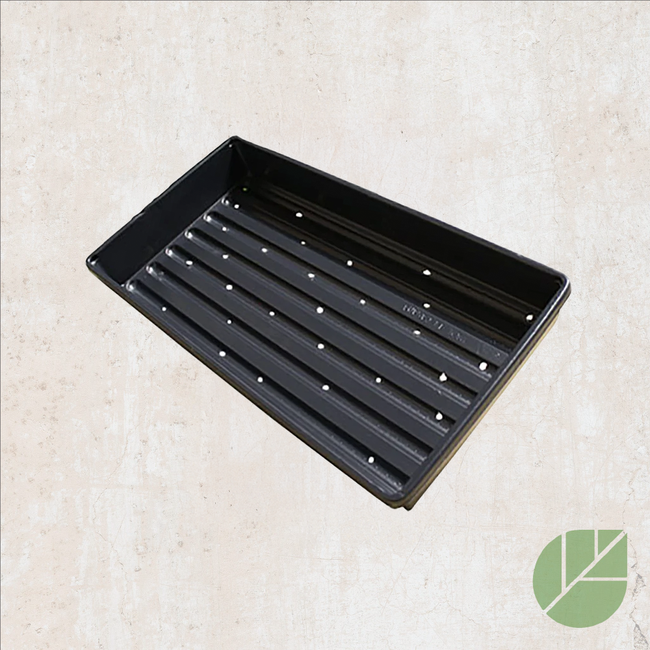
Platters, pots and domes
Shop the collection
Seed Starting Soil
Shop the collectionSeed starting supplies
Shop the collection




