Plantes d’extérieur
Tout pour fleurir, cultiver et aménager votre jardin.


Organic seeds
Tourne-sol
Sesamum indicum
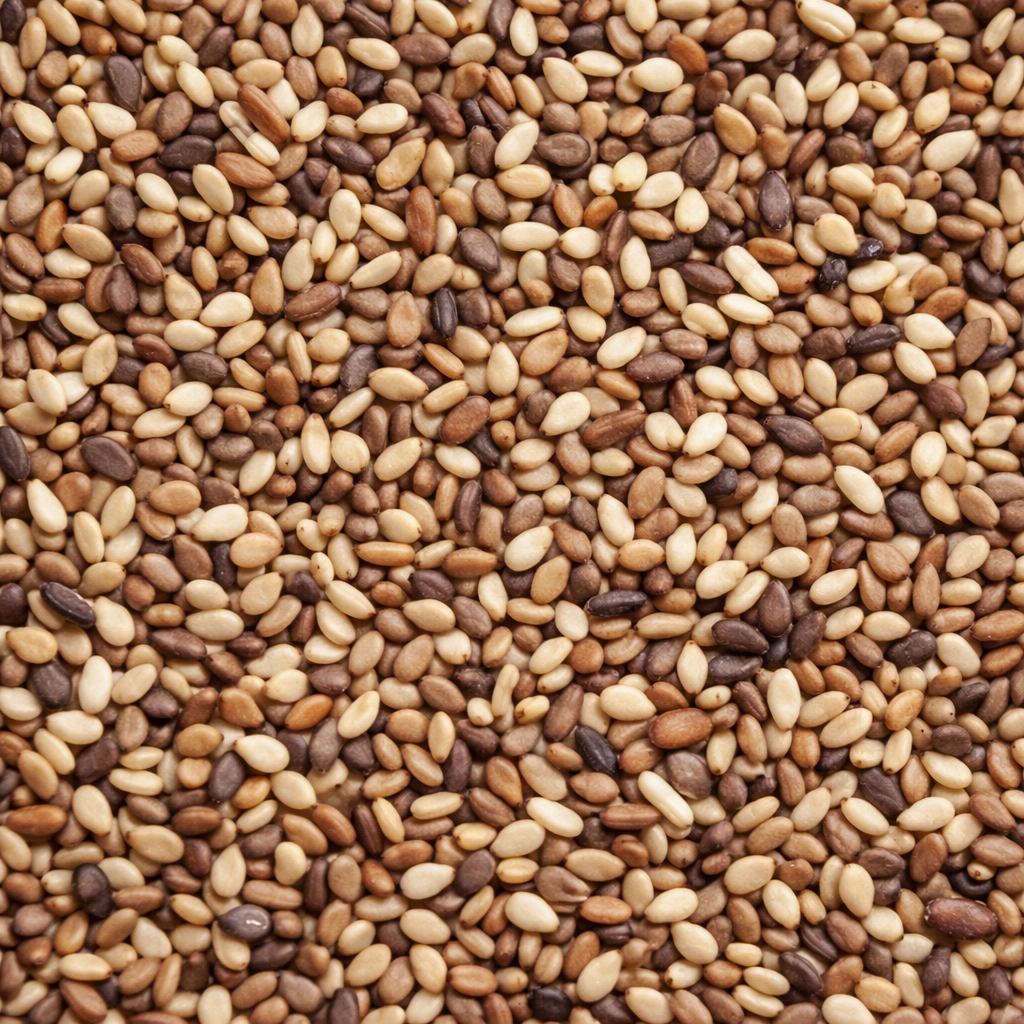
Sesame organic (Sesamum indicum) is a warm-season annual that produces white to pink tubular flowers followed by capsules filled with small culinary seeds. The Tourne-Sol packet contains 100 organic, open-pollinated seeds. In the garden, plants grow upright and may reach approximately 1 to 1.5 m depending on heat, soil, and available moisture. Their decorative outline attracts bumble bees and other pollinating insects. Sesame requires a long warm season: allow about 100 days to seed maturity, followed by additional time for stems and capsules to dry. It is an interesting crop for gardeners prepared to give it the warmest, most sheltered location available.
Start seeds indoors about six weeks before transplanting. Sow 6 mm deep in warm, light, moist seed-starting mix and maintain 21 to 27°C until emergence. Transplant only after all danger of frost, once soil is above approximately 20°C and nights are mild. Choose full sun and light to medium, fertile, perfectly drained soil. Space plants 20 to 30 cm apart and protect them from strong wind. Water regularly during germination, establishment, and flowering, then reduce gradually as capsules begin to mature. Established sesame tolerates dry periods but cannot tolerate waterlogged soil. Avoid disturbing its shallow roots when hoeing or removing weeds nearby.
Harvest before the first frost when leaves yellow, lower capsules turn brown, and the first pods begin to open. Cut stems with a clean tool, bundle them above a sheet or container, and let them finish drying indoors in a warm, ventilated place. Turn bundles over or thresh capsules gently to release the seeds. Clean the lot carefully and store only completely dry seed. Sesame is a priority food allergen in Canada: label the harvest clearly, prevent cross-contact, and always tell people when a dish contains it. Discard mouldy, discoloured, or incompletely matured seeds rather than tasting them, and keep the final lot cool, dry, and protected from pests.
Sowing guide
Soil and care
Container growing

Bloom and dimensions
Garden associations
Recipe idea

Frequently asked questions
Click a product to build your selection.
Tout pour fleurir, cultiver et aménager votre jardin.
Une touche de nature, dans chaque pièce.
Tout pour fleurir, cultiver et aménager votre jardin.
Tout découvrir Potager et fines herbes
 Fleurs et vivaces
 Arbres et arbustes
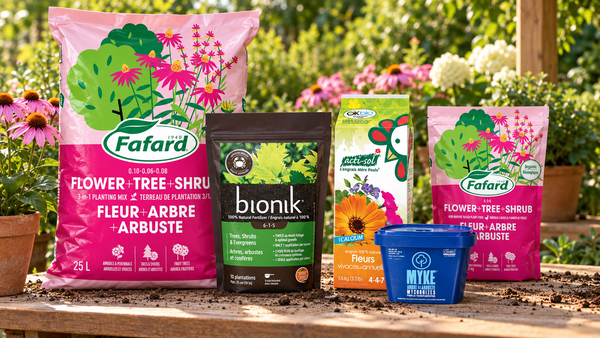 Soins et plantation
Une touche de nature, dans chaque pièce.
Tout découvrir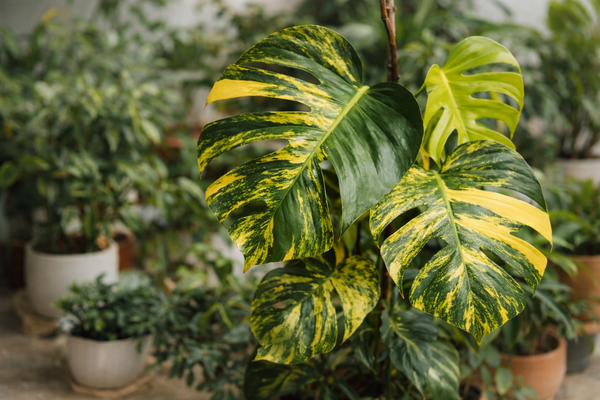 Plantes tropicales
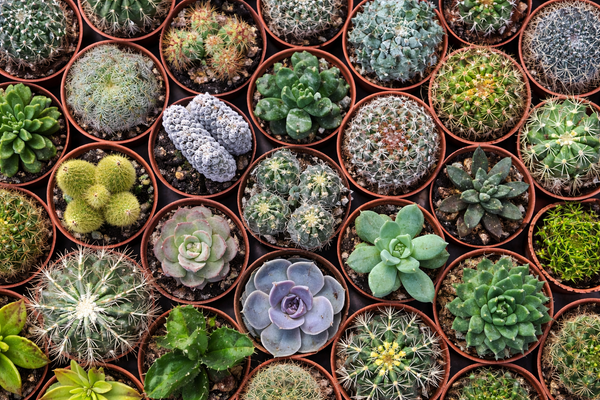 Cactus et succulentes
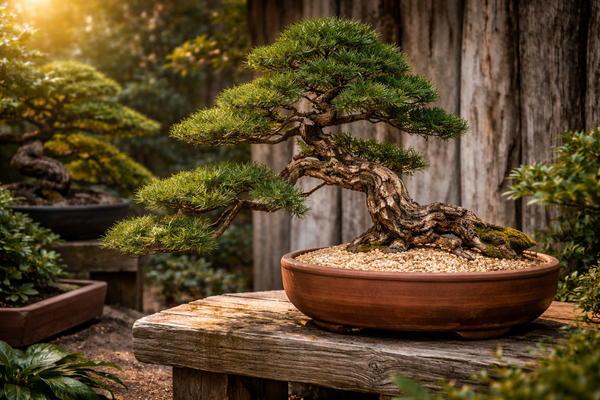 Collections spécialisées
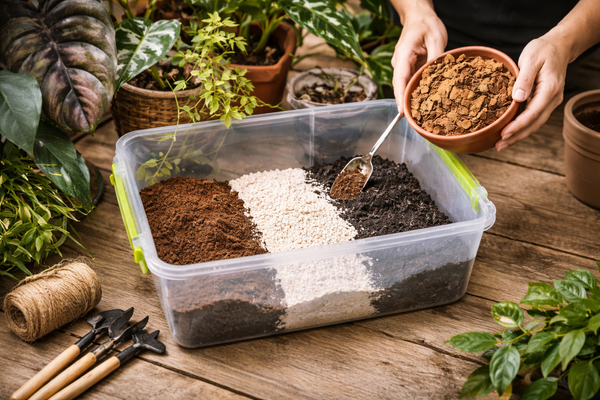 Soins et accessoires
Tout pour semer, planter et faire pousser.
Tout découvrir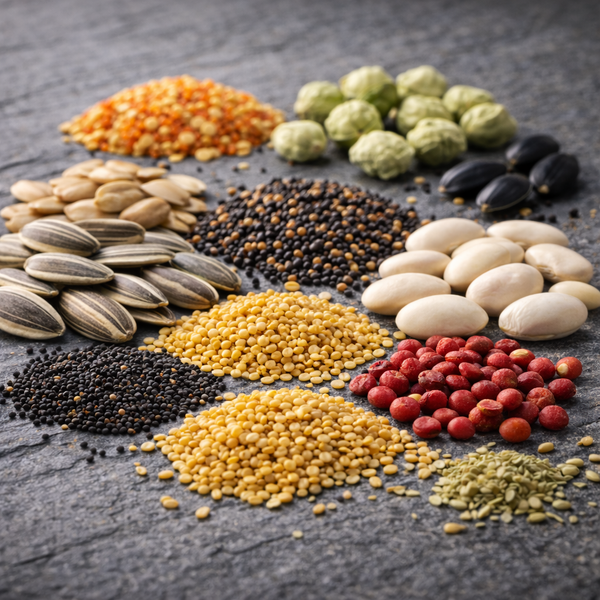 Semences
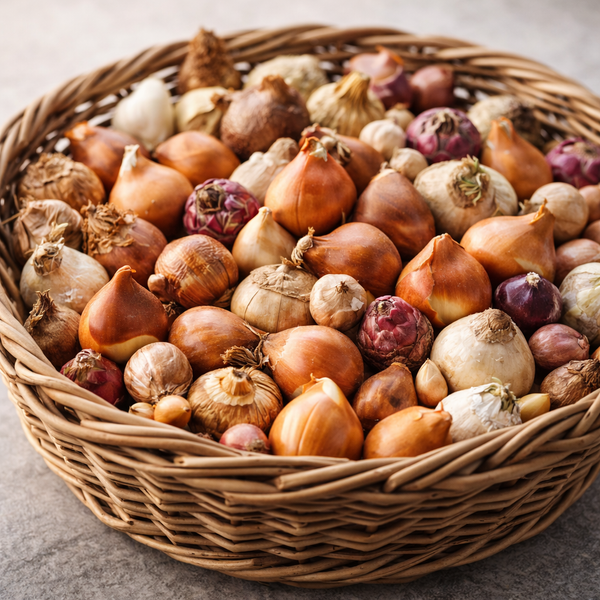 Bulbes
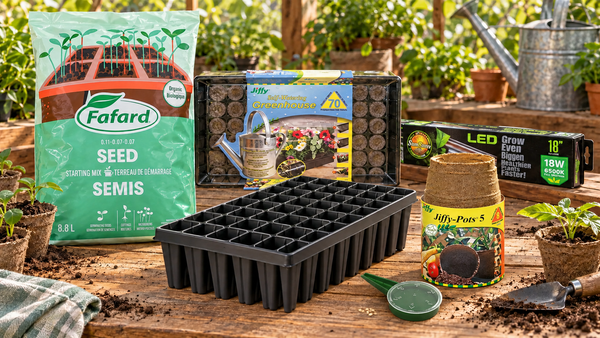 Tout pour les semis
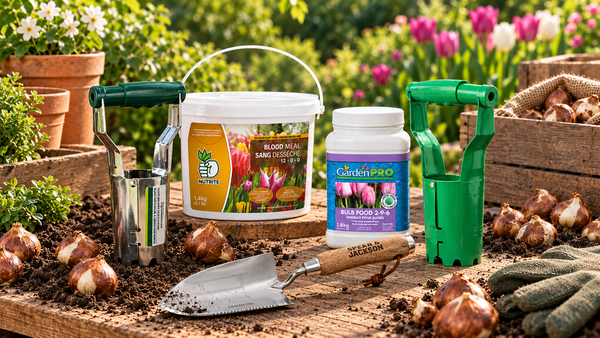 Pour planter les bulbes
Tout pour semer, nourrir et retrouver une belle pelouse.
Tout pour semer, nourrir et retrouver une belle pelouse.
Tout découvrir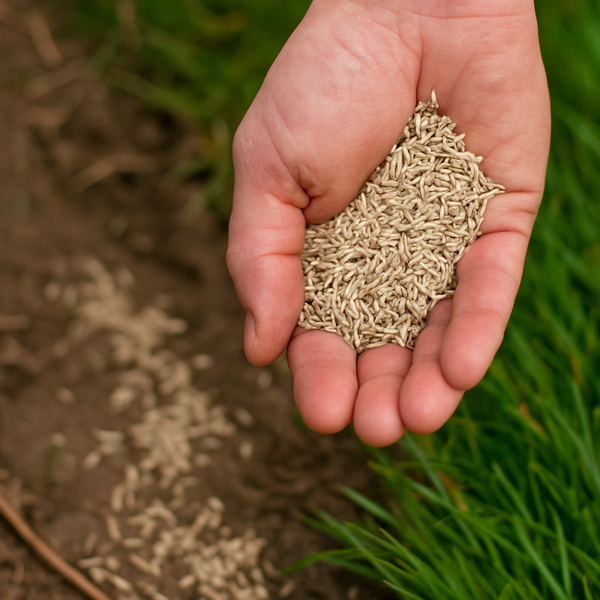 Semences à gazon
 Engrais pour gazon
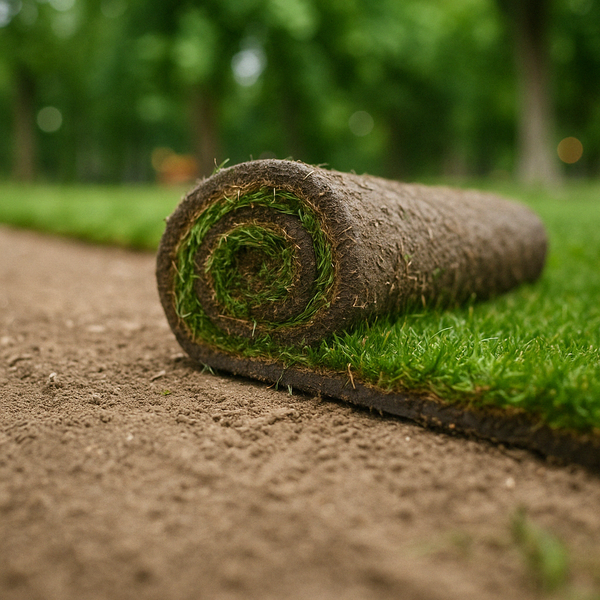 Tourbe et préparation
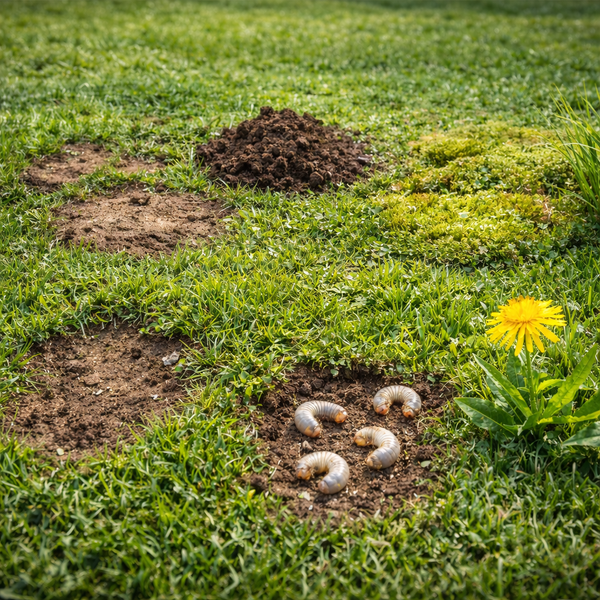 Soins et traitements
Tout pour nourrir, protéger et entretenir vos plantes.
Tout pour nourrir, protéger et entretenir vos plantes.
Tout découvrir


Valide uniquement dans la succursale choisie lors de l’achat.
Choisir la carte en magasinTout pour semer, planter et faire pousser.
 Outils
 Compostage et écologie