Sale
Sold out

Seeds
Asteraceae
Organic seeds
Sunflower mix organic
Helianthus annuus
Product code : TOURNE-0087
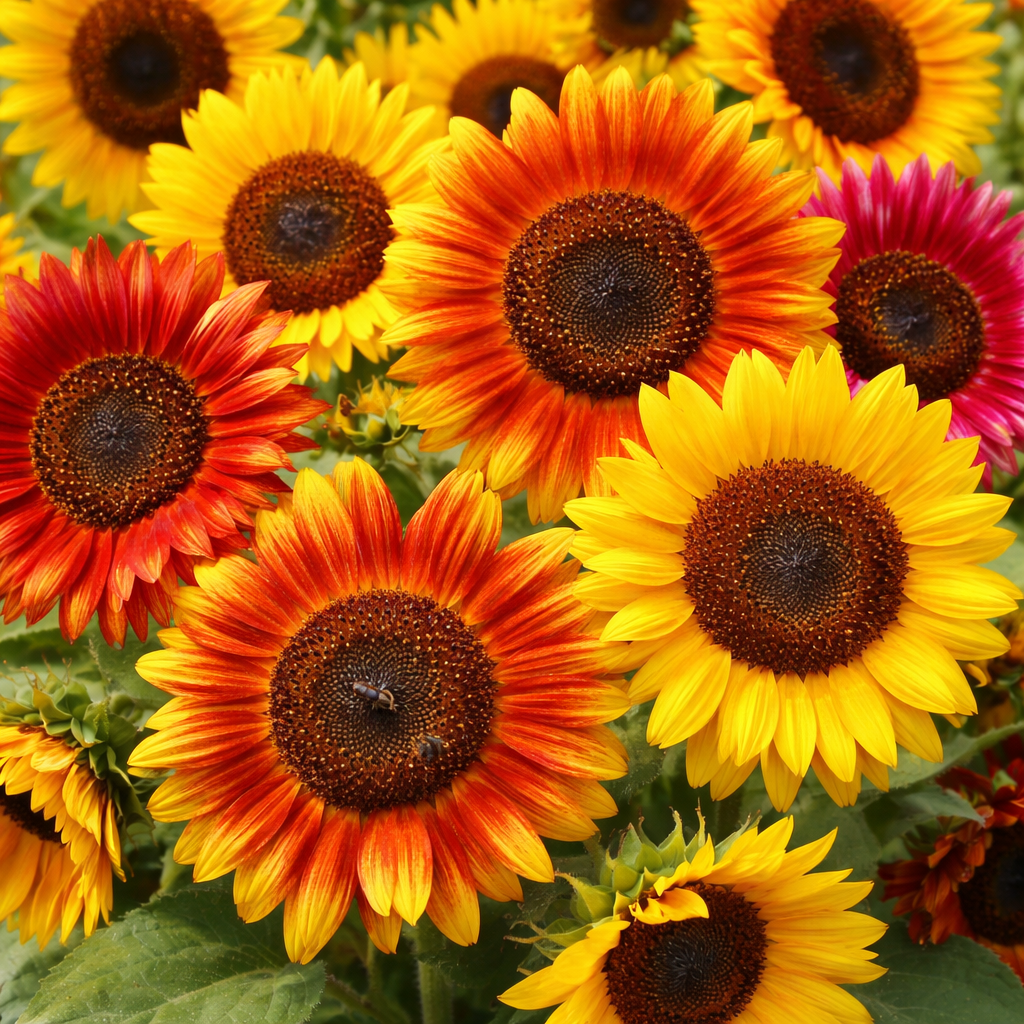
This organic sunflower mix produces yellow, orange, and red flowers on upright plants reaching 1.5 to 2 m. The 40 seeds can create a tall border, a seasonal screen, or a colourful backdrop. Flowers attract bees and butterflies, while heads left to mature later provide seeds for birds. Tourne-Sol lists 100 days to maturity, indoor or outdoor starting, and planting after the last frost. Repeating small sowings every two to four weeks staggers the display. Full sun and well-drained soil encourage sturdy stems, and a sheltered location helps protect the tallest plants from strong winds. The blend is frost tender and completes its cycle in one growing season.
- Quantity
- 40 seeds
- Exposure
- Full sun
- Life cycle
- Annual
Discover the plant
Common nameSunflower mix
FamilyAsteraceae
GenusHelianthus
Speciesannuus
TypeSeeds
Botanical nameHelianthus annuus
Reproducible seedsYes
Sunflower mix organic (Helianthus annuus) produces yellow, orange, and red flowers on upright stems reaching 1.5 to 2 m. This packet of 40 organic seeds can create a tall colourful border, a seasonal screen, or a striking backdrop for garden beds. Flower heads supply pollen and nectar to bees and butterflies, then their ripening seeds attract birds. The blend creates a lively display rather than a uniform row. Blooms can also be cut for bright summer bouquets while several heads remain in the garden for wildlife. It is an appealing choice wherever height, warm colour, and movement are welcome.
Start seed indoors or sow directly outside, then set plants in the garden after the last frost because sunflower is frost tender. Outdoors, place seeds about 1.25 cm deep in loosened, well-drained soil in full sun. Space plants 45 to 60 cm apart to provide room for branching individuals within the mix. Keep soil moist during germination and establishment without leaving it waterlogged. Tall plants withstand wind better in a sheltered position, and a stake can support any stem that begins to lean. For staggered flowering, sow another small batch every two to four weeks instead of planting the entire packet at once.
Flowering begins around 100 days, depending on warmth, light, and the sowing date. Water deeply during dry periods; once well rooted, sunflower tolerates occasional dry soil more readily. Avoid excessive nitrogen, which can favour lush stems and leaves over flowers. Cut heads for bouquets as they begin to open. To feed birds naturally, leave selected heads standing to dry into autumn or winter. The species’ seeds and petals are edible, but use only healthy, correctly identified parts from plants that have not received treatments unsuitable for food crops. This approach allows one planting to support decoration, bouquets, pollinators, and seasonal wildlife.

Sowing guide
It all startswith a seed.
Sowing depth
1.25 cm (1/2 in)
Spacing / density
45 to 60 cm (18 to 24 in) between plants
Germination temperature
About 21°C (70°F)
Germination time
7 to 14 days
Sowing period
Sow after the last frost. Frost tender
Propagation
Seed
Growing method
For direct sowing, wait until frost risk has passed and choose a site receiving at least six hours of sun. Loosen the soil, remove large clods, and place seeds about 1.25 cm deep. Allow 45 to 60 cm for each mature plant; sow two seeds per position, then keep the stronger seedling if both emerge. Water gently and keep the area moist until germination, usually within 7 to 14 days under suitable temperatures. For an indoor start, sow two to three weeks before planting and use individual pots to minimize disturbance to the taproot. Harden seedlings gradually before moving them outdoors after frost. Water deeply during establishment, then allow the surface to dry slightly between soakings. A sheltered location or stake protects tall stems. Avoid excess nitrogen. Sow another batch every two to four weeks to extend flowering. Watch for slugs, caterpillars, beetles, leaf spots, rust, and powdery mildew, removing severely affected material promptly. As buds appear, continue deep watering during dry weather and check ties so they do not constrict expanding stems. Remove weeds before they compete with the taproots. Cut bouquet stems with a clean tool early in the day, or leave heads to mature for birds. Remove badly diseased debris instead of leaving it below the plants.
Soil and care
The right care,at the right time.
Care level
Easy
Watering
After sowing, keep the upper soil layer evenly moist until seedlings emerge. Then water deeply to encourage downward root growth, allowing the surface to begin drying before the next soaking. Established plants tolerate occasionally dry soil, but prolonged drought during bud development can reduce flower quality. Direct water to the base and avoid wetting foliage unnecessarily, especially late in the day or during humid weather.
Soil type
Sunflower accepts clay, loam, or sandy soil provided excess water drains freely. Loose, moderately fertile ground supports its taproot and tall stems. Work in mature compost where soil is poor, without adding excessive nitrogen fertilizer. A neutral to slightly alkaline pH is suitable. Avoid persistently waterlogged or compacted locations, and loosen a broad area rather than creating only a narrow planting hole.
Fertilization
Sunflower has low to moderate nutrient requirements. In suitable garden soil, mature compost incorporated before sowing may be enough. Test the soil before making a major fertilizer application and follow the selected product’s rate. Excess nitrogen can favour abundant stems and leaves over flowering while making tall plants more vulnerable to wind. Container plants may need light feeding as nutrients wash from the mix.
Seasonal care
In spring, select a full-sun site and prepare well-drained soil. A few seeds may be started indoors two to three weeks before planting, but avoid keeping seedlings confined for long because sunflower develops a taproot. After the last frost, direct sow or harden and transplant young plants. Maintain moisture until emergence and protect sprouts from slugs or birds when necessary. Thin to 45–60 cm and weed gently. In early summer, water deeply, install stakes before stems become difficult to handle, and sow another batch every two to four weeks. Inspect leaves for caterpillars, beetles, rust, spots, and powdery mildew. During bloom, cut bouquet stems as flowers begin opening with a clean tool, while leaving other heads for pollinators. In autumn, retain selected dry heads for birds or collect fully mature, thoroughly dry seed. Remove diseased plants and clean stakes before storage. Healthy stems can be chopped for compost, while roots left in the ground decompose naturally and disturb the soil less. After storms, straighten leaning plants gently without forcing the stems and retighten any loose supports. Record sowing, emergence, and opening dates so late batches can be scheduled more effectively next year. Check soil moisture below the surface rather than judging only by wilted leaves. Avoid overhead watering late in the day, since foliage that remains wet can favour disease. If volunteer seedlings appear the following spring, keep only those growing where a tall plant is welcome. Rotate the planting area when recurring disease becomes a concern.
Container growing
A garden,within reach.
Recommended pot size
Stable 20 to 40 L (5 to 10 gal) container
The 1.5 to 2 m height calls for a heavy, stable container with drainage holes and at least 30 to 40 cm of depth for each plant. Fill it with a quality, free-draining potting mix, then sow about 1.25 cm deep. Keep one vigorous plant per large pot, or maintain 45 to 60 cm spacing in a very large planter. Set the container in full sun, preferably near a support that reduces gusts without shading the leaves. Check moisture often because wind and a large leaf area dry potting mix quickly. Water until excess flows from the holes, then empty the saucer. Install a stake at sowing or soon after emergence to avoid damaging roots later. Secure the stem with a broad, soft tie. Light feeding may help during the season, but avoid nitrogen-rich applications. Tall sunflowers are generally easier in the ground; in containers, limit the number of plants and monitor stability carefully. Rotate the pot when light arrives mainly from one side, and check after every storm that the container remains upright and its drainage holes are clear. Place shorter pots far enough away that the tall sunflower does not shade them. When flowering ends, decide whether to cut the head or let its seeds mature for birds.

Bloom and dimensions
Its place,in your garden.
Mature height
1.5 to 2 m
Width / spread
30 to 60 cm
Flower color
Yellow, orange, and red
Foliage color
Green
Foliage type
Herbaceous
Growth rate
Fast
Growth habit
Upright and vertical
Bloom period
Around 100 days, stems carry flower heads in yellow, orange, and red shades. Actual timing varies with warmth, sunlight, and sowing date. Each head combines many small central florets surrounded by colourful rays. Bees, butterflies, and other pollinators visit the open blooms. Successive sowings every two to four weeks spread flowering toward the first frost, although late batches need enough remaining warm weather to mature.
Days to maturity
100 days
Garden associations
In goodcompany.
Companion plants
Sunflower mix can be paired with plants that require comparable light, soil, and watering. Groupings are easier to maintain when each plant keeps enough space and receives sufficient light. Suggested companions are primarily planning tools; undocumented incompatibilities should not be treated as absolute rules. The information on this page helps gardeners plan each stage according to the actual conditions in their garden. Regular observation of the soil, foliage, and overall growth makes it easier to adjust care throughout the season. For best results, choose a suitable location and keep moisture steady while the plants become established.
Frequently asked questions
Your questions,answered.
How do I sow the sunflower mix?
After the last frost, direct sow in full sun in loosened, well-drained soil. Place seeds about 1.25 cm deep and keep the soil moist until emergence. For this tall mix, allow approximately 45 to 60 cm between plants. An indoor start is also possible two to three weeks before planting; use individual pots and transplant gently to protect the taproot. Harden young plants for several days before their final move outside. Tourne-Sol recommends repeating sowings every two to four weeks. This succession spreads flowering, provided the final batches still have enough warm weather to reach bloom before autumn frost. Keep each pot labelled because the mix may produce several colours and forms.
Where should this sunflower mix be planted?
Choose a location receiving at least six hours of direct sun. Soil may be clay, loam, or sandy if it drains well and lets the taproot penetrate. Plants reaching 1.5 to 2 m are best placed behind borders or north of shorter crops so they do not shade them. A site sheltered from strong gusts reduces the risk of leaning stems. Where the garden is exposed, install stakes early. Keep a path for watering at the base and harvesting flowers. Avoid waterlogged locations and areas where neighbouring plants would compete heavily for light and moisture. The planting should also remain visible enough for regular pest and disease checks.
When does the sunflower mix bloom?
Tourne-Sol lists 100 days to maturity. Treat this interval from sowing as a guide because temperature, light, water, and each plant’s development can advance or delay opening. Flowers generally appear in summer and may continue toward frost when sowings are staggered. For bouquets, cut a head as it begins to open. For pollinators, let it expand fully on the plant. For birds, wait until seeds mature and the head dries. One row can therefore serve several purposes at different stages without every flower head being harvested in the same way. Record sowing and opening dates to refine timing under your own garden conditions.
Can this sunflower mix be grown in containers?
Yes, but these tall plants need large, very stable containers. Choose a pot with drainage holes and at least 30 to 40 cm of depth, fill it with free-draining potting mix, and keep only a few plants in each container. Sow about 1.25 cm deep and place the pot in full sun away from strong gusts. Install a stake early so roots are not injured later. Check moisture frequently because wind and foliage speed drying. Water thoroughly, then let excess drain. A lightweight planter may tip when flower heads become heavy; add weight at the base or position it beside a solid support without blocking drainage. In-ground growing remains easier for a large group.
Are these sunflower seeds organic?
Yes. Tourne-Sol lists LT301-a as a packet of 40 organic Helianthus annuus seeds and states that its organic products are certified by Ecocert Canada. The product is a blend of yellow, orange, and red sunflowers rather than one uniform cultivar. Store unused seed in a cool, dry, dark place with the packet closed securely. Mark the opening date to simplify future planning. The official listing does not present the blend as an heirloom variety or confirm its open-pollinated status, so those fields remain blank. Always follow the current packet information if it changes, since the contents of a commercial mix may evolve between production lots.
Wildlife and pets
Life,around your plants.
Supporting wildlife
Open flower heads provide pollen and nectar to bees, butterflies, and other pollinating insects. After flowering, mature seeds become a resource for several seed-eating birds. To extend this value, leave selected heads drying on the plants into autumn or winter where dropped seed will not cause a problem. Wildlife visitors vary with region and season, and not every head needs to remain if some are wanted for bouquets.
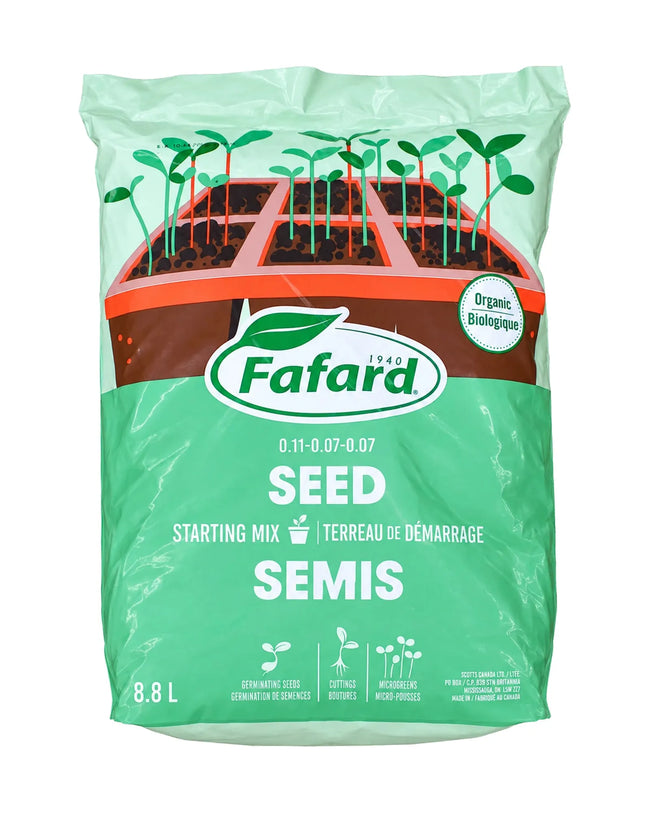
For a great start to your seeds
The right extras.Right here.
Seed Starting Soil
Shop the collectionSeed starting supplies
Shop the collection