Plantes d’extérieur
Tout pour fleurir, cultiver et aménager votre jardin.


Organic seeds
Tourne-sol
Thymus vulgaris
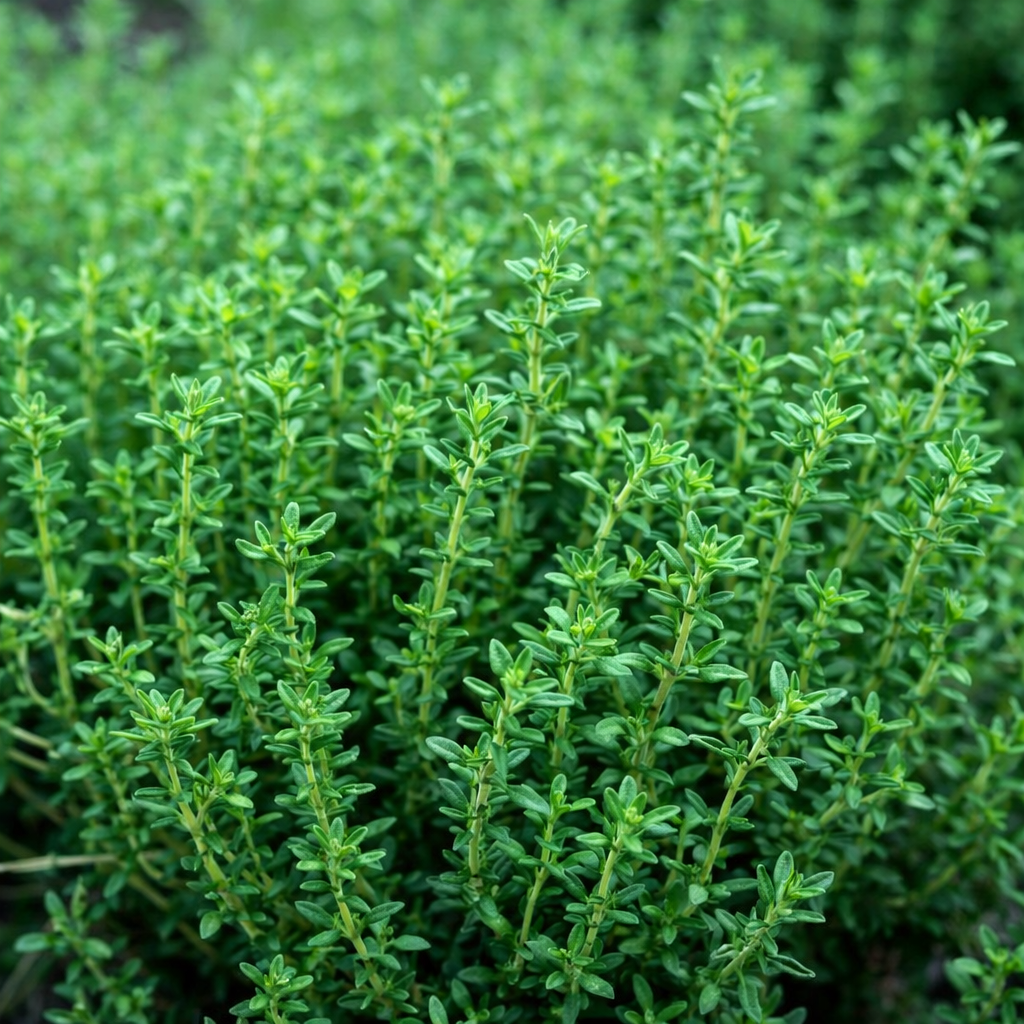
Thyme organic (Thymus vulgaris) is a low, bushy perennial herb valued for its small evergreen leaves and earthy, peppery flavour. Used fresh or dried, the leaves season Mediterranean and Middle Eastern dishes, roasted vegetables, soups, sauces, and marinades. The Tourne-Sol packet contains 200 organic, open-pollinated seeds. Plants generally reach 20 to 30 cm tall and gradually spread. Small, pale, nectar-rich flowers attract bees and other pollinators. The producer lists approximately 90 days to maturity, indoor sowing ten weeks before planting, and Zone 5 hardiness. Its compact habit makes common thyme useful in kitchen gardens, sunny borders, rock gardens, and well-drained containers near the cooking area.
Surface sow the tiny seeds on fine, moist starting mix without covering them, because light supports germination. Maintain 15 to 20°C and gentle moisture until emergence, usually within two to four weeks. Move seedlings into abundant light as soon as they appear. After hardening them off, transplant outdoors from mid-spring to early summer, spacing plants 20 to 30 cm apart. Choose full sun and light, gritty or sandy, freely drained soil, preferably neutral to alkaline. Avoid rich, waterlogged ground, especially in winter, because prolonged moisture weakens roots. Weed carefully while plants are small and keep surrounding mulch away from the crown.
Water regularly while roots establish, then let the soil surface dry between waterings. Once established, thyme tolerates drought and needs little fertilizer. Harvest a few stems as required, ideally before or near the beginning of flowering for concentrated aroma. Always cut above leafy growth and avoid pruning deeply into old, leafless wood. A light trim after flowering maintains a compact shape. In containers, use a pot with generous drainage holes and a very free-draining mix amended with grit. In cold or wet locations, shelter the container from winter rain and protect roots from repeated freeze-thaw cycles. Replace plants that become very woody and sparse after several seasons.
Sowing guide
Soil and care
Container growing

Bloom and dimensions
Garden associations
Recipe idea
Frequently asked questions
Click a product to build your selection.
Tout pour fleurir, cultiver et aménager votre jardin.
Une touche de nature, dans chaque pièce.
Tout pour fleurir, cultiver et aménager votre jardin.
Tout découvrir Potager et fines herbes
 Fleurs et vivaces
 Arbres et arbustes
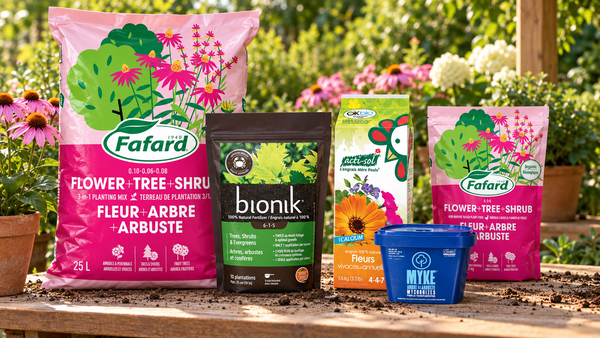 Soins et plantation
Une touche de nature, dans chaque pièce.
Tout découvrir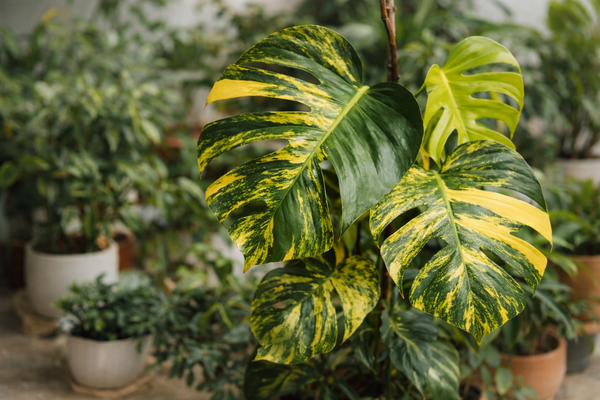 Plantes tropicales
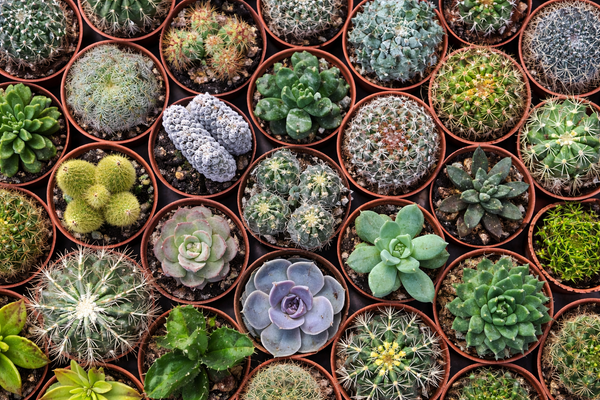 Cactus et succulentes
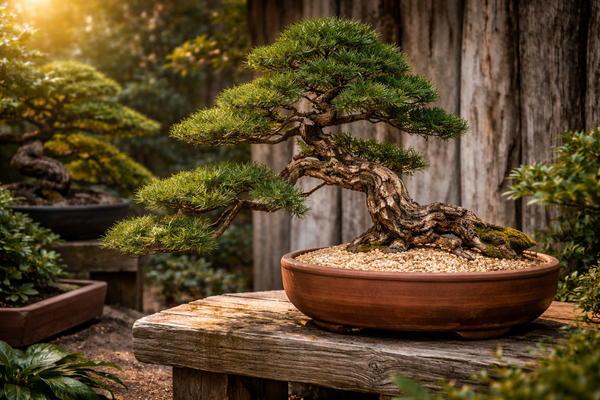 Collections spécialisées
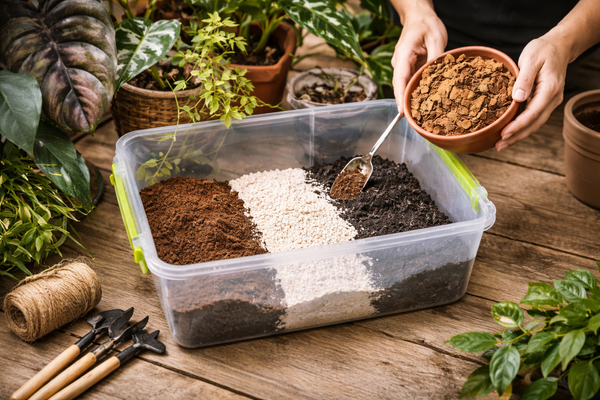 Soins et accessoires
Tout pour semer, planter et faire pousser.
Tout découvrir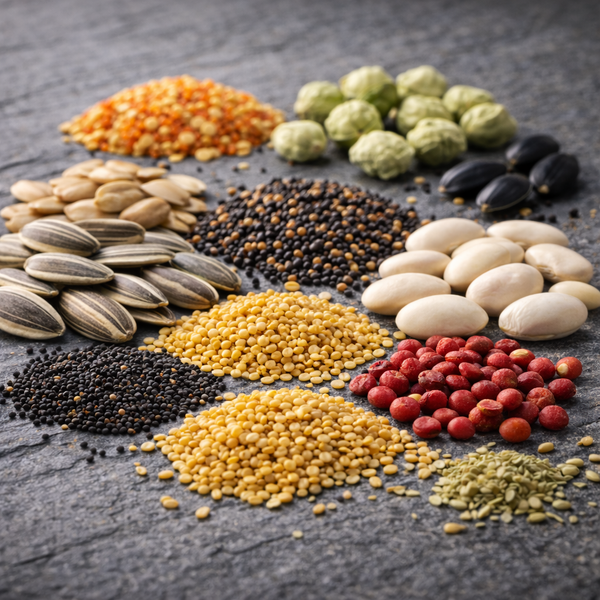 Semences
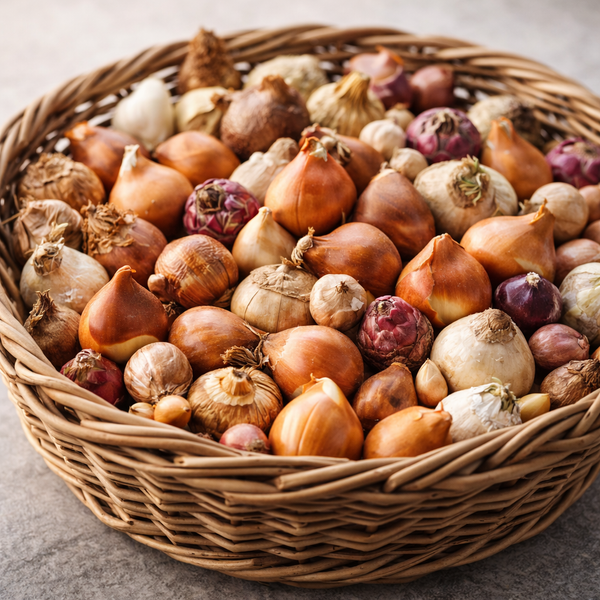 Bulbes
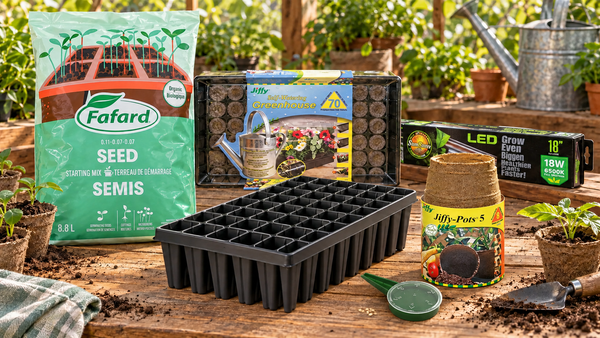 Tout pour les semis
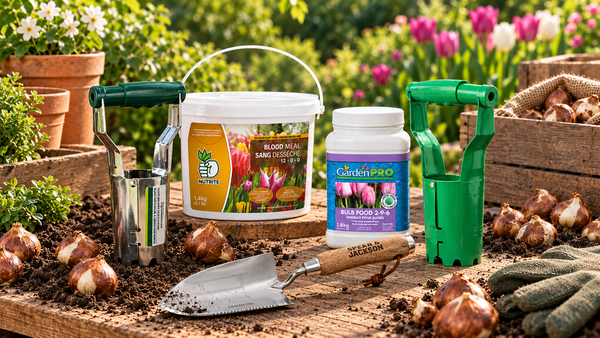 Pour planter les bulbes
Tout pour semer, nourrir et retrouver une belle pelouse.
Tout pour semer, nourrir et retrouver une belle pelouse.
Tout découvrir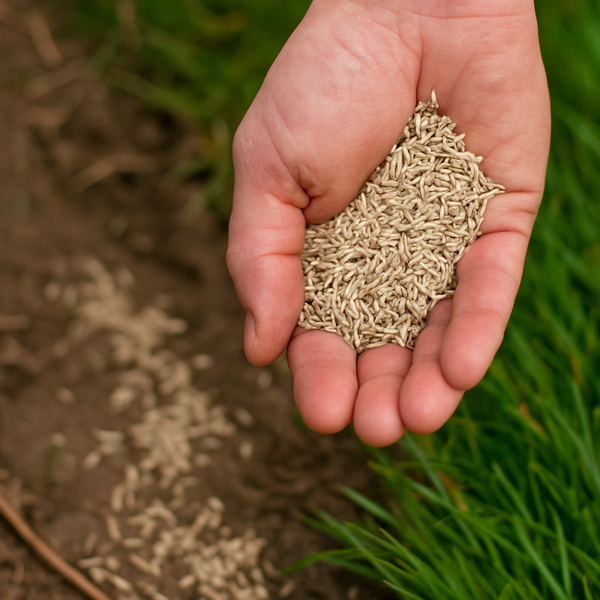 Semences à gazon
 Engrais pour gazon
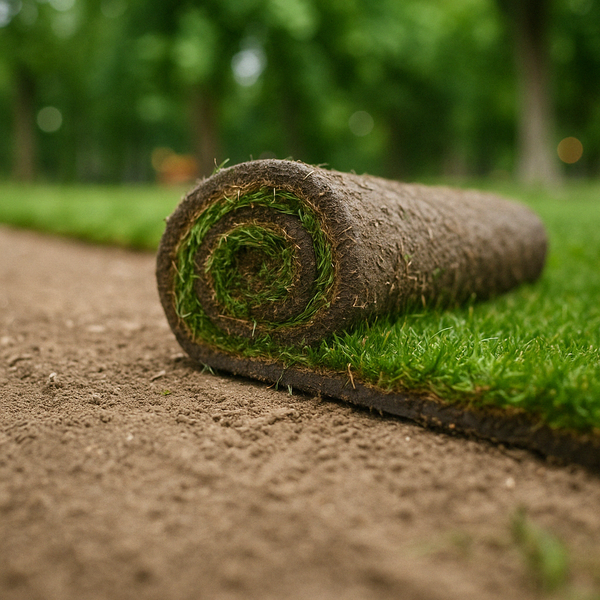 Tourbe et préparation
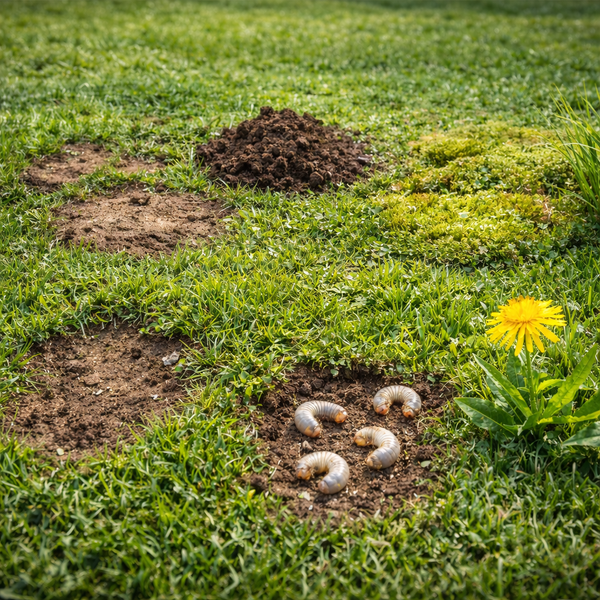 Soins et traitements
Tout pour nourrir, protéger et entretenir vos plantes.
Tout pour nourrir, protéger et entretenir vos plantes.
Tout découvrir



Valide uniquement dans la succursale choisie lors de l’achat.
Choisir la carte en magasinTout pour semer, planter et faire pousser.
 Outils
 Compostage et écologie