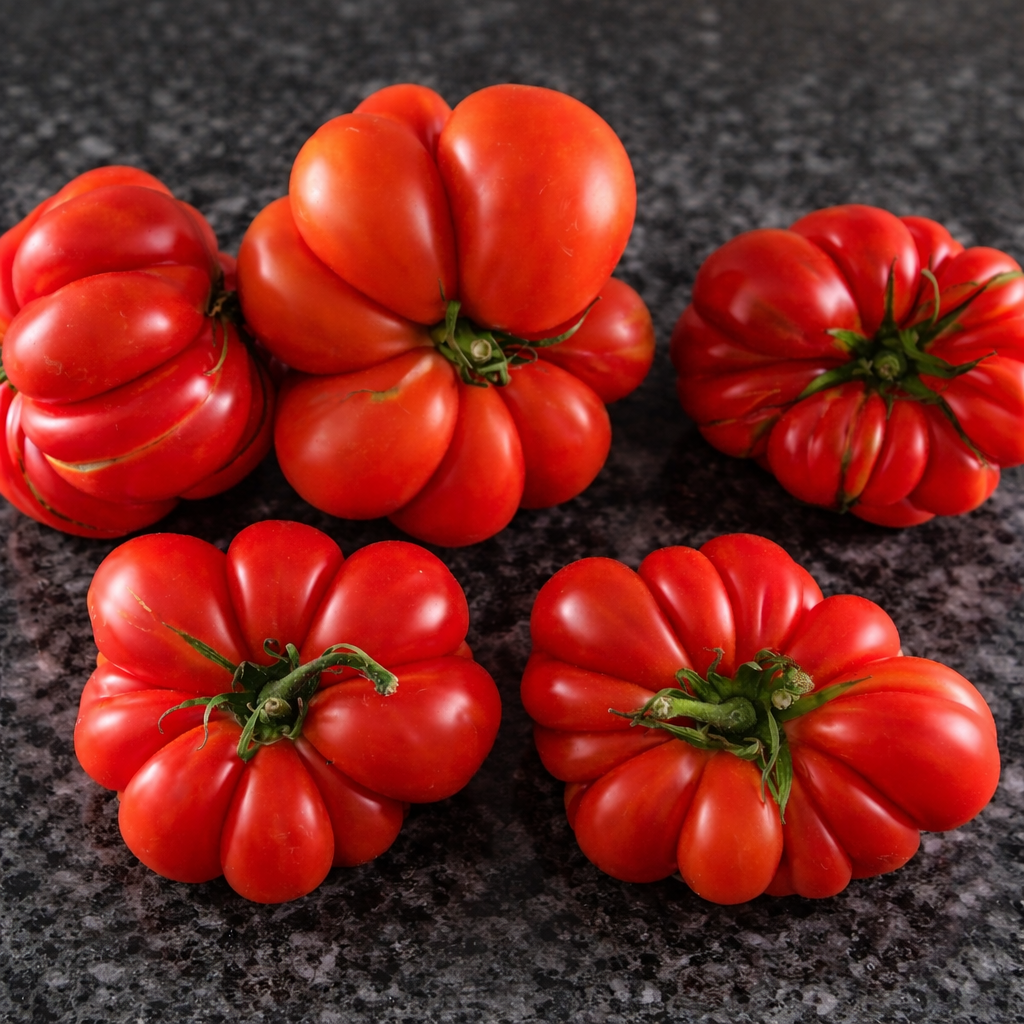
Red tomato 'Reisetomate' organic

Red tomato 'Reisetomate' organic
PÉPINIÈRE.CA

Red tomato 'Reisetomate' organic

BACK-IN-STOCK ALERT

Don’t miss its return.

Leave your email and receive an alert when this product is available again.

An alert for this product only. No newsletter signup. Privacy

Organic seeds

Tourne-sol

Solanum lycopersicum

Sold as 50 seeds

Sold out

Pay in 4 interest-free payments withSezzle

Delivery and pickup: view conditions

Product information
Advice adapted to Canada
Secure payment
Share
Common nameRed tomato ‘Reisetomate’
FamilySolanaceae
GenusSolanum
Specieslycopersicum
CultivarReisetomate
TypeSeeds
Botanical nameSolanum lycopersicum
Reproducible seedsYes
Heirloom varietyYes

Red tomato 'Reisetomate' organic (Solanum lycopersicum) is an open-pollinated heirloom with indeterminate growth, remarkable for its unusual fruit shape. Tourne-Sol describes fused clusters of red cherry-tomato sections approximately 2.5 cm (1 in) across. Individual lobes can be separated one at a time, explaining the German name Reisetomate, or “traveller tomato.” Packet SL311-a contains 50 organic, open-pollinated seeds, and official maturity is approximately 75 days from transplanting. This edible curiosity creates an original presentation in the garden, on serving boards, and in salads while remaining clearly identifiable by its deeply segmented fruit.

Sow indoors 6 mm deep in fine starting mix approximately six weeks before planting. Maintain steady warmth until emergence, then move seedlings under intense light. Pot them on after true leaves appear and harden plants gradually for one week. Transplant outdoors only after the last frost, once the soil has warmed. Choose full sun and fertile, loose, freely drained soil, then space plants 60 to 75 cm apart. Immediately install a tall cage, sturdy stake, or trellis to support indeterminate growth and fused fruit that can become heavy. Water seedlings before transplanting so each root ball remains intact.

Water deeply at soil level, keep moisture as consistent as possible, and mulch after the ground warms. Tie stems with broad, soft loops and support clusters as their weight increases. Harvest when fruit becomes evenly red, remains firm but yields slightly, and releases readily. Separate clean lobes immediately before eating so the remaining fruit stays intact. Serve them fresh, in irregular wedges, in salads, or roasted. For any canning, use only a tested recipe and follow its acidification and processing directions exactly. Before frost, bring developed fruit indoors to finish ripening in a temperate, ventilated place. Check stored fruit daily and discard anything that begins deteriorating.

In the garden

Exposure
Full sun, at least 6 direct hours
Life cycle
Warm-season annual; tender perennial grown as an annual

Sowing guide

Sowing & germination

Sowing depth

6 mm (1/4 in)

Spacing / density

60 to 75 cm (24 to 30 in) between plants

Germination temperature

24 to 29°C (75 to 85°F)

Germination time

Approximately 5 to 10 days in warm starting mix

Sowing period

Indoors, 6 weeks before planting; transplant after the last frost

Propagation

Seed

Growing method

Sow one seed per cell 6 mm deep in sterile, light starting mix approximately six weeks before planting. Keep the medium moist but not saturated and maintain 24 to 29°C until emergence. Remove the dome as soon as seedlings appear, then provide bright light for 14 to 16 hours and slightly cooler temperatures. Pot seedlings individually after the first true leaves. If plants become pale, feed at low strength. Harden them for one week by gradually increasing sun and wind exposure. Transplant after the last frost into warmed soil, burying the stem up to the first healthy leaves. Space plants 75 to 90 cm apart. Install tall support at planting time, water at soil level, and mulch once the ground is warm. Guide stems weekly and harvest when fruit becomes evenly bright red and the fruit yields slightly. Remove weeds while seedlings establish. Once plants begin flowering, gently shake the support at midday to encourage pollen release. Inspect leaf undersides and hand-pick the first caterpillars. Sanitize scissors after cutting suspicious plants and avoid working among wet foliage. From fruit set onward, follow tomato-fertilizer directions without exceeding the label. Maintain one main stem where space is limited, or several well-supported stems inside a large cage. Check ties after wind and loosen any loop that presses into expanding stems.

Soil and care

Soil & care

Care level

Intermediate; support and regular monitoring required

Watering

Water deeply at soil level when the upper few centimetres begin to dry. Maintain moisture as consistently as possible during flowering and fruit expansion; swings between drought and excess water encourage cracking and blossom-end rot. A soaker hose or drip line keeps foliage drier. Apply mulch after soil warms, empty saucers, and check large containers daily during hot weather. Water early in the day and avoid small, frequent surface applications.

Soil type

Choose fertile, loose, well-drained soil rich in mature organic matter, with slightly acidic pH around 6 to 6.8. Incorporate compost before planting according to needs shown by a soil test. A raised bed helps where ground remains cold or wet in spring. Avoid waterlogged areas and sites where diseased tomatoes, potatoes, peppers, or eggplants grew recently. Rotate away from the nightshade family whenever practical.

Fertilization

Base fertilization on a soil test. Incorporate mature compost before planting, then use balanced vegetable fertilizer according to its label. After fruit set, tomato feed with moderate nitrogen is preferable to a high-nitrogen application. Excess nitrogen produces abundant foliage and delays fruit. Water after feeding, never place concentrated fertilizer against the stem, and reduce applications late in the season. Container plants need smaller, more regular doses because nutrients leave through drainage water.

Seasonal care

Six weeks before planting, sow indoors in warm mix and move seedlings under intense light immediately after emergence. Pot them on when true leaves develop and rotate containers to maintain straight stems. One week before planting, gradually harden plants to sun, wind, and cooler nights. After the last frost, transplant deeply into warmed soil and immediately install a tall cage, stakes, or trellis. Through summer, tie new stems with soft loops, water consistently at soil level, and keep mulch from touching the stem. Remove leaves resting on soil and monitor for leaf spots, wilting, caterpillars, and damaged fruit. Sanitize tools between suspicious plants. Harvest red tomatoes every few days. Late in the season, remove new flowers that cannot mature, gather developed fruit before frost, and discard diseased remains instead of placing them in home compost. Clean supports before storing them. If fruit develops a dark, sunken patch at the blossom end, stabilize watering instead of automatically adding calcium without a soil test. After prolonged rain, ventilate shelters and inspect new spots before touching neighbouring plants. During extreme heat, light afternoon shade cloth may reduce stress without blocking morning sun. Record every confirmed disease so a different crop family can occupy that area next year. Save seed only from vigorous plants and symptom-free fruit. Wash hands and tools after handling diseased material, and never move infected soil into clean containers. throughout the season.

Container growing

Container growing

Recommended pot size

One plant per stable 30 to 40 L container, at least 40 cm deep
Because ‘Reisetomate’ red tomato is indeterminate, choose a very stable 30 to 40 L container at least 40 cm deep for one plant. Several large drainage holes are essential. Fill it with quality vegetable potting mix amended with mature compost, leaving watering space at the rim. Install a tall cage or firmly anchored trellis before planting. Position the container in the warmest, sunniest location sheltered from wind. Bury part of the stem and water thoroughly. Maintain consistent moisture thereafter, sometimes checking daily in hot weather, without leaving water in the saucer. Feed with tomato fertilizer according to its label once fruit begins forming. Tie stems, remove leaves resting on the mix, and harvest frequently. Rotate only small pots; a large supported container should remain stationary. Before frost, bring developed fruit indoors rather than moving the entire plant. Mulch the warm potting mix without touching the stem. After heavy rain, confirm that drainage holes remain open and that the container is not leaning under trellis weight. Inspect leaf undersides, pick every ripe fruit, and promptly remove split or mouldy tomatoes. Label the cultivar clearly when planning to save seed. At the end of the season, clean the cage and replace the mix instead of reusing soil that held a diseased plant. Keep the container away from roof runoff that could saturate it during storms.
Red tomato 'Reisetomate' organic

Size, flowering & harvest

Foliage color

Green

Foliage type

Deciduous; killed by frost

Growth rate

Steady in warm weather; approximately 75 days from transplanting

Growth habit

Indeterminate, vining, and vigorous

Edible parts

Ripe fruit

Fruiting

Very irregular red fruit develops on indeterminate vines. Tourne-Sol describes fused clusters of cherry-tomato sections approximately 2.5 cm (1 in) across and lists maturity at approximately 75 days from transplanting. Harvest when red colour is even, the fruit remains firm but yields slightly, and it releases readily. Support every heavy cluster with a broad tie or soft sling. Deep creases can retain soil or water, so wash fruit carefully under running water immediately before serving. Pick every few days and carry fruit in one shallow basket.

Days to maturity

Approximately 75 days from transplanting

Harvest

Approximately 75 days after transplanting; evenly red and slightly yielding
Red tomato 'Reisetomate' organic

Garden associations

Companion plants & uses

Companion plants

Basil, parsley, lettuce, radishes, onions, and bush beans can share the area when every plant receives sufficient sun, air, water, and nutrients. Position short crops on the sunny side and keep the tomato base accessible for watering. These combinations mainly organize the bed efficiently; they do not prevent pests or diseases on their own. Avoid crowding other nightshade crops around the plant because they share several problems and make rotation more difficult. Leave clear access to the trellis for tying and harvesting.

Garden use

Separate ripe lobes one at a time immediately before eating, or slice the whole fruit to reveal its fused structure. Serve them on a board, in salads, open sandwiches, or roasted dishes. Wait for even red colour and slight yielding before picking. Wash deep creases carefully under running water, remove the stem, and discard mouldy or badly damaged fruit. Refrigerate any cut or opened portion promptly. For canning, use only a tested recipe and follow its acidification and processing directions exactly.

Recipe idea

From garden to table

Reisetomate salad: wash two ripe fruit carefully, rinsing deep creases under running water. Separate lobes with clean hands and place them in a bowl with 250 mL diced cucumber, 125 mL rinsed white beans, 30 mL olive oil, 15 mL lemon juice, and fresh basil. Season with salt and pepper, toss gently, and serve immediately. Use a clean cutting board if trimming is needed. Refrigerate leftovers within two hours and use them promptly. This preparation is not intended for room-temperature canning. For a warm variation, place lobes on a baking sheet with a little oil and roast for 15 to 20 minutes at 200°C before adding them to the beans. Beware of steam and hot juices inside deep creases. Cool for five minutes before serving. For a bean-free variation, replace them with 250 mL cooked and cooled couscous. Keep all perishable ingredients refrigerated until assembly and do not leave the dish at room temperature for more than two hours. Label leftovers with the preparation date and use them promptly.

Frequently asked questions

Frequently asked questions

When and how should ‘Reisetomate’ tomato be sown?
Start seed indoors approximately six weeks before the planned planting date. Place one seed per cell 6 mm deep in sterile, lightly moist mix. Maintain 24 to 29°C until emergence, generally within five to ten days, then remove the dome and move seedlings under bright light for 14 to 16 hours daily. Slightly cooler temperatures after germination create sturdier stems. Pot seedlings individually when the first true leaves appear. Rotate pots, water from below when needed, and feed lightly if plants become pale. Harden them gradually for one week. Transplant outdoors only after the last frost into warmed soil because this tender tomato is killed by frost. Install support at planting time and water every root ball thoroughly.
Why is Reisetomate called a “traveller tomato”?
Its fruit consists of many fused red lobes resembling a cluster of cherry tomatoes. A ripe lobe can be separated immediately before eating without cutting the entire fruit, explaining the German name Reisetomate, or “traveller tomato.” Wash fruit carefully first, especially inside deep creases, and use clean hands. Refrigerate any opened portion promptly. Shape varies from fruit to fruit, so use even red colour and slight yielding as maturity cues rather than expecting a perfectly regular outline. Place the remaining fruit on a clean plate rather than directly on an unwashed surface. Inspect exposed flesh before serving another lobe and discard damaged portions.
How can a ripe ‘Reisetomate’ tomato be recognized?
Tourne-Sol lists approximately 75 days from transplanting. Observe the fruit rather than relying on the calendar alone: a ripe tomato has even red colour, remains firm but yields slightly to gentle pressure, and releases readily. Inspect every crease because the deeply lobed shape can conceal a crack or damaged area. Pick the whole fruit carefully and place it in a shallow container. Before heavy rain, nearly ripe fruit can finish colouring indoors in a temperate, ventilated place. Check harvested fruit daily. Immediately separate any tomato that begins becoming excessively soft or develops a suspicious spot. Do not stack several layers during transport or indoor ripening.
Can ‘Reisetomate’ tomato be grown in a container?
Yes, but indeterminate growth requires a large stable container and very strong support. Choose 30 to 40 L volume and at least 40 cm depth, then place one plant per pot. Install a tall cage at planting time and add a soft sling beneath heavy clusters. Use rich freely drained mix, provide full sun, and check moisture daily during hot weather. Water deeply without leaving standing water. Mulch reduces evaporation and moisture fluctuations. Keep drainage holes clear and the cultivar label attached to the support. Raise the pot slightly so drainage holes remain clear and inspect ties weekly. Move the container only while its weight can be handled safely.
Are Reisetomate seeds organic, heirloom, and open-pollinated?
Yes. Tourne-Sol presents this packet of 50 seeds as organic and open-pollinated, while concordant seed sources classify Reisetomate as an open-pollinated heirloom tomato. To save seed, choose several evenly red, fully ripe, healthy, typical fruit from clearly labelled plants. Scoop seed and gel into a labelled container, allow brief fermentation, then rinse and dry seed completely. Tomatoes are mainly self-fertile, but occasional crossing remains possible. Store fully dry seed in cool, dark conditions protected from humidity, with the Reisetomate name and harvest year clearly recorded. Also record the harvest date and SL311-a source. A paper envelope placed in a dry container maintains identification while avoiding residual moisture. Never combine seed from a diseased fruit with the saved lot.

Seed-starting essentials

Click a product to build your selection.

Your selection

Total