Sale
Sold out

Seeds
Asteraceae
Organic seeds
Zinnia 'Gift' organic
Zinnia elegans
Product code : TOURNE-0159
Zinnia ‘Gift’ produces red single or double flowers that can be harvested regularly to support continued bloom. The packet contains 40 organic, open-pollinated seeds suitable for seed saving. This full-sun annual reaches approximate maturity in 80 days and suits borders, beds, containers, and bouquets. Start seeds indoors four weeks before transplanting, then wait until frost risk has passed before planting outside. Rich, well-drained soil and good air movement support healthy flowering through the Canadian summer. Regular cutting encourages additional buds and keeps the summer display active until frost. Its red flowers may be single or double on plants from the packet.
- Quantity
- 40 seeds
- Exposure
- Full sun
- Life cycle
- Annual
Discover the plant
Common nameZinnia ‘Gift’
FamilyAsteraceae
GenusZinnia
Specieselegans
CultivarGift
TypeSeeds
Botanical nameZinnia elegans
Reproducible seedsYes
Zinnia 'Gift' organic (Zinnia elegans) produces red single or double flowers that quickly brighten borders, beds, and bouquets. Ferme Tourne-Sol offers this annual in a packet of 40 organic, open-pollinated seeds suitable for seed saving. The variety reaches approximate maturity in 80 days. Its repeat bloom and clear colour suit gardeners who want a lively summer display, a steady supply of cut flowers, or an accessible source of pollen and nectar for visiting pollinators in a sunny Canadian garden. The combination of single and double flowers adds varied texture without complicating the planting design.
Start seeds indoors about four weeks before transplanting. Move the plants outside only after the last frost because zinnias are frost tender. This species prefers at least six hours of direct sun, loose soil enriched with organic matter, and effective drainage. Keep moisture even during emergence, then water at soil level while allowing the surface to dry slightly between waterings. Good air circulation helps reduce powdery mildew and leaf diseases. Ferme Tourne-Sol suggests sowing another batch every two to four weeks. Label each sowing date to compare the start of flowering under conditions in your own garden.
Harvest fully open flowers throughout the season to encourage additional buds. Zinnia ‘Gift’ can also grow in a container when the pot is stable, has drainage holes, and receives full sun. In a mixed bed, combine the red flowers with white, yellow, or purple tones while leaving enough room for foliage to dry quickly after rain. Bloom may continue from summer into fall until frost. Watch for aphids, mites, Japanese beetles, and the first signs of spotting or white fungal growth on leaves. Leave several open blooms outdoors for visiting insects whenever stems are gathered for bouquets.

Sowing guide
It all startswith a seed.
Sowing period
Start indoors for 4 weeks; transplant after the last frost because the plant is frost tender
Propagation
Seed
Growing method
Start Zinnia ‘Gift’ indoors about four weeks before the planned transplant date. Use a light seed-starting mix, keep it evenly moist without saturation, and provide abundant light as soon as seedlings emerge. Harden plants off gradually, then transplant after the last frost into a site receiving at least six hours of direct sun. Soil rich in organic matter, good drainage, and enough air movement reduce the risk of foliar disease. Water at soil level and harvest open flowers regularly. New sowings every two to four weeks can renew the display. Check moisture each morning during hot weather, especially in containers. Remove badly affected foliage instead of leaving it on the soil. If aphids or mites appear, assess their abundance before intervening and protect beneficial insects. Reserve several healthy plants when seed saving is planned. Allow selected heads to dry completely and mark them so they are not cut accidentally. Record sowing and first-flower dates to adapt the schedule to conditions in your garden the following season. Cut fully open flowers with a clean tool, keep paths accessible, and remove lower leaves that would touch damp soil. Compare each successive sowing under local conditions.
Soil and care
The right care,at the right time.
Soil pH
Tolerates a broad pH range in well-drained soil
Care level
Easy to moderate
Drought tolerance
Yes
Watering
Keep the growing medium evenly moist through germination and establishment without waterlogging it. Once plants are rooted, water deeply at soil level when the surface begins to dry. Avoid repeatedly wetting foliage, especially late in the day, because persistent moisture encourages powdery mildew, leaf spots, and blights. Containers dry faster than garden soil and therefore need more frequent checks. A light mulch can slow evaporation when it is kept away from the stems.
Soil type
Zinnia ‘Gift’ prefers loose or loamy soil that is rich in organic matter and drains well. Common zinnia tolerates a broad pH range, but it performs poorly in standing water or where foliage remains crowded. Work mature compost into poor soil before planting and avoid compacting the surface. In containers, use a quality potting mix that drains freely. An open, warm, sunny location helps leaves dry after rain and supports regular flowering through summer and fall. Avoid low areas where water remains after rain.
Fertilization
Before planting, work a modest amount of mature compost into poor soil to improve structure and nutrient reserves. Zinnia ‘Gift’ does not need heavy feeding to bloom. In containers, a balanced fertilizer used at a low rate can support growth as potting mix nutrients are depleted. Avoid high-nitrogen applications that promote excessive foliage at the expense of flowers. Observe leaf colour and flowering pace before feeding, then water after application according to the product label. Healthy flowering is a better guide than rapid leafy growth.
Seasonal care
In spring, start seeds indoors four weeks before transplanting and wait until all frost risk has passed. Through summer, water at soil level, maintain good air movement, and cut open flowers regularly to encourage additional buds. Remove leaves heavily affected by powdery mildew or spotting and discard them rather than leaving them on the soil. In fall, enjoy bloom until frost. To save seed, allow selected healthy heads to mature and dry completely before collection and dry storage. Record sowing, transplanting, and first-flower dates to improve local timing. During hot periods, check containers more often and water deeply when the surface begins to dry. Avoid excessive nitrogen that stimulates foliage at the expense of flowers. Inspect leaf undersides to detect aphids, mites, or beetle damage early, and favour a gentle response compatible with pollinators. After the first frost, remove dead plants and clean up diseased debris; healthy residue may be composted. Store completely dry seed in a labelled envelope kept cool and protected from moisture. Keep notes about nearby zinnias when evaluating varietal purity. Clean cutting tools between plants when foliar disease is present, avoid handling wet foliage, and keep the garden path open for inspection. Compare each sowing wave before choosing plants for seed. A simple seasonal record helps distinguish weather effects from differences caused by sowing dates and growing locations.
Container growing
A garden,within reach.
Zinnia ‘Gift’ can grow in a container when the pot is stable, large enough to avoid very rapid drying, and fitted with several drainage holes. Fill it with a free-draining potting mix, place it in full sun, and leave enough space for air movement. Check moisture more often than in garden soil and water until excess drains away. Harvest or remove spent flowers regularly. Avoid crowding the pot against a damp wall or dense foliage because zinnias are susceptible to foliar disease. A very thin mulch can slow evaporation without trapping excessive moisture around stems. Rotate the container when light comes mainly from one direction and check its stability before windy weather. Light feeding is enough in a potting mix already enriched with compost. Cut stems with a clean tool and leave several single flowers for visiting insects. When saving seed, mark selected healthy heads and stop harvesting them. As frost approaches, gather the remaining flowers for bouquets because this annual does not survive freezing conditions. Check the drainage holes after watering, clear any blockage, and never leave the container standing in a full saucer. Protect young plants if an unexpected late frost threatens.

Bloom and dimensions
Its place,in your garden.
Mature height
About 15 to 90 cm depending on conditions and cultivar habit
Width / spread
About 20 to 30 cm depending on conditions
Flower color
Red
Foliage color
Green
Foliage type
Herbaceous
Growth rate
Rapid
Growth habit
Upright and branching
Bloom period
Zinnia ‘Gift’ produces red flowers that may be single or double. Bloom begins in warm weather and can continue from summer into fall until frost. Cut flowers when they are fully open for bouquets, or remove spent heads to encourage additional buds. Ferme Tourne-Sol recommends continued harvesting to maintain production. Successive sowings every two to four weeks can also spread flowering over a longer period, depending on season length and available warmth. Label successive sowings to compare their bloom timing locally.
Days to maturity
80 days
Harvest
Harvest open flowers regularly to encourage continued bloom

Garden associations
In goodcompany.
Companion plants
Pair Zinnia ‘Gift’ with full-sun annuals such as cosmos, calendula, sunflower, or rudbeckia when spacing, drainage, and watering needs are compatible. Yellow, white, or purple flowers emphasize its vivid red colour. Leave enough room around stems for air movement and avoid vigorous neighbours that would keep foliage shaded or damp. These combinations organize colour and simplify maintenance; they should not be treated as a promise of protection from pests. Repeat small groups along a border to create a balanced display and keep every plant accessible for watering, inspection, and flower harvest.
Frequently asked questions
Your questions,answered.
How should Zinnia ‘Gift’ be sown in Canada?
Start seeds indoors about four weeks before transplanting. Keep the mix moist without saturation and provide abundant light as soon as seedlings emerge. Harden young plants gradually, then wait until frost risk has fully passed before moving them outside. Choose a full-sun site with rich, well-drained soil. Ferme Tourne-Sol also recommends another sowing every two to four weeks to spread bloom. The current official page does not state a precise sowing depth, germination temperature, or emergence time, so follow the directions printed on the packet you receive. Label each sowing date so you can compare emergence and flowering under your own local conditions. These steps summarize how to plant zinnia seeds in a short Canadian season.
What light and soil suit Zinnia ‘Gift’?
Zinnia ‘Gift’ prefers full sun, meaning at least six hours of direct light each day. Loamy soil rich in organic matter with good drainage supports balanced growth. Common zinnia tolerates a broad pH range, but it is sensitive to overly wet conditions and foliage that dries slowly. Choose an open site, prevent standing water, and direct irrigation toward the soil. In containers, use a freely draining mix and check moisture more often. Adequate air movement helps reduce powdery mildew, leaf spots, and blights. Keep plants away from dense neighbouring foliage that would block light, trap humidity, or prevent leaves from drying promptly after rain.
When does Zinnia ‘Gift’ bloom and how can flowering be extended?
The variety reaches approximate maturity in 80 days and blooms during warm weather, generally from summer into fall until frost. Actual timing depends on sowing date, warmth, and sunlight. Ferme Tourne-Sol recommends harvesting the red single or double flowers continually to encourage additional buds. You can also remove spent heads and sow another batch every two to four weeks. For bouquets, cut flowers when they are fully open. Allow selected healthy heads to finish their cycle only when you want to save seed. Record sowing and first-bloom dates to refine timing for your own Canadian garden in future seasons. Continue cutting until frost ends the display.
Can Zinnia ‘Gift’ be grown in a container?
Yes. Choose a stable container that is large enough to avoid immediate drying and has several drainage holes. Fill it with an aerated potting mix, place it in full sun, and water until excess drains away. Check moisture regularly because a sunny pot dries faster than garden soil. Leave enough space between plants for foliage to dry after rain or watering. Harvest open flowers to support continued bloom and rotate the container when needed to maintain balanced growth. Remove badly affected leaves promptly, keep water from collecting in a saucer, and inspect sheltered pots for aphids or mites. Move the pot only when weather or access requires it.
Are Zinnia ‘Gift’ seeds organic and open-pollinated?
Yes. Ferme Tourne-Sol sells this packet of 40 seeds as an organic product certified by Ecocert Canada. The farm also describes its seeds as open-pollinated and suitable for reproduction. To save Zinnia ‘Gift’ seed, allow several healthy heads to mature and dry completely on the plant before harvesting. Because related zinnias can cross, preserving the variety faithfully requires appropriate pollination and isolation management. Store only completely dry seed in a labelled envelope kept cool and protected from moisture. Record the variety, harvest year, and nearby zinnias so you can evaluate seed quality and varietal purity later. Keep several healthy parent plants when practical.
Wildlife and pets
Life,around your plants.
Attracts birds
Yes
Supporting wildlife
Single flowers remain accessible to bees, butterflies, and other visiting insects. Activity varies with weather and location. Avoid broad-spectrum pesticides on open blooms and maintain diverse flowering plants around the zinnias. Observe visitors during calm, sunny weather without disturbing them, and leave several blooms uncut for continued access.
For a great start to your seeds
The right extras.Right here.
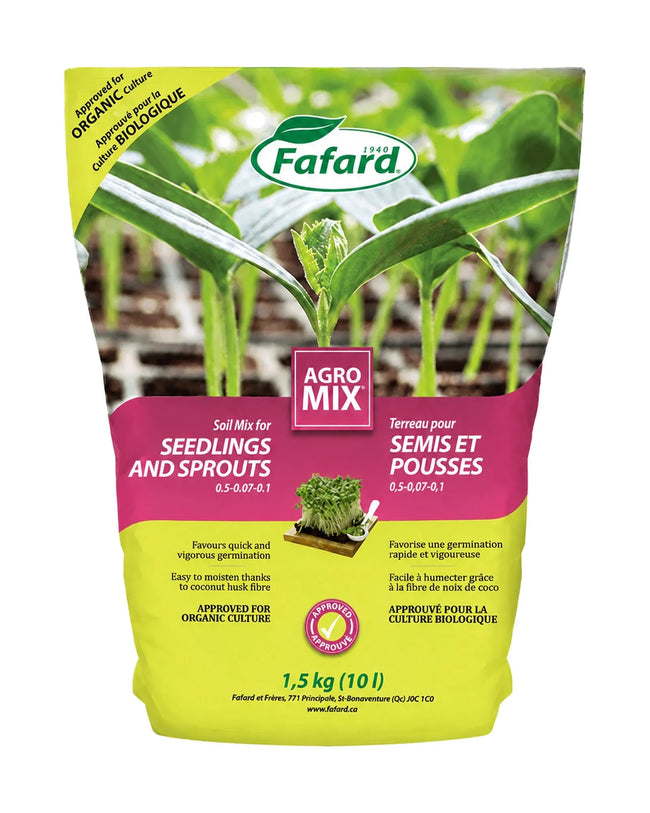
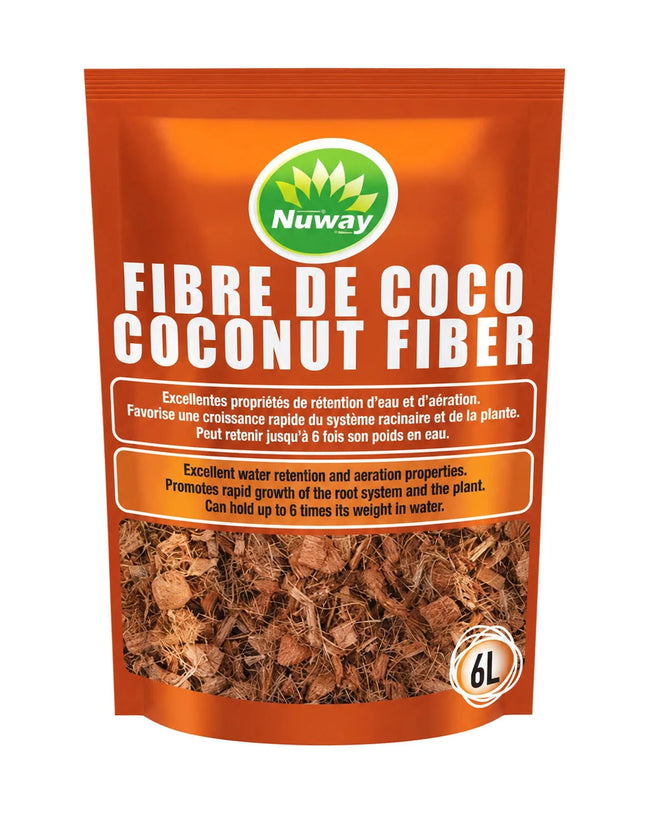
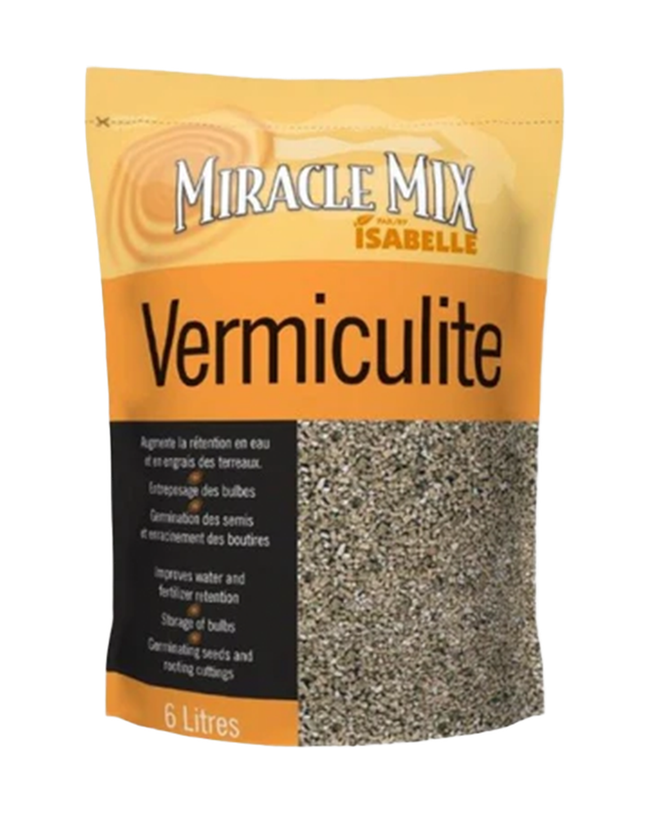
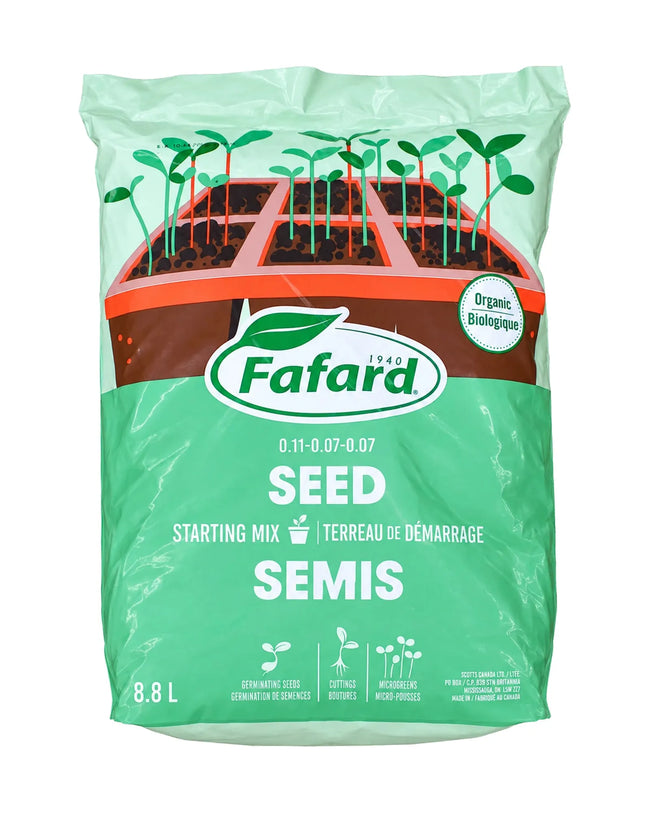
Seed Starting Soil
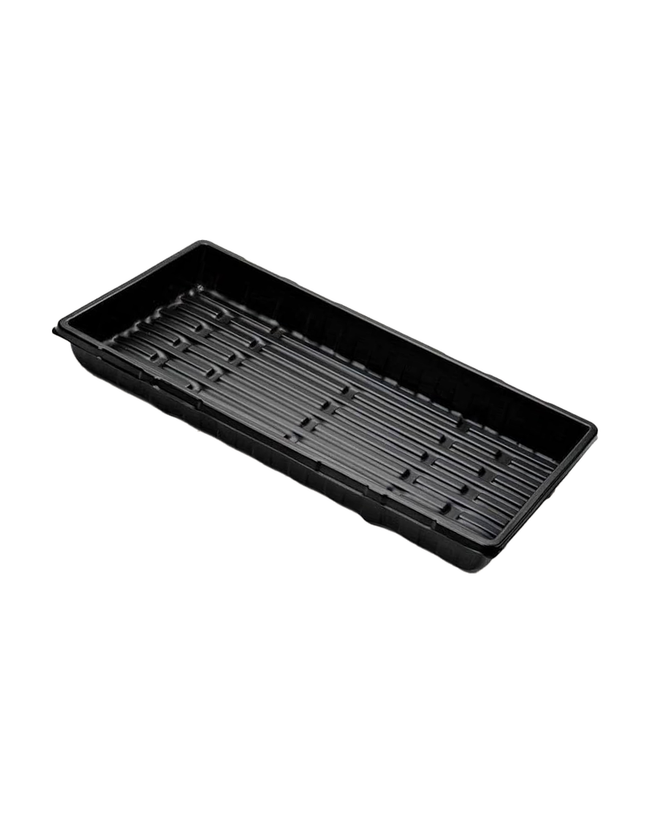
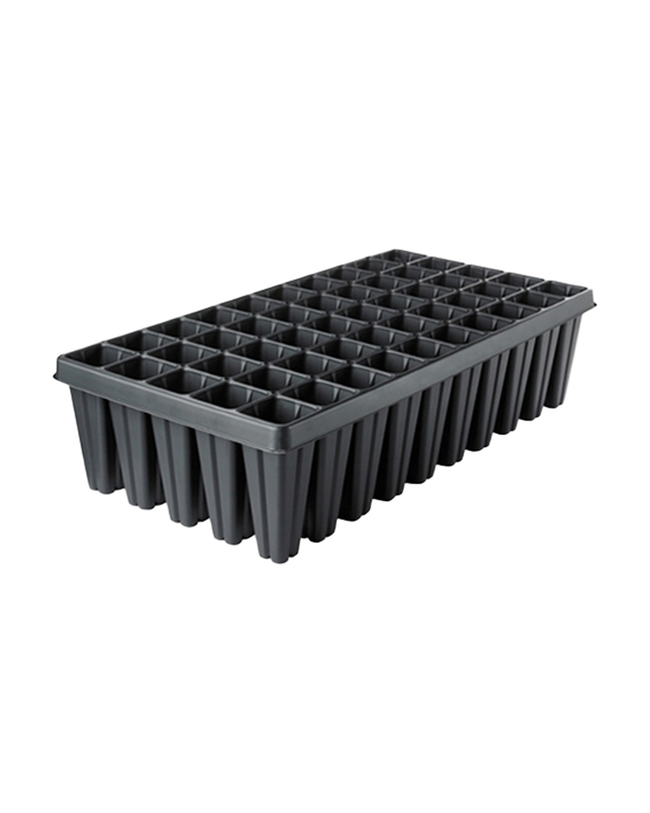
Shop the collectionSeed starting supplies
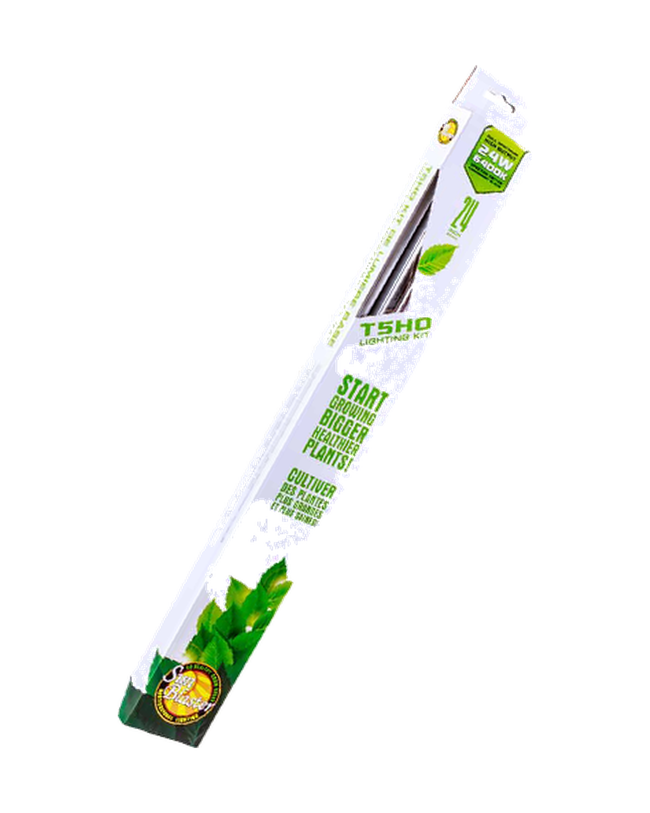
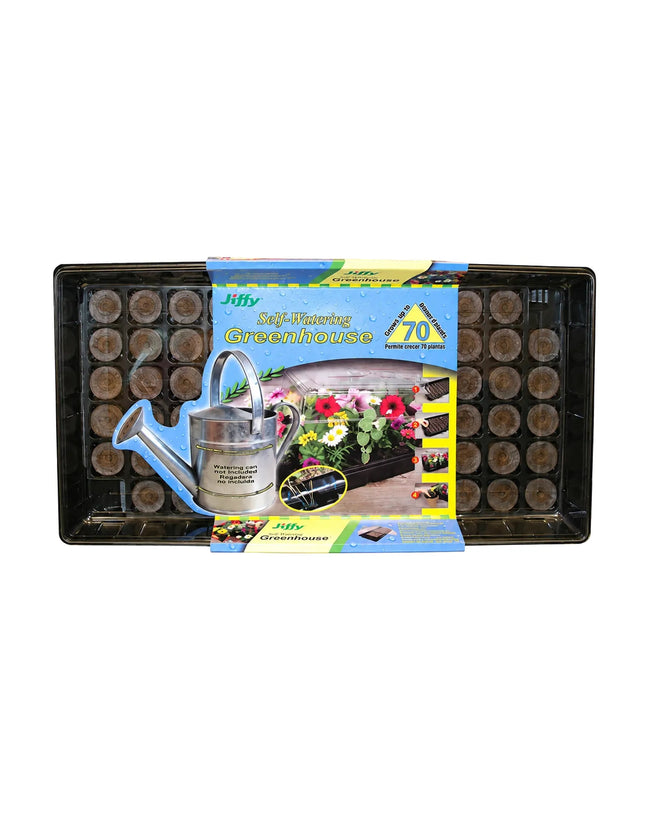
Shop the collection