Sale
Sold out

Seeds
Asteraceae
Organic seeds
Red Peruvian zinnia organic
Zinnia peruviana
Product code : TOURNE-0160
Peruvian zinnia du Pérou rouge is an annual with small, single red flowers and yellow-to-brown centres. Its old-fashioned character suits sunny borders, containers, pollinator gardens, and informal bouquets. Ferme Tourne-Sol supplies 50 organic, open-pollinated seeds certified by Ecocert Canada. Start the seeds indoors about four weeks before transplanting, then plant outside after the last frost because the species is frost tender. Successive sowings every two to four weeks can provide younger plants through the season and help maintain a lively display while warm weather supports growth and flowering. The simple blooms remain visually light and easy to combine with other warm-season flowers in modest garden spaces.
- Quantity
- 50 seeds
- Exposure
- Full sun
- Life cycle
- Annual
Discover the plant
Common nameRed Peruvian zinnia
FamilyAsteraceae
GenusZinnia
Speciesperuviana
CultivarPeruvian Red
TypeSeeds
Botanical nameZinnia peruviana
Reproducible seedsYes
Red Peruvian zinnia organic (Zinnia peruviana) produces small, single red flowers with centres that shift from yellow to brown. Their antique appearance adds warm colour to sunny borders, naturalistic plantings, and informal bouquets. Ferme Tourne-Sol recommends pairing them with yellow Peruvian zinnia for a contrast characteristic of this species. Each packet contains 50 organic seeds certified by Ecocert Canada. They are open-pollinated and suitable for seed saving. This annual suits gardeners looking for a distinctive flower that remains accessible to visiting insects and fits easily into a warm-season planting without the visual weight of a large double zinnia.
Start the seeds indoors about four weeks before transplanting. Wait until frost risk has passed before planting outside because Zinnia peruviana is frost tender. Full sun, light or sandy soil, and sharp drainage support balanced growth. Keep the growing medium lightly moist during establishment without saturating it, then water at soil level when the surface begins to dry. Ferme Tourne-Sol suggests sowing again every two to four weeks. Warm conditions support fast growth and flowers that may continue from summer into fall. Careful outdoor timing is especially important because frost kills the plants and cold soil slows establishment.
Use Peruvian Red zinnia seeds in beds, borders, containers, pollinator gardens, or cutting patches. The red flower heads with yellow-to-brown centres combine well with yellow, white, or purple flowers while keeping an airy presence. For a tidy display, select an open location, direct water toward the soil, and remove faded blooms as needed. To save seed, identify several healthy heads and allow them to dry completely on the plant before collection. Successive sowings can also renew flowers available for bouquets and visiting insects through the warm season. The simple bloom form keeps the red colour clear in both small gardens and larger mixed plantings.

Sowing guide
It all startswith a seed.
Sowing period
Start indoors four weeks before transplanting; plant outside after the last frost; sow again every two to four weeks
Propagation
Seed
Growing method
Start Peruvian zinnia du Pérou rouge indoors about four weeks before the intended transplanting date. Use a clean, well-drained seed-starting mix and keep it lightly moist without saturating it. Provide abundant light after emergence and wait until all frost risk has passed before planting outside, since Ferme Tourne-Sol identifies this species as frost tender. Harden seedlings off gradually. Choose a full-sun location with light, preferably sandy soil where water does not collect. Water regularly during establishment, then allow the surface to dry slightly between waterings. Successive sowings every two to four weeks can renew the planting through the warm season. Provide enough air movement and direct water toward the soil to reduce prolonged moisture on the foliage. Remove faded flowers for a tidy display, or allow selected heads to dry completely when saving seed. If aphids or thrips appear, assess their numbers before intervening and favour a gentle response that remains compatible with beneficial insects. The species grows quickly once warm weather arrives, so avoid holding seedlings in undersized containers for an unnecessarily long period. Label successive sowings to compare their flowering dates under local conditions. Keep the plant label beside the selected seed-saving heads.
Soil and care
The right care,at the right time.
Care level
Easy
Drought tolerance
Yes
Watering
Water regularly during germination and establishment, keeping the growing medium lightly moist rather than waterlogged. Once plants are rooted, allow the surface to dry slightly before watering again. Direct water toward the soil in the morning to reduce prolonged moisture on the foliage. Zinnia peruviana can then tolerate occasional periods of drier soil. After heavy rain, wait for drainage to work before adding more water, especially in containers and compact garden beds.
Soil type
Peruvian zinnia du Pérou rouge prefers sandy or light, well-drained soil in full sun. The soil may become occasionally dry, but it should not remain waterlogged. In heavy ground, mature compost can improve structure; in containers, an airy potting mix and open drainage holes prevent water from collecting around the plant’s short taproot. A very thin mulch can reduce soil splash without trapping excessive moisture around the stems during wet periods.
Fertilization
Light soil amended with a modest amount of mature compost is generally sufficient for Peruvian zinnia du Pérou rouge. Avoid excessive nitrogen, which can encourage soft foliage at the expense of flowers. In containers, a diluted balanced fertilizer may be used if growth becomes pale or slows, always applying it to a medium that is already moist. Compact, well-coloured growth generally indicates that nutrient levels are sufficient and no additional feeding is needed.
Seasonal care
In spring, start the seeds indoors four weeks before transplanting and provide abundant light as soon as seedlings emerge. Once nights are frost-free, harden plants off for several days before moving them into full sun. Water at soil level during establishment and check drainage after heavy rain. In summer, remove faded flowers when a tidy display is preferred and inspect foliage occasionally because aphids and thrips may visit zinnias. New sowings every two to four weeks can add younger plants to the composition. Avoid overwatering and maintain enough spacing for air movement. In fall, enjoy the flowers until temperatures decline, then select healthy flower heads if seed saving is desired. Allow those heads to dry completely on the plant before collection. After frost, remove the annual stems or retain a few dry heads when their structure suits the garden design. Record the date of each sowing to identify the schedule that performs best in the garden. During very hot weather, check containers daily but water only when the mix begins to dry. If foliar disease appears, remove heavily affected material and avoid wetting the leaves. Clean cutting tools before moving to other plants. Store fully dried seed in a labelled paper envelope protected from moisture and heat. Review the season’s notes before deciding how many successive sowings to make the following year.
Container growing
A garden,within reach.
Recommended pot size
Stable, well-drained container sized for the number of plants
Peruvian zinnia du Pérou rouge can grow in a container when the pot is stable, receives full sun, and has several open drainage holes. Fill it with an airy potting mix rather than compact garden soil. After transplanting, water deeply, allow excess water to drain, and check moisture more often than in the ground because containers warm and dry quickly. Do not keep the plant’s short taproot in saturated mix. Place the container where air can move around the foliage. Remove faded flowers for a neat display or retain selected heads for seed collection. Light, balanced feeding is enough when the mix already contains compost. Combine the variety with plants that share its need for full sun and sharp drainage without crowding the pot. Move the container to shelter during a late frost because the species is frost tender. Rotate the container periodically when light comes mainly from one direction so the stems remain more upright. During windy weather, check the pot’s stability and keep stems from rubbing against a hard surface. Never allow a saucer to hold standing water for long after irrigation. Record which sowing date produces the strongest display on the site.

Bloom and dimensions
Its place,in your garden.
Mature height
15 to 90 cm depending on conditions
Width / spread
Up to about 60 cm depending on conditions
Flower color
Red with a yellow-to-brown centre
Foliage color
Green
Foliage type
Herbaceous
Growth rate
Fast
Growth habit
Erect
Bloom period
Peruvian zinnia du Pérou rouge produces small, single red flowers with centres ranging from yellow to brown. Bloom occurs during warm weather and may continue from summer into fall. Full sun, well-drained soil, and regular watering without excess support a consistent display. Remove faded heads to maintain interest or allow selected heads to dry for seed collection. Cut stems when flowers are well open for small bouquets, using clean tools and leaving enough blooms for visiting insects.
Harvest
Allow flower heads to dry completely on the plant before collecting seed

Garden associations
In goodcompany.
Companion plants
Ferme Tourne-Sol recommends pairing Peruvian zinnia du Pérou rouge with yellow Peruvian zinnia. Yellow, white, or purple annuals can also emphasize the small red flowers when they share compatible requirements for full sun, drainage, and watering. Leave enough room for air movement and avoid vigorous neighbours that would quickly shade the stems or keep the surrounding soil constantly wet. These combinations organize colour and simplify care rather than relying on an unproven protective companion-planting claim. Repeating both Peruvian colours creates a deliberate rhythm along a sunny border.
Frequently asked questions
Your questions,answered.
How to plant zinnia seeds for Zinnia du Pérou rouge?
To learn how to plant zinnia seeds for Zinnia du Pérou rouge, start them indoors about four weeks before transplanting. Use a clean, well-drained medium and keep it lightly moist. Provide abundant light after seedlings emerge. Harden them off gradually, then plant outside only after the last frost because Ferme Tourne-Sol identifies this species as frost tender. Additional sowings every two to four weeks can renew the planting through warm weather. Water gently so the seeds are not displaced, and avoid leaving the growing medium waterlogged. Label the tray with the date and the name Zinnia peruviana, then record emergence so the schedule can be adjusted to the garden’s own conditions the following year. Good air movement and consistent light help produce compact seedlings before they are gradually hardened off outdoors.
Where should Peruvian zinnia du Pérou rouge be grown?
Grow Peruvian zinnia du Pérou rouge in full sun and sandy or light soil with sharp drainage. The species tolerates occasional drier periods after establishment but benefits from regular watering without excess. It suits borders, containers, mass plantings, pollinator gardens, and cutting gardens. An airy location also helps the foliage dry after rain and makes the flowers easier to inspect and cut. NC State Extension notes that Zinnia peruviana has a short taproot and should not be overwatered. In a container, use an airy mix and open drainage holes. In a garden bed, avoid low spots where water remains after heavy rain, and direct irrigation toward the soil rather than the foliage.
What do Zinnia du Pérou rouge flowers look like?
Ferme Tourne-Sol describes small red zinnias with centres ranging from yellow to brown. The flowers are single and give the garden an antique appearance. Their open form suits visiting insects, while the warm colour fits easily into informal bouquets. To follow the producer’s suggested pairing, combine this variety with yellow Peruvian zinnia. Bloom develops during warm weather and may continue from summer into fall. Cut flower heads when they are well open, or allow selected healthy blooms to complete their cycle for seed saving. Successive sowings every two to four weeks can renew the display according to available warmth and local growing conditions.
Can Zinnia du Pérou rouge be grown in a container?
Yes. Choose a stable container with several open drainage holes and fill it with an airy potting mix. Place it in full sun, water deeply, and let excess moisture drain. Check the mix regularly because containers dry faster than garden beds, but do not keep the roots waterlogged. Leave enough room around the foliage for air movement and protect the plant if a late frost threatens. Rotate the pot when light comes mainly from one direction and check its stability during windy weather. Light feeding is enough in a mix that already contains compost. Remove faded blooms or reserve several clearly marked heads for seed. Never leave the container standing in a saucer of water, especially during cool or cloudy periods.
Are Zinnia du Pérou rouge seeds organic and open-pollinated?
Yes. Ferme Tourne-Sol sells this packet of 50 seeds as organic and certified by Ecocert Canada. The farm also states that its seeds are open-pollinated and can be reproduced. To collect Peruvian zinnia du Pérou rouge seed, allow selected flower heads to dry completely on the plant before harvesting. Preserving the variety faithfully also requires appropriate pollination management and isolation from related zinnias. Ferme Tourne-Sol also states that its seeds are selected for its bioregion, contain no GMOs, and are produced with organic methods. Store completely dry seed in a labelled envelope showing the species, variety, and harvest year, protected from heat and moisture. Keep notes on nearby zinnias when evaluating varietal purity.
Wildlife and pets
Life,around your plants.
Supporting wildlife
The single flowers of Peruvian zinnia du Pérou rouge are accessible to visiting insects and suit a pollinator garden. Actual activity varies with season and location. Avoid broad-spectrum pesticides during bloom and maintain a diversity of flowering plants to provide resources over a longer period. Observe the flowers during calm, sunny weather to notice this activity more easily without disturbing the visitors.
For a great start to your seeds
The right extras.Right here.
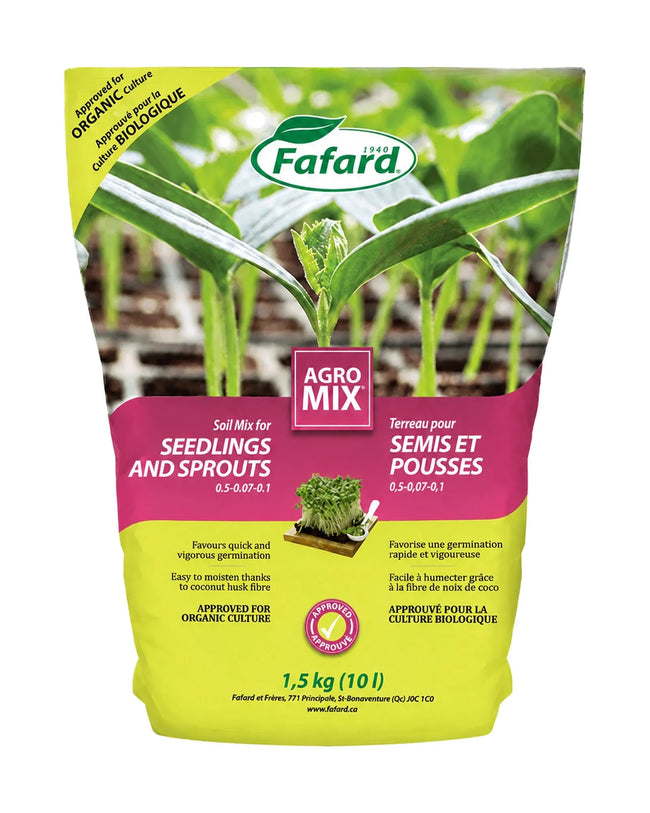
Seed Starting Soil
Shop the collectionSeed starting supplies
Shop the collection