Organic annual flower seeds

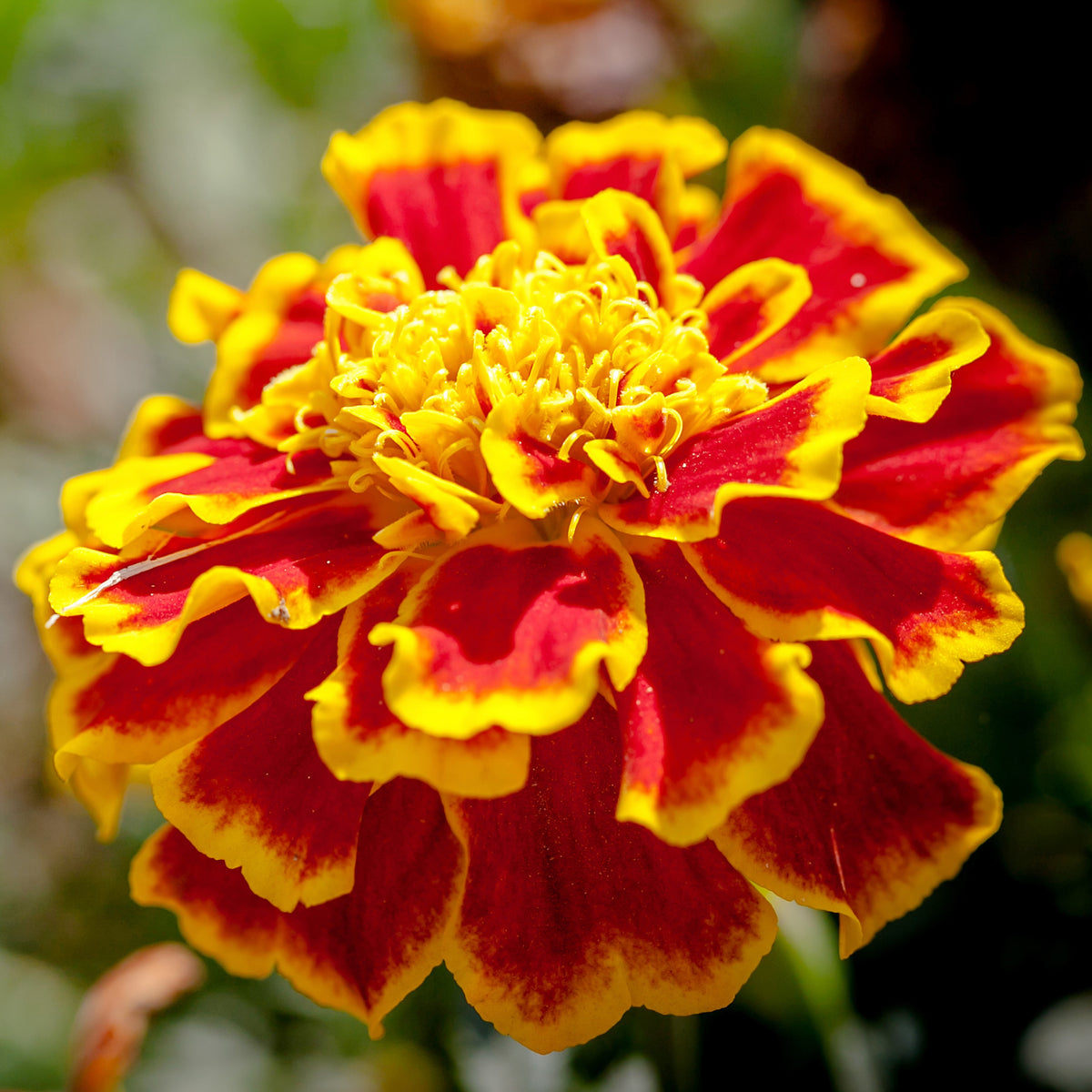
Organic ‘French Sparkly’ French marigold

Tagetes patula ‘French Sparkly’

Product code : BIOVO-0125

Compact organic open-pollinated marigold with abundant yellow-and-red flowers for borders containers and pollinator-friendly gardens.
4 49 $
Pay in 4 interest-free payments with Sezzle
Detailed plant guide
Advice adapted to Canada
Secure payment
Share
Quantity
About 100 seeds
Exposure
Full sun
Life cycle
Annual

Discover the plant

Common nameFrench Sparkly French marigold
FamilyAsteraceae
GenusTagetes
SpeciesTagetes patula
CultivarFrench Sparkly
TypeCompact organic annual flower
Botanical nameTagetes patula ‘French Sparkly’
Reproducible seedsYes

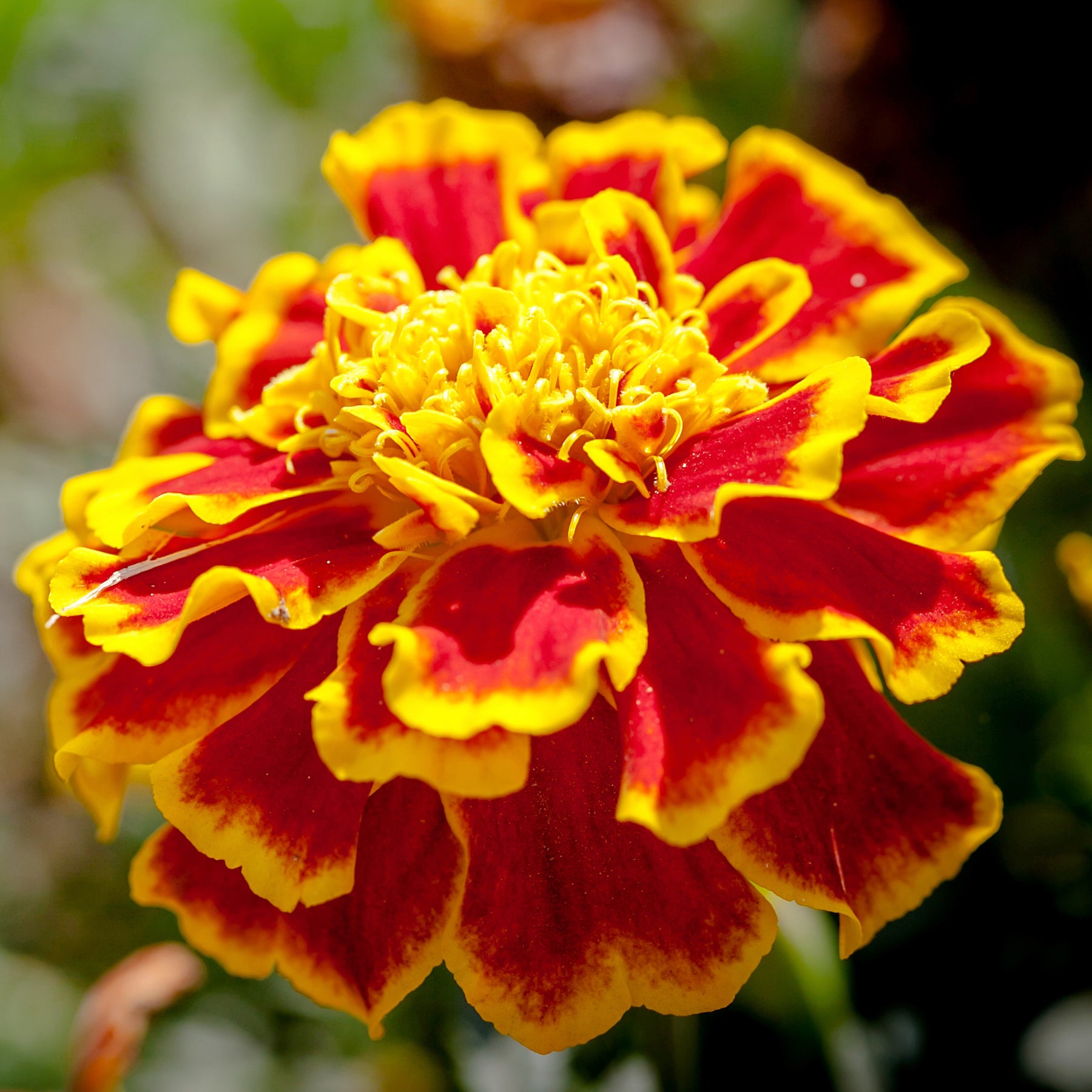
Organic ‘French Sparkly’ French marigold (Tagetes patula ‘French Sparkly’) is a compact annual producing abundant yellow-and-red bicoloured flowers from early summer until first frost. The Biologiquement Vôtre workbook lists approximately 100 organic non-heirloom open-pollinated seeds and both height and spread of 20–30 cm. Finely cut green foliage and rounded habit suit borders beds containers and flowering vegetable gardens where blooms attract bees hoverflies and other beneficial insects.

Sow indoors in spring or directly outdoors after last frost from April through June approximately 0.5 cm deep. Maintain 20–24°C and even moisture; emergence generally takes 5–10 days. Set or thin plants 20–30 cm apart in full sun and ordinary loose well-drained soil. Water regularly during establishment then whenever the surface begins to dry. Avoid constantly waterlogged soil and excess nitrogen that promotes foliage at the expense of flowers.

Regularly remove spent blooms to support new buds from June through October. Monitor containers more closely during hot weather without leaving standing water. Watch for slugs aphids spider mites and rot symptoms, removing affected tissue. This fiche presents French Sparkly as an ornamental ecological plant; no food use is confirmed for this lot. Precise companion effects, flower count, resistance to particular pests, and vase life are not guaranteed.

Organic ‘French Sparkly’ French marigold (Tagetes patula ‘French Sparkly’)

Sowing guide

It all startswith a seed.

Sowing depth

0.5 cm (1/4 in)

Spacing / density

20 to 30 cm between plants

Germination temperature

20 to 24°C (68 to 75°F)

Germination time

5 to 10 days

Sowing period

April through June indoors or after last frost

Propagation

Direct sowing

Growing method

Sow indoors in spring or directly after last frost from April through June 0.5 cm deep. Maintain 20–24°C and even moisture until emergence in 5–10 days. Harden indoor seedlings then transplant or thin to 20–30 cm in full sun and drained soil. Water regularly during establishment then when the surface dries. Avoid excess nitrogen. Remove spent flowers from June until first frost and monitor slugs aphids spider mites and rots.

Soil and care

The right care,at the right time.

Soil pH

Approximately 6.0 to 7.0

Minimum temperature

0°C (32°F)

Care level

Easy to moderate

Watering

Keep potting mix evenly moist during germination without saturation so fine seeds neither move nor rot. After transplanting or thinning water deeply at soil level whenever the top two or three centimetres begin to dry. Once established French Sparkly tolerates short dry periods but prolonged drought reduces buds and wilts young plants. Avoid frequent shallow watering and standing water. Water in the morning, direct moisture to soil, and mulch lightly. In containers check moisture daily during hot periods.

Soil type

Grow in ordinary loose well-drained soil with a slightly acidic to neutral pH near 6.0–7.0. Incorporate a moderate amount of mature compost if soil is poor while avoiding fresh manure and excess nitrogen that promotes leaves at the expense of flowers. Work soil when neither sticky nor dusty and break large clods before planting. In heavy or constantly wet ground use a raised bed or drained container. Do not compact the root zone and leave enough spacing for air circulation around foliage.

Fertilization

At the beginning of cultivation incorporate only a small amount of mature compost if soil is poor. French Sparkly flowers best in reasonably fertile soil without excess: too much nitrogen produces abundant foliage but fewer blooms and may make tissue more susceptible. If a soil test confirms deficiency apply a light dose of balanced fertilizer or one slightly higher in phosphorus and potassium strictly according to its label, then water. Do not use fresh manure or place concentrated fertilizer against roots. In containers wait until vigour or flowering truly declines before using a very dilute balanced solution.

Moisture

Cool consistently moist soil without saturation

Seasonal care

In spring keep seedlings warm and moist then gradually harden plants before setting out after frost. Water regularly during establishment and weed without damaging roots. From June until first frost frequently remove spent flowers to support new buds. Monitor slugs aphids spider mites and rots; space plants and water at soil level. Avoid excess nitrogen fertilizer. After first frost remove annual plants and diseased residues. Keep only fully healthy dry flower heads if collecting open-pollinated seed.

Container growing

A garden,within reach.

Recommended pot size

10 to 15 L (2.5 to 4 gal)
Choose a 10–15 L container at least 20 cm deep with several drainage holes. Fill with light ordinary well-drained potting mix enriched with a small amount of mature compost. Space plants 20–30 cm apart or retain only a few per pot for air circulation. Place in full sun, water when the surface dries without leaving water in the saucer, and regularly remove spent blooms. Rotate for balanced light and monitor drying daily during hot periods.
Organic ‘French Sparkly’ French marigold (Tagetes patula ‘French Sparkly’)

Bloom and dimensions

Its place,in your garden.

Mature height

20 to 30 cm (8 to 12 in)

Width / spread

20 to 30 cm (8 to 12 in)

Flower color

Yellow and red

Foliage color

Green

Foliage type

Herbaceous rosette

Growth rate

Very fast in cool weather

Growth habit

Compact and rounded

Fragrance

Mild, tender, and sweet

Bloom period

Abundant yellow-and-red flowering from early summer until first frost

Fruiting

Seed production in dried flower heads after bloom

Harvest

Flowering generally extends from June through October until first frost. To prolong display cut spent heads above a healthy leaf before energy is spent on seed. Harvest cut flowers early in the morning while stems are firm then place promptly in clean water; vase life is not guaranteed. If saving seed leave only a few healthy heads to dry completely on the plant, collect in dry weather, and label. Discard any mouldy slimy or pest-damaged flower.
Organic ‘French Sparkly’ French marigold (Tagetes patula ‘French Sparkly’)

Garden associations

In goodcompany.

Companion plants

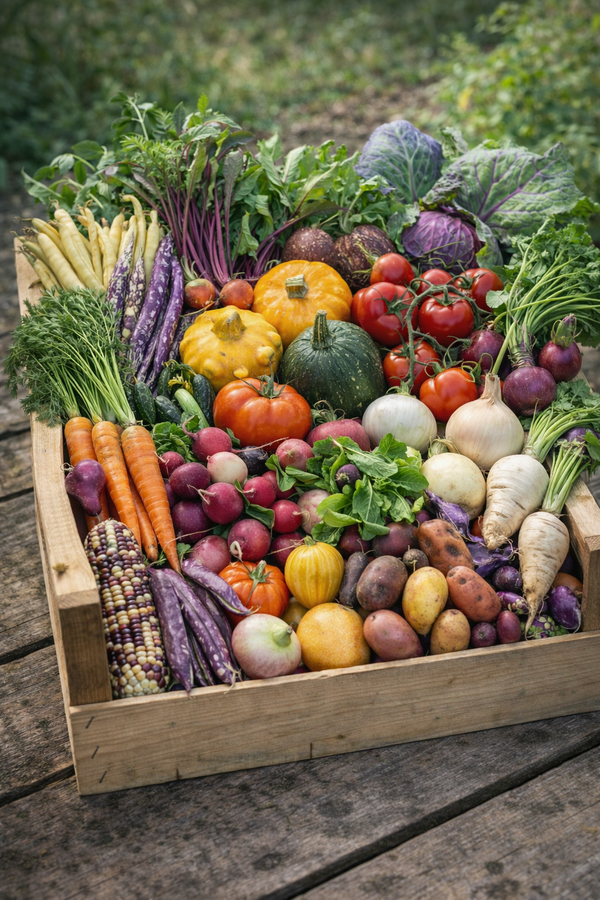
Tomato, garden vegetables

Plants to avoid

Bean, cabbage

Recipe idea

From the gardento your plate.

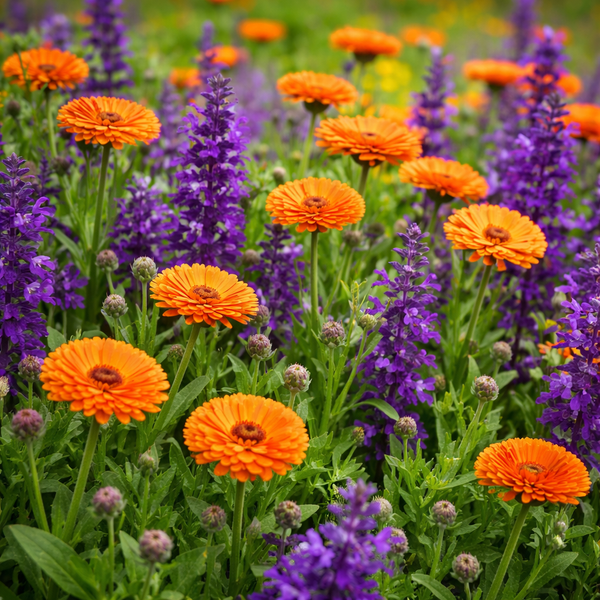
French Sparkly is primarily grown for its ornamental and ecological value rather than culinary use. Its brilliant red and yellow flowers brighten borders, containers, and vegetable gardens while attracting bees, hoverflies, and other beneficial insects. This Tagetes patula variety is especially valued as a companion plant in organic vegetable gardens and also produces attractive cut flowers for seasonal arrangements.

Frequently asked questions

Your questions,answered.

When should French Sparkly marigold be sown?
Sow indoors in spring or directly outdoors after last frost from April through June. Place seed approximately 0.5 cm deep, maintain 20–24°C, and keep the mix moist without saturation; emergence normally takes 5–10 days. Gradually harden indoor-grown plants before placing in full sun. Space 20–30 cm apart after frost risk has passed.
Why choose French Sparkly in the garden?
French Sparkly combines a compact 20–30 cm habit with abundant yellow-and-red flowers from June until first frost. It therefore suits borders beds containers and flowering vegetable gardens. Blooms attract beneficial insects but the fiche guarantees no specific repellent effect or measurable yield improvement for neighbouring plants.
How can flowering be prolonged?
Place plants in full sun, water regularly during establishment then when the surface dries, and remove spent heads before complete seed formation. Avoid excess nitrogen that promotes leaves at the expense of flowers. In containers monitor moisture daily during heat. Flowering generally continues from June until first frost while plants remain healthy.
Can French Sparkly be grown in a container?
Yes. Use a well-drained 10–15 L container at least 20 cm deep. Fill with light potting mix, space plants 20–30 cm apart, and place in full sun. Water when the surface dries without standing water, rotate for balanced light, and regularly remove spent blooms. A few plants are enough to avoid crowding and diseases linked to poor air circulation.
Are the flowers edible?
Food use is unconfirmed for this French Sparkly lot. The fiche therefore presents it only as an ornamental ecological plant. Do not use flowers leaves or stems in food without explicit identification and direction from the supplier for this exact product. Cut flowers may serve in decorative bouquets while garden plants attract bees hoverflies and other beneficial insects.

Wildlife and pets

Life,around your plants.

Supporting wildlife

Bees and Pollinators