Sale
Sold out

Non-organic seeds, Untreated seeds, F1 hybrid, coated seeds
Solanaceae
Fruiting vegetables seeds
Sweet Valentine F1 patio cherry tomato
Solanum lycopersicum
Product code : 65-9281-01N
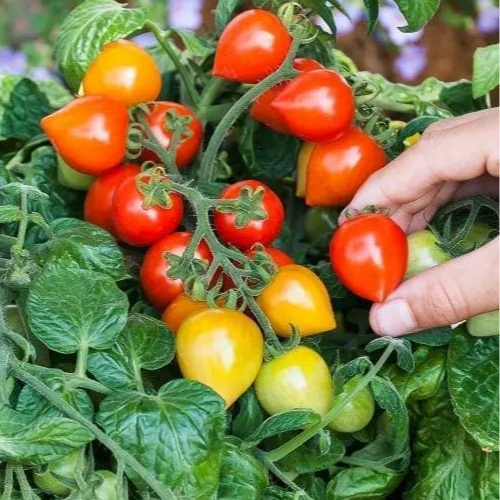
Sweet Valentine F1 is a Patio Collection cherry tomato designed for containers and restricted spaces. Its very small, determinate, compact, well-branched plant carries cute red heart-shaped fruit weighing 10 to 15 g. Harvest begins approximately 60 days after transplanting, providing an early supply of decorative, practical tomatoes for snacks, salads, and platters. The official packet contains approximately 10 untreated seeds, with no coating or other treatment stated. Place the plant in full sun in rich, well-drained potting mix, maintain consistent moisture, and give fruit-laden branches light support. The heart shape makes every harvest instantly recognizable and gives simple fresh dishes an appealing decorative detail for summer meals.
- Quantity
- Approximately 10 seeds per packet
- Exposure
- Full sun
- Life cycle
- Annual
Discover the plant
Common nameSweet Valentine F1 patio cherry tomato
FamilySolanaceae
GenusSolanum
Specieslycopersicum
CultivarSweet Valentine F1
TypeNon-organic seeds, Untreated seeds, F1 hybrid, coated seeds
Botanical nameSolanum lycopersicum
Sweet Valentine F1 patio cherry tomato (Solanum lycopersicum) Sweet Valentine F1 patio cherry tomato is a fruiting vegetables variety offered as seed for gardeners who want clear, practical product information. Confirmed details include height: Very small plant; exact height not stated by W.H. For best results, follow the sowing, light, and spacing information associated with this variety. You can adjust care to your soil, weather, and observed growth without exceeding the plant’s actual needs. Sweet Valentine F1 Patio Collection 60 Small Det. Gradual hardening helps reduce transplant stress when seedlings have been started indoors before moving into the garden.
Perron or Norseco, spread: Compact plant for containers or small spaces; exact spacing not stated, colour: red. The packet contains approximately 10 seeds, and the formulation is non-organic seeds, untreated seeds, f1 hybrid, coated seeds. Rouge 10-15 Cute, small, heart-shaped red fruits on a small, well-branched, determinate plant. Sweet Valentine is perfect for pot cultivation or small planting areas. A suitable mulch can help stabilize moisture, reduce soil splash, and limit competition from weeds around established plants. Growth is worth checking after major changes in temperature, light exposure, rainfall, or watering frequency.
For containers, drainage and soil volume directly influence moisture stability around the roots and the frequency of watering. In the garden, an accessible position makes observation, occasional watering, harvesting, and timely maintenance easier. It is recommended to remove only damaged material while retaining healthy foliage needed for continued growth. Results may vary with weather, sowing date, soil quality, and the number of hours of useful light each day. This approach helps gardeners enjoy the variety’s confirmed qualities without adding more maintenance than the plant requires. For best results, check the growing medium before watering and adjust frequency to the actual conditions around the plant.

Sowing guide
It all startswith a seed.
Sowing depth
3 mm (1/8 in)
Spacing / density
45 to 60 cm (18 to 24 in) between plants
Germination temperature
24 to 29 °C
Germination time
5 to 10 days
Sowing period
Indoors, 6 to 8 weeks before the last frost
Propagation
Seed
Growing method
Sow ‘Sweet Valentine’ F1 indoors six to eight weeks before the usual last-frost date. Place seeds about 3 mm (1/8 in) deep in sterile seed-starting mix that is moist but not waterlogged. Keep the medium between 24 and 29 °C until emergence, usually in 5 to 10 days, then place seedlings under strong light for 14 to 16 hours daily. When the first true leaves develop, transplant seedlings individually into deeper pots and begin light feeding. Harden plants for seven to ten days by gradually increasing exposure to wind and direct sun. Transplant after all frost danger has passed, the soil has warmed, and nights ideally remain above 10 °C. Choose a sunny site, incorporate mature compost, and bury the stem up to the lowest healthy leaves. Space plants 45 to 60 cm (18 to 24 in) apart. Install a cage at planting, water deeply at soil level, and apply mulch after the soil has warmed. Maintain even moisture without saturating the root zone, and avoid overhead irrigation whenever possible. Regular observation makes it easier to adjust watering, support, and harvest timing to the garden’s actual conditions. Good airflow and dry foliage also reduce the conditions that favour common leaf diseases.
Soil and care
The right care,at the right time.
Soil pH
6.0 to 7.0
Care level
Moderate
Watering
Water deeply at soil level when the surface begins to dry, aiming for even moisture instead of frequent shallow sprinkling. Avoid alternating severe dryness with excess water, since these shifts can contribute to cracking and blossom-end rot. Mulch reduces evaporation and soil splash. In containers, check moisture daily during hot weather, water until excess drains, and never leave the pot standing in water.
Soil type
Grow ‘Sweet Valentine’ F1 in loose, fertile, well-drained soil amended with mature compost. A loamy texture that holds steady moisture without remaining saturated supports roots and reduces sudden moisture changes associated with cracking and blossom-end rot. A pH range of approximately 6.0 to 7.0 is suitable. In containers, use vegetable potting mix rather than garden soil alone, and ensure excess water can leave freely.
Fertilization
Before planting, incorporate mature compost and, when needed, a vegetable fertilizer selected from a soil test or label directions. After establishment, use a balanced or tomato-formulated product and support fruiting without repeatedly increasing the dose. Excess nitrogen produces abundant foliage at the expense of flowers and fruit. In containers, divide applications into smaller feedings and apply fertilizer only to potting mix that is already slightly moist.
Moisture
Evenly moist soil, never waterlogged
Seasonal care
In spring, start seeds six to eight weeks before the last frost and provide warmth, strong light, and air movement. Pot seedlings up after true leaves appear, then harden them gradually. Wait until the soil is warm and frost danger has passed before transplanting. Install a cage, water deeply, and allow the soil to warm before mulching. In summer, check moisture consistently, especially in containers. Irrigate at soil level, keep moisture even, and renew mulch when needed. Feed moderately after establishment and again as fruit develops without overloading plants with nitrogen. Inspect leaves for spots, caterpillars, or other damage and remove affected tissue promptly with clean tools. Because ‘Sweet Valentine’ F1 is determinate, do not routinely remove every sucker, which would reduce the crop. In autumn, pick ripe fruit and tomatoes that have started colouring before the first frost. Discard diseased plants rather than placing them in a home compost pile. Clean cages and remove debris. In winter, plan a three- to four-year rotation away from other nightshade crops and store unused commercial seed in a cool, dry location. Regular observation makes it easier to adjust watering, support, and harvest timing to the garden’s actual conditions. Good airflow and dry foliage also reduce the conditions that favour common leaf diseases. In Canada, protection from cold nights is more useful than rushing plants into chilly soil.
Container growing
A garden,within reach.
Recommended pot size
At least 19 L (5 US gal), ideally 25 to 40 L
Choose a container holding at least 19 L (5 US gal) for one plant, ideally 30 to 40 cm (12 to 16 in) deep and equipped with several drainage holes. A larger 25 to 40 L pot buffers moisture more effectively during hot weather and reduces root stress. Fill it with a quality vegetable potting mix amended with mature compost while remaining light and porous; do not use compact garden soil alone. Place ‘Sweet Valentine’ F1 in the sunniest available location with at least six to eight hours of direct light, and install a short cage when planting. Water slowly until excess drains, then repeat when the upper layer begins to dry. Daily checks may be necessary in summer. Feed with a tomato fertilizer according to its label and avoid excessive nitrogen. Remove only diseased leaves or those touching the mix; a determinate plant should not be pruned severely. Rotate the pot if needed for even light. Before frost, harvest coloured fruit and compost only healthy plant material, because tomatoes do not overwinter outdoors in Canada. Regular observation makes it easier to adjust watering, support, and harvest timing to the garden’s actual conditions.

Bloom and dimensions
Its place,in your garden.
Mature height
Very small plant; exact height not indicated by W.H. Perron or Norseco
Width / spread
Compact plant for a pot or small space; exact spacing not indicated
Flower color
Yellow
Foliage color
Green
Foliage type
Deciduous; frost-tender annual crop
Growth rate
Fast
Growth habit
Determinate, very small, compact, and well branched
Bloom period
Small yellow tomato flowers develop in clusters once the plant is mature and temperatures are favourable. ‘Sweet Valentine’ F1 is self-fertile: wind and vibration release pollen, while bumblebees may improve that movement through buzz pollination. Excessive heat, persistent cold, drought stress, irregular watering, or too much nitrogen can cause flower drop and reduce fruit set. Avoid broad-spectrum insecticides while flowers are open and bees are visiting.
Fruiting
Sweet Valentine F1 produces small red heart-shaped fruit weighing approximately 10 to 15 g. The very small, well-branched determinate plant distributes its crop across a compact framework. Maturity occurs approximately 60 days after transplanting. Pick tomatoes when evenly red, still firm but slightly yielding, then harvest regularly to lighten the branches and maintain a tidy container display. Light support prevents the well-branched framework from sagging under the developing crop and keeps fruit clearly visible for timely picking.
Days to maturity
Approximately 60 days after transplanting
Harvest
Harvest small red heart-shaped fruit approximately 60 days after transplanting, once evenly coloured
Garden associations
In goodcompany.
Companion plants
Pair ‘Sweet Valentine’ F1 with crops that share full sun without blocking airflow around its leaves. Basil, parsley, chives, early-harvested lettuce, and low flowers can use neighbouring space and diversify the garden. Maintain adequate spacing for watering, inspection, and harvest. These combinations are suggested for organization, biodiversity, texture, and convenient kitchen use, not as evidence that one companion automatically protects tomatoes from insects or disease. Regular observation makes it easier to adjust watering, support, and harvest timing to the garden’s actual conditions.
Recipe idea
From the gardento your plate.
Edible parts
Ripe fruit
After harvesting Sweet Valentine F1 patio cherry tomato, use only the specified edible parts, washed carefully and gathered at the proper stage. Sweet Valentine F1 patio cherry tomato is a fruiting vegetables variety offered as seed for gardeners who want clear, practical product information. Confirmed details include height: Very small plant; exact height not stated by W.H. Perron or Norseco, spread: Compact plant for containers or small spaces; exact spacing not stated, colour: red. The packet contains approximately 10 seeds, and the formulation is non-organic seeds, untreated seeds, f1 hybrid, coated seeds. For best results, follow the sowing, light, and spacing information associated with this variety. You can adjust care to your soil, weather, and observed growth without exceeding the plant’s actual needs. Sweet Valentine F1 Patio Collection 60 Small Det. Rouge 10-15 Cute, small, heart-shaped red fruits on a small, well-branched, determinate plant. Sweet Valentine is perfect for pot cultivation or small planting areas.
Frequently asked questions
Your questions,answered.
What is in the packet, and when should Sweet Valentine F1 be sown?
W.H. Perron packet 65-9281-01N contains approximately 10 untreated Sweet Valentine F1 tomato seeds. No coating or other treatment is stated, and the product is not organic. Keep the packet closed in a cool, dry, dark place. Start seed indoors under lights six to eight weeks before the last frost. Maintain warm, lightly moist mix, then provide strong light immediately after emergence. Pot seedlings up after true leaves appear and harden them for seven to ten days. Transplant only after frost danger has passed, the soil is warm, and nights ideally remain above 10°C. Retain the label to confirm the SKU and approximate count. Planting too early does not accelerate harvest when cold conditions slow growth.
Is Sweet Valentine F1 determinate, and should it be pruned?
Yes. W.H. Perron and Norseco describe Sweet Valentine F1 as a very small, compact, well-branched determinate tomato without stating an exact height. Install a short cage at planting to support branches when they carry several fruit. Do not routinely remove every sucker as gardeners sometimes do with indeterminate tomatoes: a determinate plant concentrates flowering on a limited framework, and severe pruning can reduce the harvest. Instead, remove damaged or diseased leaves and foliage touching the potting mix. Water at soil level and preserve good airflow through measured cleanup rather than aggressive pruning. Check soft ties regularly so they do not constrict expanding stems.
Can ‘Sweet Valentine’ F1 be grown in a container?
Yes. Its compact determinate habit suits a large container, but a small pot dries too quickly to support a steady crop. Use at least 19 L (5 US gal) for one plant, and preferably 25 to 40 L to buffer moisture and root temperature. The container needs several drainage holes and a light vegetable potting mix. Place it in full sun, install a short cage, and check moisture daily during hot weather. Water until excess drains but do not leave the pot standing in water. Feed according to the label of a tomato fertilizer and avoid excessive nitrogen, which encourages leafy growth instead of flowers and fruit.
When and how should Sweet Valentine F1 be harvested?
Harvest begins approximately 60 days after transplanting when conditions are favourable. Pick the small heart-shaped fruit when evenly red, still firm but slightly yielding, and easy to detach. W.H. Perron and Norseco claim no special crack tolerance for this variety, so keep potting-mix moisture as even as possible and harvest regularly. Handle the branched framework carefully to avoid breaking it. Before a forecast frost, pick tomatoes that have begun changing colour and allow them to ripen indoors at room temperature. Avoid unnecessary refrigeration when they will be eaten soon, since cold storage generally mutes tomato aroma. Use a shallow basket to prevent bruising the attractive little hearts.
Are ‘Sweet Valentine’ F1 tomatoes safe around pets?
Ripe tomato fruit is edible for people, but the entire plant should not be treated as pet-safe. The ASPCA lists tomato plants as toxic to dogs and cats because glycoalkaloids occur mainly in the leaves, stems, and green fruit. Keep containers and pruning debris away from pets that chew plants. Do not feed them green plant parts or unripe tomatoes. If an animal ingests this material or develops digestive signs, weakness, or unusual behaviour, contact a veterinarian or an animal poison-control service promptly. Gardeners should separate the confirmed edibility of ripe fruit from the potential hazard presented by vegetative tissue and unripe fruit.
Wildlife and pets
Life,around your plants.
Reported toxicity
Yes
Supporting wildlife
The yellow flowers of ‘Sweet Valentine’ F1 may be visited by bumblebees and other bees that can vibrate tomato anthers, even though the crop is self-fertile. This cultivar is not grown primarily as wildlife food. Protect ripening fruit from birds with a physical barrier when necessary, and avoid broad-spectrum pesticides during bloom so visiting beneficial insects are not exposed.
For a great start to your seeds
The right extras.Right here.
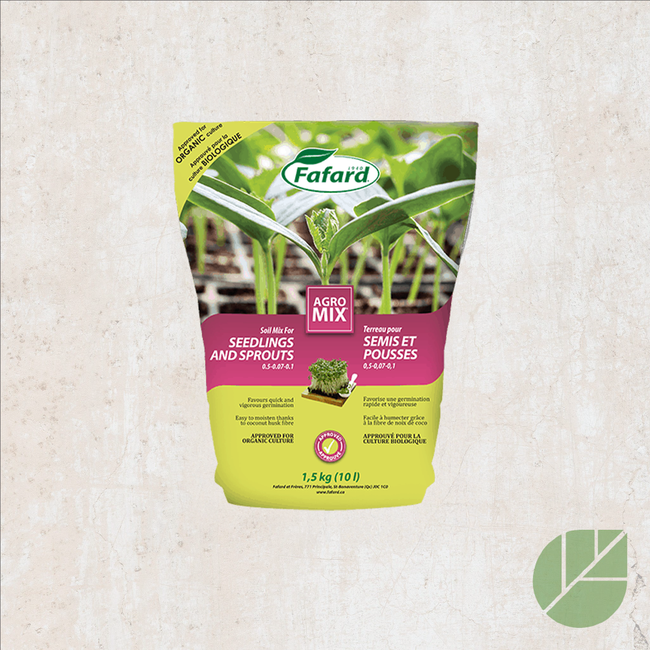
Seed Starting Soil
Shop the collectionSeed starting supplies
Shop the collection