Sale
Sold out

Hardy summer-flowering tuber
Oxalidaceae
Compact perennial for rock gardens and containers
Silver shamrock
Oxalis adenophylla
Product code : 146 650 01
Silver shamrock forms a compact cushion of grey-green foliage composed of numerous narrow leaflets. The package contains five Van Noort size 6/7 tubers. In summer, small soft-pink flowers with darker veins and pale centres appear above a clump approximately 10 cm (4 in) tall. Hardy in Zone 4, this perennial suits rock gardens, low borders, stone walls, and containers. Plant the tubers in fall in light, gritty, freely drained soil, in sun or bright partial shade. Allow foliage to complete its cycle before reducing irrigation. The plant is not intended for consumption. Mark the position while foliage is visible so dormant tubers remain protected.
- Quantity
- 5 size 6/7 tubers
- Exposure
- Full sun to bright partial shade
- Hardiness
- Zone 4
Discover the plant
Common nameSilver shamrock, Chilean oxalis
FamilyOxalidaceae
GenusOxalis
Speciesadenophylla
TypeHardy summer-flowering tuber
Botanical nameOxalis adenophylla
Silver shamrock (Oxalis adenophylla) forms a compact cushion of grey-green leaves divided into numerous fan-shaped leaflets. In summer, soft-pink funnel-shaped flowers, marked with darker pink veins and a pale centre, rise just above the foliage. The Van Noort package contains five size 6/7 tubers. Plants reach approximately 10 cm (4 in) and suit rock gardens, low borders, stone walls, and containers. Hardy in Zone 4, this species appreciates cool summers and impeccable drainage, especially during cold, wet periods. Its distinctive foliage remains ornamental even before flowers begin opening and gives small spaces a finely textured accent.
Plant the tubers in fall, 5 cm (2 in) deep and approximately 10 cm (4 in) apart, in light, gritty, or sandy soil. Choose full sun or bright partial shade and avoid depressions where rainwater or snowmelt collects. Water after planting, then maintain gentle moisture during growth without saturating the soil. A modest amount of mature compost is sufficient; nitrogen-rich feeding makes foliage softer. In containers, use a porous mix and protect the pot from roof runoff during winter. Mark the planting position so dormant tubers are not disturbed while foliage is absent.
Allow foliage to complete its cycle naturally and reduce irrigation as dormancy begins. In a freely drained rock garden, silver shamrock can remain in place and gradually form a broader clump. Pair it with crocuses, dwarf irises, sedums, saxifrages, or small grasses that will not overwhelm its low habit. Flowers may receive visiting pollinating insects. Every plant part contains oxalic acid and is not intended for consumption, so keep tubers and foliage away from children and pets. Wear gloves if your skin is sensitive while planting or dividing. Avoid moving tubers while they are actively growing unless drainage problems require immediate correction.

Planting guide
Plant well.Grow beautifully.
Spacing / density
10 cm (4 in) between tubers
Best planting time
Fall, before the ground freezes
Propagation
Division of tubers during dormancy
Growing method
Plant the tubers in the fall, 2 inches (5 cm) deep and about 4 inches (10 cm) apart, in light, stony, or sandy soil. Choose full sun or bright partial shade and avoid depressions where rainwater or meltwater accumulates. Water after planting, then keep the soil slightly moist during growth without saturating it. A small amount of mature compost is sufficient; nitrogen-rich fertilizers make the foliage softer. For container planting, use a porous mix and protect the pot from roof runoff during winter. Allow the foliage to complete its cycle naturally and reduce watering when it goes dormant. In a well-drained rock garden, Chilean oxalis can remain in place and gradually form a larger clump. Pair it with crocuses, dwarf irises, sedums, saxifrages, or small grasses that won't overshadow its low-growing habit. Its flowers can attract pollinating insects. All parts contain oxalic acid and are not for consumption; keep tubers and foliage out of reach of children and pets. Wear gloves if you have sensitive skin when planting or dividing.
Soil and care
The right care,at the right time.
Soil pH
Slightly acidic to neutral
Care level
Easy
Watering
Water deeply after fall planting to settle the soil. During spring growth and summer flowering, check moisture before each application and water only when the surface begins to dry. Soil may remain lightly moist but never saturated. Reduce irrigation gradually as foliage declines and keep the site comparatively dry during dormancy. In containers, always empty saucers after rain and keep drainage holes open. Avoid frequent shallow watering, which encourages moisture near the crown without wetting the full root zone evenly.
Soil type
Silver shamrock prefers light, gritty, sandy, perfectly drained soil. Rock-garden mix or loam amended with fine gravel works well. In heavy clay, use a raised bed rather than a small gravel pocket. Avoid depressions where rainwater or snowmelt collects and thick, wet mulch. Gentle moisture supports growth, but tubers tolerate winter saturation poorly. A slightly acidic to neutral pH is generally suitable. In containers, mineral drainage material helps keep air around the roots during prolonged rain.
Fertilization
Add a modest amount of mature compost while preparing poor soil. At the beginning of growth, a balanced slow-release fertilizer may be applied at the label rate, although a vigorous plant needs very little feeding. Avoid fresh manure and nitrogen-rich formulas, which make foliage soft. Stop feeding after bloom and let the plant enter dormancy naturally. Never place concentrated fertilizer directly against tubers. Where foliage remains compact and well coloured, compost alone is usually sufficient.
Moisture
Light moisture during growth; drier in dormancy
Seasonal care
In early spring, remove moisture-holding debris carefully without damaging new leaves. Check drainage after snowmelt and correct depressions where water remains. Water only when soil begins to dry. A thin layer of mature compost may support poor soil, but avoid fresh manure and nitrogen-rich feeding. During growth, keep stones and neighbouring plants far enough away to preserve air circulation around the clump. Watch for slugs, aphids, and unusual spotting without applying unnecessary treatment. In summer, enjoy the pink flowers and leave them accessible to pollinating insects. Remove faded flowers if you want to limit seedlings, but retain all foliage until natural dormancy. Reduce irrigation afterward and mark the position before leaves disappear. Avoid digging deeply around the tubers. In fall, confirm that soil remains loose and sharply drained. A crowded clump may be lifted during dormancy, divided, and replanted immediately. Discard soft or damaged tubers. Where winters are wet, protect the group from runoff or use a raised bed. In containers, keep drainage holes open, avoid full saucers, and insulate the walls during extreme cold. Do not move a chilled pot into a heated room, where premature growth can weaken the following display. Keep plant labels visible through dormancy so the resting tubers are not accidentally disturbed. After prolonged rain, inspect containers and low garden areas before adding water. Clean division tools and avoid moving an actively growing tuber unless an urgent drainage problem requires correction.
Container growing
A garden,within reach.
Recommended pot size
Container at least 20 cm (8 in) deep
Choose a stable container at least 20 cm (8 in) deep with several open drainage holes. Fill it with porous potting mix containing a generous proportion of perlite, pumice, or fine gravel. Plant all five tubers 5 cm (2 in) deep and approximately 8 to 10 cm (3 to 4 in) apart. Water thoroughly and let every excess drain. Place the pot in sun or bright partial shade, sheltered from roof runoff. In spring and summer, check moisture below the surface before watering; the mix may remain lightly moist but never saturated. A small amount of balanced fertilizer is sufficient when growth appears pale. Rotate the container if foliage leans toward the light. After flowering, let leaves complete their cycle in a bright position, then reduce irrigation during dormancy. In very cold locations, insulate the walls or place the pot in a sheltered, unheated outdoor position. Divide a crowded clump while dormant, refresh part of the mix, and replant only firm tubers. Keep a visible label and empty the saucer after every rain. Space neighbouring pots to maintain air circulation around the low cushion. A very thin decorative gravel layer can reduce soil splash without blocking evaporation.

Bloom and dimensions
Its place,in your garden.
Mature height
10 cm (4 in)
Width / spread
15 to 20 cm (6 to 8 in)
Flower color
Soft pink with darker pink veins
Foliage color
Silvery grey-green
Foliage type
Palmate, fan-shaped foliage
Growth rate
Moderate
Growth habit
Compact, spreading cushion
Bloom period
Silver shamrock produces small, soft-pink funnel-shaped summer flowers with darker veins and pale centres. They rise just above a grey-green cushion approximately 10 cm (4 in) tall. Full sun or bright partial shade, gentle moisture, and very fast drainage support an even display. Corollas may close during cloudy weather. Allow the foliage to complete its cycle before reducing irrigation. Visiting insects may use the flowers when conditions are warm and bright.

Garden associations
In goodcompany.
Companion plants
Pair silver shamrock with crocuses, dwarf irises, saxifrages, small sedums, alpine pinks, low bellflowers, or compact grasses. These plants provide complementary forms and share a preference for sun, gentle moisture, and sharply drained soil. Choose neighbours that will not cover the 10 cm (4 in) cushion and whose roots remain easy to separate. Avoid aggressive groundcovers, species requiring constant moisture, and tall plants that create excessive shade. Leave sufficient space for air circulation and future division. Pale stones and silver foliage can repeat its colouring without competing with the pink flowers.
Frequently asked questions
Your questions,answered.
When should silver shamrock tubers be planted?
Plant the tubers in fall after the soil has cooled and before it freezes. Choose full sun or bright partial shade in light, gritty, perfectly drained soil. Set each tuber 5 cm (2 in) deep and approximately 10 cm (4 in) from the next. Group all five tubers to create a visible cushion, cover with soil, and water deeply once. Avoid depressions where rainwater or snowmelt collects. In heavy clay, use a raised bed or container. Mark the position so resting tubers remain protected during dormancy. A thin layer of mature compost is enough when the soil is poor. A discreet label also makes spring identification easier.
What drainage does silver shamrock need?
Silver shamrock requires very fast drainage, especially during cold, wet periods. Use light, gritty, or sandy soil and improve the entire area rather than placing gravel only beneath each tuber. A raised bed or gentle slope is better than a depression. After rain, no water should remain around the clump. In containers, add perlite, pumice, or fine gravel to the mix, keep drainage holes open, and empty the saucer. Maintain gentle moisture during growth, then reduce watering as foliage enters dormancy. Avoid thick mulch that stays wet against the crown or slows evaporation after prolonged rain. Inspect the pot especially carefully after thawing and prolonged rain.
Can silver shamrock grow in a container?
Yes. Choose a stable container at least 20 cm (8 in) deep with several drainage holes, then fill it with porous mix containing perlite, pumice, or fine gravel. Plant all five tubers 5 cm (2 in) deep and approximately 8 to 10 cm (3 to 4 in) apart. Water, let every surplus drain, and place the pot in sun or bright partial shade. Avoid roof runoff and full saucers. After flowering, allow foliage to complete its cycle before reducing irrigation. In very cold locations, insulate the container walls or shelter the pot outdoors. Keep a visible label so resting tubers are not disturbed during dormancy.
Why do silver shamrock leaves or flowers close?
Oxalis leaves and flowers can change position according to light, temperature, and time of day. Closing during dark weather, in the evening, or through a cool period may therefore be normal. Check the soil when foliage remains collapsed in full daylight. Saturated soil, prolonged dryness, excessive heat, or damaged roots can also cause stress. Maintain gentle moisture without standing water and move a container into bright partial shade during intense heat. Do not add fertilizer to correct a watering problem. Observe the plant over several days before taking further action, and confirm that drainage holes remain open after rain. Regular observation helps distinguish this natural movement from genuine decline.
Is silver shamrock edible?
No. This product treats silver shamrock as an ornamental plant not intended for consumption. Oxalis species contain oxalic acid, which can be irritating or harmful in quantity. Keep tubers and foliage away from children and pets, do not add them to salads, and never use flowers as a garnish. Wear gloves if your skin is sensitive and wash your hands after planting or division. If ingestion or symptoms are suspected, contact a poison control centre, medical professional, or veterinarian promptly and retain the product label for identification. Store unused tubers in their clearly labelled package, separated from food products. A legible label reduces confusion during dormancy.
Wildlife and pets
Life,around your plants.
Reported toxicity
Yes
Supporting wildlife
Pink silver shamrock flowers may receive bees and other insects when the corollas are open during bright weather. Extend available forage by combining the plant with simple flowers that bloom before and after it. Avoid insecticides during flowering. Actual visits vary with weather, location, and neighbouring plants. Maintain several compatible species rather than relying on this compact plant alone for pollinator support.
For planting your bulbs
The right extras.Right here.
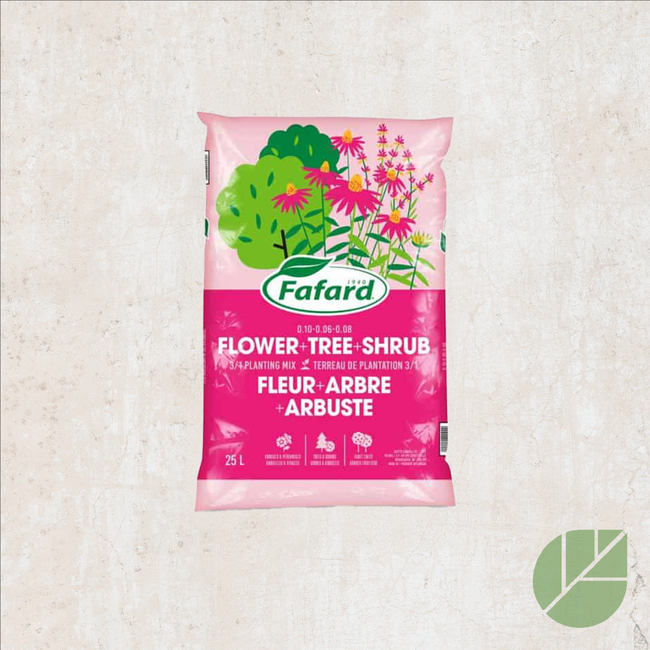
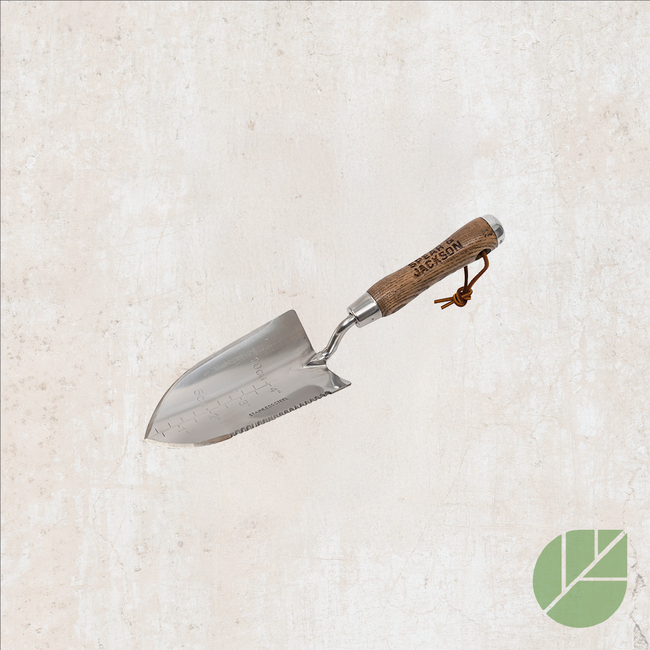
Bulb planters and planting tools
Shop the collection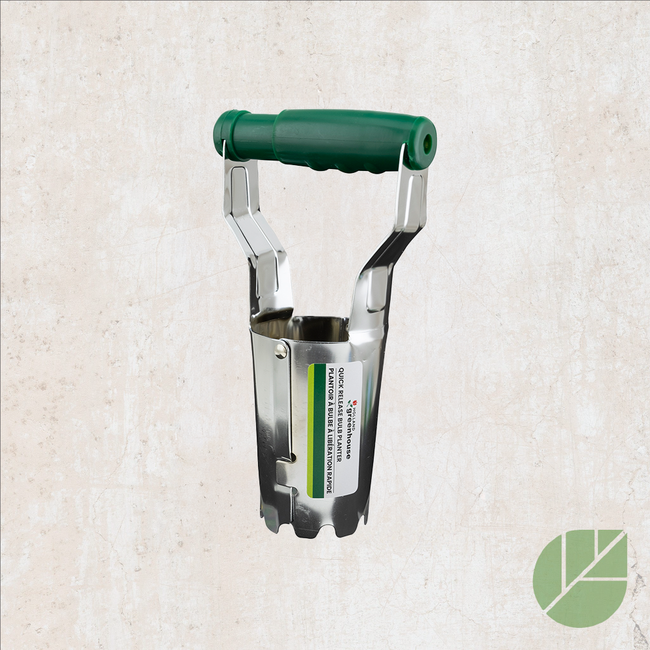
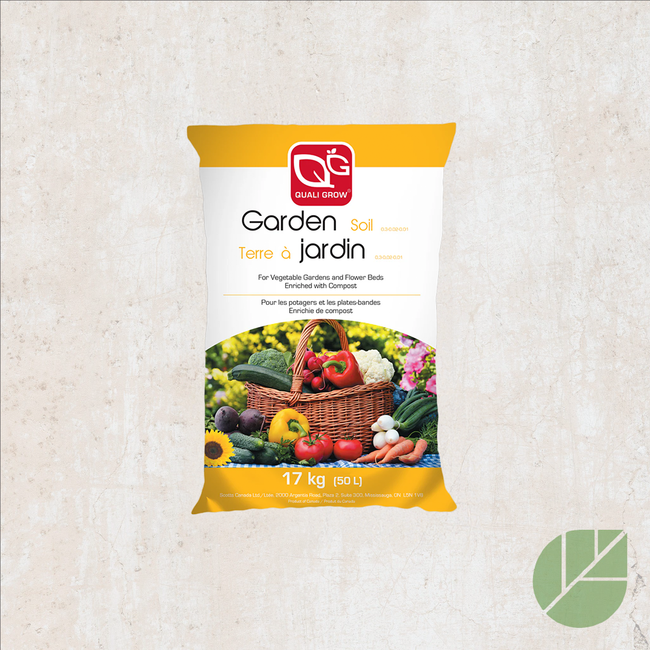
Soils and amendments for bulbs
Shop the collection