Sale
Sold out

Ornamental bulb
Amaryllidaceae
Green ornamental onion with threadlike texture
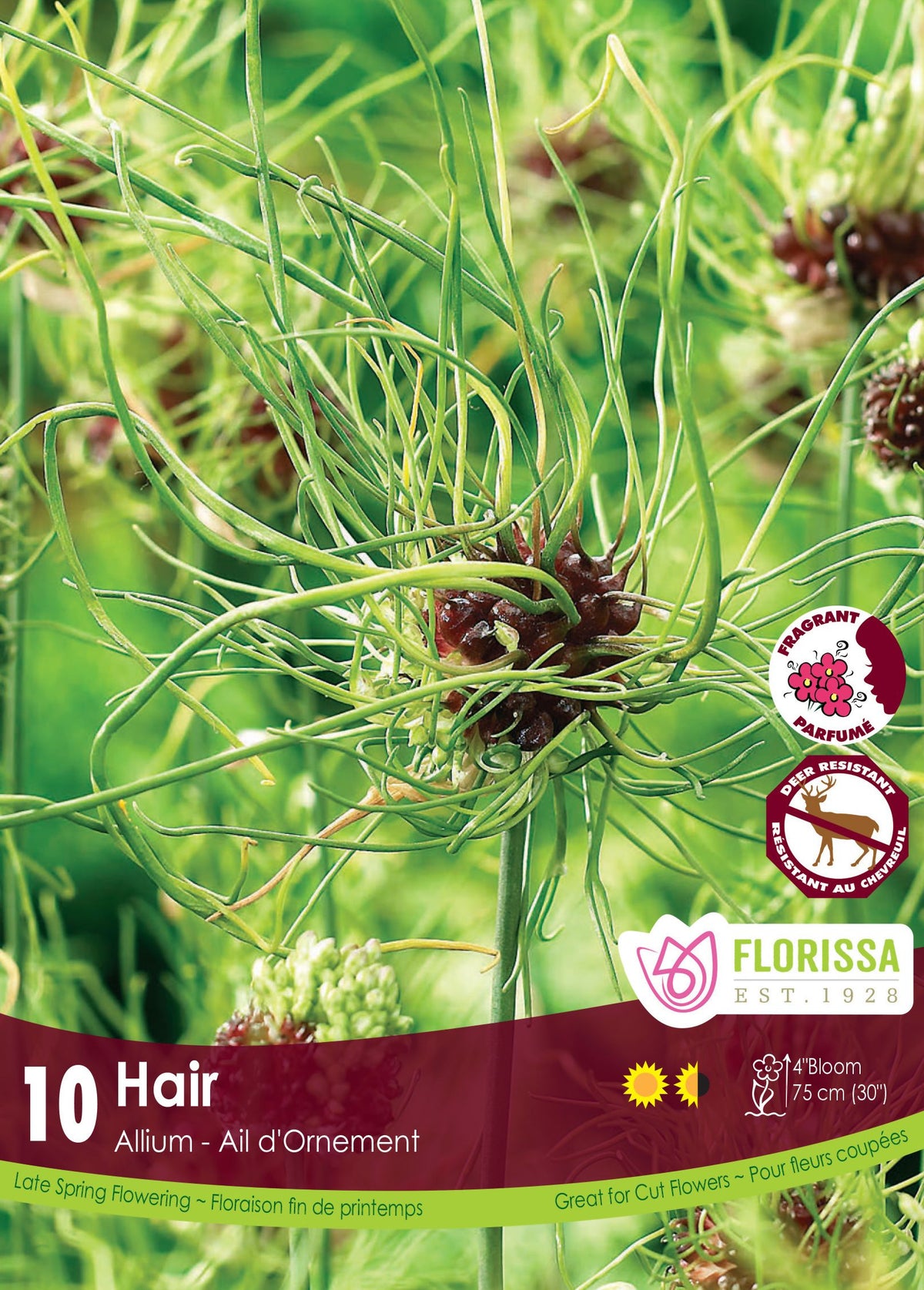
‘Hair’ ornamental onion (Allium vineale ‘Hair’)
Product code : VAN-146-150-01
Allium Hair produces a spectacular late-spring head: long green filaments erupt from a purple centre atop a 75 cm (30 in) stem. The Van Noort package contains 10 size 4/5 bulbs for planting 15 cm (6 in) deep and 10 cm (4 in) apart. Hardy in Zones 4 to 10, this green ornamental onion prefers sun, fertile soil, and exceptional drainage. Textured heads excel in fresh or dried bouquets, attract insects, and are generally deer resistant. Let foliage yellow before cleanup and reduce irrigation through summer dormancy. Allium vineale Hair remains spectacular after drying and provides exceptional material for creative arrangements.
- Quantity
- 10 bulbs
- Exposure
- Full sun to partial shade
- Life cycle
- Naturalizing bulbous perennial
- Hardiness
- Zones 4 to 10
Discover the plant
Common nameHair ornamental onion
FamilyAmaryllidaceae
GenusAllium
Speciesvineale
CultivarHair
TypeOrnamental bulb
Botanical nameAllium vineale
‘Hair’ ornamental onion (Allium vineale ‘Hair’) has an unmistakable silhouette. In late spring, a sturdy 75 cm (30 in) stem carries a purple centre from which long irregular green filaments erupt like tousled hair or a small botanical explosion. Narrow green strap-shaped basal foliage begins declining as the head reaches full development. Hardy in Zones 4 to 10, this bulbous perennial naturalizes gradually. Its unusual heads retain texture for an extended period and give gardens a graphic, whimsical, contemporary presence. The Van Noort package contains exactly 10 Allium bulbs size 4/5 for a visible group.
Plant the 10 size 4/5 bulbs in fall, approximately four to six weeks before lasting soil freeze, in full sun or light partial shade. Position them point upward at a depth of 15 cm (6 in) and spacing of 10 cm (4 in) in fertile, loose, exceptionally well-drained soil. Water deeply after planting, then moderately in spring as the surface dries. A little compost is sufficient; excess nitrogen softens stems. In clay, create a mound or incorporate grit throughout the area. Let leaves yellow completely before removal, then reduce irrigation through summer dormancy and keep the marked location undisturbed.
Cluster the 10 bulbs in the middle of a border, along a path, or in a large container so several green heads create an eccentric rhythm. This green ornamental onion pairs with fine grasses, catmint, salvias, and purple flowers that echo its dark centre. Structures are especially useful as an Allium for bouquets, whether fresh or dried. Insects visit accessible floral portions, adding value to a pollinator garden. The plant is generally deer resistant but remains toxic to pets, so keep every part beyond their reach. This unusual Allium flower also provides a memorable conversation piece without requiring complicated maintenance.

Planting guide
Plant well.Grow beautifully.
Planting depth
15 cm (6 in)
Spacing / density
10 cm (4 in) between bulbs
Best planting time
Fall, four to six weeks before lasting soil freeze
Propagation
Bulbs and offset division after dormancy
Growing method
Plant all 10 Hair bulbs in fall, four to six weeks before lasting soil freeze. Choose a sunny or lightly shaded site where soil never retains water. Loosen the ground to at least 30 cm (12 in), incorporate mature compost, and in clay add grit throughout the area or create a slight mound. Position every size 4/5 bulb point upward at a depth of 15 cm (6 in) and 10 cm (4 in) from the next. Form two irregular clusters instead of a strict row to display the heads more effectively. Cover, firm gently, and water deeply once. Mark the location and mulch lightly after the ground cools. In spring, remove compacted debris, maintain moderate moisture while stems extend, and feed sparingly. Avoid excess nitrogen that softens growth. Let green filaments and the purple centre develop without repeated contact. Cut several stems for bouquets or allow structures to mature. After bloom, remove no green leaf. Wait for complete yellowing, clean at soil level, and reduce irrigation sharply through summer dormancy. Divide offsets only after complete dieback when groups become crowded. Use a durable label so dormant bulbs are never disturbed accidentally during summer cultivation.
Soil and care
The right care,at the right time.
Soil pH
Acid to alkaline
Care level
Easy
Drought tolerance
Yes
Watering
Water deeply once after fall planting, then let seasonal precipitation take over. In spring, keep soil lightly moist during active growth while letting the surface dry between applications. Avoid every form of saturation around the small bulbs. As foliage yellows, reduce irrigation gradually and maintain a relatively dry summer dormancy. Prolonged excess moisture encourages rot and weakens future returns. Consistent drainage remains essential.
Soil type
Hair prefers fertile, loose, exceptionally well-drained soil. Sandy loam enriched with mature compost provides nutrition, air, and moderate spring moisture. In clay, improve a broad area with stable organic matter and grit or plant on a mound. Avoid depressions, compacted ground, and continual irrigation during summer dormancy. Reliable drainage matters more than a precise pH range. Raised beds provide another dependable option in rainy regions.
Fertilization
In early spring, add a thin layer of mature compost around emerging shoots without covering them. Poor soil may receive a low dose of balanced fertilizer or a bulb formulation. Avoid nitrogen-rich products because they encourage soft leaves and weaker stems. Stop every application as foliage yellows because drainage becomes the priority throughout dormancy. Overfeeding also reduces the plant’s characteristic balanced silhouette.
Moisture
Lightly moist soil during growth, exceptionally well drained, and drier through dormancy
Seasonal care
In spring, locate Hair groups and gently remove wet debris that could retain water. Check drainage after snowmelt, add a thin compost layer, and weed by hand to protect shoots. Water as the surface dries while stems extend. Discreet support may help in an exceptionally windy corridor even though stems are normally sturdy. In late spring, let green filaments unfold around the purple centre. Avoid touching or crushing developing heads. Cut several stems early for arrangements or retain them in the garden. Use no insecticide while insects visit accessible floral parts. After bloom, keep structures for texture, but never tie or cut green leaves. In summer, wait for complete yellowing, then clean at soil level. Reduce irrigation sharply through dormancy and mark locations. In fall, correct depressions, add bulbs 10 cm (4 in) apart, and divide offsets only when the clump becomes overcrowded. Replant immediately at 15 cm (6 in). In winter, prevent traffic and water trapped beneath ice. In containers, insulate walls against rapid temperature changes without removing the necessary cold. Remove dried heads only when brittle or no longer useful to the composition. Always keep debris beyond the reach of pets. Check container holes after heavy rain, protect mature heads from repeated handling, and retain sturdy dried structures until they become brittle. Record where offsets emerge so successful spacing can be repeated during future divisions.
Container growing
A garden,within reach.
Recommended pot size
At least 30 cm (12 in) deep and 30 to 35 cm (12 to 14 in) wide for all 10 bulbs
Grow all 10 Hair bulbs in a frost-resistant container at least 30 cm (12 in) deep and 30 to 35 cm (12 to 14 in) wide. Choose a heavy pot because the 75 cm (30 in) stems and irregular heads can catch wind. Several large holes, feet, and the absence of standing saucer water are essential. Fill with light potting mix combined with mature compost and a mineral drainage component. In fall, arrange bulbs point upward at a depth of 15 cm (6 in) and spacing of 10 cm (4 in), then water deeply once. Place the pot in sun or bright partial shade and leave it outdoors for cold. In severe regions, temporarily sink the container, insulate its walls, or place it beside a sheltered wall; never bring it into a heated room. In spring, inspect holes, water as the surface dries, and feed lightly. Rotate the pot to balance stems and keep it away from traffic. After bloom, let leaves yellow, then reduce irrigation during dormancy. Renew part of the mix every two or three years and divide offsets after complete dieback. A permanent label prevents accidental digging during dormancy.

Bloom and dimensions
Its place,in your garden.
Mature height
75 cm (30 in)
Width / spread
Approximately 10 to 20 cm (4 to 8 in)
Flower color
Green surrounding a purple centre
Foliage color
Green
Foliage type
Deciduous, narrow, and strap-shaped
Growth rate
Moderate
Growth habit
Basal clump with upright stems carrying tousled heads
Fragrance
Light onion scent, strongest when tissues are bruised
Bloom period
In late spring, upright 75 cm (30 in) stems carry a purple centre surrounded by long twisting green filaments. Every head appears tousled, airy, and different from the next. This unusual Allium flower retains graphic movement for an extended period and becomes especially interesting when dried. Accessible floral portions may receive visits from various insects. Several grouped heads create a striking moving constellation.
Garden associations
In goodcompany.
Companion plants
Pair Hair with catmint, purple salvias, hardy geraniums, dark heucheras, and fine grasses. These plants echo the purple centre or movement of green filaments and gradually conceal yellowing foliage. Late tulips extend the spring sequence. Allow air to circulate around stems, however, and avoid thirsty neighbours that keep the ground wet through summer dormancy. A silver or dark green background also improves visibility of the unusual heads. Preserve a calm background and adequate circulation so every twisting filament remains distinct and healthy throughout development.
Frequently asked questions
Your questions,answered.
When and how should Allium Hair be planted?
Plant all 10 bulbs in fall, four to six weeks before lasting soil freeze. Choose sun or light partial shade in loose, exceptionally well-drained soil. Position every size 4/5 bulb point upward at a depth of 15 cm (6 in) and 10 cm (4 in) from the next. Two groups of five often create a better effect than one long row. Cover, firm gently, and water deeply once. In clay, incorporate mature compost and grit across a broad area or plant on a mound. Mark the location. In spring, maintain moderate moisture during active growth, then reduce irrigation as leaves yellow and dormancy begins. Avoid standing water in every season.
Why does the Hair flower head resemble hair?
The cultivar produces long green threadlike structures around its purple centre that curve and twist in different directions. They create a tousled appearance unlike the compact sphere of giant Alliums. Every head develops with slight variation, so a group looks lively and never perfectly uniform. Stems reach approximately 75 cm (30 in), placing the texture above low perennials. Position Hair before a simple background so filaments remain visible and avoid traffic areas where they would be struck. At maturity, the dry structure retains much of its pattern and becomes useful in the garden or arrangements. This natural variation is a feature, not evidence of damage.
Does Hair return every year?
Yes. This naturalizing bulb can return in Zones 4 to 10 when drainage is reliable. Let leaves yellow and dry completely after bloom because they rebuild the reserves required for future growth. Then reduce irrigation through summer dormancy and avoid wet depressions. Offsets may gradually broaden the group. Divide after complete dieback only when the clump becomes crowded, then replant immediately at 15 cm (6 in). Failure to return is often linked to rot, foliage removed too early, or a bulb damaged during dormancy. Mark every group with a durable label to prevent accidental digging and observe how quickly the planting expands.
How should Hair be used in a bouquet?
For a fresh bouquet, cut the stem early in the morning when green filaments are developed but still flexible. Use a clean tool, place the stem immediately in water, and choose a stable vase suited to a 75 cm (30 in) length. One or three heads are often enough because their texture occupies substantial visual space. Pair them with grasses, foliage, or purple flowers without hiding the centre. For drying, harvest a mature but firm head, then hang it upside down in a dark, dry, ventilated place. Filaments retain a surprising pattern but become brittle. Handle gently and keep every arrangement beyond the reach of pets that might chew the toxic tissues.
Can all 10 Hair bulbs be grown in a container?
Yes. Choose a heavy, frost-resistant pot at least 30 cm (12 in) deep and 30 to 35 cm (12 to 14 in) wide with several holes. Fill it with a light mix enriched with compost and grit. In fall, plant all 10 bulbs point upward at a depth of 15 cm (6 in) and spacing of 10 cm (4 in), then water once. Leave the container outdoors in sun or light partial shade to provide the cold period. In severe regions, temporarily sink it or insulate the walls. Never bring it into warmth. In spring, inspect drainage, rotate the pot to balance stems, and water as the surface dries. Reduce irrigation after foliage yellows and protect heads from strong wind.
Wildlife and pets
Life,around your plants.
Reported toxicity
Yes
Supporting wildlife
Accessible floral portions of Hair may provide pollen and nectar to bees, bumblebees, butterflies, and other insects in late spring. Green filaments and bulbils create a less conventional head than Alliums rich in florets. Maintain several plants together, observe actual visitors, and avoid every insecticide. Birds and hummingbirds are not principal users. Grouped plants make all accessible floral resources easier for insects to locate.
For planting your bulbs
The right extras.Right here.
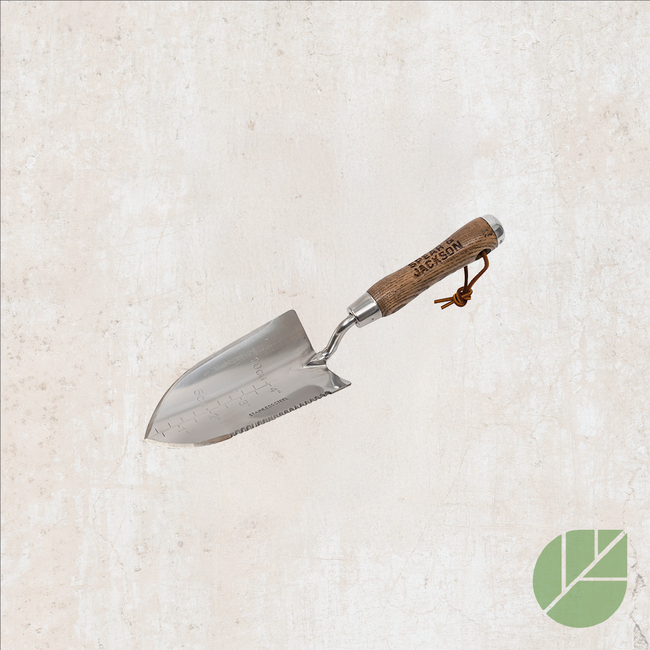
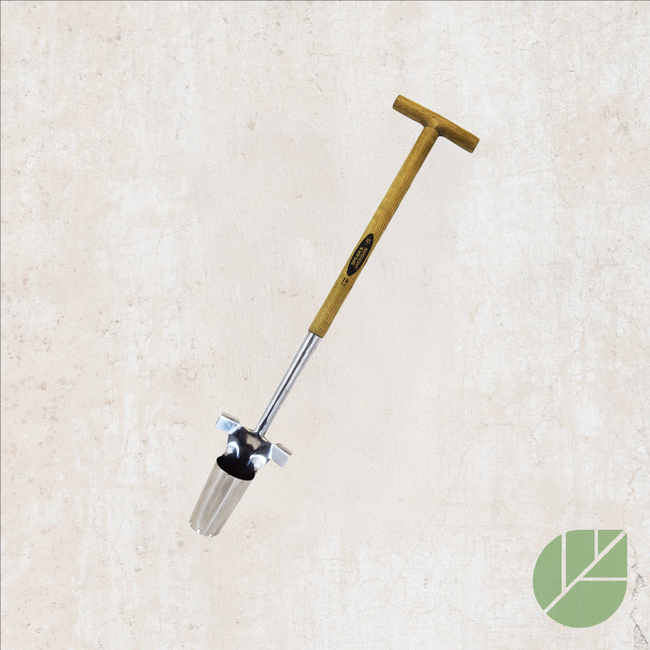
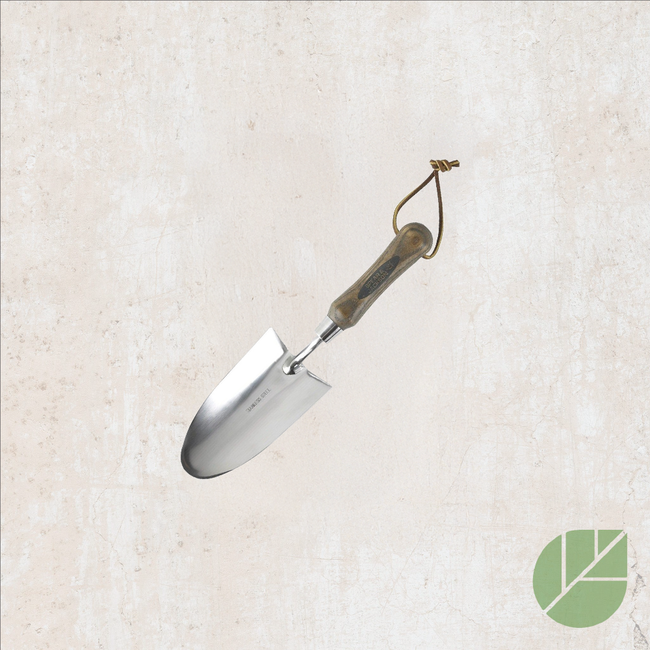
Bulb planters and planting tools
Shop the collection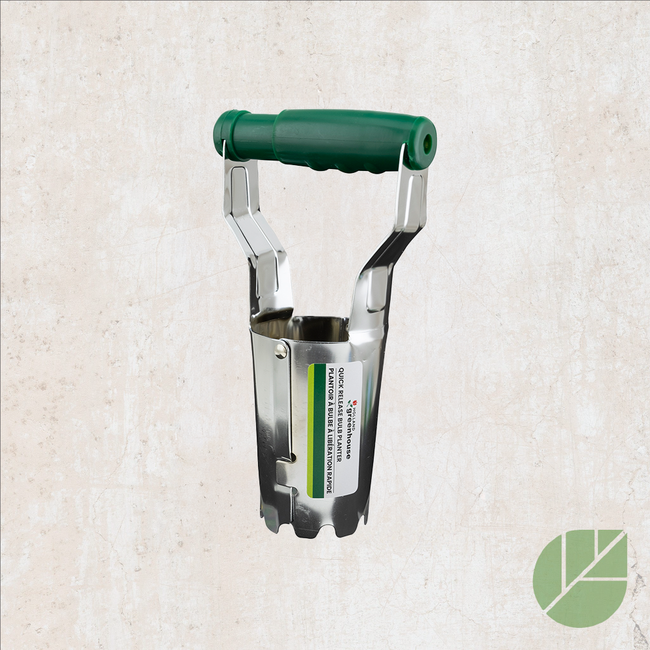
Soils and amendments for bulbs
Shop the collection