Sale
Sold out

Ornamental bulb
Amaryllidaceae
Ornamental onion with an enormous firework flower
Schubert’s ornamental onion
Allium schubertii
Product code : VAN-146-190-01
Allium schubertii produces an enormous approximately 30 cm (12 in) pinkish-purple firework umbel on a plant only 40 cm (16 in) tall. The Van Noort package contains 2 Allium bulbs size 12/14 for planting 10 cm (4 in) deep and 30 cm (12 in) apart. Hardy in Zones 5 to 9, this firework ornamental onion prefers full sun, loose soil, and exceptional drainage. Its spectacular head attracts pollinators, suits fresh arrangements, and becomes a remarkable Allium for dried bouquets. The low silhouette integrates into rock gardens, borders, and large containers. Its architectural seed head remains decorative after flowering and brings lasting structure to sunny plantings.
- Quantity
- 2 bulbs
- Exposure
- Full sun to bright partial shade
- Life cycle
- Naturalizing bulbous perennial
- Hardiness
- Zones 5 to 9
Discover the plant
Common nameSchubert’s ornamental onion
FamilyAmaryllidaceae
GenusAllium
Speciesschubertii
CultivarSchubertii
TypeOrnamental bulb
Botanical nameAllium schubertii
Schubert’s ornamental onion (Allium schubertii) unfolds a spectacular umbel approximately 30 cm (12 in) wide on a plant only 40 cm (16 in) tall. Pinkish-purple star-shaped flowers sit on flower stalks of dramatically different lengths, creating a true three-dimensional explosion. The head appears almost as broad as the plant is tall and floats above a rosette of wide green leaves. In late spring, this architecture turns a border or rock garden into a sculptural scene. Hardy in Zones 5 to 9, this Mediterranean species mainly requires warmth, sun, and exceptional drainage for reliable return and generous flowering.
Plant the two size 12/14 bulbs in fall, four to six weeks before lasting soil freeze. Set them point upward 10 cm (4 in) deep and 30 cm (12 in) apart in loose, fertile, sharply drained soil. Full sun strengthens the radiating form and keeps flower stalks solid. Water deeply after planting, then only when the surface dries during active growth. A little mature compost is sufficient in spring. In clay, plant on a mound improved with fine grit. After flowering, let every leaf yellow completely, then maintain comparatively dry summer dormancy. Mark the wide planting position so the invisible bulb remains undisturbed.
Allium schubertii deserves a visible foreground position beside a patio or within a large container where the 30 cm Allium flower can be admired from every angle. Pair this firework ornamental onion with thyme, sedums, blue fescue, silver artemisia, and dark heucheras. Numerous florets attract bees, bumblebees, and butterflies. Once dry, the umbel retains its exceptional form and becomes an Allium for dried bouquets with remarkable impact. Deer generally avoid onion-scented tissues, but every part remains toxic to pets; keep bulbs and arrangements beyond their reach. This pollinator friendly Allium creates extraordinary scale without requiring a tall stem.

Planting guide
Plant well.Grow beautifully.
Planting depth
10 cm (4 in)
Spacing / density
30 cm (12 in) between bulbs
Best planting time
Fall, four to six weeks before lasting soil freeze
Propagation
Bulb and offset division during dormancy
Growing method
Plant the bulbs in fall within a warm, sunny position. Loosen soil to 20 to 25 cm, incorporate a little mature compost, and broadly improve heavy ground with fine grit. Set every size 12/14 bulb point upward 8 cm deep and 10 cm from the next. Divide two bulbs among three or four drifts, cover, firm gently, and water deeply once. Mark every group precisely. Full sun keeps slender stems upright and able to support dense spherical heads without staking. Loose, sharply drained soil protects the small bulbs from excessive winter moisture. Water after planting, then only when the soil surface dries during active growth. A light application of mature compost in spring generally supports flowering sufficiently. Let every leaf yellow naturally so bulbs can rebuild the reserves required for another season. Summer dormancy should remain comparatively dry, especially in heavy soil or containers. Pink flowers provide pollen and nectar for bees, bumblebees, butterflies, and other beneficial insects. Some heads may produce basal offsets; remove them to limit spreading or retain them for naturalizing. Deer usually avoid onion-scented tissues, but the plant remains toxic to pets. An irregular group looks more natural than a row and creates a pink haze above fine foliage. Catmint, thyme, lavender, compact salvias, and grasses share its preference for sunny positions.
Soil and care
The right care,at the right time.
Soil pH
Acid to alkaline
Minimum temperature
-34°C (-30°F)
Care level
Easy
Drought tolerance
Yes
Watering
Water once after planting, then moderately during spring growth. Always let the surface dry between applications. Water after planting, then only when the soil surface dries during active growth. A light application of mature compost in spring generally supports flowering sufficiently. Let every leaf yellow naturally so bulbs can rebuild the reserves required for another season. Summer dormancy should remain comparatively dry, especially in heavy soil or containers. Always inspect moisture before watering again.
Soil type
Choose light, loose, sharply drained soil, ideally sandy or gravelly. A little compost feeds bulbs without creating an excessively rich pocket. Loose, sharply drained soil protects the small bulbs from excessive winter moisture. Water after planting, then only when the soil surface dries during active growth. A light application of mature compost in spring generally supports flowering sufficiently. Let every leaf yellow naturally so bulbs can rebuild the reserves required for another season.
Fertilization
In spring, add a thin layer of mature compost around emerging shoots. Low-rate balanced fertilizer is sufficient in poor soil. A light application of mature compost in spring generally supports flowering sufficiently. Let every leaf yellow naturally so bulbs can rebuild the reserves required for another season. Summer dormancy should remain comparatively dry, especially in heavy soil or containers. Pink flowers provide pollen and nectar for bees, bumblebees, butterflies, and other beneficial insects.
Moisture
Moderate moisture in spring, followed by distinctly drier conditions during summer dormancy. Prevent standing water around bulbs, particularly in clay soil and during winter thaws, because persistent saturation encourages bulb rot. Light mulch may stabilize soil after freeze-up, but it must never trap water against the crown. Space irrigation carefully and always confirm that the upper soil layer has begun to dry before watering again.
Seasonal care
In fall, plant, label, and lightly protect the drifts after soil cools. In late winter, verify drainage and remove compacted debris. During spring, hand-weed around fine shoots and water only if soil dries. During bloom, avoid insecticides and decide which heads may develop bulbils. After flowering, cut no green leaf. Once foliage is fully yellow, clean at soil level and sharply reduce water. In cold zones, protect pots and microclimates before severe freezes. Mark every position because the foliage disappears completely when plants enter dormancy. In colder Canadian regions, grow bulbs in protected pots or select a warm microclimate. Airy umbels suit small cottage-style bouquets and dry while retaining a delicate silhouette. Inspect drainage after thaws and promptly correct every place where standing water remains. Divide groups only when they become crowded or flowering begins to decline. Avoid high-nitrogen fertilizers that encourage soft foliage at the expense of flowers. Full sun keeps slender stems upright and able to support dense spherical heads without staking. Loose, sharply drained soil protects the small bulbs from excessive winter moisture. Water after planting, then only when the soil surface dries during active growth. A light application of mature compost in spring generally supports flowering sufficiently. Let every leaf yellow naturally so bulbs can rebuild the reserves required for another season. Summer dormancy should remain comparatively dry, especially in heavy soil or containers.
Container growing
A garden,within reach.
Recommended pot size
At least 25 cm (10 in) deep and 30 cm (12 in) wide
Use a frost-resistant container at least 25 cm deep and 30 cm wide with several large holes. Fill it with light potting mix enriched with compost and mineral material. Plant bulbs 8 cm deep, water once, and place the pot in sun. In regions colder than Zone 5, insulate the walls, temporarily sink the container, or overwinter it in a cold position protected from extreme freezes. Do not move it into a heated room. Catmint, thyme, lavender, compact salvias, and grasses share its preference for sunny positions. Mineral mulch limits weeds without trapping excessive moisture around the bulbs. Mark every position because the foliage disappears completely when plants enter dormancy. In colder Canadian regions, grow bulbs in protected pots or select a warm microclimate. Airy umbels suit small cottage-style bouquets and dry while retaining a delicate silhouette. Inspect drainage after thaws and promptly correct every place where standing water remains. Divide groups only when they become crowded or flowering begins to decline. Avoid high-nitrogen fertilizers that encourage soft foliage at the expense of flowers. Full sun keeps slender stems upright and able to support dense spherical heads without staking. Loose, sharply drained soil protects the small bulbs from excessive winter moisture. Water after planting, then only when the soil surface dries during active growth.

Bloom and dimensions
Its place,in your garden.
Mature height
40 cm (16 in)
Width / spread
Approximately 30 to 40 cm (12 to 16 in)
Flower color
Mauve-pink to purplish pink
Foliage color
Mid-green
Foliage type
Deciduous, broad, basal, and strap-shaped
Growth rate
Moderate
Growth habit
Low broad rosette beneath a short sturdy stem
Fragrance
Light onion fragrance
Bloom period
From late spring into early summer, pinkish-purple star-shaped flowers open within dense spherical heads on 40 cm stems. Some heads may also carry several bulbils. Pink flowers provide pollen and nectar for bees, bumblebees, butterflies, and other beneficial insects. Some heads may produce basal offsets; remove them to limit spreading or retain them for naturalizing. Deer usually avoid onion-scented tissues, but the plant remains toxic to pets. across the border and sunny containers nearby

Garden associations
In goodcompany.
Companion plants
Pair Schubertii ornamental onion with thyme, lavender, catmint, compact salvias, dianthus, sedums, and fine grasses. These neighbours share its need for sun and drainage. Catmint, thyme, lavender, compact salvias, and grasses share its preference for sunny positions. Mineral mulch limits weeds without trapping excessive moisture around the bulbs. Mark every position because the foliage disappears completely when plants enter dormancy. In colder Canadian regions, grow bulbs in protected pots or select a warm microclimate. Airy umbels suit small cottage-style bouquets and dry while retaining a delicate silhouette. Maintain small open gaps for airflow.
Frequently asked questions
Your questions,answered.
When and how should Allium schubertii be planted?
Plant two bulbs in fall, pointed end upward, 8 cm deep and 10 cm apart. Divide them among small drifts in warm, sunny, sharply drained soil. Loose, sharply drained soil protects the small bulbs from excessive winter moisture. Water after planting, then only when the soil surface dries during active growth. A light application of mature compost in spring generally supports flowering sufficiently. Let every leaf yellow naturally so bulbs can rebuild the reserves required for another season. Summer dormancy should remain comparatively dry, especially in heavy soil or containers. Pink flowers provide pollen and nectar for bees, bumblebees, butterflies, and other beneficial insects. Some heads may produce basal offsets; remove them to limit spreading or retain them for naturalizing.
Is Allium schubertii hardy in cold Canadian gardens?
Its hardiness is best suited to Zones 5 to 9. In colder Canadian regions, select a sheltered microclimate, protect the soil, or grow bulbs in a container overwintered cold but away from extreme freezing. Water after planting, then only when the soil surface dries during active growth. A light application of mature compost in spring generally supports flowering sufficiently. Let every leaf yellow naturally so bulbs can rebuild the reserves required for another season. Summer dormancy should remain comparatively dry, especially in heavy soil or containers. Pink flowers provide pollen and nectar for bees, bumblebees, butterflies, and other beneficial insects. Some heads may produce basal offsets; remove them to limit spreading or retain them for naturalizing.
Why do some flowers produce basal offsets?
The ability to form several bulbils is a possible behaviour of the species. These small structures can fall and produce new plants, helping naturalization but requiring monitoring. A light application of mature compost in spring generally supports flowering sufficiently. Let every leaf yellow naturally so bulbs can rebuild the reserves required for another season. Summer dormancy should remain comparatively dry, especially in heavy soil or containers. Pink flowers provide pollen and nectar for bees, bumblebees, butterflies, and other beneficial insects. Some heads may produce basal offsets; remove them to limit spreading or retain them for naturalizing. Deer usually avoid onion-scented tissues, but the plant remains toxic to pets. Monitor every chosen drift carefully.
How can the spread of Schubertii ornamental onion be limited?
Cut heads after flowering before seeds or bulbils mature, then watch for new plants in spring. Lift unwanted plants with their small bulb and avoid spreading soil containing bulbils. Let every leaf yellow naturally so bulbs can rebuild the reserves required for another season. Summer dormancy should remain comparatively dry, especially in heavy soil or containers. Pink flowers provide pollen and nectar for bees, bumblebees, butterflies, and other beneficial insects. Some heads may produce basal offsets; remove them to limit spreading or retain them for naturalizing. Deer usually avoid onion-scented tissues, but the plant remains toxic to pets. An irregular group looks more natural than a row and creates a pink haze above fine foliage.
Is Allium schubertii suitable for container growing?
Yes. Use a sharply drained pot at least 25 cm deep, light mix, and a sunny position. Container culture also simplifies winter protection in regions colder than Zone 5. Summer dormancy should remain comparatively dry, especially in heavy soil or containers. Pink flowers provide pollen and nectar for bees, bumblebees, butterflies, and other beneficial insects. Some heads may produce basal offsets; remove them to limit spreading or retain them for naturalizing. Deer usually avoid onion-scented tissues, but the plant remains toxic to pets. An irregular group looks more natural than a row and creates a pink haze above fine foliage. Catmint, thyme, lavender, compact salvias, and grasses share its preference for sunny positions.
Wildlife and pets
Life,around your plants.
Reported toxicity
Yes
Supporting wildlife
Pink flowers provide pollen and nectar for bees, bumblebees, butterflies, and other beneficial insects. Cluster bulbs and avoid insecticides during bloom. Pink flowers provide pollen and nectar for bees, bumblebees, butterflies, and other beneficial insects. Some heads may produce basal offsets; remove them to limit spreading or retain them for naturalizing. Deer usually avoid onion-scented tissues, but the plant remains toxic to pets.
For planting your bulbs
The right extras.Right here.
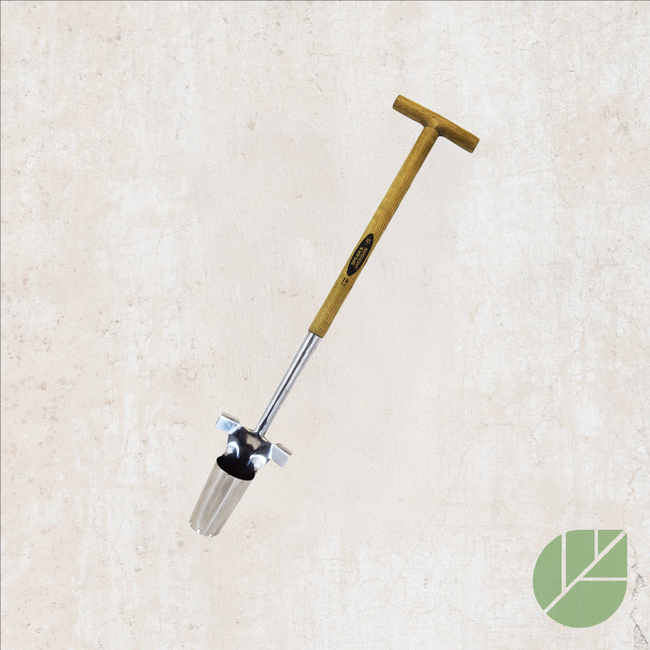
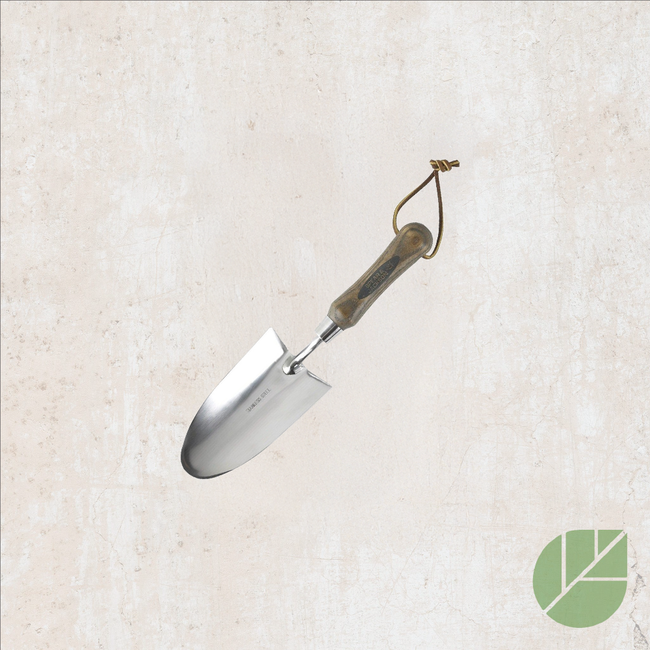
Bulb planters and planting tools
Shop the collection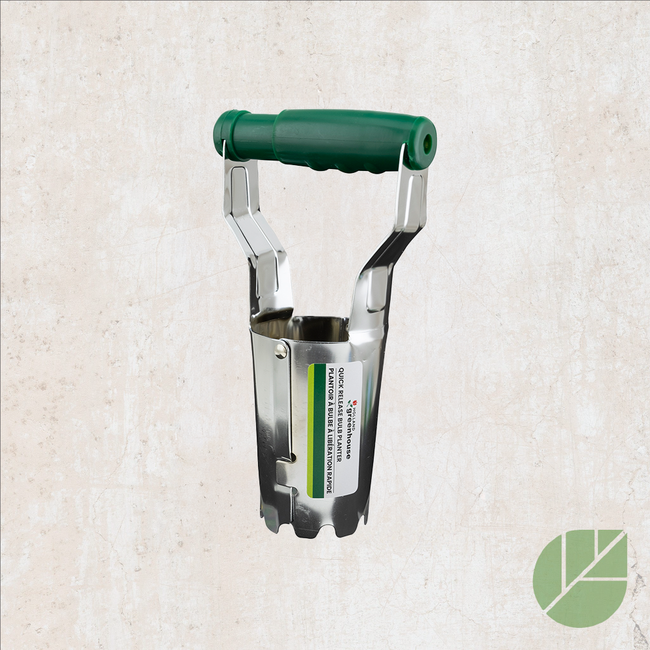
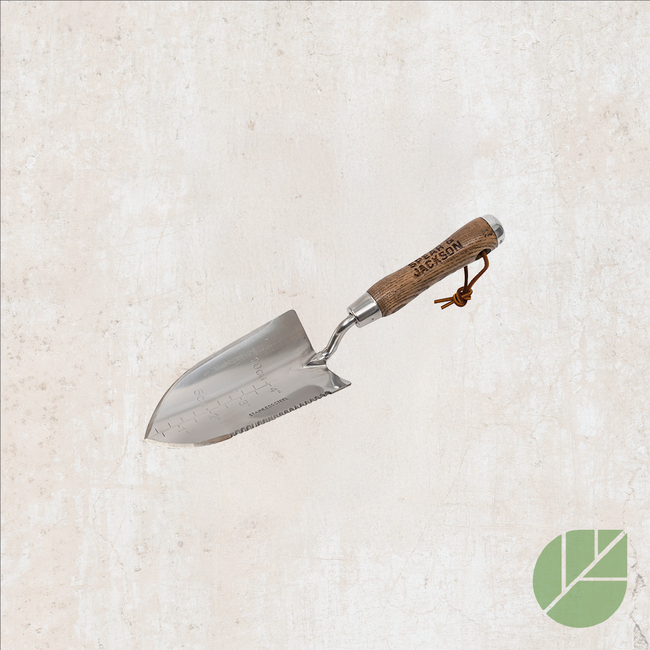
Soils and amendments for bulbs
Shop the collection