Sale
Sold out

Bulb
Liliaceae
Amber Glow Tulip
Brighten your spring scenes with the 'Amber Glow' tulip, a late single variety with warm and subtle hues, oscillating between golden amber, soft caramel, and satiny copper reflections. Its perfect cup shape, upright and elegant habit, and late blooming make it a rare gem for bright beds, sophisticated borders, or compositions full of warmth and refinement. It integrates equally well into earthy, pastel, or copper palettes, and brings a touch of warm radiance wherever it blooms. Very hardy, easy, and reliable, it will delight tulip lovers with its noble and natural allure. Height: 45 to 55 cm (18 to 22 in). Water needs: Low to moderate (well-drained soil).
- Quantity
- 6 bulbs
- Exposure
- Sun
Discover the plant
Common nameTulip Amber Glow
FamilyLiliaceae
GenusTulip
TypeBulb
Botanical nameTulip
Tulip 'Amber Glow' (Tulipa). Brighten your spring scenes with 'Amber Glow' tulip, a late-blooming single variety with warm and subtle hues, ranging from golden amber, soft caramel, and satiny copper highlights. Its perfect cup shape, upright and elegant habit, and late flowering make it a rare gem for bright beds, sophisticated borders, or compositions full of warmth and refinement. It integrates well into earthy, pastel, or coppery palettes, and brings a touch of warm radiance wherever it blooms. Very hardy, easy, and reliable, it will delight tulip lovers who appreciate a noble and natural look. Late flowering, ideal for a gentle close to spring.
Plant tulips in the fall, in soil that is still easy to work before it freezes. Choose a sunny spot with well-drained soil, then loosen the area to a sufficient depth. Place the bulbs with the pointed end facing up and respect the planting depth indicated for their size. When planting in groups, leave space between the bulbs to allow roots to develop. Water after backfilling if the soil is dry. Avoid areas where water remains on the surface after rain and mark the planting area to avoid damaging the bulbs during subsequent gardening work.
In spring, monitor moisture during growth and water at the base if a dry spell persists. Remove faded flowers while keeping the leaves green. This foliage allows the bulb to replenish its reserves; wait for it to yellow naturally before cutting it and avoid braiding it. In containers, check for dryness more often than in open ground and always allow excess water to drain. Re-blooming in subsequent years depends on the variety and growing conditions. Keep bulbs out of reach of children and animals: tulips are ornamental and not for consumption.

Planting guide
Plant well.Grow beautifully.
Planting depth
6 in (15 cm)
Spacing / density
4 to 5 in (10 to 12 cm)
Growing method
Plant tulips in the fall, in soil that is still easy to work before it freezes. Choose a sunny spot with well-drained soil, then loosen the soil to a sufficient depth. Place the bulbs pointy end up and respect the planting depth indicated for their size. When planting in groups, leave space between the bulbs to allow roots to develop. Water after backfilling if the soil is dry. Avoid areas where water remains on the surface after rain and mark the planting location to avoid damaging the bulbs during subsequent gardening. In spring, monitor moisture during growth and water at the base if a dry period extends. Remove faded flowers while keeping the leaves green. This foliage allows the bulb to replenish its reserves; wait for it to yellow naturally before cutting it and avoid braiding it. In containers, check for dryness more often than in the ground and always allow excess water to drain. Regrowth and flowering in subsequent years depend on the variety and growing conditions. Keep bulbs out of reach of children and animals: tulips are ornamental and not for consumption.
Soil and care
The right care,at the right time.
Watering
During growth, water at the base when the soil begins to dry out below the surface. Take rainfall into account: if the soil remains moist, wait before adding water. Continue to monitor moisture after flowering as long as the leaves are green, then reduce watering when they naturally yellow. Avoid stagnant water around the bulbs. In pots, check the potting soil more often and allow excess water to drain freely through the drainage holes.
Soil type
It blends equally well with earthy, pastel, or copper palettes, adding a touch of warm radiance wherever it blooms. Water needs: Low to moderate (well-drained soil). In the ground: Ideal for naturalistic beds, warm-toned borders, or classic chic gardens. In pots: Magnificent in terracotta planters, for rustic balconies or sunny terraces. Perfect for earthy beds, bright potted arrangements, and golden bouquets.
Fertilization
Bulb fertilizer to be applied in the fall. Observe the dosage indicated on your fertilizer's packaging and measure the quantity before applying it. Take into account compost and other additions already made to avoid over-fertilizing the same plants. Spread the product according to its instructions for use; avoid concentrated contact with roots or storage organs.
Seasonal care
Plant tulips in the fall, in soil that is still easy to work before it freezes. Choose a sunny spot with well-drained soil, then loosen the soil to a sufficient depth. Place the bulbs pointy end up and respect the planting depth indicated for their size. When planting in groups, leave space between the bulbs to allow the roots to develop. Water after backfilling if the soil is dry. Avoid areas where water pools after rain and mark the planting so you don't damage the bulbs during subsequent gardening. In spring, monitor moisture during growth and water at the base if a dry spell persists. Remove faded flowers while keeping the leaves green. This foliage allows the bulb to replenish its reserves; wait for it to naturally yellow before cutting it, and avoid braiding it. In containers, check for dryness more often than in the ground and always allow excess water to drain. Re-blooming in subsequent years depends on the variety and growing conditions. Keep bulbs out of reach of children and animals: tulips are ornamental and not for consumption. Throughout the seasons, observe new shoots, soil moisture, and the condition of the stems. A durable label helps locate the planting during its dormant period. Clean tools after cutting diseased parts and remove debris that degrades around the base.
Container growing
A garden,within reach.
Container culture requires planning for the necessary volume for the roots and the final height of the plant. Choose a stable pot with drainage holes and a suitable planting medium. Leave enough space to respect the recommended depth and spacing, rather than crowding plants to immediately fill the pot. Place the container in the indicated exposure and regularly check the moisture, especially in hot or windy weather. A pot is more exposed to temperature variations than a plant in the ground. Therefore, plan for a wintering location compatible with the plant's needs and your region's climate from the outset. Plant tulips in the fall, in soil that is still easy to work before it freezes. Choose a sunny spot with well-drained soil, then loosen the area to a sufficient depth. Place the bulbs pointy side up and respect the planting depth indicated for their size. When planting in groups, leave space between the bulbs to allow the roots to develop. Water after backfilling if the soil is dry. Avoid areas where water remains on the surface after rain and mark the planting so as not to damage the bulbs during subsequent gardening work. In winter, protect the container according to the plant's needs: its roots are more exposed to cold than when planted in the ground.

Bloom and dimensions
Its place,in your garden.
Mature height
45 to 55 cm (18" to 22")
Bloom period
Brighten your spring scenes with the 'Amber Glow' tulip, a late-flowering single variety with warm and subtle hues, oscillating between golden amber, soft caramel, and satiny copper reflections. Its perfect cup shape, upright and elegant habit, and late flowering make it a rare gem for bright beds, sophisticated borders, or compositions full of warmth and refinement. Late flowering, ideal for a gentle close to spring. Pair with cream, peach, copper, or soft green tones, or incorporate into a revisited autumnal palette in spring for a perfectly balanced effect.

Garden associations
In goodcompany.
Companion plants
To accompany Tulip Amber Glow, consider grape hyacinths, pansies, or forget-me-nots. Choose neighboring varieties based on their height, flowering period, and the colors you wish to combine. Most importantly, ensure their sun exposure and water needs are suitable for the same location. Leave enough space so that leaves don't obscure young shoots and to allow easy access to each plant during maintenance. These pairings are for garden aesthetics; they do not guarantee protection against pests or diseases. Adjust the layout after observing a full growing season.
Frequently asked questions
Your questions,answered.
How to successfully plant Tulip Amber Glow?
Plant tulips in the fall, in soil that is still easy to work before it freezes. Choose a sunny spot with well-drained soil, then loosen the soil to a sufficient depth. Place the bulbs with the pointed end up and respect the planting depth indicated for their size. When planting in groups, leave space between the bulbs to allow the roots to develop. Water after backfilling if the soil is dry. Avoid areas where water remains on the surface after rain and mark the planting so as not to damage the bulbs during subsequent gardening work. Keep a durable label to easily find this planting during its dormant period.
What light should I plan for Amber Glow Tulip?
The recommended exposure is full sun. Observe the light in your chosen spot in the morning and afternoon, as the shade from trees or buildings changes throughout the day. Also consider neighboring plants: their foliage can obscure a young plant as it grows. In a container, place the pot where you can move it if conditions become too hot or too shaded. Appropriate exposure must go hand in hand with suitable soil and watering. If you move a plant started indoors to the outdoors, gradually accustom it to garden conditions to avoid too abrupt a transition for the young leaves.
How to adjust watering?
Water according to the actual soil moisture, taking into account rain, heat, and wind. Check below the surface before deciding to water again: soil that is dry on the surface may still be moist at the root level. Direct water to the base and allow it to penetrate, without keeping the plant in saturated soil. Containers generally require more frequent checks because they dry out faster. Make sure their drainage holes remain clear and empty any saucers that hold water. Also, adapt care to the plant's cycle: active growth and a resting period do not require the same watering.
What should I plan for container growing?
Container gardening requires you to plan for the root volume and the final height of the plant. Choose a stable pot with drainage holes and a suitable growing medium. Leave enough space to respect the recommended depth and spacing, rather than cramming plants together to fill the pot immediately. Place the container in the recommended exposure and regularly check the moisture, especially in hot or windy weather. A pot is more exposed to temperature variations than planting directly in the ground. Therefore, plan for an overwintering location from the start that is compatible with the plant's needs and your region's climate.
What care is needed after the growing season?
In spring, monitor humidity during growth and water at the base if a dry spell persists. Remove faded flowers while keeping the leaves still green. This foliage allows the bulb to replenish its reserves; wait for it to yellow naturally before cutting it, and avoid braiding it. In containers, check for dryness more often than in the ground and always allow excess water to drain away. Reblooming and flowering in subsequent years depend on the variety and growing conditions. Keep bulbs out of reach of children and animals: tulips are ornamental and not for consumption.
For planting your bulbs
The right extras.Right here.
Bulb planters and planting tools
Shop the collection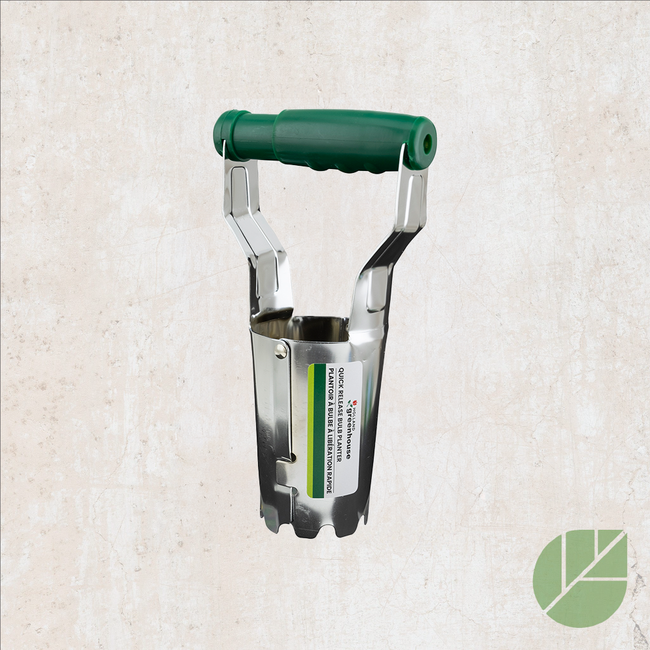
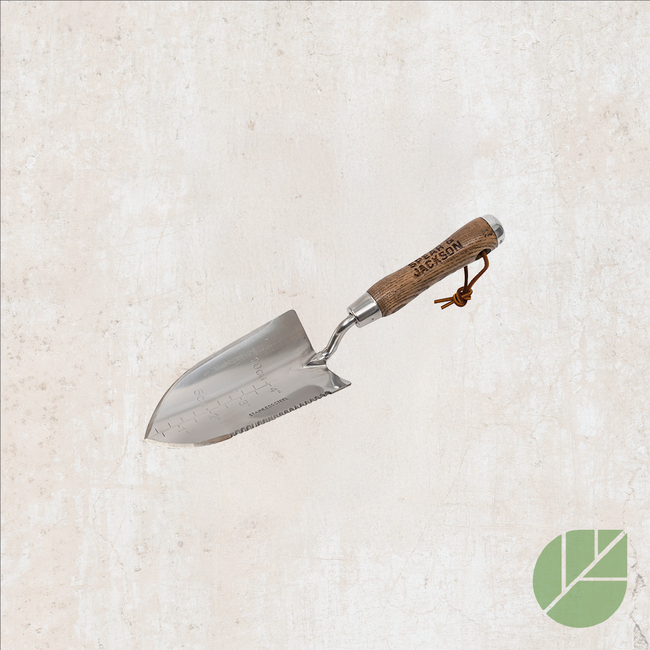
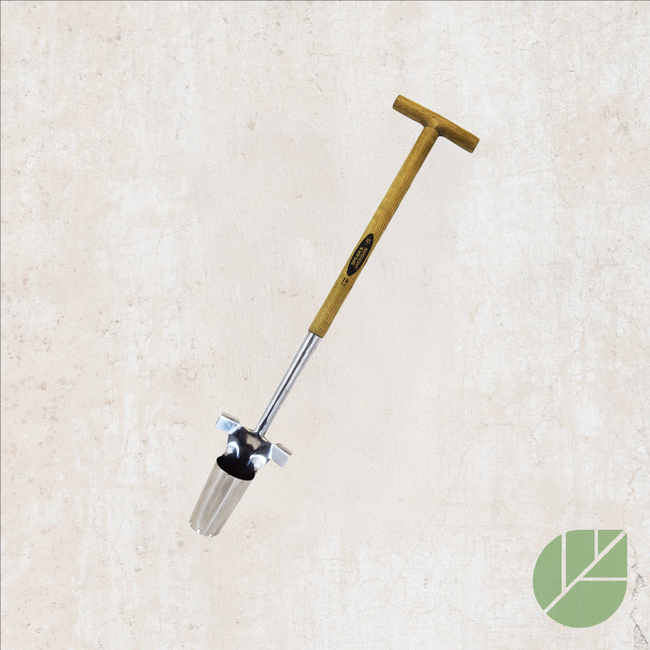
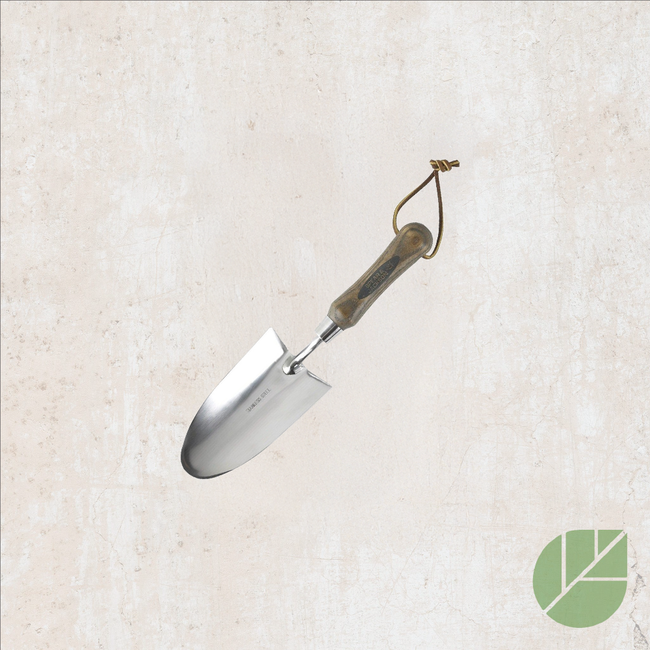
Soils and amendments for bulbs
Shop the collection