Sale
Sold out

Ornamental iris bulb
Iridaceae
Purple and yellow Dutch iris for cutting
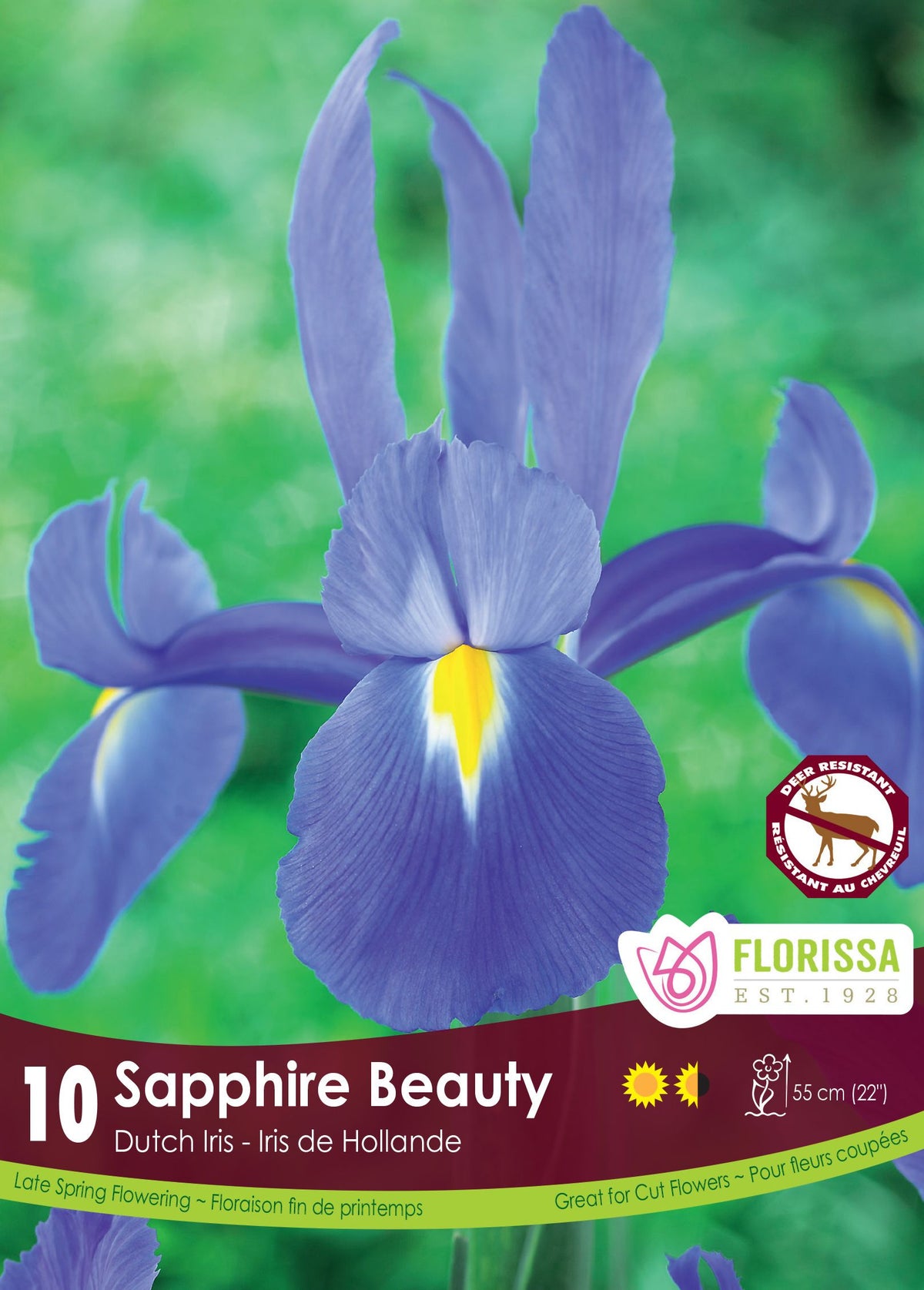
‘Sapphire Beauty’ Dutch Iris (Iris × hollandica ‘Sapphire Beauty’)
Product code : 146 560 01
‘Sapphire Beauty’ Dutch Iris produces elegant flowers displaying dark sapphire and pale blue with a vivid yellow signal on long sturdy stems from late spring to early summer. The package contains 10 bulbs reaching 50 to 65 cm (20 to 26 in.). Plant them in fall in full sun and freely drained soil. Grouping them creates a clear colour accent in beds, borders, cutting gardens, and large containers. Allow foliage to yellow completely after flowering so every bulb rebuilds its reserves. This Zone 5 perennial can return for several seasons where the site remains drained during dormancy. Irises are ornamental and should not be eaten. Store unplanted bulbs beyond the reach of children and pets.
- Quantity
- 10 bulbs
- Exposure
- Full sun
- Life cycle
- Spring-flowering bulbous perennial
- Hardiness
- Zones 5 to 9
Discover the plant
Common name‘Sapphire Beauty’ Dutch Iris
FamilyIridaceae
GenusIris
Species× hollandica
CultivarSapphire Beauty
TypeOrnamental iris bulb
Botanical nameIris × hollandica
‘Sapphire Beauty’ Dutch Iris (Iris × hollandica ‘Sapphire Beauty’) produces elegant flowers displaying dark sapphire and pale blue with a vivid yellow signal on long sturdy stems from late spring to early summer. The 10 bulbs in the package reach 50 to 65 cm (20 to 26 in.). Narrow green to grey-green foliage accompanies the flowers without making the planting appear heavy. Hardy in Zones 5 to 9, this bulbous perennial suits beds, borders, cutting gardens, and large containers. Its dark sapphire and pale blue with a vivid yellow signal colouring provides a distinct accent in the spring garden. Group planting creates a fuller presentation during the first season. Freely drained soil supports repeat flowering over successive years.
Plant bulbs in fall with the pointed end up, 10 cm (4 in.) deep and 8 to 10 cm (3 to 4 in.) apart. Choose full sun and loose soil that drains quickly. Water deeply after planting to settle the soil, then maintain light moisture in spring when rainfall is insufficient. Avoid saturated hollows, especially during thaw and summer dormancy. A thin layer of mature compost supports growth without encouraging excessive foliage. In containers, use a deep pot with unobstructed drainage holes and protect it from repeated freeze-and-thaw cycles. Check moisture before watering again and keep dense mulch away from emerging shoots.
After flowering, remove spent stems when seed capsules are not wanted, but allow every leaf to yellow completely. Foliage captures light and rebuilds reserves required for the following display. Reduce watering afterward and mark the position so dormant bulbs are not disturbed. Offsets may be separated and replanted in fall when the clump becomes crowded. Watch for slugs, leaf spots, and signs of rot, then improve drainage before considering treatment. Irises are harmful if eaten, so store unplanted bulbs beyond the reach of children and pets and wear gloves if handling bulbs irritates sensitive skin. Wash hands after planting and discard damaged bulbs safely.

Planting guide
Plant well.Grow beautifully.
Planting depth
10 cm (4 in.) deep, pointed end up
Spacing / density
Space 8 to 10 cm (3 to 4 in.) apart
Best planting time
September until the ground freezes
Propagation
Divide offsets during dormancy
Growing method
Plant bulbs in fall with the pointed end up, 10 cm (4 in.) deep and 8 to 10 cm (3 to 4 in.) apart. Choose full sun and loose soil that drains quickly. Water deeply after planting to settle the soil, then maintain light moisture in spring when rainfall is insufficient. Avoid saturated hollows, especially during thaw and summer dormancy. A thin layer of mature compost supports growth without encouraging excessive foliage. In containers, use a deep pot with unobstructed drainage holes and protect it from repeated freeze-and-thaw cycles. Check moisture before watering again and keep dense mulch away from emerging shoots. After flowering, remove spent stems when seed capsules are not wanted, but allow every leaf to yellow completely. Foliage captures light and rebuilds reserves required for the following display. Reduce watering afterward and mark the position so dormant bulbs are not disturbed. Offsets may be separated and replanted in fall when the clump becomes crowded. Watch for slugs, leaf spots, and signs of rot, then improve drainage before considering treatment. Irises are harmful if eaten, so store unplanted bulbs beyond the reach of children and pets and wear gloves if handling bulbs irritates sensitive skin. Wash hands after planting and discard damaged bulbs safely.
Soil and care
The right care,at the right time.
Soil pH
Acid, neutral, or slightly alkaline
Minimum temperature
Zone 5 hardiness
Care level
Moderate
Watering
Water thoroughly after planting to settle soil around the bulbs. Normal precipitation is usually sufficient until spring. During active growth and flowering, water only when the top few centimetres of soil are dry. Always allow excess water to drain, then reduce watering as foliage yellows and dormancy begins. Check containers more often, but never leave the pot standing in water.
Soil type
Loose, moderately fertile, freely drained soil. Reliable winter and summer drainage is essential to limit bulb rot. Improve a broad area with mature compost when soil is poor. In heavy soil, plant on a slight mound or use a freely drained container. Avoid low spots where water remains after rain or thaw, and do not place bulbs beside plants that require constant summer irrigation. This drainage consistently protects the bulbs.
Fertilization
Incorporate mature compost before planting. When shoots reach 5 cm (2 in), apply balanced slow-release fertilizer or a half-strength liquid feed. Repeat once as buds begin forming. Avoid excess nitrogen, which promotes foliage and weak flowers at the expense of flowers and the bulb’s stored energy. Stop feeding after bloom so foliage can mature naturally and bulbs can enter dormancy with firm, well-ripened tissues.
Moisture
Maintain moderate, even moisture through establishment, active growth, and flowering without leaving bulbs in saturated soil. Rapid drainage is essential for winter hardiness, especially in Zone 5. Reduce irrigation as foliage yellows. Light mulch conserves summer moisture, but keep it away from emerging shoots to preserve airflow and prevent crown rot after prolonged rain or repeated winter thaws in Quebec gardens.
Seasonal care
After flowering, remove spent stems when seed capsules are not wanted, but allow every leaf to yellow completely. Foliage captures light and rebuilds reserves required for the following display. Reduce watering afterward and mark the position so dormant bulbs are not disturbed. Offsets may be separated and replanted in fall when the clump becomes crowded. Watch for slugs, leaf spots, and signs of rot, then improve drainage before considering treatment. Irises are harmful if eaten, so store unplanted bulbs beyond the reach of children and pets and wear gloves if handling bulbs irritates sensitive skin. Wash hands after planting and discard damaged bulbs safely. In spring, gently clear emerging shoots if thick mulch covers them. During active growth, remove only diseased or badly damaged leaves. Once foliage is completely dry, it may be cut at soil level. If flowering declines after several years, divide the clump during dormancy and promptly replant firm bulbs in refreshed, freely drained soil. Inspect the site after heavy rain and correct any area where water remains. In containers, rotate the pot for even light, empty the saucer after watering, and protect bulbs from repeated freeze-and-thaw cycles. A light, low-nitrogen feeding at the start of growth is sufficient; excessive fertilizer encourages soft foliage instead of sturdy flowers. Keep neighbouring plants from shading the iris during spring, then allow their later foliage to conceal the dormant planting naturally.
Container growing
A garden,within reach.
Recommended pot size
Pot at least 30 cm deep
Plant bulbs in fall about 8 cm deep and 8 cm apart, with pointed ends upward. Choose full sun or bright partial sun in loose, fertile, very freely drained soil; standing moisture during dormancy encourages rot. Group at least ten bulbs for a coherent vertical effect. Water after planting to settle soil, then allow seasonal rainfall to support rooting. Resume moderate watering in spring if soil becomes dry during active growth. In containers, use a deep pot with open drainage holes and protect it from excessive winter moisture. Avoid disturbing emerging shoots, and keep dense mulch away from the immediate planting area. In containers, use a pot at least 30 cm deep with several open drainage holes. Plant bulbs 8 cm deep without touching in freely drained mix. Place the pot in sun, protect it from excessive winter rainfall, and water moderately in spring. Allow foliage to yellow, then keep the mix comparatively dry during summer dormancy. Raise the container slightly so every rainfall drains promptly, and inspect drainage holes regularly throughout active growth. Turn the pot periodically to keep stems straight and evenly lit. Check moisture below the surface before watering again.

Bloom and dimensions
Its place,in your garden.
Mature height
65 cm (26 in)
Width / spread
15 cm (6 in)
Flower color
Dark sapphire and pale blue with a vivid yellow signal
Foliage color
Green to grey-green
Foliage type
Deciduous narrow strap-shaped foliage
Growth rate
Moderate
Growth habit
Narrow vertical upright clump
Fragrance
No significant fragrance
Bloom period
‘Sapphire Beauty’ Dutch Iris flowers from late spring to early summer and produces elegant flowers displaying dark sapphire and pale blue with a vivid yellow signal on long sturdy stems. Cool weather may extend the display. Remove spent stems when seed capsules are not wanted, but retain every green leaf. Foliage must yellow naturally so it can rebuild the bulb’s reserves for the following season. Reduce watering only as the leaves begin to fade and dormancy approaches.
Garden associations
In goodcompany.
Companion plants
Peonies, catmint, alliums, perennial sages, light ornamental grasses, and nonaggressive groundcovers. These companions extend the season or conceal foliage after flowering. Avoid invasive plants and species requiring constantly wet summer soil because they compete with bulbs and increase the risk of rot during dormancy. Low spring foliage preserves light around the upright iris shoots, while later leaves disguise dormancy naturally. Choose low spring foliage to maintain light and airflow around emerging stems; later growth can naturally conceal the iris as dormancy begins.
Plants to avoid
Aggressive plants and dense groundcovers that shade foliage before it ripens
Frequently asked questions
Your questions,answered.
When should these Dutch iris bulbs be planted?
Plant the ten bulbs in fall before the ground freezes. Choose a sunny position with loose, very freely drained soil. Place every bulb pointed end upward about 8 cm deep and 8 cm from the next. Group them rather than scattering them for a visible vertical effect. Backfill, firm gently, and water once to settle soil. Avoid hollows where water collects in winter or during summer dormancy. Mark the area so shoots and bulbs are not damaged during spring garden work, and keep dense mulch away from the immediate planting zone. This simple practice also protects the group’s vigour and encourages dependable flowering over successive seasons.
Why is drainage essential?
Dutch iris grows from a true bulb that may rot in constantly saturated soil, especially during summer dormancy. Loosen a broad area and incorporate mature organic matter if soil is compacted. In heavy clay, plant on a slight mound or use a freely drained container. Water during growth only when soil dries, then reduce applications sharply after leaves yellow. Do not plant beside species requiring abundant summer irrigation. Reliable drainage also supports stronger fall rooting, upright spring growth, and more consistent flowering over following seasons. This simple practice also protects the group’s vigour and encourages dependable flowering over successive seasons.
How should this iris be used as a cut flower?
Cut stems when buds show colour but before every flower is fully open. Use a clean, sharp tool, harvest early in the morning, and place stems immediately in fresh water. Remove only leaves that would sit below water. Leave enough foliage on uncut plants so bulbs replenish their reserves. Refresh vase water regularly and keep the bouquet away from direct sun and ripening fruit. Slender 50 cm stems suit vertical arrangements with peonies, foliage, and airy flowers, while the dark sapphire and pale blue with a vivid yellow signal flowers remain easy to appreciate indoors. This simple practice also protects the group’s vigour and encourages dependable flowering over successive seasons.
What should be done with foliage after flowering?
Leave all green leaves in place until they yellow completely, even when flowers are cut. They use light to replenish bulb reserves. Remove only diseased or severely damaged leaves. When foliage is yellow and dry, cut it near soil level and reduce watering to respect summer dormancy. Neighbouring perennials can conceal this phase without shading irises in spring. A light compost or high-potash fertilizer application after flowering may support the following season, but avoid excessive nitrogen that produces soft growth and may reduce sturdy flower stem development. This simple practice also protects the group’s vigour and encourages dependable flowering over successive seasons.
Is this iris safe for pets?
No, not if eaten. Bulbs and other iris parts may cause irritation or digestive upset in people and animals. Store unplanted bulbs beyond the reach of children, dogs, and cats, and collect any that are dug up. Wear gloves if your skin is sensitive and wash hands after planting. If ingestion or symptoms are suspected, contact a healthcare professional or veterinarian. This product is intended only for ornamental cultivation. Do not use it in cooking, and keep discarded bulbs, cut foliage, and spent flowers away from areas explored by pets. Mark the planting area when animals regularly dig in garden beds.
Wildlife and pets
Life,around your plants.
Reported toxicity
Yes
Supporting wildlife
Flowers may attract some bees and other flower-visiting insects in late spring. Maintain diverse simple flowers before and after their display, avoid insecticides on open blooms, and provide shallow water. Visits vary with weather and local populations, so Dutch iris should complement rather than replace dedicated pollinator plants.
For planting your bulbs
The right extras.Right here.
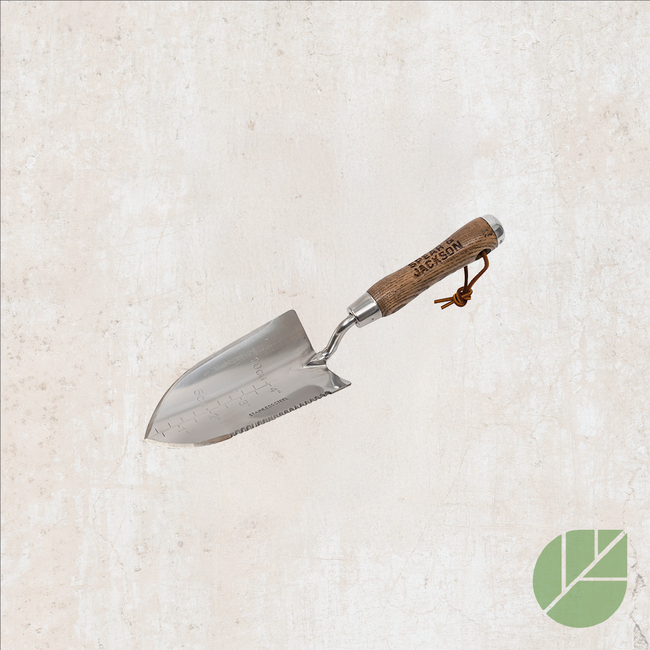
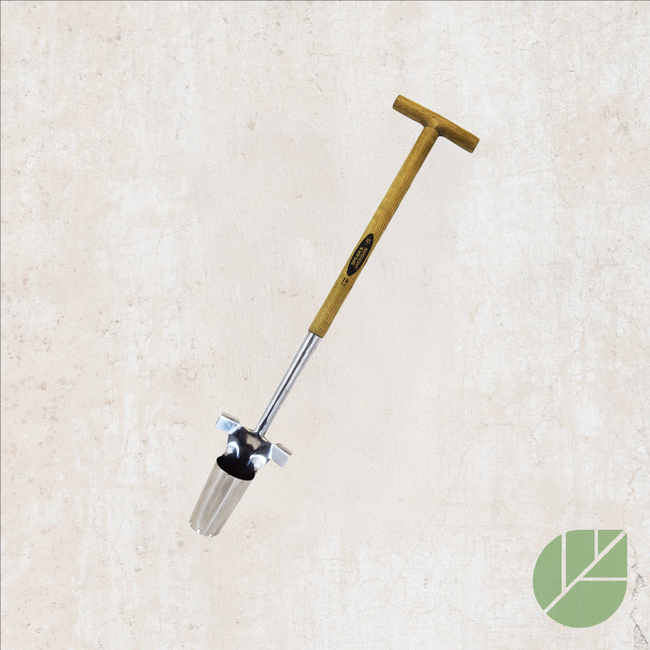
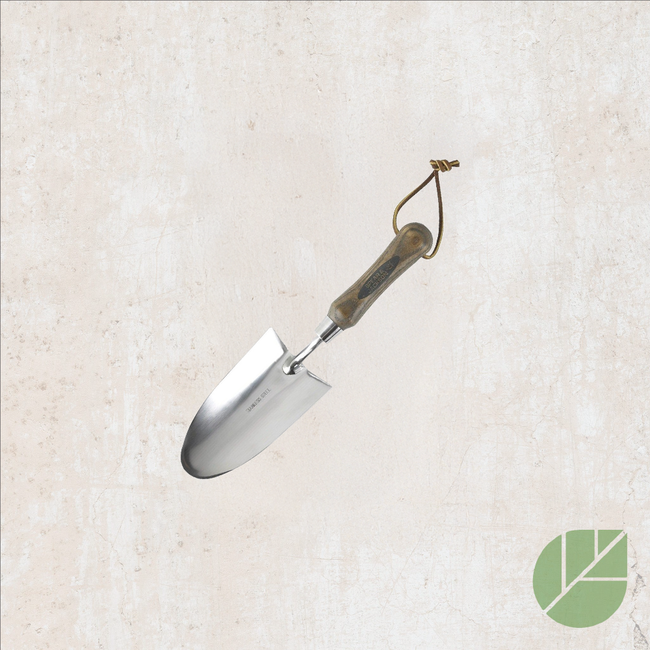
Bulb planters and planting tools
Shop the collection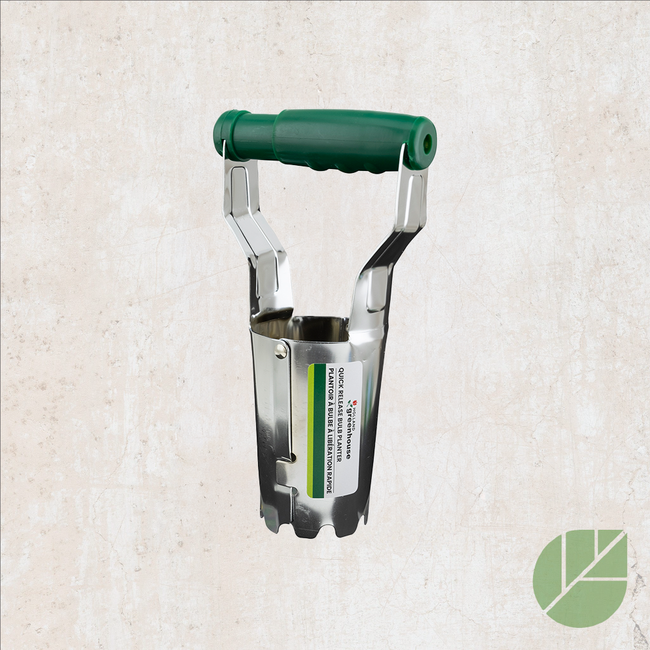
Soils and amendments for bulbs
Shop the collection