Sale
Sold out

Autumn Bulb Mix
Liliaceae and Amaryllidaceae
Mélange naturel de narcisses et scilles
Floral Harmony – Puddle Jumpin’
Scilla spp. and Narcissus spp.
Sixteen blue, white, and apricot squills with coordinated white daffodils with yellow-orange coronas to brighten pots and beds in mid-spring. The white, yellow-orange, and blue palette captures light and remains visible from the house. The different silhouettes add depth without breaking the color unity. The sixteen bulbs create a generous effect in a relatively compact space. The daffodils add fragrance while the squills structure the bouquet. The height of about 40 cm (16 in) is suitable for the middle of a border or a large container. Grouped planting creates more impact than bulbs scattered one by one. The mix prolongs interest thanks to the slightly different rhythms of the two genera. This early to mid-spring bloom combines fragrant white daffodils with yellow-orange coronas and blue squills.
- Quantity
- 16 bulbes; calibre à confirmer
- Exposure
- Sun to partial shade
- Life cycle
- Spring-flowering bulbous perennials
Discover the plant
Common nameFragrant white narcissus and blue scilla
FamilyLiliaceae and Amaryllidaceae
GenusNarcissus and Scylla
SpeciesAssorted Horticultural Hybrids
CultivarPuddle Jumping
TypeAutumn Bulb Mix
Botanical nameScilla spp. and Narcissus spp.
Puddle Jumpin' Floral Harmony (Narcissus spp. and Scilla spp.). Puddle Jumpin' brings together sixteen bulbs of fragrant white narcissus with yellow-orange coronas and blue scilla in a fresh late spring composition. The narcissus provide bright flowers and a sweet scent, while the scilla add starry bell-shaped flowers forming a carpet at their feet. Stems reach approximately 40 cm (16 in), with ribbon-like foliage on the Narcissus and narrow foliage on the Scilla. Both genera belong to the Amaryllidaceae and Asparagaceae families, respectively. Planted in groups, they create a natural scene in country-style beds, fragrant borders, and containers near a walkway.
Plant Puddle Jumpin' from September to November when the soil has cooled but is still workable. Choose full sun or bright partial shade and a humus-rich, loose, and perfectly drained soil. Place the bulbs with the pointed end up at a depth of 10 to 15 cm (4 to 6 in) depending on their size and space them 8 to 10 cm (3 to 4 in) apart, without overlapping the two genera in the same hole. Water after planting to settle the soil, then allow rainfall to maintain moderate moisture. In pots, use a well-drained, deep, and frost-resistant container. Avoid stagnant water and high-nitrogen fertilizers. A natural distribution allows the scilla to border the taller narcissus.
After flowering, remove spent flowers before seed formation, but allow all leaves to yellow naturally. This maturation recharges the bulbs and supports their return and multiplication. Install Puddle Jumpin' in a natural bed, an organized meadow, or a large pot near the house to enjoy the fragrance. Combine it with muscari, Anemone blanda, and small woodland perennials. Narcissus are generally left untouched by deer, without guaranteeing absolute protection for the entire mix. All parts, especially the bulbs, are toxic if ingested; wear gloves and keep them out of reach of children and pets.

Planting guide
Plant well.Grow beautifully.
Spacing / density
Space 8 to 10 cm (3 to 4 in) apart and naturally intersperse the two sexes
Best planting time
September to November, depending on the region and soil conditions
Propagation
Bulbs; division of bulblets during dormancy when clumps become dense
Growing method
Plant Puddle Jumpin' from September to November when the soil has cooled but is still workable. Choose full sun or bright partial shade and a humus-rich, loose, and perfectly drained soil. Place the bulbs pointy side up 10 to 15 cm (4 to 6 in) deep depending on their size and space them 8 to 10 cm (3 to 4 in) apart, without superimposing the two types in the same hole. Water after planting to settle the soil, then let rainfall maintain moderate humidity. In pots, use a deep, frost-resistant container with drainage holes. Avoid standing water and high-nitrogen fertilizers. A natural arrangement allows the squills to border the taller daffodils. After flowering, remove faded flowers before seed formation, but allow all leaves to yellow naturally. This maturation recharges the bulbs and supports their return and multiplication. Install Puddle Jumpin' in a natural bed, an organized meadow, or a large pot near the house to enjoy the fragrance. Combine it with grape hyacinths, Anemone blanda, and small woodland perennials. Daffodils are generally ignored by deer, without guaranteeing absolute protection for the entire mix. All parts, especially the bulbs, are toxic if ingested; wear gloves and keep them out of reach of children and animals.
Soil and care
The right care,at the right time.
Soil pH
Slightly acidic to slightly alkaline
Watering
During growth, water at the base when the soil surface begins to dry out. Take rainfall into account: if the soil remains moist, wait before adding water. Continue to monitor moisture after flowering as long as the leaves are green, then reduce watering as they naturally yellow. Avoid stagnant water around the bulbs. In pots, check the potting soil more frequently and allow excess water to drain freely through the drainage holes.
Soil type
Prioritize loose, well-drained soil where water doesn't linger around the roots or bulbs. Check drainage after rain: water should be able to leave the root zone. Work the soil when it's workable (not too wet) to avoid compaction. Adapt amendments to its actual texture. For potted plants, use appropriate potting soil and a pot with drainage holes. Keep these openings clear and avoid water accumulation in the saucer.
Fertilization
Feed the plants, taking into account the richness of the soil and any previous applications. Soil that has been regularly amended does not require the same care as potting mix used all season. If you are using a fertilizer, respect its dosage and application method, and do not combine multiple products. Avoid concentrated applications directly against the roots or storage organs. Observe growth before re-fertilizing: adding more fertilizer does not guarantee more flowers.
Moisture
Moderate soil moisture during growth, drier during dormancy. Always choose a location where excess water drains quickly. Loosen the soil deeper than the base of the bulbs before planting. Place each bulb tip-up without compressing the soil around its base. Water once after planting to eliminate large air pockets.
Seasonal care
Plant Puddle Jumpin' from September to November when the soil has cooled but is still workable. Choose full sun or bright partial shade and a rich, loose, perfectly drained soil. Place the bulbs point up 10 to 15 cm (4 to 6 in) deep depending on their size, and space them 8 to 10 cm (3 to 4 in) apart, without layering the two types in the same hole. Water after planting to settle the soil, then let rainfall maintain moderate moisture. For potted plants, use a deep, frost-resistant container with drainage holes. Avoid standing water and high-nitrogen fertilizers. A natural distribution allows the scillas to border the taller daffodils. After flowering, remove spent flowers before seed formation, but let all leaves yellow naturally. This maturation recharges the bulbs and supports their return and multiplication. Install Puddle Jumpin' in a natural bed, an organized meadow, or a large pot near the house to enjoy the fragrance. Combine it with muscari, Anemone blanda, and small woodland perennials. Daffodils are generally ignored by deer, but this does not guarantee absolute protection for the entire mixture. All parts, especially the bulbs, are toxic if ingested; wear gloves and keep them out of reach of children and animals. Over the seasons, observe new shoots, soil moisture, and stem condition. A durable label helps locate the planting during its dormancy. Clean tools after cutting diseased parts and remove decaying debris around the base.
Container growing
A garden,within reach.
Container gardening requires planning for the volume needed for the roots and the plant's final height. Choose a stable pot with drainage holes and a substrate suitable for planting. Leave enough space to respect the recommended depth and spacing, rather than crowding plants to fill the pot immediately. Place the container in the indicated exposure and check the moisture regularly, especially in hot or windy weather. A pot is more exposed to temperature variations than a plant in the ground. Therefore, plan for a wintering location compatible with the plant's needs and your region's climate from the outset. Plant Puddle Jumpin' from September to November when the soil has cooled but is still workable. Choose full sun or bright partial shade and a humus-rich, loose, and perfectly drained soil. Place the bulbs with the tip upwards at a depth of 10 to 15 cm (4 to 6 in) depending on their size and space them 8 to 10 cm (3 to 4 in apart), without layering the two types in the same hole. Water after planting to settle the soil, then let rainfall maintain moderate humidity. For potted plants, use a deep, frost-resistant container with drainage holes. Avoid standing water and high-nitrogen fertilizers. A natural arrangement allows the scillas to border the taller daffodils. In winter, protect the container according to the plant's needs: its roots are more exposed to cold than in the ground.

Bloom and dimensions
Its place,in your garden.
Bloom period
Puddle Jumpin’ combines sixteen bulbs of fragrant white narcissus with orange-yellow cups and blue scilla in a fresh late-spring display. The narcissus provide bright blooms and a sweet scent, while the scilla add starry, carpet-forming bells at their feet. After flowering, remove spent blooms before seeds set, but allow all the foliage to yellow naturally.

Garden associations
In goodcompany.
Companion plants
To accompany Harmonie florale Puddle Jumpin', you can consider plants chosen for compatible exposure and water needs. Select neighboring varieties based on their height, flowering period, and the colors you wish to combine. Above all, ensure that their exposure and water requirements are suitable for the same location. Leave enough space so that leaves do not shade young shoots and so you can easily access each plant for maintenance. These combinations are intended to create the garden's aesthetic; they do not guarantee protection against pests or diseases. Adjust the arrangement after observing one growing season.
Frequently asked questions
Your questions,answered.
How to successfully plant Floral Harmony Puddle Jumpin'?
Plant Puddle Jumpin' from September to November when the soil has cooled but is still workable. Choose full sun or bright partial shade and a humus-rich, loose, and perfectly drained soil. Place the bulbs tip upwards 10 to 15 cm (4 to 6 in.) deep depending on their size and space them 8 to 10 cm (3 to 4 in.) apart, without layering the two types in the same hole. Water after planting to settle the soil, then allow rainfall to maintain moderate moisture. For pots, use a deep, frost-resistant container with drainage holes. Avoid standing water and high-nitrogen fertilizers. A natural arrangement allows the scilla to border the taller daffodils.
What kind of lighting should I plan for Floral Harmony Puddle Jumpin'?
The recommended exposure is sun to partial shade. Observe the light in your chosen location in the morning and afternoon, as the shade from trees or buildings changes throughout the day. Also consider neighboring plants: their foliage can obscure a young planting as it grows. In a container, place the pot where you can move it if conditions become too hot or too shady. Suitable exposure must go hand in hand with appropriate soil and watering. If you are moving a plant started indoors to the outdoors, gradually accustom it to garden conditions to avoid too abrupt a transition for young leaves.
How to adjust watering?
Water according to the actual soil moisture, taking into account rain, heat, and wind. Check below the surface before deciding on adding more water: soil that is dry on the surface may still be moist at the root level. Direct the water to the base and allow it to penetrate, without keeping the plant in saturated soil. Containers generally require more frequent checks because they dry out faster. Make sure their drainage holes remain clear and empty any saucers that retain water. Also, adapt care to the plant's cycle: active growth and a resting period do not require the same water intake.
What to plan for container growing?
Container gardening requires anticipating the necessary volume for the roots and the plant's final height. Choose a stable pot with drainage holes and a substrate suitable for planting. Leave enough space to respect the recommended depth and spacing, rather than crowding plants to immediately fill the pot. Place the container in the recommended exposure and regularly check the moisture, especially in hot or windy weather. A pot is more exposed to temperature variations than a plant in the ground. Therefore, plan for a wintering location compatible with the plant's needs and your region's climate from the outset.
What care should be planned after the growing season?
After flowering, remove spent flowers before seeds form, but allow all leaves to yellow naturally. This maturation recharges the bulbs and supports their return and multiplication. Plant Puddle Jumpin' in a natural bed, an organized meadow, or a large pot near the house to enjoy the fragrance. Combine it with muscari, Anemone blanda, and small woodland perennials. Daffodils are generally ignored by deer, though this doesn't guarantee absolute protection for the entire mixture. All parts, especially the bulbs, are toxic if ingested; wear gloves and keep them out of reach of children and pets.
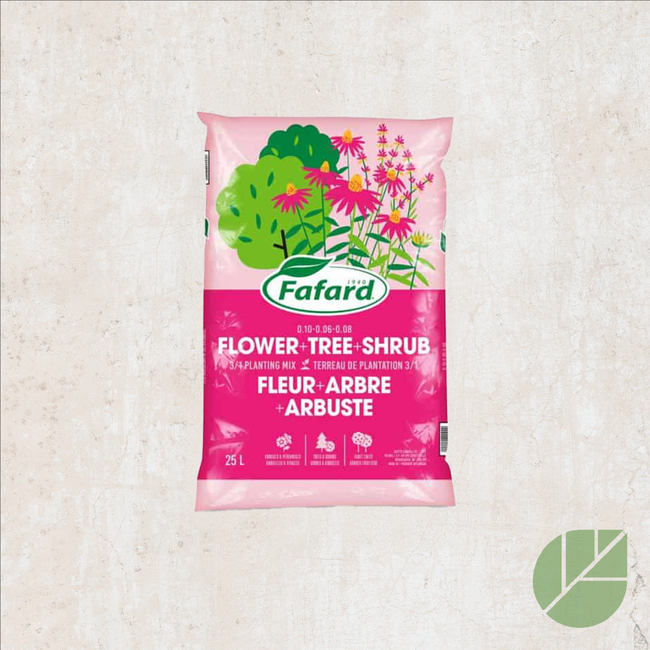
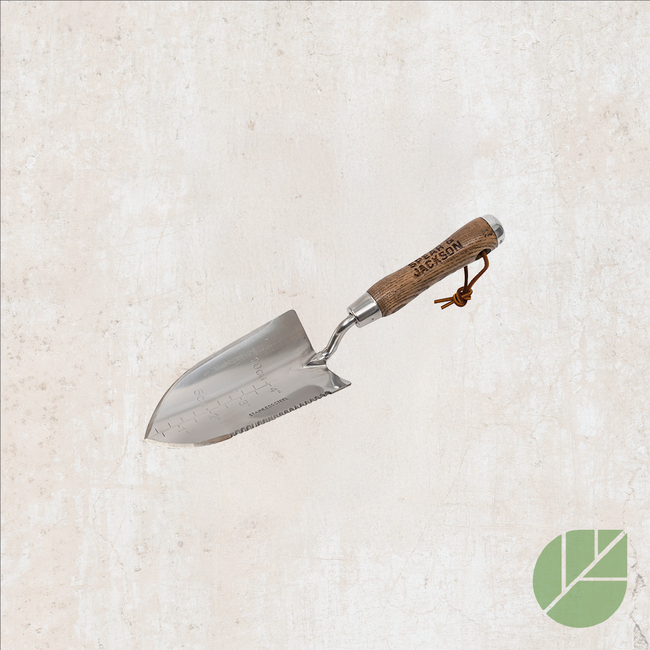
For planting your bulbs
The right extras.Right here.
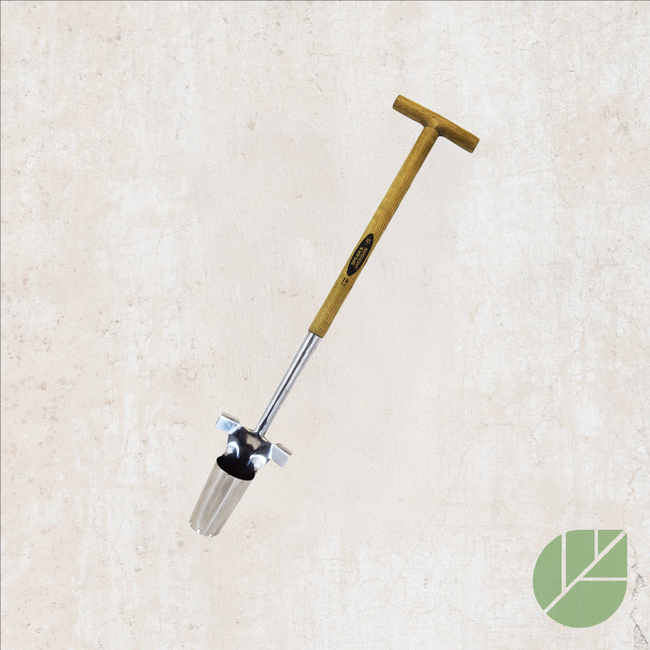
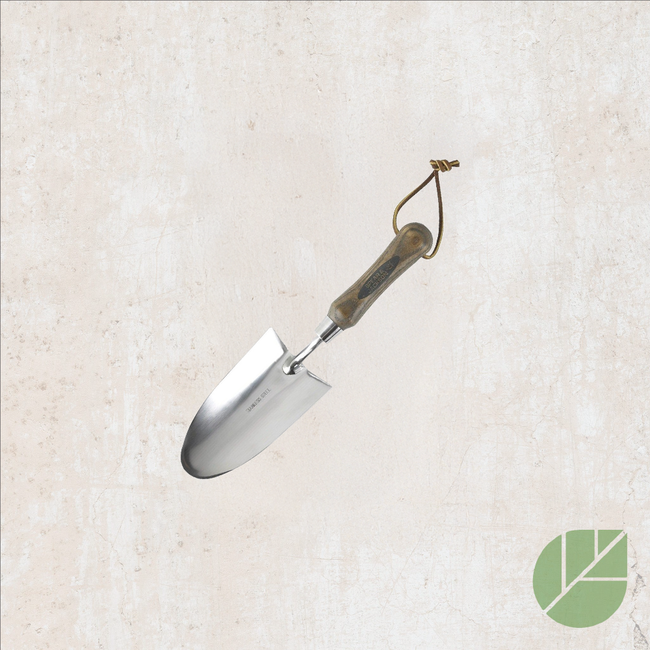
Bulb planters and planting tools
Shop the collection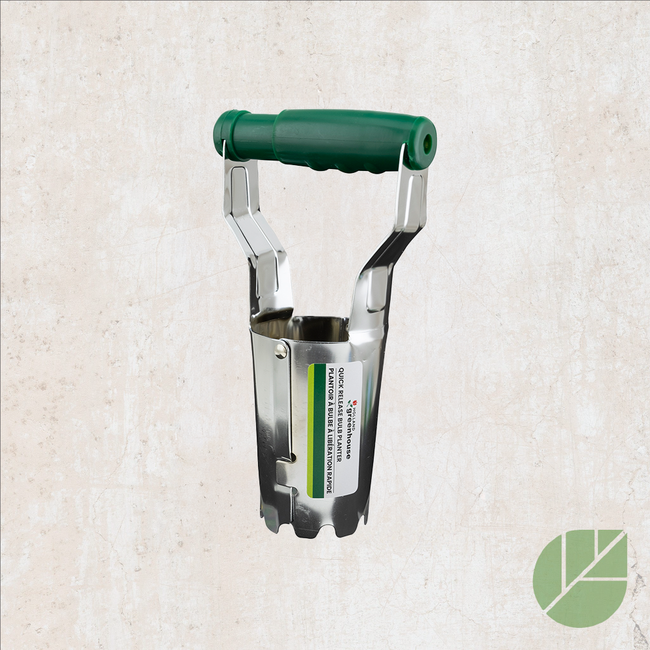
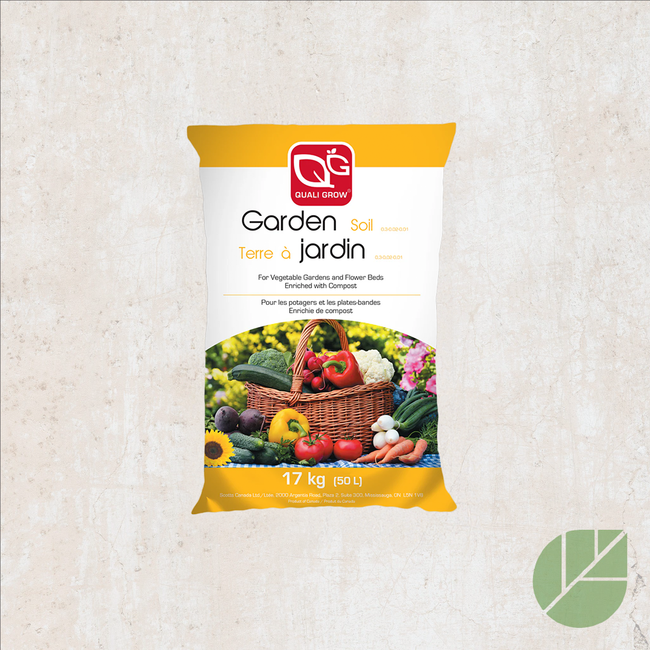
Soils and amendments for bulbs
Shop the collection