Sale
Sold out

Spring-flowering bulbs
Liliaceae
Mélange romantique de tulipes assorties
Floral Harmony – Serene Sunset
*Tulipa* spp.
Serene Sunset brings together assorted tricolored tulips with a gradient of pastel pink and soft orange to brighten up pots and flowerbeds in mid-spring. The full blossoms give a bouquet effect from the moment they open. Their height of about 40 cm (16 in) is suitable for the front or middle of a border. Group planting creates more impact than scattered bulbs. The ribbon-like foliage remains discreet beneath the flowers. The mix is suitable for cutting, naturalizing, and container growing. Well-drained, humus-rich soil promotes longevity. The pastel pink and soft orange gradient tulips are easy to integrate among perennials and can return for several years when their foliage fully matures. This selection thus brings color, contrast, and horticultural form within easy reach.
- Quantity
- 16 bulbes; calibre assorti
- Exposure
- Sunlight to partial shade
- Life cycle
- Bulbous perennials often grown for best effect in their first year
Discover the plant
Common nameAssorted pastel pink and soft orange tulips
FamilyLiliaceae
GenusTulip
SpeciesAssorted Horticultural Hybrids
CultivarSerene Sunset
TypeSpring-flowering bulbs
Botanical name*Tulipa* spp.
Serene Sunset Floral Harmony (Tulipa spp.). Serene Sunset brings together sixteen assorted tulip bulbs in a warm gradient of pastel pink and soft orange. The cup-shaped flowers open in mid-spring on erect stems reaching approximately 40 cm (16 in). Their broad, lance-shaped green foliage forms a subtle base beneath the luminous blooms. These horticultural cultivars belong to the genus Tulipa, family Liliaceae. Planted in groups, the tulips evoke the calm colours of a sunset and create a harmonious mass in a bed, border, or large container. Their sturdy stems are also suitable for pastel bouquets observed up close. Plant Serene Sunset from September to November, when the soil has cooled but is still workable.
Choose full sun or light partial shade and fertile, loose, well-drained soil. Place the bulbs point up 12 to 15 cm (5 to 6 in) deep and space them approximately 10 cm (4 in) apart. Water after planting to settle the soil, then let seasonal precipitation maintain moderate moisture. In pots, use a deep, perforated, frost-resistant container. Avoid soggy depressions and nitrogen-rich fertilisers. Distribute the sixteen bulbs in irregular groups to naturally blend the pink and orange shades.
After flowering, remove spent flowers before seed formation, but allow all foliage to yellow naturally. This maturation recharges the bulbs and promotes their return, even though many horticultural tulips offer their best display in the first year. Install Serene Sunset near an entrance, along a pathway, or in a container visible from the house. Combine this harmony with white muscari, Anemone blanda, or pastel pansies to extend the spring scene. For bouquets, cut the stems when the buds begin to show their colour and leave enough leaves on each plant. All parts, especially the bulbs, are toxic if ingested.

Planting guide
Plant well.Grow beautifully.
Spacing / density
Space approximately 10 cm (4 in.) apart in irregular groups
Best planting time
September to November, before the ground freezes permanently
Propagation
Bulbs; division of bulbils during dormancy
Growing method
Plant tulips in the fall, in soil that is still easy to work with before it freezes. Choose a sunny spot with well-drained soil, then loosen the soil to a sufficient depth. Place the bulbs with the pointed end facing up and respect the planting depth indicated for their size. When planting in groups, leave space between the bulbs to allow the roots to develop. Water after backfilling if the soil is dry. Avoid areas where water remains on the surface after rain and mark the planting so as not to damage the bulbs during subsequent gardening work. In spring, monitor humidity during growth and water at the base if a dry spell persists. Remove faded flowers while keeping the leaves still green. This foliage allows the bulb to replenish its reserves; wait for its natural yellowing before cutting it and avoid braiding it. In containers, check for dryness more often than in open ground and always allow excess water to drain away. Regrowth and flowering in subsequent years depend on the variety and growing conditions. Keep bulbs out of reach of children and animals: tulips are ornamental and should not be consumed.
Soil and care
The right care,at the right time.
Soil pH
Slightly acidic to neutral
Watering
Water after planting, then maintain consistent moisture during spring growth without saturating the soil. Reduce watering as the foliage yellows and keep the plant rather dry during dormancy. In spring, check the soil under the mulch instead of following a fixed schedule. Water deeply when the top few inches become dry, then wait for excess water to drain. Potted plants require more frequent monitoring than those in the ground, especially while flower stalks are elongating.
Soil type
Humus-rich, loose, well-drained soil, moist in spring then drier after the foliage matures. Avoid clay hollows where water accumulates around the bulbs. Before planting, incorporate mature compost into poor soils and fine gravel or a mineral amendment into heavy soils. An airy structure allows roots to establish in autumn and protects the base of the bulbs during winter thaws.
Fertilization
Feed the plants, taking into account the richness of the soil and any previous applications. Soil that is regularly amended does not require the same care as potting soil used all season. If you use a fertilizer, follow its dosage and application method, without using multiple products. Avoid concentrated applications directly on the roots or storage organs. Observe growth before reapplying fertilizer: adding more fertilizer does not guarantee more flowers.
Moisture
Moderate humidity during rooting and flowering, with constant air circulation and drainage. Waterlogged soil in winter or during dormancy greatly increases the risk of basal rot. Sufficient air circulation around the leaves helps their surface to dry after rain. Space bulbs without isolating them, remove diseased debris, and do not bury the crowns under compact mulch. In pots, always empty saucers after watering.
Seasonal care
Plant tulips in the fall, in soil that is still easy to work before it freezes. Choose a sunny spot with well-drained soil, then loosen the soil to a sufficient depth. Place the bulbs with the pointed end up and observe the planting depth indicated for their size. When planting in groups, leave space between the bulbs to allow the roots to develop. Water after backfilling if the soil is dry. Avoid areas where water remains on the surface after rain and mark the planting so as not to damage the bulbs during subsequent gardening. In spring, monitor moisture during growth and water at the base if a dry period persists. Remove faded flowers while keeping the leaves green. This foliage allows the bulb to replenish its reserves; wait for its natural yellowing before cutting it and avoid braiding it. In containers, check for dryness more often than in open ground and always allow excess water to drain. Re-growth and flowering in subsequent years depend on the variety and growing conditions. Keep bulbs out of reach of children and animals: tulips are ornamental and not for consumption. Throughout the seasons, observe new shoots, soil moisture, and the condition of the stems. A durable label helps locate the planting during its dormancy. Clean tools after cutting diseased parts and remove debris that degrades around the base.
Container growing
A garden,within reach.
Container gardening requires planning for the necessary root volume and the plant's final height. Choose a stable pot with drainage holes and a suitable planting medium. Leave enough space to respect the recommended depth and spacing, rather than cramming plants together to fill the pot immediately. Place the container in the indicated exposure and regularly check the moisture, especially in hot or windy weather. A pot is more exposed to temperature variations than planting in the ground. Therefore, from the outset, plan a wintering location compatible with the plant's needs and your region's climate. Plant tulips in the fall, in soil that is still easy to work before it freezes. Choose a sunny, well-drained spot, then loosen the soil to a sufficient depth. Place the bulbs pointy side up and respect the planting depth indicated for their size. When planting in groups, leave space between the bulbs to allow the roots to develop. Water after backfilling if the soil is dry. Avoid areas where water remains on the surface after rain and mark the planting so as not to damage the bulbs during subsequent gardening work. In winter, protect the container according to the plant's needs: its roots are more exposed to cold than when planted in the ground.

Bloom and dimensions
Its place,in your garden.
Bloom period
The cup-shaped flowers open in mid-spring on erect stems reaching about 40 cm (16 in.) tall. Water after planting to settle the soil, then allow seasonal precipitation to maintain moderate moisture. After flowering, remove spent flowers before seeds form, but allow all foliage to yellow naturally. For bouquets, cut stems when buds begin to show color and leave enough leaves on each plant.

Garden associations
In goodcompany.
Companion plants
To accompany Harmonie florale Serene Sunset, you could consider grape hyacinths, pansies, or forget-me-nots. Choose neighboring varieties based on their height, flowering period, and the colors you wish to combine. Most importantly, ensure that their exposure and water needs are suitable for the same location. Leave enough space so that the leaves do not hide young shoots and so that each plant is easily accessible for maintenance. These combinations are for designing the garden layout; they do not guarantee protection against pests or diseases. Adjust the arrangement after observing one growing season.
Frequently asked questions
Your questions,answered.
How to successfully plant Serene Sunset Floral Harmony?
Plant tulips in the fall, in soil that is still easy to work before it freezes. Choose a sunny spot with well-drained soil, then loosen the soil to a sufficient depth. Place the bulbs with the pointed end up and respect the planting depth indicated for their size. When planting in groups, leave space between the bulbs to allow the roots to develop. Water after backfilling if the soil is dry. Avoid areas where water remains on the surface after rain and mark the planting so as not to damage the bulbs during subsequent gardening work. Keep a durable label to easily find this planting during its dormant period.
What lighting should I plan for Floral Harmony Serene Sunset?
Recommended exposure is sun to partial shade. Observe the light in your chosen spot in the morning and afternoon, as the shade from trees or buildings changes throughout the day. Also consider neighboring plants: their foliage can obscure a young planting as it develops. In a container, place the pot where you can move it if conditions become too hot or too shady. Suitable exposure should go hand in hand with appropriate soil and watering. If you move a plant started indoors to an outdoor location, gradually acclimate it to garden conditions to avoid too abrupt a transition for young leaves.
How do I adjust the watering?
Water according to the actual soil moisture, taking into account rain, heat, and wind. Check below the surface before deciding on further watering: soil that is dry on the surface may still be moist at the root level. Direct water to the base of the plant and let it soak in, without keeping the plant in saturated soil. Containers generally require more frequent checks because they dry out faster. Make sure their drainage holes remain clear and empty any water-retaining saucers. Also, adapt care to the plant's cycle: active growth and a resting period do not require the same amount of water.
What to plan for container growing?
Container gardening requires you to consider the necessary volume for the roots and the plant's final height. Choose a stable pot with drainage holes and a suitable planting medium. Leave enough space to respect the recommended depth and spacing, rather than crowding plants to fill the pot immediately. Place the container in the indicated exposure and regularly check the moisture level, especially in hot or windy weather. A pot is more exposed to temperature variations than plants in the ground. Therefore, plan for a wintering location from the outset that is compatible with the plant's needs and your region's climate.
What care should be provided after the growing season?
In spring, monitor moisture during growth and water at the base if a dry spell continues. Remove faded flowers while keeping the leaves green. This foliage allows the bulb to replenish its reserves; wait for it to yellow naturally before cutting it and avoid braiding it. In containers, check for dryness more often than in the ground and always allow excess water to drain. Regrowth and flowering in subsequent years depend on the variety and growing conditions. Keep bulbs out of reach of children and animals: tulips are ornamental and not for consumption.
For planting your bulbs
The right extras.Right here.
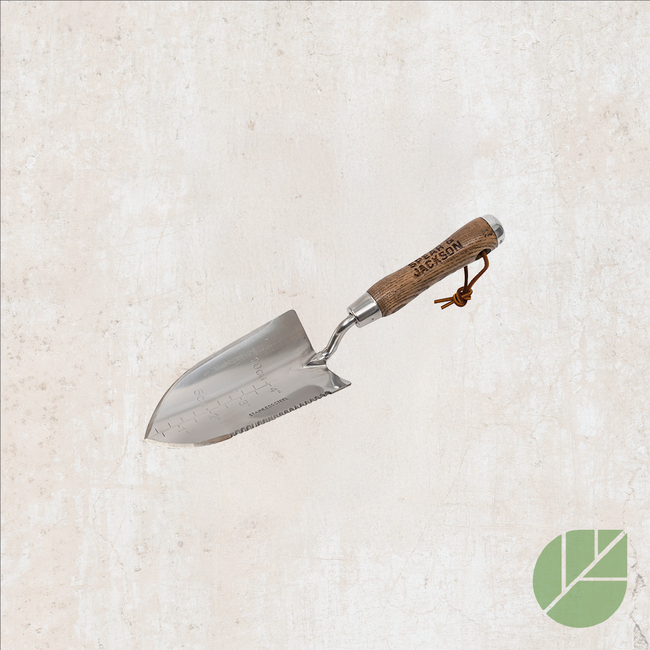
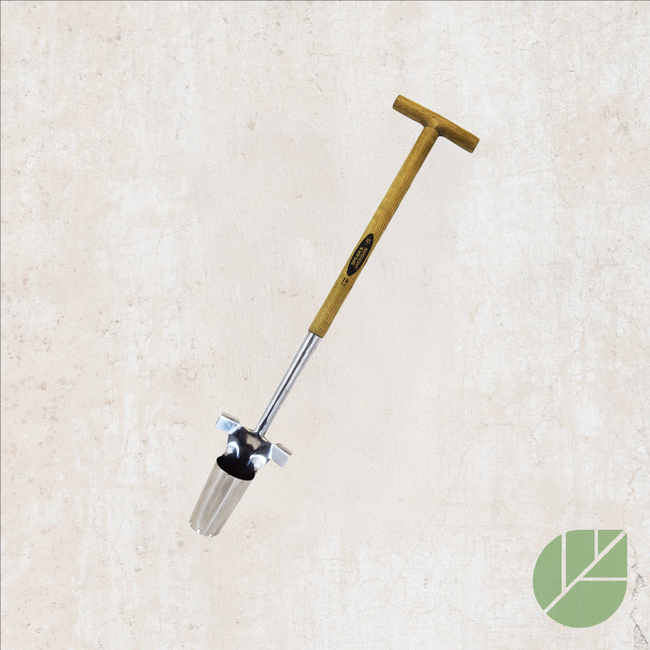
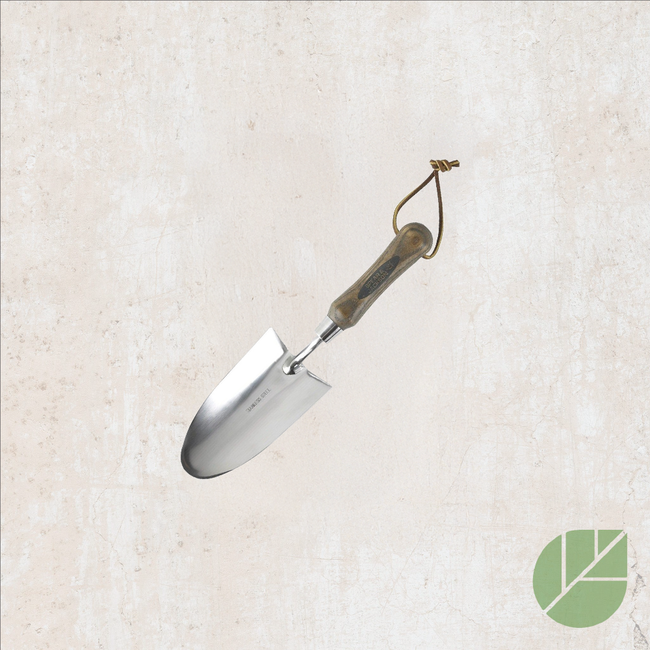
Bulb planters and planting tools
Shop the collection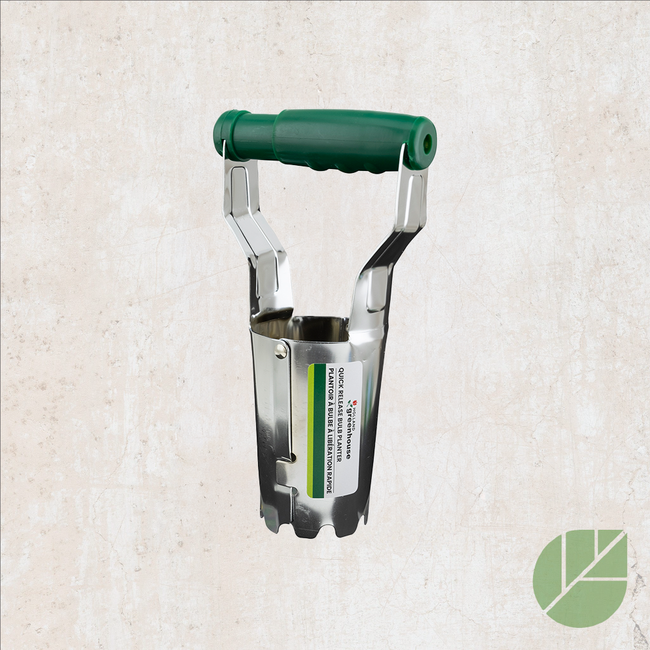
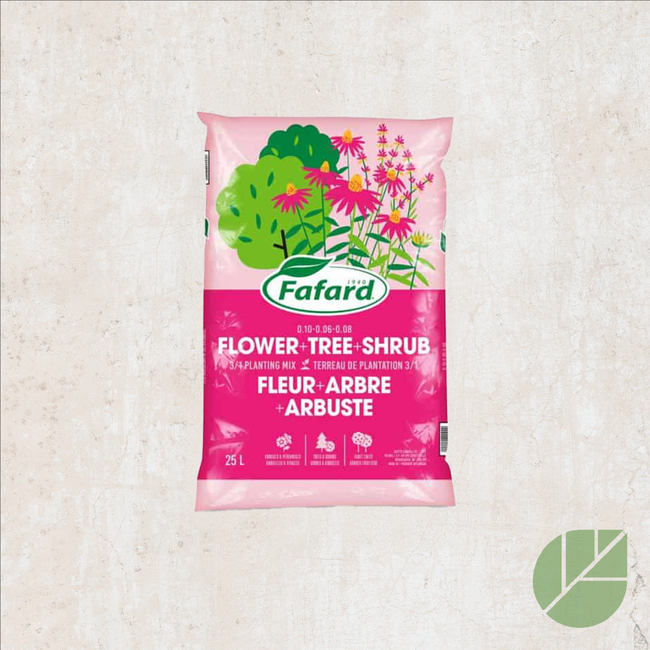
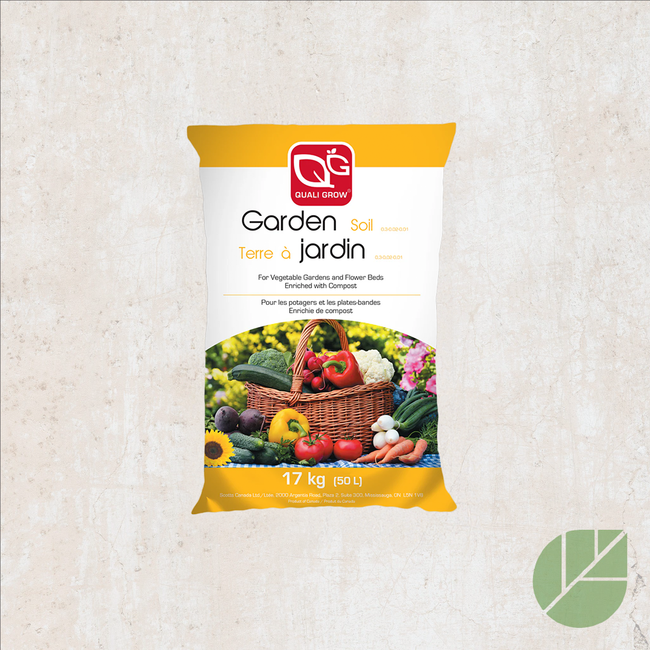
Soils and amendments for bulbs
Shop the collection