Sale
Sold out

Autumn Bulb Mix
Liliaceae and Amaryllidaceae
Mélange couleurs assorties de narcisses, chionodoxas et muscaris
Floral Harmony – Spring Cheer
Daffodil, Squill and Grape Hyacinth spp.
Thirty-six chionodoxas and muscari in assorted colors with coordinating yellow crown daffodils to brighten pots and beds in early spring. The assorted color palette captures the light and remains visible from the house. The different silhouettes add texture without breaking the color unity. The thirty-six bulbs create a generous effect in a relatively compact space. Daffodils add fragrance while chionodoxas and muscari structure the bouquet. The height of approximately 15 cm (6 in) is suitable for the middle of a border or a large container. Grouped planting creates more impact than scattered bulbs. The mix prolongs interest thanks to the slightly different rhythms of the three genera. This early to mid-spring bloom combines chionodoxas and bicolor muscari with yellow crown daffodils.
- Quantity
- 36 bulbes assortis
- Exposure
- Sun to partial shade
- Life cycle
- Spring-flowering bulbous perennials
Discover the plant
Common nameAssorted narcissi, chionodoxas and muscari
FamilyLiliaceae and Amaryllidaceae
GenusNarcissus; Squill; Grape hyacinth
SpeciesAssorted species and hybrids
CultivarSpring Cheer
TypeAutumn Bulb Mix
Botanical nameDaffodil, Squill and Grape Hyacinth spp.
Spring Cheer Floral Harmony (Narcissus, Scilla, and Muscari spp.). Spring Cheer brings together thirty-six narcissus, chionodoxa, and muscari bulbs in a low-growing composition of coordinated colors. The narcissus contribute their luminous trumpets, the chionodoxa their star-shaped flowers, and the muscari their clusters of small bells. The ensemble blooms in early spring and reaches about 15 cm (6 in.) in height. Narcissus belong to the genus Narcissus, family Amaryllidaceae; chionodoxa are classified in Scilla and muscari in Muscari, family Asparagaceae. Grouped together, these bulbs form a natural carpet in a border, under deciduous trees, or in a shallow container, while providing resources for early pollinators.
Plant Spring Cheer from September to November in cooled, loose, and very well-drained soil. Choose full sun or light partial shade, especially under trees that remain leafless in early spring. Place the bulbs point up at an appropriate depth of 8 to 12 cm (3 to 5 in.) and space them 5 to 10 cm (2 to 4 in.) apart. Distribute the three genera irregularly to create a natural scene rather than strict rows. Water after planting to settle the soil, then let seasonal precipitation maintain moderate moisture. For pots, use a drilled, frost-proof container; avoid any standing water.
After flowering, remove the spent narcissus flowers, but allow all foliage to yellow naturally. This maturation allows the bulbs to replenish their reserves. Chionodoxa and muscari can multiply and gradually form colonies when the site is suitable for them. Install Spring Cheer at the base of deciduous trees, in a naturalized border, or in a lightly cultivated wildflower meadow. Combine it with primroses, late ferns, or perennials that will later mask the dormant foliage. Narcissus are toxic if ingested and generally left alone by deer. Wear gloves and keep bulbs out of reach of children and pets.

Planting guide
Plant well.Grow beautifully.
Spacing / density
Space 2 to 4 in. (5 to 10 cm) apart in irregular groups
Best planting time
September to November, depending on the region and soil conditions
Propagation
Bulbs; division of bulblets during dormancy when clumps become dense
Growing method
Plant Spring Cheer from September to November in cooled, loose, well-drained soil. Choose full sun or light partial shade, especially under trees that remain leafless in early spring. Place bulbs pointed end up at an appropriate depth of 8 to 12 cm (3 to 5 in) and space them 5 to 10 cm (2 to 4 in) apart. Distribute the three genera irregularly to create a natural scene rather than strict rows. Water after planting to settle the soil, then let seasonal precipitation maintain moderate moisture. In pots, use a pierced, frost-resistant container; avoid standing water. After flowering, remove spent daffodil blossoms, but allow all foliage to yellow naturally. This maturation allows the bulbs to replenish their reserves. Chionodoxas and muscari can multiply and gradually form colonies when the site is suitable for them. Install Spring Cheer at the foot of deciduous trees, in a naturalized border, or in a lightly cultivated wildflower meadow. Pair it with primroses, late ferns, or perennials that will then conceal the dormant foliage. Daffodils are toxic if ingested and generally avoided by deer. Wear gloves and keep bulbs out of reach of children and animals.
Soil and care
The right care,at the right time.
Soil pH
Slightly acidic to slightly alkaline
Watering
During growth, water at the base when the soil surface starts to dry out. Take rainfall into account: if the soil remains moist, wait before adding more water. Continue to monitor moisture after flowering as long as the leaves are green, then reduce watering as they naturally yellow. Avoid standing water around the bulbs. In pots, check the potting mix more often and allow excess water to drain freely through the drainage holes.
Soil type
Opt for loose, well-drained soil where water does not linger around the roots or bulbs. Check the drainage after rain: water should be able to leave the root zone. Work the soil when it is crumbly to avoid compacting it. Adapt amendments to its actual texture. In containers, use an appropriate potting mix and a pot with drainage holes. Keep these openings clear and avoid any accumulation of water in the saucer.
Fertilization
Nourish the plants, taking into account soil richness and previous amendments. Soil that has been regularly amended does not require the same care as potting mix used in containers all season. If you use a fertilizer, respect its dosage and application method, without multiplying products. Avoid concentrated applications near roots or storage organs. Observe growth before reapplying fertilizer: adding more fertilizer does not guarantee more flowers.
Moisture
Moderate soil moisture during growth, drier during dormancy. Always choose a location where excess water drains quickly. Loosen the soil deeper than the base of the bulbs before planting. Place each bulb point up, without compacting the soil around its base. Water once after planting to remove large air pockets.
Seasonal care
Plant Spring Cheer from September to November in cooled, loose, well-drained soil. Choose full sun or light partial shade, especially under trees that remain bare in early spring. Place bulbs pointed side up at an appropriate depth of 8 to 12 cm (3 to 5 in) and space them 5 to 10 cm (2 to 4 in) apart. Distribute the three types irregularly to create a natural scene rather than strict rows. Water after planting to settle the soil, then allow seasonal precipitation to maintain moderate moisture. For pots, use a frost-proof container with drainage holes; avoid standing water. After flowering, remove spent daffodil blossoms, but allow all foliage to yellow naturally. This maturation allows the bulbs to replenish their reserves. Chionodoxas and muscari can multiply and gradually form colonies when the site is suitable. Install Spring Cheer at the base of deciduous trees, in a naturalized border, or in a lightly worked wildflower meadow. Pair it with primroses, late-emerging ferns, or perennials that will later mask the dormant foliage. Daffodils are toxic if ingested and generally ignored by deer. Wear gloves and keep bulbs out of reach of children and pets. As the seasons progress, observe new growth, soil moisture, and stem condition. A durable label helps locate the planting during dormancy. Clean tools after cutting diseased parts and remove degrading debris around the base.
Container growing
A garden,within reach.
Container gardening requires considering the necessary volume for the roots and the plant's final height. Choose a stable pot with drainage holes and a suitable growing medium. Leave enough space to respect the recommended depth and spacing, rather than crowding plants to fill the pot immediately. Place the container in the indicated exposure and regularly check the moisture, especially in hot or windy weather. A pot is more exposed to temperature variations than a plant in the ground. Therefore, plan for a wintering location compatible with the plant's needs and your region's climate from the outset. Plant Spring Cheer from September to November in cooled, loose, and very well-drained soil. Choose full sun or light partial shade, especially under trees that remain bare in early spring. Place the bulbs with the tip facing upwards at an appropriate depth of 8 to 12 cm (3 to 5 in) and space them 5 to 10 cm (2 to 4 in apart). Distribute the three types irregularly to create a natural scene rather than strict rows. Water after planting to settle the soil, then allow seasonal precipitation to maintain moderate humidity. For potted plants, use a perforated, frost-resistant container; avoid standing water. In winter, protect the container according to the plant's needs: its roots are more exposed to cold than when planted in the ground.

Bloom and dimensions
Its place,in your garden.
Bloom period
Daffodils bring their bright trumpets, glory-of-the-snow their star-shaped flowers, and grape hyacinths their clusters of small bells. Choose full sun or light dappled shade, especially under trees that remain bare in early spring. Water after planting to settle the soil, then let seasonal rainfall maintain moderate moisture. After flowering, remove spent daffodil blossoms, but let all foliage yellow naturally. Plant Spring Cheer at the base of deciduous trees, in a naturalized border, or in a lightly tended wildflower meadow.

Garden associations
In goodcompany.
Companion plants
To complement Spring Cheer floral harmony, you can consider plants chosen for compatible light exposure and water requirements. Select neighboring varieties based on their height, flowering period, and the colors you wish to combine. Above all, ensure that their light exposure and water needs are suitable for the same location. Maintain enough distance so that the leaves do not obscure young shoots and to allow easy access to each plant during maintenance. These associations are for garden design; they do not guarantee protection against pests or diseases. Adjust the layout after observing one growing season.
Frequently asked questions
Your questions,answered.
How to successfully plant Floral Harmony Spring Cheer?
Plant Spring Cheer from September to November in cool, loose, very well-drained soil. Choose full sun or light partial shade, especially under trees that remain leafless in early spring. Place bulbs pointed-side up at an appropriate depth of 8 to 12 cm (3 to 5 in) and space them 5 to 10 cm (2 to 4 in) apart. Distribute the three varieties irregularly to create a natural scene rather than strict rows. Water after planting to settle the soil, then let seasonal rainfall maintain moderate moisture. In pots, use a pierced, frost-resistant container; avoid any standing water.
What lighting should I plan for Floral Harmony Spring Cheer?
The recommended exposure is sun to partial shade. Observe the light in the chosen location in the morning and in the afternoon, as the shade of trees or buildings changes throughout the day. Also consider neighboring plants: their foliage can obscure a young plant as it grows. In a container, place the pot where you can move it if conditions become too hot or too shady. Suitable exposure must go hand in hand with appropriate soil and watering. If you move a plant started indoors outdoors, gradually accustom it to garden conditions to avoid too abrupt a transition on the young leaves.
How to adjust the watering?
Water according to the actual soil moisture, taking into account rain, heat, and wind. Check below the surface before deciding to water again: soil that is dry on the surface may still be moist at the root level. Direct the water to the base and allow it to penetrate, without keeping the plant in saturated soil. Containers generally require more frequent checks because they dry out faster. Make sure their drainage holes remain clear and empty any saucers that collect water. Also, adapt care to the plant's cycle: active growth and a resting period do not require the same amount of water.
What to plan for a container culture?
Container gardening requires anticipating the necessary volume for the roots and the plant's final height. Choose a stable pot with drainage holes and a suitable growing medium. Leave enough space to respect the recommended depth and spacing, rather than crowding the plants to immediately fill the pot. Place the container in the recommended exposure and regularly check the moisture level, especially during hot or windy weather. A pot is more exposed to temperature variations than a plant in the ground. Therefore, from the outset, plan for a wintering location compatible with the plant's needs and your region's climate.
What aftercare should be planned for after the growing season?
After flowering, remove spent daffodil flowers, but let all the foliage yellow naturally. This maturation allows the bulbs to replenish their reserves. Chionodoxa and muscari can multiply and gradually form colonies when the site is suitable for them. Plant Spring Cheer at the base of deciduous trees, in a naturalized border, or in an untended wildflower meadow. Pair it with primroses, late-emerging ferns, or perennials that will later hide the dormant foliage. Daffodils are toxic if ingested and generally avoided by deer. Wear gloves and keep bulbs out of reach of children and pets.
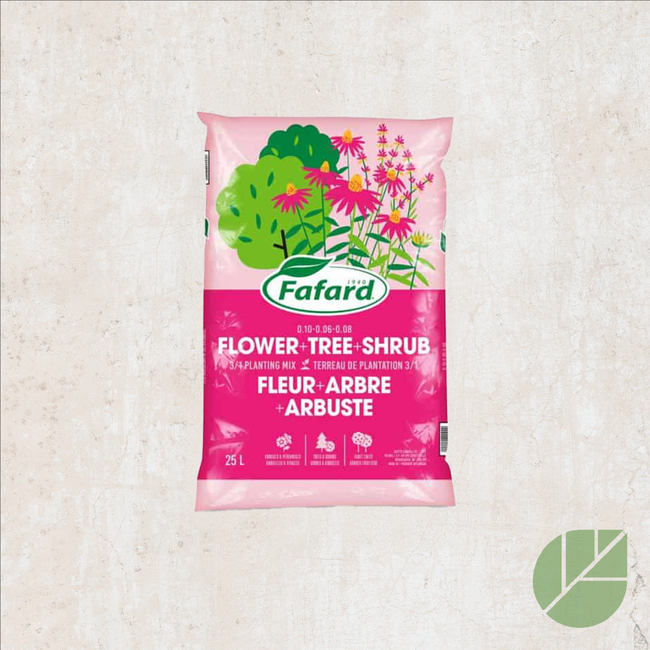
For planting your bulbs
The right extras.Right here.
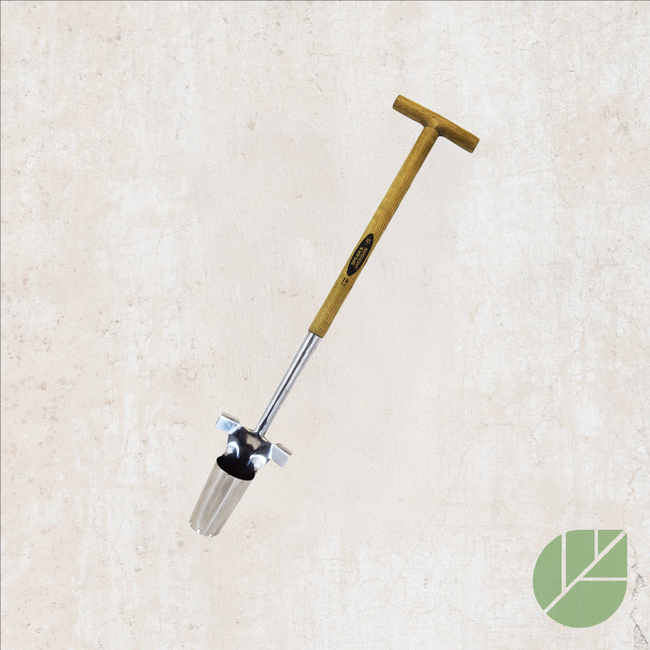
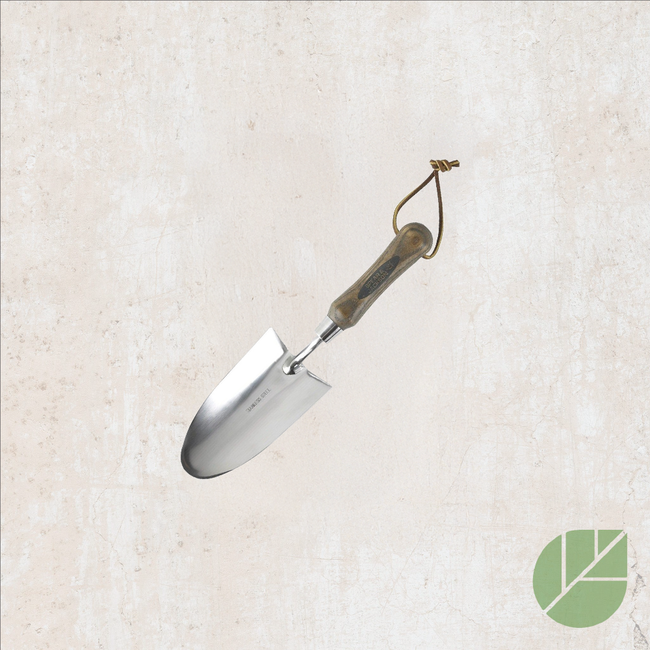
Bulb planters and planting tools
Shop the collection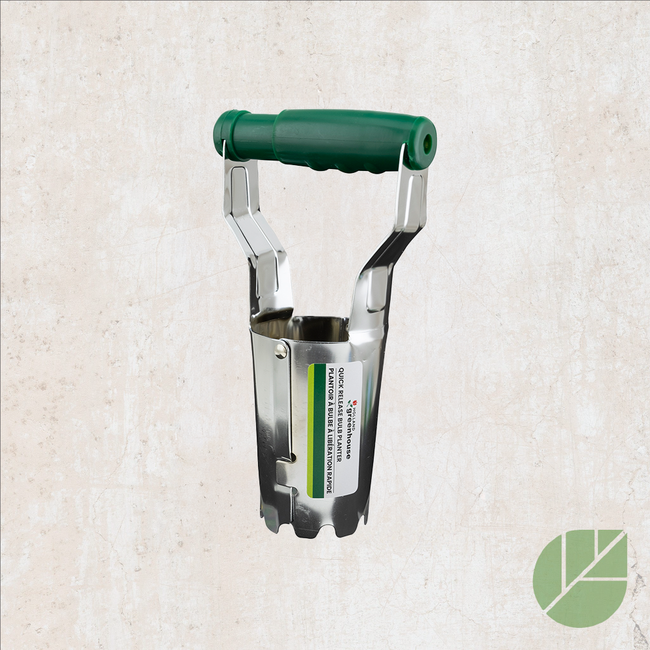

Soils and amendments for bulbs
Shop the collection