Sale
Sold out

Mixed flowering bulbs
Liliaceae and Asparagaceae
Tulip and scilla mix ‘Violet Skies’
Tulipa and Scilla
‘Violet Skies’ combines 16 deep purple double tulip and lavender-blue scilla bulbs for a refined late-spring display. Reaching approximately 50 cm (20 in), this layered mixture is ideal for beds, containers and seasonal bouquets.
- Quantity
- 16 units
- Exposure
- Full sun to partial shade
- Life cycle
- Bulbous perennials
Discover the plant
Common nameTulip and scilla mix
FamilyLiliaceae and Asparagaceae
GenusTulip; Squill
TypeMixed flowering bulbs
Botanical nameTulipa and Scilla
Tulip and scilla mix (Tulipa and Scilla) ‘Violet Skies’ is a 16-bulb assortment combining double tulips in deep mauve-purple tones with pale lavender-blue scilla. The tulips produce full, densely petalled, velvety-looking blooms, while the lighter scilla clusters add transparency and movement throughout the planting. The combination reaches approximately 50 cm (20 in) at the top of the tulips and flowers in late spring, generally between April and May depending on climate. The contrast between flower forms and complementary violet-blue shades creates a refined, layered and strongly vertical display that is especially effective in sophisticated spring gardens and seasonal container arrangements.
This combination grows well in full sun to partial shade in light, fertile and well-drained soil. In Quebec, plant the bulbs in fall, ideally from September to November before the ground freezes. Because the mixture includes bulbs of different sizes, adjust planting depth accordingly, generally between 100 and 150 mm, and space them 8 to 10 cm (3 to 4 in) apart. Water lightly after planting, then maintain moderate moisture during active spring growth without saturating the soil. After flowering, remove faded blooms if desired, but allow the foliage to yellow naturally so the bulbs can replenish their stored energy before dormancy. Avoid areas where water remains standing after rainfall or spring thaw.
This pairing is especially suitable for structured borders, contrasting beds, romantic gardens, large containers and cutting gardens. To emphasize the layered effect, position the scilla between or slightly in front of the tulips so their lavender-blue clusters weave around the fuller purple blooms. Forget-me-nots, silver foliage and white spring flowers complement the palette without diminishing its character. Both scilla and tulip flowers may be visited by various pollinating insects during spring. Flowering stems can also be used in seasonal bouquets. These bulbs are not intended for food use, and the mixture should be considered unsafe for pets. This product is offered by Van Noort and presented under the Florissa brand.

Planting guide
Plant well.Grow beautifully.
Spacing / density
Space 8 to 10 cm (3 to 4 in) apart
Best planting time
September to November, before the ground freezes
Propagation
Division of bulbs and offsets
Growing method
Plant ‘Violet Skies’ from September to November in cooled, fertile, loose, and very well-drained soil. Choose full sun or light partial shade. Since not all bulbs are the same size, plant tulips approximately 12 to 15 cm (5 to 6 in) deep and squills 8 to 10 cm (3 to 4 in) deep, maintaining 8 to 10 cm (3 to 4 in) between groups. Water after planting to settle the soil, then let seasonal rainfall maintain moderate moisture. For pots, use a deep, drained, and frost-resistant container. Arrange the squills in front of or among the tulips to highlight the two heights. After flowering, remove the faded tulip corollas, but allow all the foliage to yellow completely. This maturation allows the bulbs to replenish their reserves. Squills can multiply if the site is suitable, while many horticultural tulips offer their best display during the first few years. Install ‘Violet Skies’ near an entrance, in a romantic garden, or a potted arrangement visible from the house. Forget-me-nots, white narcissus, and silver foliage enhance its violet and lavender palette. The flowers can provide resources for certain pollinators and are suitable for bouquets. Both genera are toxic if ingested, especially their bulbs.
Soil and care
The right care,at the right time.
Soil pH
Slightly acidic to neutral
Minimum temperature
Approximately -40 °C
Care level
Easy
Watering
Moderate during active growth; reduce after flowering
Soil type
Light, fertile and well-drained soil
Fertilization
Light application of compost or bulb fertilizer in early spring
Seasonal care
In fall, plant the 16 bulbs before the ground freezes in loose, well-drained soil, adjusting depth for the tulips and scilla. Water lightly after planting. In spring, maintain moderate moisture as foliage and buds develop and apply a small amount of compost or bulb fertilizer if needed. During flowering, harvest stems for bouquets or remove faded blooms. After flowering, retain all green foliage and wait until it yellows naturally before cutting it back. Reduce watering afterward during dormancy. Established scilla can remain undisturbed so they gradually multiply where growing conditions and drainage remain favourable from season to season.
Container growing
A garden,within reach.
Recommended pot size
Pot at least 30 to 35 cm (12 to 14 in) in diameter
Container culture requires planning for the volume needed for the roots and the plant's final height. Choose a stable pot with drainage holes and a suitable planting medium. Leave enough space for the recommended depth and spacing, rather than crowding plants to immediately fill the pot. Place the container in the indicated exposure and regularly check the moisture, especially in hot or windy weather. A pot is more exposed to temperature variations than a plant in the ground. Therefore, plan for a wintering location compatible with the plant's needs and your region's climate right from the start. Plant 'Violet Skies' from September to November in cool, fertile, loose, and very well-drained soil. Choose full sun or light partial shade. Since not all bulbs are the same size, place tulips approximately 12 to 15 cm (5 to 6 in) deep and squills 8 to 10 cm (3 to 4 in) deep, maintaining 8 to 10 cm (3 to 4 in) between groups. Water after planting to settle the soil, then let seasonal precipitation maintain moderate moisture. For containers, use a deep, perforated, and frost-resistant pot. Arrange the squills in front of or between the tulips to highlight the layering of the two heights. In winter, protect the container according to the plant's needs: its roots are more exposed to cold than in the ground.

Bloom and dimensions
Its place,in your garden.
Mature height
50 cm (20 in)
Width / spread
15 cm (6 in) per plant
Flower color
Deep mauve-purple and pale lavender-blue
Foliage color
Green to blue-green
Foliage type
Deciduous
Growth rate
Moderate
Bloom period
Late spring, generally April to May

Garden associations
In goodcompany.
Companion plants
Forget-me-nots, white flowers, miniature hostas and silver foliage
Plants to avoid
Plants requiring constantly moist or waterlogged soil
Frequently asked questions
Your questions,answered.
Which bulbs are included in the ‘Violet Skies’ mix?
Plant ‘Violet Skies’ from September to November in cooled, fertile, loose, and very well-drained soil. Choose full sun or light partial shade. Since not all bulbs are the same size, plant tulips about 12 to 15 cm (5 to 6 in) deep and scillas 8 to 10 cm (3 to 4 in) deep, maintaining 8 to 10 cm (3 to 4 in) between groups. Water after planting to settle the soil, then let seasonal precipitation maintain moderate moisture. For pots, use a deep, perforated, and frost-resistant container. Arrange scillas in front of or between tulips to highlight the layering of the two heights.
When should ‘Violet Skies’ bulbs be planted?
The recommended exposure is sun to partial shade. Observe the light in the chosen location in the morning and afternoon, as the shade from trees or buildings changes throughout the day. Also consider nearby plants: their foliage can obscure a young planting as it develops. In a container, place the pot where you can move it if conditions become too hot or too shady. Suitable exposure must go hand in hand with appropriate soil and watering. If you move a plant started indoors to the outdoors, gradually accustom it to garden conditions to avoid too abrupt a transition for young leaves.
How tall does the ‘Violet Skies’ bulb mix grow?
Water according to the actual soil moisture, taking into account rain, heat, and wind. Check below the surface before deciding to water again: soil that is dry on the surface may still be moist at the root level. Direct water to the base and allow it to penetrate, without keeping the plant in saturated soil. Containers generally require more frequent checks because they dry out faster. Make sure their drainage holes remain clear and empty any saucers that hold water. Also, adapt care to the plant's cycle: active growth and a resting period do not require the same inputs.
Can ‘Violet Skies’ be grown in containers?
Container gardening requires anticipating the necessary volume for the roots and the plant's final height. Choose a stable pot with drainage holes and a substrate suitable for planting. Leave enough space to respect the recommended depth and spacing, rather than crowding the plants to immediately fill the pot. Place the container in the indicated exposure and regularly check the moisture, especially in hot or windy weather. A pot is more exposed to temperature variations than planting directly in the ground. Therefore, plan for a wintering location from the outset that is compatible with the plant's needs and your region's climate.
Is the ‘Violet Skies’ bulb mix safe for pets?
After flowering, remove the faded tulip blooms, but allow the foliage to yellow completely. This maturation allows the bulbs to replenish their reserves. Squills can multiply when the site is suitable, while many horticultural tulips offer their best display in the first few years. Plant ‘Violet Skies’ near an entrance, in a romantic garden, or in a pot visible from the house. Forget-me-nots, white narcissus, and silver foliage enhance its purple and lavender palette. The flowers can provide resources for some pollinators and are suitable for bouquets. Both genera are toxic if ingested, especially their bulbs.
Wildlife and pets
Life,around your plants.
For planting your bulbs
The right extras.Right here.
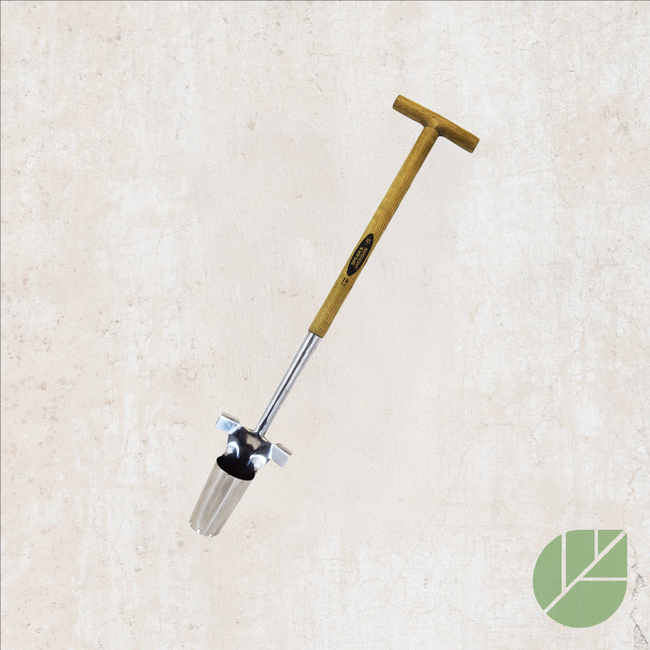
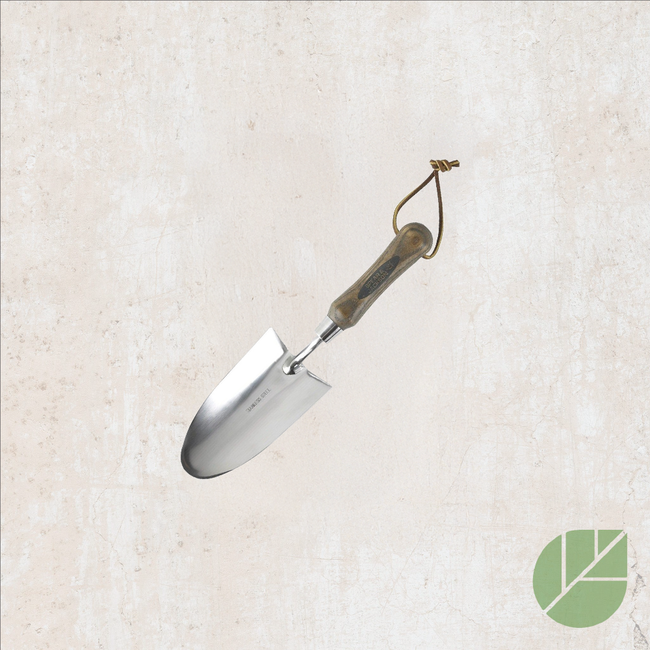
Bulb planters and planting tools
Shop the collection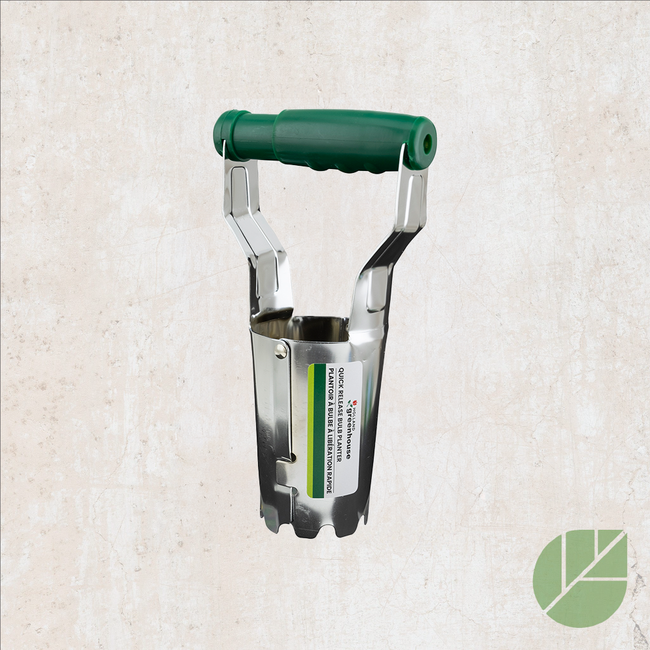

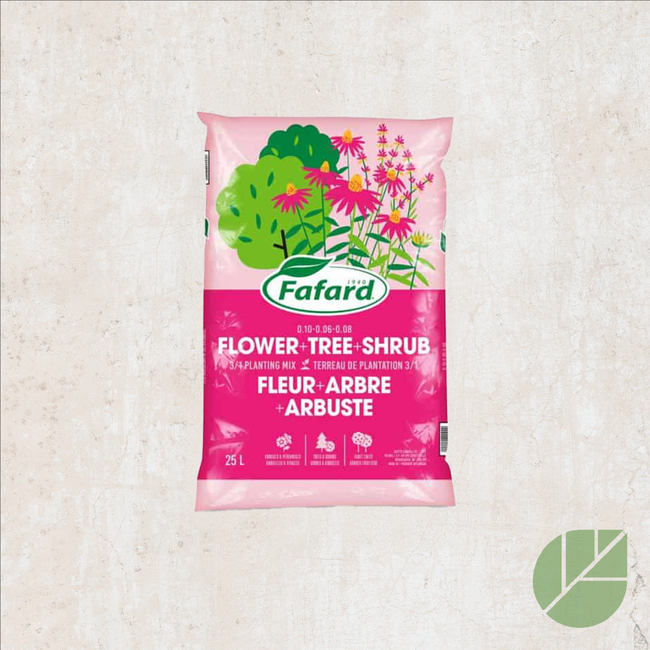
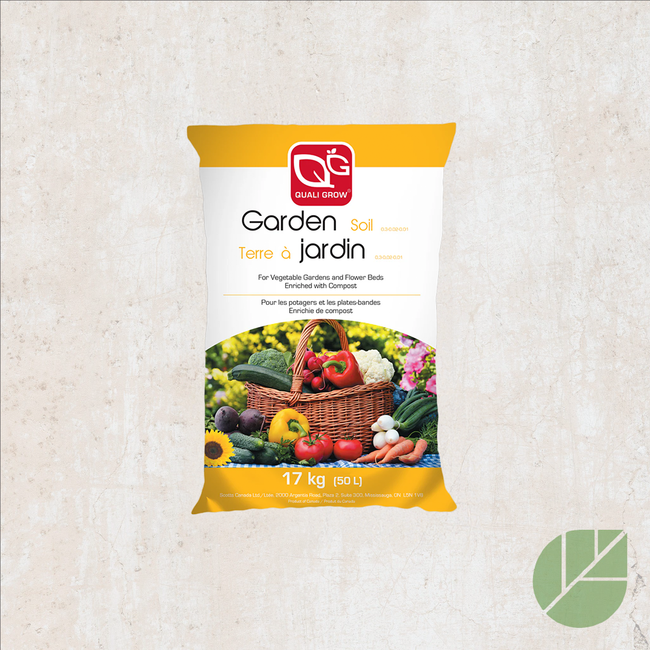
Soils and amendments for bulbs
Shop the collection