Sale
Sold out

Ornamental bulb
Amaryllidaceae
Compact white spring-flowering ornamental onion
‘Graceful Beauty’ ornamental onion (Allium amplectens ‘Graceful Beauty’)
Product code : VAN-146-147-01
Allium Graceful Beauty produces small starry white globes in late spring, highlighted by lavender stamens and purple anthers. The 5 size 5/6 bulbs form a compact group approximately 40 cm (16 in) tall, ideal near the front, in rock gardens, or containers. Hardy in Zones 4 to 10, this white ornamental onion prefers sun, fertile soil, and consistent drainage. Plant at a depth and spacing of 8 cm (3 in). Flowers attract pollinators, are generally deer resistant, and suit small bouquets. Let foliage yellow before cleanup and keep bulbs relatively dry through summer dormancy. This compact plant remains luminous after spring rain.
- Quantity
- 5 bulbs
- Exposure
- Full sun to partial shade
- Life cycle
- Naturalizing bulbous perennial
- Hardiness
- Zones 4 to 10
Discover the plant
Common nameGraceful Beauty ornamental onion
FamilyAmaryllidaceae
GenusAllium
Speciesamplectens
CultivarGraceful Beauty
TypeOrnamental bulb
Botanical nameAllium amplectens
‘Graceful Beauty’ ornamental onion (Allium amplectens ‘Graceful Beauty’) forms a compact clump of narrow green strap-shaped leaves topped by slender yet upright stems reaching 40 cm (16 in). In late spring, each stem carries an airy globe up to approximately 7 cm (3 in) across, composed of six-petalled starry white flowers. Lavender stamens and purple anthers create delicate detail at the centre of every flower. Hardy in Zones 4 to 10, this bulbous perennial naturalizes gradually and extends its interest into early summer. The Van Noort package contains 5 Allium bulbs size 5/6 for a generous display.
Plant all 5 size 5/6 bulbs in fall, four to six weeks before lasting soil freeze, in full sun or light partial shade. Position every bulb point upward at a depth of 8 cm (3 in) and 8 cm (3 in) from the next. Fertile, loose, well-drained soil encourages establishment; add grit to clay and avoid wet depressions. Water after planting, then moderately during growth whenever soil dries. A little compost in spring is sufficient. Let every leaf yellow completely before removal so stored reserves return to the bulbs. Reduce irrigation during summer dormancy and keep the marked location undisturbed.
Cluster the 5 white Allium amplectens bulbs near the front of a border, in a rock garden, white garden, or deep container to create a luminous cloud. Delicate globes pair with catmint, hardy geraniums, lady’s mantle, and low grasses. This white pollinator flower attracts bees, bumblebees, and butterflies, especially when several heads open together. Stems also suit small fresh or dried bouquets. Graceful Beauty is generally deer resistant and requires little care, but every part remains toxic to pets. Keep it beyond their reach and avoid insecticides throughout bloom. Its compact scale makes this Allium for containers especially useful on patios and small properties.

Planting guide
Plant well.Grow beautifully.
Planting depth
8 cm (3 in)
Spacing / density
8 cm (3 in) between bulbs
Best planting time
Fall, four to six weeks before lasting soil freeze
Propagation
Bulbs and offset division in fall
Growing method
Plant all 5 Graceful Beauty bulbs in fall, approximately four to six weeks before lasting soil freeze. Choose full sun or light partial shade in an area where water drains rapidly. Loosen soil to 20 to 25 cm (8 to 10 in), incorporate mature compost, and add grit when it is heavy. Position the size 5/6 bulbs point upward at a depth of 8 cm (3 in) and 8 cm (3 in) apart. An irregular cluster appears more natural than a rigid line. Cover, firm gently, and water deeply once. Mark the area and apply only a thin mulch after the ground cools. In spring, remove compacted debris, supply a small amount of compost, and water as the surface dries while stems extend. Avoid excess nitrogen that softens growth. Let white flowers open completely for pollinators or cut several stems near the beginning of opening. After bloom, never tie or remove green foliage. Wait for complete yellowing, then clean at soil level. Reduce irrigation through summer dormancy. Divide offsets in fall only when the group becomes crowded and replant them immediately. Protect small emerging shoots from accidental cultivation in spring.
Soil and care
The right care,at the right time.
Soil pH
Acid to alkaline
Care level
Easy
Drought tolerance
Yes
Watering
Water deeply once after fall planting, then allow seasonal rain to take over. In spring, keep soil lightly moist during active growth while letting the surface dry between applications. Small bulbs must never sit in water. As leaves yellow after flowering, reduce irrigation gradually and maintain a relatively dry summer dormancy to prevent rot and preserve the developing offsets. Consistent drainage remains essential.
Soil type
Fertile, loose, well-drained soil suits Graceful Beauty. Sandy loam enriched with mature compost retains light moisture without trapping water. In clay, improve the entire area with grit and stable organic matter or create a mound. Avoid depressions, compacted soil, and continual irrigation during dormancy. Drainage quality matters more than a precise pH range for reliable perennial performance. Raised beds provide another reliable solution in wet climates.
Fertilization
In early spring, place a thin layer of mature compost around emerging shoots without covering them. In poor soil, a low dose of balanced fertilizer or bulb food can support renewed growth. Avoid nitrogen-rich formulas that promote soft leaves and reduce stem strength. Stop every application as foliage begins yellowing because drainage then becomes more important than additional nutrition. Excess feeding reduces balance.
Moisture
Lightly moist soil during growth, always well drained, and drier through dormancy
Seasonal care
In spring, locate the Graceful Beauty group and gently remove dead leaves or compacted mulch that holds water. Check drainage after snowmelt, add a thin compost layer, and water only as the soil surface begins drying. Weed by hand to avoid pulling closely spaced small shoots. As stems extend, let light reach the group and avoid nitrogen-rich fertilizer. In late spring, observe starry white flowers and their lavender stamens. Cut several stems early in the morning for a bouquet or leave most for bees and butterflies. Use no insecticide during this period. After bloom, retain the small round heads when their structure suits the planting. Never tie or cut green leaves because they replenish the bulbs. In summer, wait for complete drying, then clean at soil level. Reduce irrigation sharply through dormancy and mark the location. In fall, correct depressions, add bulbs at 8 cm (3 in), and divide offsets only when the group becomes overcrowded. Replant immediately to prevent drying. In winter, provide the required cold while preventing water from collecting beneath ice. For containers, insulate the walls in severe regions and avoid rapid freeze-thaw cycles. A durable label protects the group whenever foliage is absent. Remove brittle heads only after they cease contributing to the composition. Check container holes after every heavy rain, shelter stems from repeated physical contact, and retain healthy dried heads until they become brittle.
Container growing
A garden,within reach.
Recommended pot size
At least 25 to 30 cm (10 to 12 in) deep and wide for all 5 bulbs
A container 25 to 30 cm (10 to 12 in) deep and wide can accommodate all 5 Graceful Beauty bulbs. Choose a frost-resistant pot fitted with several holes and raised on feet; no saucer should retain water. Fill it with a light mixture of potting soil, mature compost, and a mineral drainage component. In fall, arrange the size 5/6 bulbs point upward at a depth and spacing of 8 cm (3 in), then water deeply once. Place the pot in sun or bright partial shade. It must remain outdoors to receive cold. In severe regions, temporarily sink it, insulate the walls, or position it against a sheltered wall; never bring it into a heated room. In spring, inspect holes, water as the surface dries, and fertilize very lightly. Rotate the container to balance stems and keep it away from traffic. After flowering, let leaves yellow, then reduce water sharply through dormancy. Renew part of the mix every two or three years and separate offsets after complete dieback. Keep pets away and mark the bulbs whenever no foliage is visible. Protect the pot from prolonged summer rain. A permanent label prevents accidental disturbance throughout dormancy.

Bloom and dimensions
Its place,in your garden.
Mature height
40 cm (16 in)
Width / spread
Approximately 10 to 20 cm (4 to 8 in)
Flower color
White with lavender stamens and purple anthers
Foliage color
Green
Foliage type
Deciduous, narrow, and strap-shaped
Growth rate
Moderate
Growth habit
Compact clump of basal leaves with slender upright stems
Fragrance
Light onion scent, strongest when tissues are bruised
Bloom period
From late spring into early summer, 40 cm (16 in) stems carry airy globes approximately 7 cm (3 in) across. Every small six-petalled flower is pure white with lavender stamens and purple anthers. Gradual opening extends both display and foraging. Heads remain delicate after drying and may be retained in the garden or cut for arrangements. Several grouped heads create a luminous cloud.

Garden associations
In goodcompany.
Companion plants
Pair Graceful Beauty with catmint, hardy geraniums, lady’s mantle, creeping thyme, and small grasses. Their low foliage gradually conceals yellowing Allium leaves without hiding the white globes. Miniature daffodils and botanical tulips extend the spring sequence. Pale blue, silver, soft pink, and chartreuse emphasize lavender stamens. Avoid thirsty plants, however, because they keep the soil wet through summer dormancy and increase the risk of bulb rot. Allow air to circulate between groups as well, reducing disease pressure and keeping every delicate white globe clearly visible.
Frequently asked questions
Your questions,answered.
When and how should Graceful Beauty be planted?
Plant all 5 bulbs in fall, approximately four to six weeks before lasting soil freeze. Choose sun or light partial shade in loose, well-drained soil. Position every size 5/6 bulb point upward at a depth of 8 cm (3 in) and 8 cm (3 in) from the next. An irregular cluster creates a more natural effect than a line. Cover, firm gently, and water deeply once. In clay, improve the whole area with mature compost and grit or plant on a slight mound. Mark the location. In spring, maintain light moisture during active growth, then reduce irrigation as foliage yellows and dormancy begins. Avoid continually wet ground because the small bulbs can rot.
What do Graceful Beauty flowers look like?
Every slender 40 cm (16 in) stem carries an airy globe up to approximately 7 cm (3 in) across. It is composed of numerous pure-white star-shaped flowers, each with six petals. Lavender stamens and purple anthers create a subtle central contrast that becomes especially visible at close range. Unlike large dense Alliums, this head appears light and delicate. Plant all 5 bulbs together so several spheres form a cloud. A dark green, silver, or pale blue background makes the detail more legible. After petals fall, fine flower stalks preserve a small round structure that remains interesting in the garden or in a dried bouquet.
Does Graceful Beauty return every year?
Yes. This naturalizing perennial bulb is suited to Zones 4 to 10 when grown in well-drained soil. To ensure its return, let every leaf yellow and dry completely after bloom because foliage rebuilds stored reserves. Then reduce irrigation during summer dormancy and avoid locations where water accumulates. Over time, offsets may broaden the group. Divide them in fall only when crowded, then replant immediately at 8 cm (3 in). Disappearance is often linked to rot, prematurely removed foliage, or damage during dormancy. A durable label prevents accidental digging and helps track the group’s gradual expansion from one season to the next.
Is Graceful Beauty suitable for bouquets?
Yes. For a fresh bouquet, cut stems early in the morning as the first florets open, use a clean tool, and place them immediately in water. The 40 cm (16 in) stems and small white globes suit modest vases, wedding compositions, and light arrangements. Pair them with few elements so lavender stamens remain visible. For drying, wait until heads are mature but still firm, then hang them upside down in a dark, dry, ventilated place. Petals fall, but the round framework persists. Handle gently because dry flower stalks break easily. Always keep fresh and dried flowers beyond the reach of pets because Allium tissues remain unsafe when chewed.
How should the 5 bulbs be grown in a container?
Choose a frost-resistant pot at least 25 to 30 cm (10 to 12 in) deep and wide with several holes. Fill it with light potting mix enriched with compost and grit. In fall, position all 5 bulbs point upward at a depth and spacing of 8 cm (3 in), then water once. Leave the container outdoors in sun or light partial shade to provide the required cold period. In severe regions, temporarily sink it, insulate its walls, or place it beside a sheltered wall. Never bring it into warmth. In spring, inspect drainage and water as the surface dries. After bloom, let leaves yellow, then reduce irrigation sharply during dormancy. Keep the pot away from pets and prolonged summer rain.
Wildlife and pets
Life,around your plants.
Reported toxicity
Yes
Supporting wildlife
Small starry white flowers provide pollen and nectar to bees, bumblebees, butterflies, and other insects from late spring into early summer. A group of 5 bulbs creates a more visible feeding station than an isolated plant. Birds and hummingbirds are not principal visitors. Avoid every insecticide while flowers are opening.
For planting your bulbs
The right extras.Right here.
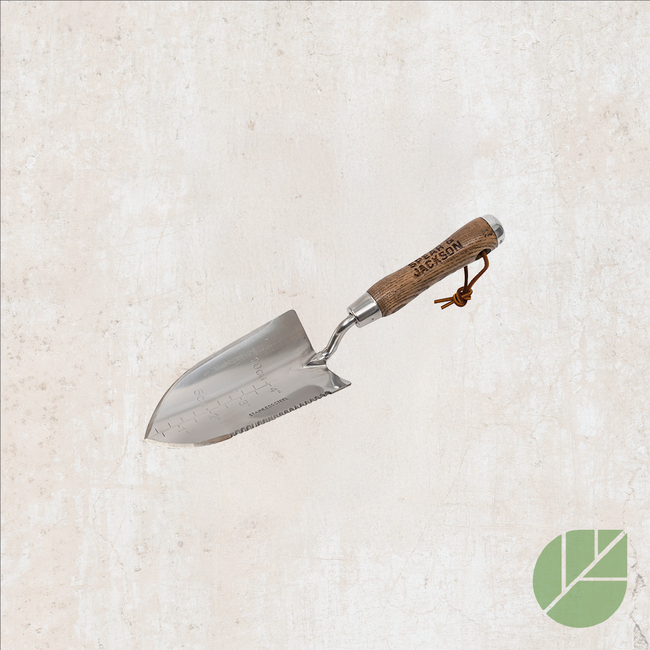
Bulb planters and planting tools
Shop the collection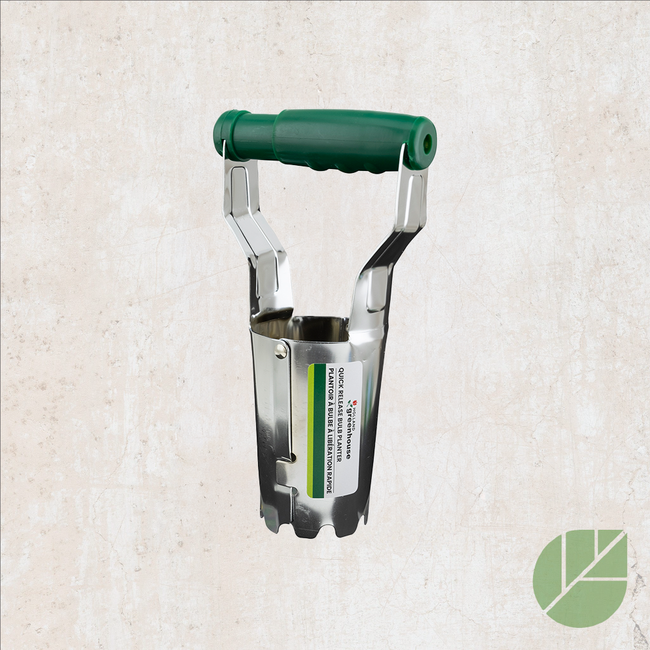
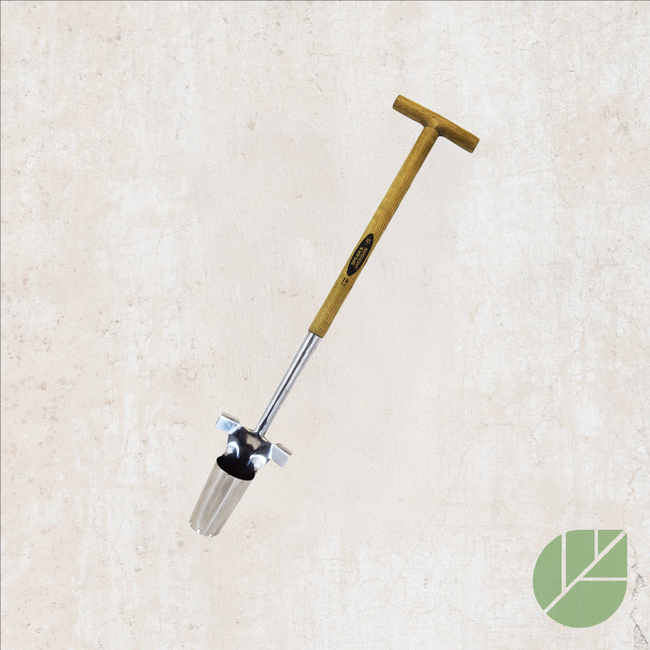
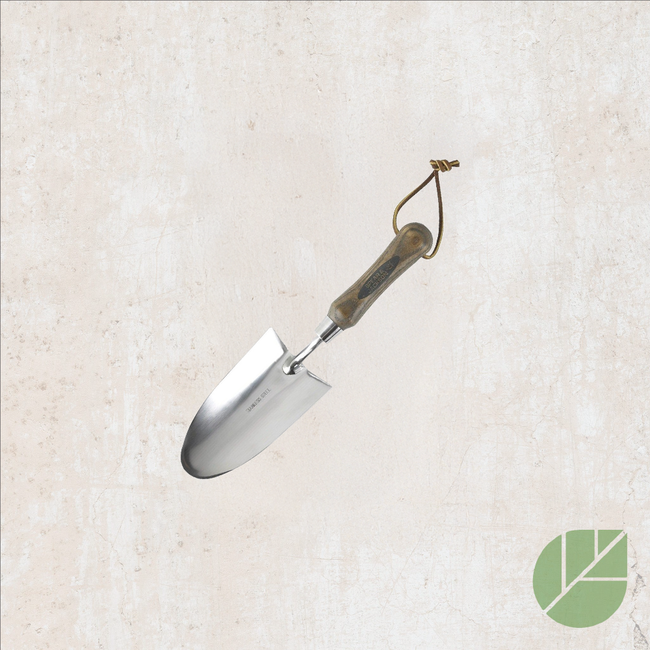
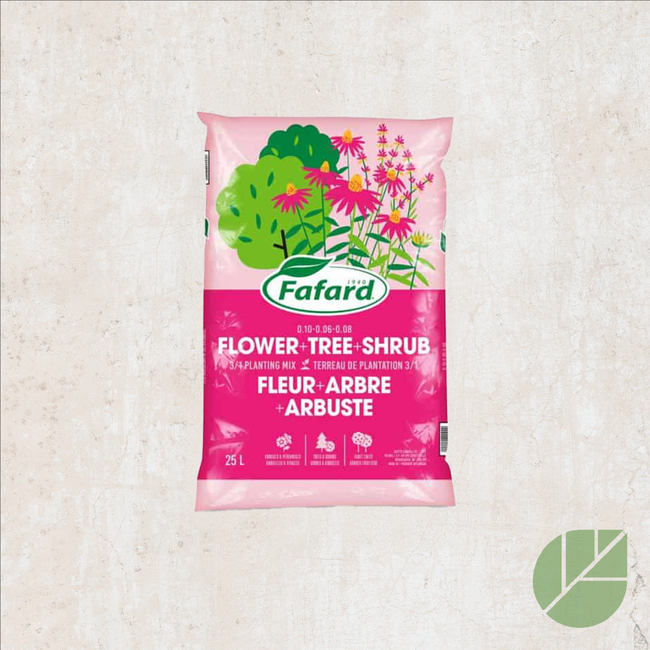
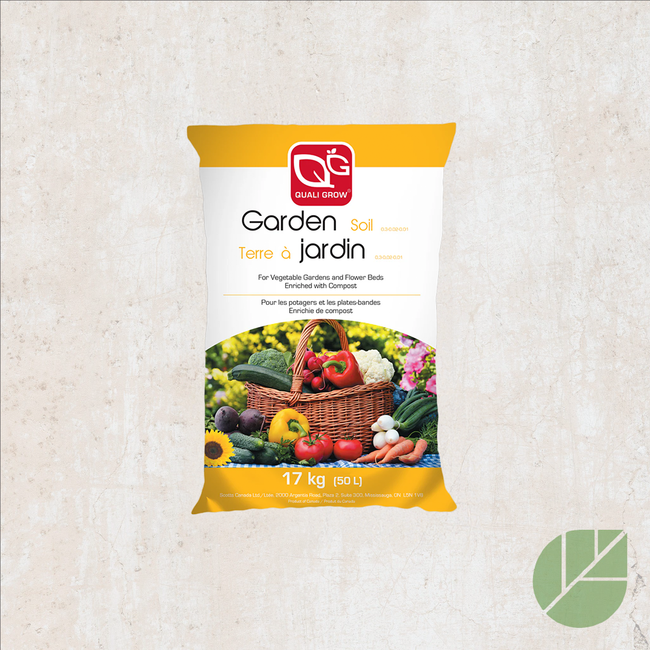
Soils and amendments for bulbs
Shop the collection