Sale
Sold out

Hardy ornamental bulb for autumn planting
Liliaceae
Imperialis Rubra Fritillaria
Crown imperial
Product code : VAN-146-420-01
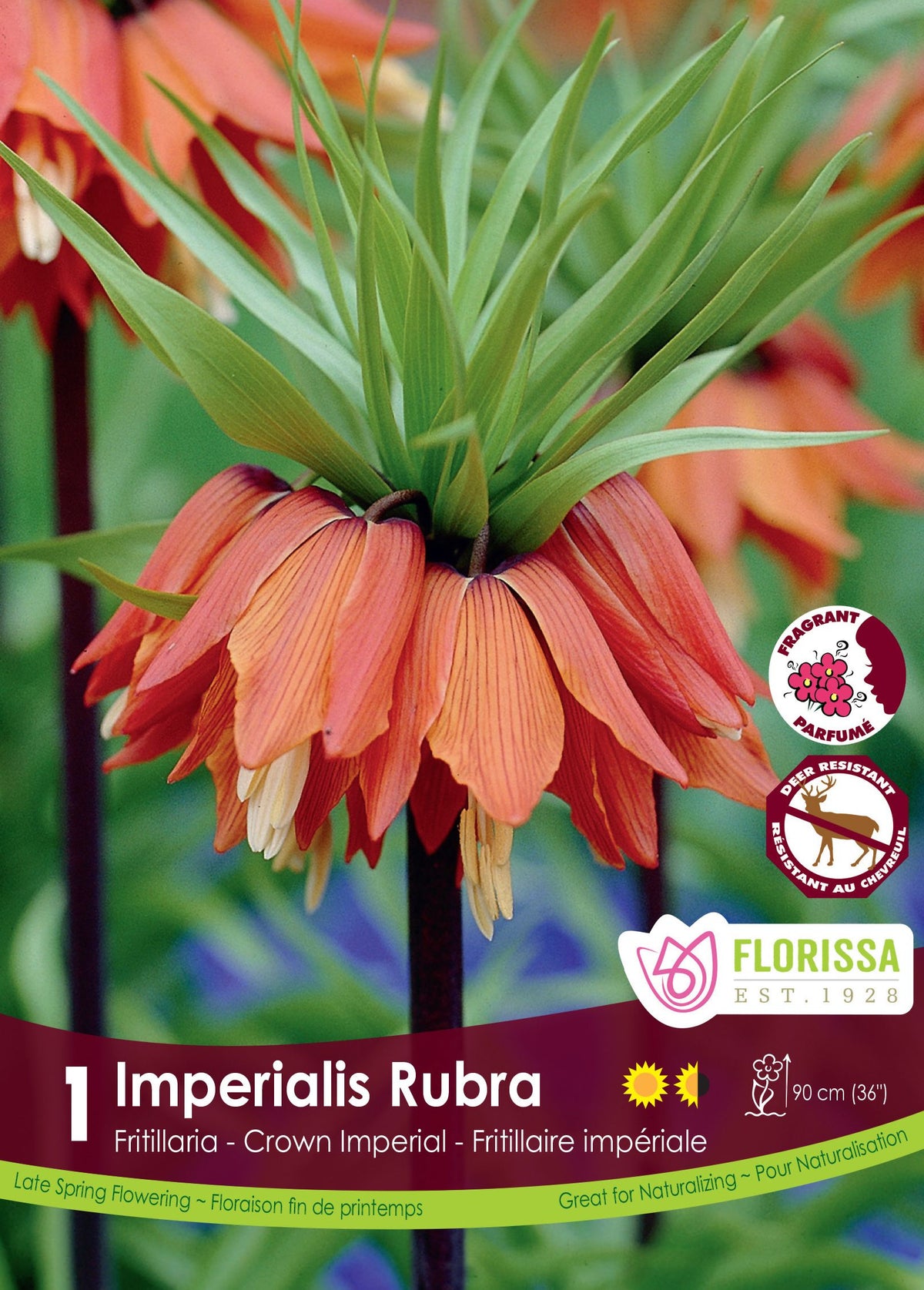
Fritillaria Rubra rises in mid-spring on a stem 90 to 100 cm (35 to 39 in.) tall, crowned with glistening vermilion-red bells. Its bright green foliage and columnar habit structure beds before summer perennials emerge. The Van Noort bulb should be planted in the fall in full sun in fertile, fresh, and very well-drained soil. Hardy to zone 5, it can naturalize when left undisturbed. Use it with white daffodils, purple tulips, and blue grape hyacinths for a contrasting display suitable for Quebec gardens. Drainage remains a priority throughout dormancy. The foliage should yellow naturally before any cutting. Long-term establishment reduces bulb handling. Spring growth benefits from a
- Quantity
- 1 bulb
- Exposure
- Sun to partial shade
- Life cycle
- Naturalizing bulbous perennial
- Hardiness
- Zone 5; RHS H4
Discover the plant
Common nameFritillaria 'Rubra'
FamilyLiliaceae
GenusFritillaria
Speciesimperial
TypeHardy ornamental bulb for autumn planting
Botanical nameCrown imperial
Reproducible seedsYes
?? Fritillaria imperialis 'Rubra' (1 bulb) – Crown of fire under the April sky ? Submitted by Van Noort
Fritillaria imperialis 'Rubra' reigns supreme in spring like a flamboyant queen , raising its vermillion-red bells in a perfect circle beneath a plume of green foliage. Its thick, upright stem wears this imperial crown with pride, imposing its presence in flowerbeds with a single glance.
Its early flowering warms the still-cool soil, bringing height, strength and drama to spring scenes. It thrives in full sun, in well-drained soil, and establishes itself permanently if it is respected. This historic variety is a symbol of plant grandeur , capable of transforming a simple corner into a striking tableau. A plant of character , as powerful as it is elegant ...
?? Product Features
?? Average height : 90 to 120 cm
?? Exposure : Full sun
?? Hardiness : Zone 5 and above
?? Attracts wildlife : Few, but intrigues insects
?? Water requirements : Moderate
?? Ideal soil : Deep, fertile, well-drained
?? Quantity : 1 bulb
?? Planting and growing Fritillaria imperialis 'Rubra'
?? When to plant? From September to November, for flowering in April
?? In open ground : Ideal at the back of a flowerbed, structured garden or royal composition for maximum visual impact
?? In a pot : Possible in a very large pot, to be displayed alone or accompanied by low foliage for a graphic and imposing scene
?? How to plant?
1?? Depth : 20 to 25 cm
2?? Spacing : 30 cm
3?? Watering : Light after planting, moderate after planting
?? Care of Fritillaria imperialis 'Rubra'
?? Watering : Moderate in spring, dry in summer (bulb rest)
?? Fertilizer : Add at the time of recovery, rich in potash
?? Pruning : Cut off the faded stems, let the foliage dry
?? Wintering : No care required, excellent hardiness
?? Why choose Fritillaria imperialis 'Rubra'?
? Spectacular, fiery red flowering with an architectural appearance
? Imperial plant , to create majestic focal points
? Very rustic and reliable if well installed
? Brings height, intensity and visual nobility to the garden
? Bring spring flames , regal presence and dramatic elegance to the garden with Fritillaria imperialis 'Rubra' , offered by Van Noort — a proud and unforgettable variety. ?
?? To be married with...
Orange tulips , acid green euphorbias or white daffodils , for an incandescent and vibrant scene, worthy of the most beautiful royal gardens. ??

Planting guide
Plant well.Grow beautifully.
Planting depth
8 to 10 in (20 to 25 cm); tilt the bulb slightly
Best planting time
September to November before the ground freezes
Propagation
Division of bulbils in late summer
Growing method
In the fall, prepare a sunny or lightly shaded spot where rainwater drains quickly. Loosen fertile soil to a good depth and mix in mature compost and a little horticultural gravel if the soil texture is heavy. Wear gloves, place the bulb 20 to 25 cm (8 to 10 in) below the surface, and leave 30 cm (12 in) around it. Water once if the soil is dry, then mark the spot. In spring, remove debris that hinders growth, maintain consistent moisture during stem elongation, and apply a moderate dose of bulb fertilizer. Monitor for slugs and lily beetles as soon as they emerge. After flowering, remove seed pods only if seedlings are not desired, and allow all leaves to yellow. Divide only in late summer, when the clump is dormant. Drainage remains a priority throughout dormancy. Foliage must yellow naturally before any cutting. Lasting establishment reduces bulb handling. Spring growth benefits from consistently moist soil. Drainage remains a priority throughout dormancy. Foliage must yellow naturally before any cutting. Lasting establishment reduces bulb handling. Spring growth benefits from consistently moist soil. Drainage remains a priority throughout dormancy. Foliage must yellow naturally before any cutting. Lasting establishment reduces handling.
Soil and care
The right care,at the right time.
Soil pH
Acid, neutral or alkaline if drainage is excellent
Minimum temperature
RHS H4; do not convert directly to zone
Care level
Easy
Watering
Water after planting only when the soil is dry. In spring, maintain consistent moisture during emergence, elongation, and flowering, without ever saturating the root zone. Gradually reduce watering when the foliage yellows. During summer dormancy and winter, natural rainfall is usually sufficient; above all, avoid stagnant water around the bulb. Drainage remains a priority throughout dormancy. The foliage must yellow naturally before any cutting. Sustainable establishment reduces handling of the
Soil type
A fertile, humus-rich, fresh during growth, and very well-drained soil is best. Loam, enriched sand, and calcareous soils can be suitable. Improve heavy textures with mature organic matter and gravel without creating a wet basin. Avoid saturated clays, depressions where snowmelt accumulates, and thick mulches that keep the bulb soggy. Drainage remains a priority throughout dormancy. Foliage should yellow naturally.
Fertilization
Incorporate mature compost into the surface during autumn preparation, but do not place it directly against the bulb. At the start of growth, distribute a moderate dose of balanced slow-release fertilizer or bulb fertilizer. Avoid high-nitrogen fertilizers, which promote tender stems. Stop fertilizing after flowering and allow the foliage to replenish reserves. Drainage remains a priority throughout dormancy. The foliage should yellow naturally before any cutting.
Seasonal care
In the fall, plant the bulb 20-25 cm (8-10 in) deep, mark its position, and address any drainage issues before the cold rains. Apply a light mulch only after the ground cools, ensuring it doesn't form a damp, compact layer. In late winter, gently clear away debris so the shoot can emerge unharmed. In spring, water during dry spells, fertilize moderately at the start of growth, and regularly inspect leaves for slugs, snails, or lily beetles. Stake only if the site is very windy. After flowering, remove spent blooms if you don't want seed pods, but keep the leaves. In early summer, wait until they have fully yellowed before cutting. During dormancy, do not dig near the bulb. In late summer, divide bulbils only if the clump is dense, and replant them immediately. In winter, the most important protection remains soil that does not retain snowmelt. Drainage remains a priority throughout dormancy. Foliage must yellow naturally before any cutting. A durable establishment reduces bulb handling. Spring growth benefits from consistently cool soil. Drainage remains a priority throughout dormancy. Foliage must yellow naturally before any cutting. A durable establishment reduces bulb handling. Spring growth benefits from consistently cool soil. Drainage remains a priority throughout dormancy. Foliage must yellow naturally before any cutting. A durable establishment reduces bulb handling. Spring growth benefits from consistently cool soil.
Container growing
A garden,within reach.
Recommended pot size
Stable pot 35 to 40 cm (14 to 16 in) for one bulb
Container gardening requires foresight regarding the necessary volume for roots and the plant's final height. Choose a stable pot with drainage holes and a substrate suitable for planting. Leave enough space to respect the recommended depth and spacing, rather than crowding plants to immediately fill the pot. Place the container in the indicated exposure and regularly check the moisture level, especially in hot or windy weather. A pot is more exposed to temperature variations than a plant in the ground. Therefore, plan for a wintering location compatible with the plant's needs and your region's climate from the outset. Plant 'Rubra' from September to November in a sunny or slightly shaded, warm location protected from strong winds. Choose deep, fertile, loose, and perfectly drained soil. Place the bulb 20 to 25 cm (8 to 10 in) deep and space plants about 30 cm (12 in) apart. As the top of the bulb forms a cavity, position it slightly tilted so that water does not accumulate there. Water after planting to settle the soil, then maintain moderate humidity during spring growth without saturating the soil. For container planting, choose a very large, perforated, frost-resistant container. In winter, protect the container according to the plant's needs: its roots are more exposed to cold than when planted in the ground.

Bloom and dimensions
Its place,in your garden.
Mature height
90 to 100 cm (35 to 39 in.)
Width / spread
Up to about 10 cm (4 in) according to RHS
Flower color
Orange-red to vermillion
Foliage color
Glossy green
Foliage type
Deciduous, strap-shaped, and glistening
Growth rate
Moderate
Bloom period
In mid-spring, a tall, straight stem bears a crown of brilliant orange-red to vermilion bells. The hanging flowers open gradually from bottom to top, extending the visual interest of the stalk. A tuft of green bracts crowns the whole, reinforcing its imperial silhouette. The shiny green, ribbon-like foliage accentuates this spectacular architecture without obscuring the bells, in the garden.
Garden associations
In goodcompany.
Companion plants
Pair Rubra with white daffodils, purple tulips, blue muscari, squills, silver brunnera, pulmonaria, and small euphorbia. Their low-growing blooms or foliage will enhance the red crown without hiding the stem. Leave an open area around the bulb and favor neighbors with moderate root systems. Avoid invasive groundcovers that retain moisture or make division difficult. Drainage remains a priority throughout dormancy. Foliage should yellow naturally before any cutting. A long-term planting reduces bulb handling. Spring growth benefits from consistently moist soil. Drainage remains a priority throughout
Plants to avoid
Avoid invasive ground cover, soggy soil, and highly competitive roots.
Frequently asked questions
Your questions,answered.
When to plant fritillaria Rubra?
Plant Rubra in the fall, from September to November, before the ground freezes. Immediately choose a permanent location in full sun or light partial shade, as an established fritillary prefers to remain undisturbed. Dig 20 to 25 cm (8 to 10 in) deep in fertile, very well-drained soil, then keep 30 cm (12 in) between bulbs. Wear gloves and handle the bulb carefully. Water only if the soil is dry at planting time. Then mark the position to avoid damaging it during dormancy. In cold Quebec regions, a light mulch applied after the soil cools limits variations without trapping too much water. Drainage remains a priority throughout dormancy. The foliage should yellow naturally before
Why do the bellflowers open from bottom to top?
The gradual opening from bottom to top is a characteristic described by the RHS for Rubra. The first bells ripen at the base of the crown, then the next ones take over, giving a visible evolution to the inflorescence. This sequence does not indicate a lack of water or disease. Instead, observe the firmness of the stem, the green color of the foliage, and the absence of lesions to assess overall health. Avoid handling or straightening drooping flowers, as their pedicels can break. Place the bulb near a pathway or slightly above eye level to admire the dark red-orange interior without touching the bells. Drainage remains a priority throughout dormancy. The foliage must yellow naturally before any cutting. A
How do you protect the bulb from rot?
Prevention begins with site selection. Avoid hollows, compact clays, and areas where snowmelt lingers for several days. Loosen the soil and incorporate mature compost and horticultural gravel if the texture is heavy. Plant 20 to 25 cm (8 to 10 in) deep without creating a watering basin. Use a thin mulch that doesn't stay soggy directly over the bulb. During growth, water enough to keep the soil moist, but always allow excess water to drain. Reduce watering after the foliage turns yellow. In pots, empty the saucer and regularly check that the drainage holes are not blocked. Drainage remains a priority throughout dormancy. The foliage must yellow naturally before any cutting. Sustainable establishment
Can Rubra grow in a container?
Yes, but choose a heavy container 35 to 40 cm (14 to 16 in) in diameter and depth to stabilize the 90 to 100 cm (35 to 39 in) stem. Large drainage holes are essential. Use a mixture of loam, compost and gravel, then plant a single bulb 20 to 25 cm (8 to 10 in) deep. Place the pot in sun or light partial shade and turn it occasionally for straight growth. Water when the surface begins to dry and always empty the saucer. After flowering, keep the leaves until they yellow. For winter, allow dormancy to proceed in the cold while insulating the walls against extreme freeze-thaw cycles. Drainage remains a priority throughout dormancy. The foliage must yellow.
Is Fritillaria Rubra edible?
No. The RHS specifies that ornamental fritillary bulbs should not be eaten and recommends wearing gloves when handling them. Keep bulbs out of reach of children and animals before planting, then wash hands and tools after working. Do not use any part in a recipe, herbal tea, or medicinal preparation. Clearly label the planting if it is next to a vegetable garden. If a person or animal ingests any part, quickly contact a poison control center, a doctor, or a veterinarian and provide the exact name of the product. Normal observation in the garden does not require excessive caution. Drainage remains a priority throughout dormancy. The foliage must yellow naturally before
Wildlife and pets
Life,around your plants.
Supporting wildlife
Van Noort describes Rubra as pollinator-friendly and deer-resistant. Its spring bells can host various insects when temperatures allow them to be active. However, supplement the planting with simple flowers that precede and follow its bloom to provide a continuous supply of pollen and nectar. Drainage remains a priority throughout
For planting your bulbs
The right extras.Right here.
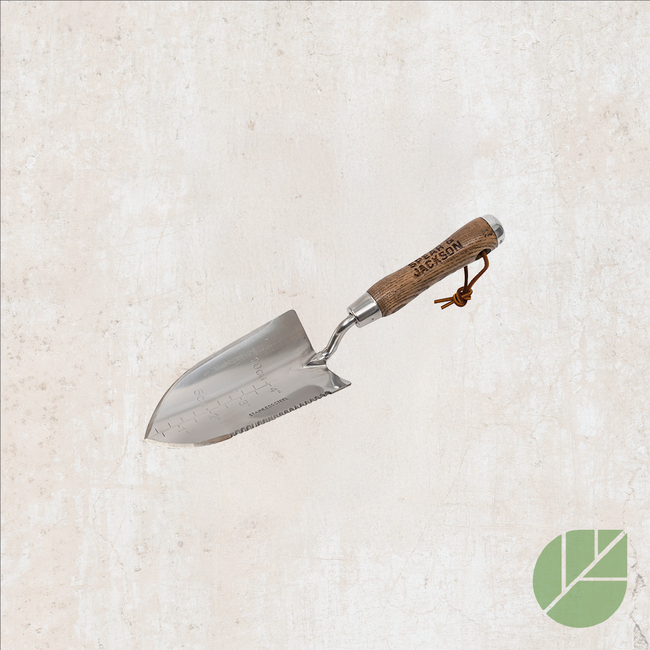
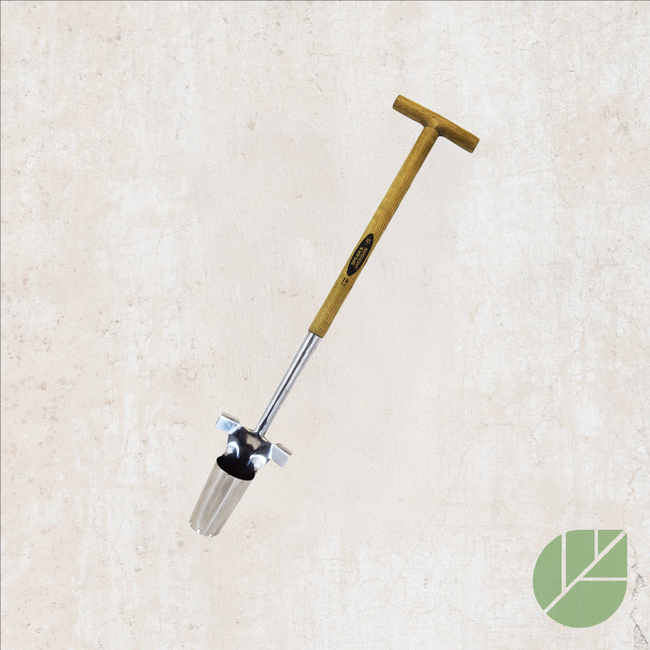
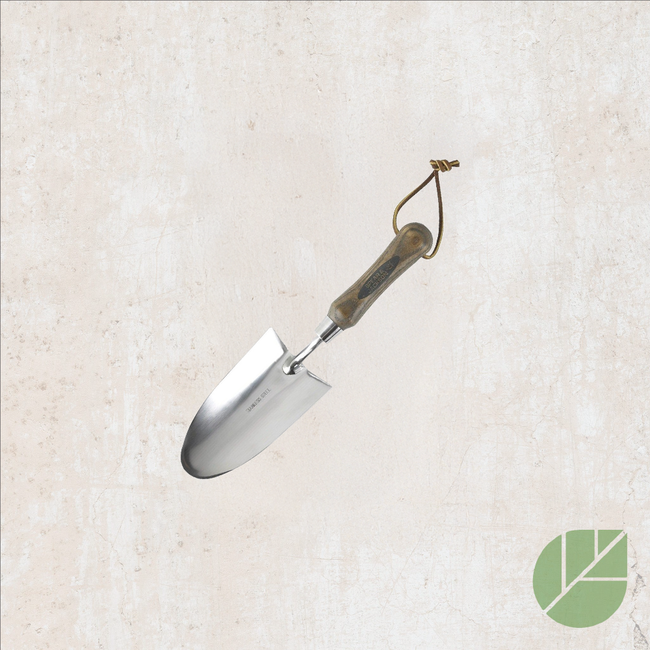
Bulb planters and planting tools
Shop the collection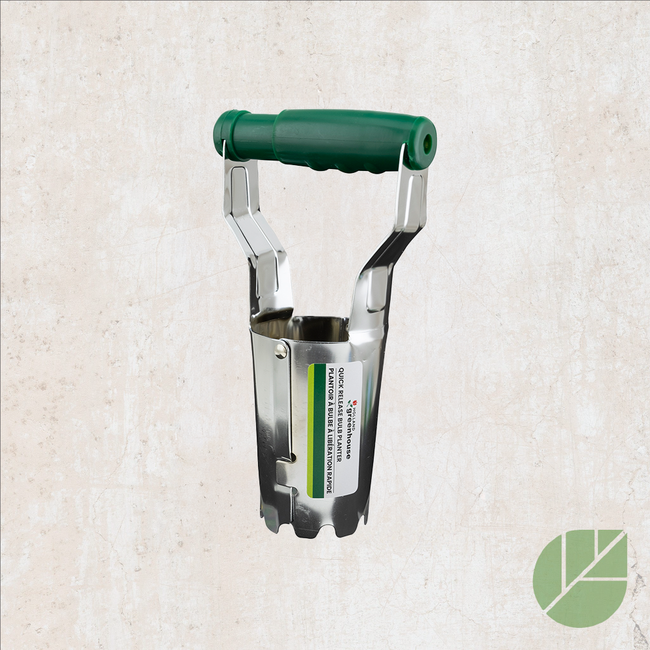
Soils and amendments for bulbs
Shop the collection