Sale
Sold out

Bulb
Asparagaceae
Spring-flowering perennial bulb
White camassia (Camassia leichtlinii ‘Alba’)
Camassia leichtlinii ‘Alba’ is a bulbous perennial with white starry racemes rising above blue-green ribbonlike foliage. Blooming from May through June, it reaches 60 to 90 cm and adds bright vertical structure to borders, flowering meadows, and naturalistic gardens. Hardy to Zone 4, it prefers full sun or partial shade, rich soil that stays moist in spring, and impeccable drainage. The Van Noort package contains three bulbs for fall planting. Once established, the clump needs limited intervention: measured watering, a light compost application, and foliage left in place until it yellows completely. Bloom occurs from May through June and supplies nectar for bees and other beneficial insects.
- Quantity
- 3 bulbs
- Exposure
- Full sun to partial shade
- Life cycle
- Perennial
- Hardiness
- Zone 4
Discover the plant
Common nameWhite camassia
FamilyAsparagaceae
GenusCamassia
Speciesleichtlinii
CultivarAlba
TypeBulb
Botanical nameCamassia leichtlinii
White camassia (Camassia leichtlinii ‘Alba’) forms a refined upright clump whose stems carry white stars in late spring. Blue-green ribbonlike foliage emerges first and frames the bright racemes without weighing down their silhouette. At maturity, flower stems generally reach 60 to 90 cm, while each bulb occupies approximately 10 to 15 cm. Bloom from May through June creates a clear, lasting accent in spring plantings. Hardy to Zone 4, this perennial then enters dormancy and returns reliably when its position remains well drained. This hardy bulbous perennial remains in the ground year-round when planted in a well-drained position.
Plant the three bulbs in fall before the ground freezes, setting them 12 to 15 cm deep and 10 to 15 cm apart. Choose full sun or partial shade in rich, loose soil that stays moist in spring, is neutral to slightly alkaline, and drains perfectly. Position the point upward, backfill without compacting, and water to settle soil around the roots. In spring, irrigate only when rainfall does not maintain steady moisture. A little mature compost is sufficient; avoid strongly nitrogen-rich fertilizer. Allow every leaf to yellow completely before removing it.
Plant ‘Alba’ in groups through a border, flowering meadow, naturalistic garden, or beneath deciduous trees that admit spring light. Its white flowers combine well with daffodils, species tulips, alliums, forget-me-nots, emerging ferns, and fine grasses. The stems add vertical rhythm without hiding lower plants, and a few may be cut for arrangements. Nectar-rich flowers support pollinators while many perennials are only beginning growth. In containers, provide flawless drainage and protect pot walls from winter temperature swings. Leave bulbs undisturbed to encourage gradual naturalizing and increasingly generous displays. After flowering, foliage should yellow naturally so the bulb can rebuild reserves for the following year.

Planting guide
Plant well.Grow beautifully.
Planting depth
12 to 15 cm (5 to 6 in)
Spacing / density
10 to 15 cm (4 to 6 in) between bulbs
Best planting time
September to October, before the ground freezes
Propagation
Bulb division after foliage yellows
Growing method
Prepare the planting area in fall, ideally from September through October before the ground freezes. Choose full sun or partial shade where meltwater does not collect. Loosen soil to roughly 25 cm, remove competing roots, and incorporate mature compost when fertility is low. In heavy soil, improve the whole bed structure instead of adding only sand to each hole. Position the three bulbs with points upward, 12 to 15 cm deep and 10 to 15 cm apart. Backfill gently, mark the location, and water once to settle soil naturally. In spring, maintain even moisture while leaves and stems elongate. Avoid shallow daily irrigation; a deeper, spaced application promotes stronger rooting. After flowering, remove faded racemes when seedlings are unwanted, but preserve every leaf until it yellows. Do not lift bulbs during summer dormancy. Divide only a crowded or less floriferous clump after foliage disappears, then promptly replant healthy bulbs at the recommended depth. This hardy bulbous perennial remains in the ground year-round when planted in a well-drained position. Upright stems carry white star-shaped flowers above neat ribbons of blue-green foliage. Bloom occurs from May through June and supplies nectar for bees and other beneficial insects.
Soil and care
The right care,at the right time.
Soil pH
Neutral to slightly alkaline
Minimum temperature
-34°C (-30°F)
Care level
Easy
Watering
Water after fall planting, then allow precipitation to take over until spring. During emergence and bloom, keep soil evenly moist whenever rainfall is insufficient without saturating it. One deep weekly irrigation is better than repeated light applications. Gradually reduce water as foliage yellows and stop routine irrigation through summer dormancy, except during extreme drought affecting neighbouring plants. Full sun or partial shade supports sturdy growth and balanced flowering through the spring season.
Soil type
Choose rich, loose, humus-filled soil that holds steady moisture during spring growth and then drains quickly after rain. Loam or sandy loam performs well. Compacted clay and low areas where water stands increase the risk of bulb rot. Amend the whole planting zone with mature compost to improve structure, fertility, and biological activity together rather than creating an isolated pocket.
Fertilization
In early spring, spread a thin layer of mature compost around the clump without deeply covering emerging shoots. In poor soil, a balanced bulb fertilizer may be applied at low label rates. Avoid excess nitrogen, which promotes abundant foliage at the expense of flowers. Stop feeding when foliage begins to yellow because the bulb is then entering dormancy. A light mulch steadies moisture, but it must never form a saturated layer over the crown.
Moisture
Moist soil in spring, drier during summer dormancy
Seasonal care
In spring, remove only compacted mulch that could hold excessive water above emerging shoots. Check drainage after snowmelt, apply a thin layer of compost, and water when several dry days coincide with stem extension. Add discreet support only in a very windy site; stems normally stand without help. During bloom from May through June, cut a few stems for arrangements early in the morning or leave them for pollinators. Remove faded racemes when directing reserves into the bulbs is preferred. In summer, wait until foliage yellows completely before cutting it at the base. Mark the location afterward so dormant bulbs are not disturbed by digging. Do not irrigate a resting area automatically, yet do not allow neighbouring plants to suffer extreme drought. In fall, enlarge or divide groups after dormancy, replant sound bulbs 12 to 15 cm deep, and water once. Through winter, leave bulbs in the ground; Zone 4 hardiness suits Quebec conditions. Maintain only a light, airy mulch in exposed sites and ensure that freeze-thaw cycles never create standing water. After flowering, foliage should yellow naturally so the bulb can rebuild reserves for the following year. The plant suits borders, flowering meadows, naturalistic gardens, and bright woodland-edge compositions. Groups spaced 10 to 15 cm apart create a more natural effect than a rigid single row. In Quebec, fall planting at a depth of 12 to 15 cm encourages rooting before winter.
Container growing
A garden,within reach.
Recommended pot size
Frost-resistant container at least 35 cm (14 in) deep
Choose a frost-resistant container at least 35 cm deep and wide enough to space the three bulbs 10 to 15 cm apart. Several open drainage holes are essential; raise the pot slightly so water can escape after rain and thawing. Use structured container mix enriched with compost and loosened with a drainage material. Plant bulbs about 12 cm deep with points upward, then water to moisten the mix evenly. Position the container in full sun or partial shade. In spring, check moisture more often than in the ground because limited volume dries quickly, but always empty the saucer. Feed lightly as growth begins without repeating nitrogen-rich applications. After bloom, allow leaves to yellow and reduce irrigation. The pot may remain outdoors in a protected position when its material tolerates frost and drainage stays perfect. Group it against a sheltered wall and insulate the sides with dry leaves or another breathable material; do not move bulbs into a heated room. Repot or divide after several years when bulbs fill the container and flowering declines. Groups spaced 10 to 15 cm apart create a more natural effect than a rigid single row.

Bloom and dimensions
Its place,in your garden.
Mature height
60 to 90 cm (24 to 36 in)
Width / spread
10 to 15 cm (4 to 6 in)
Flower color
White
Foliage color
Blue-green
Foliage type
Deciduous
Growth rate
Moderate
Growth habit
Upright clump
Bloom period
From May through June, white star-shaped flowers open progressively along upright racemes. Bloom begins with lower buds and moves up the stem, extending the display. Gentle sun encourages sturdy stems, while even moisture prevents premature decline. Remove faded racemes to favour bulb reserves or allow a few to mature in a naturalistic planting. The plant suits borders, flowering meadows, naturalistic gardens, and bright woodland-edge compositions.

Garden associations
In goodcompany.
Companion plants
Pair ‘Alba’ with daffodils, species tulips, alliums, forget-me-nots, and small ferns that enjoy moist spring soil followed by good drainage. Hardy geraniums and fine grasses take over later while screening yellowing foliage. Select partners whose roots do not immediately form a dense mat above the bulbs. Most importantly, avoid highly invasive plants or species requiring constantly saturated soil because their needs conflict with the camassia’s summer rest. This hardy bulbous perennial remains in the ground year-round when planted in a well-drained position.
Frequently asked questions
Your questions,answered.
When should the three Alba camassia bulbs be planted?
Plant the three bulbs in fall, ideally from September through October before the ground freezes. This timing allows rooting to begin while soil is still workable and cool. Choose full sun or partial shade where water will not collect during thaws. Set every bulb with its point upward, 12 to 15 cm deep and 10 to 15 cm apart. Water once after backfilling, then allow normal autumn rainfall to provide moisture. Mark the location so bulbs are not disturbed before spring emergence. This hardy bulbous perennial remains in the ground year-round when planted in a well-drained position. Upright stems carry white star-shaped flowers above neat ribbons of blue-green foliage.
Is Alba camassia hardy in Quebec?
Yes, Camassia leichtlinii ‘Alba’ is rated for Zone 4 and may remain in the ground through a Quebec winter. Success nevertheless depends strongly on drainage because saturated soil during freeze-thaw cycles harms bulbs more than normal cold. Plant them at the recommended depth in loose soil and avoid hollows where meltwater collects. A light mulch can stabilize temperature in an exposed position, but do not create a thick, wet covering. In containers, protect the pot walls and maintain uninterrupted drainage instead. Upright stems carry white star-shaped flowers above neat ribbons of blue-green foliage. Bloom occurs from May through June and supplies nectar for bees and other beneficial insects.
Why should foliage remain after flowering?
Leaves continue photosynthesis after flowers fade and return energy to the bulb. Those reserves feed roots, prepare shoots, and support flowering the following year. Cutting foliage while it is still green gradually weakens the clump and may reduce stem numbers. Wait until leaves are completely yellow and detach easily before removing them. To screen this normal stage, grow hardy geraniums, ferns, or fine grasses nearby because they expand later. Faded racemes may be removed earlier when seedlings are not wanted. Bloom occurs from May through June and supplies nectar for bees and other beneficial insects. Full sun or partial shade supports sturdy growth and balanced flowering through the spring season.
Can Alba camassia be grown in a container?
Yes. Use a frost-resistant pot at least 35 cm deep and wide enough to space all three bulbs properly. Confirm that several holes remain open and raise the container slightly after heavy rain. Structured potting mix enriched with compost works well when surplus water drains quickly. Plant approximately 12 cm deep, position the pot in full sun or partial shade, and monitor moisture through spring. Reduce watering after leaves yellow. For winter, keep the pot outdoors in a sheltered location, insulate its walls, and never allow water to remain in a saucer. Full sun or partial shade supports sturdy growth and balanced flowering through the spring season.
How can generous flowering be maintained each year?
Begin by giving camassia sufficient light, fertile soil, and consistent drainage. Keep soil moist during emergence and flowering, especially when a dry spring coincides with rapid stem growth. Apply a thin layer of mature compost as growth begins without repeatedly using nitrogen-rich fertilizer. After bloom, preserve all foliage until it yellows completely so bulbs rebuild reserves. Avoid moving the clump every year as well. If flowering declines after several seasons and bulbs have become crowded, divide during dormancy, discard soft material, and promptly replant healthy bulbs. Soil should remain moist during spring growth without holding standing water around the bulbs.
Wildlife and pets
Life,around your plants.
Supporting wildlife
The star-shaped flowers provide accessible nectar for bees and several other pollinating insects active in late spring. A group planting creates a more visible and easily used resource. Avoid insecticides during bloom and leave stems intact for as long as they remain useful to visiting insects throughout the flowering period.
For planting your bulbs
The right extras.Right here.
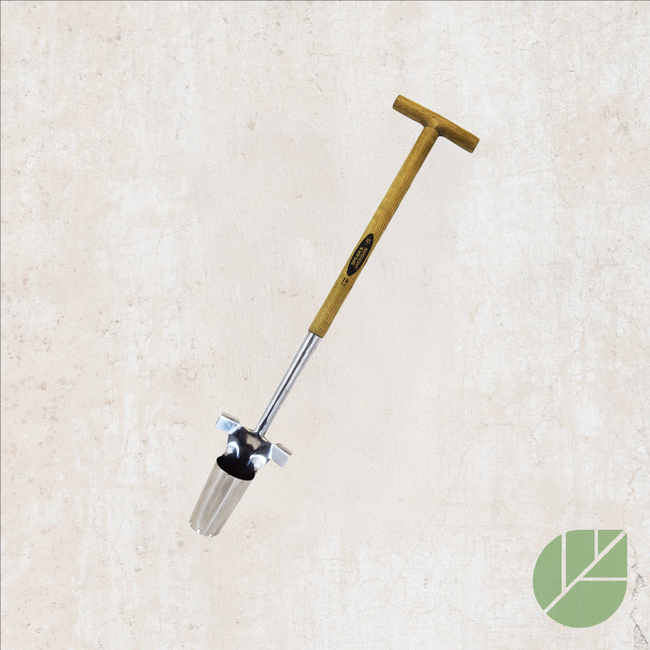
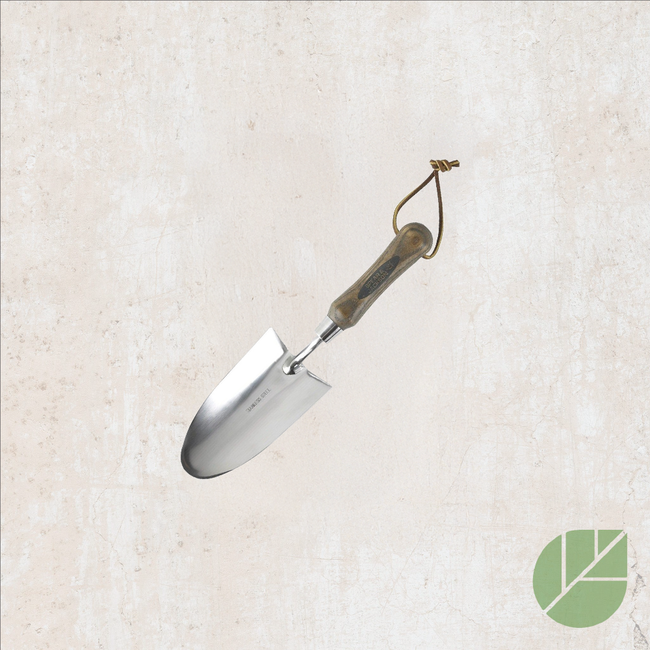
Bulb planters and planting tools
Shop the collection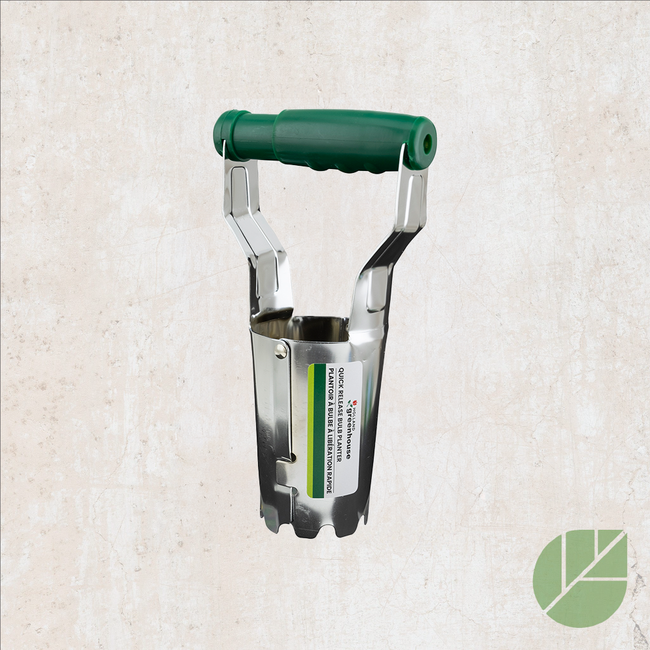
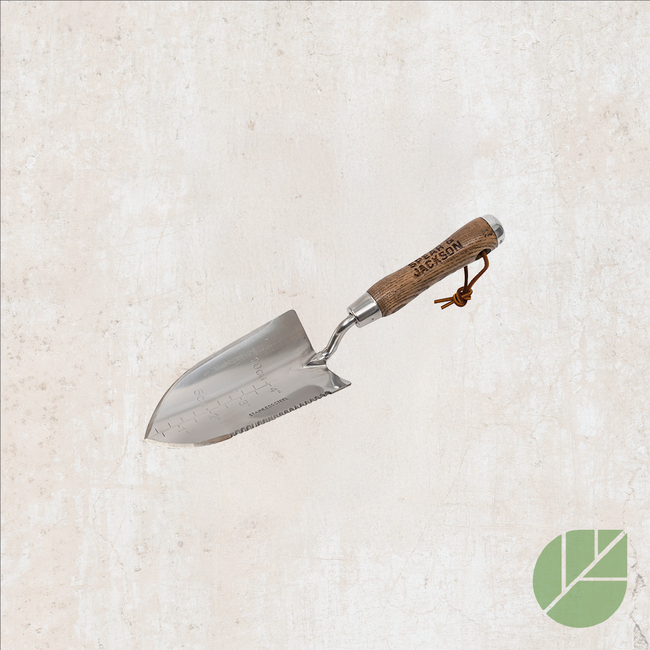
Soils and amendments for bulbs
Shop the collection