Plantes d’extérieur
Tout pour fleurir, cultiver et aménager votre jardin.


Ornamental bulbs
Van Noort
Lilium
Click a product to build your selection.
‘African Lady’ O/T Hybrid Lily (Lilium ‘African Lady’) produces exceptionally large fragrant raspberry-red flowers edged creamy yellow to apricot. A greenish-yellow throat brightens the centre, several small purplish-red spots add detail, and the outer tepals become deeper in colour. This Oriental-Trumpet hybrid forms a vigorous upright stem approximately 120 cm tall and 40 cm wide. The retail package contains one size 16/18 bulb. July and August flowering suits borders, fragrant gardens, cutting gardens, and substantial containers. Narrow green foliage emphasizes the vertical silhouette, while the warm red-and-yellow palette coordinates readily with blue, violet, white, burgundy, or silver companion plants.
Plant the bulb in spring with its point upward, 15 cm deep. For several plants, allow 30 to 60 cm according to the desired effect. Choose full sun or bright partial shade in fertile, humus-rich, moist, very well-drained soil. Water deeply after planting, then maintain even moisture without allowing water to stand. Low perennials or thin mulch keep the base cool. Install discreet support early in positions exposed to wind. Van Noort confirms 120 cm height, 40 cm spread, Zone 3, and suitability for Zones 3 to 9. Mark the position so the dormant bulb remains protected during seasonal garden work.
In spring, protect the emerging shoot from slugs and inspect both sides of the foliage regularly for scarlet lily beetles, eggs, and larvae. Remove them by hand whenever practical. After flowering, cut only faded blooms and developing pods. Retain the complete stem and every green leaf so they can replenish the bulb, then cut them to ground level after natural yellowing. For an arrangement, harvest one stem when its first bud opens and leave as many leaves as possible on the plant. Every part of a true lily, including the bulb, pollen, and vase water, is extremely dangerous to cats. Keep plants and bouquets completely inaccessible and contact a veterinarian immediately after possible exposure.
Planting guide
Soil and care
Container growing

Bloom and dimensions

Garden associations
Frequently asked questions
Wildlife and pets
Tout pour fleurir, cultiver et aménager votre jardin.
Une touche de nature, dans chaque pièce.
Tout pour fleurir, cultiver et aménager votre jardin.
Tout découvrir Potager et fines herbes
 Fleurs et vivaces
 Arbres et arbustes
 Soins et plantation
Une touche de nature, dans chaque pièce.
Tout découvrir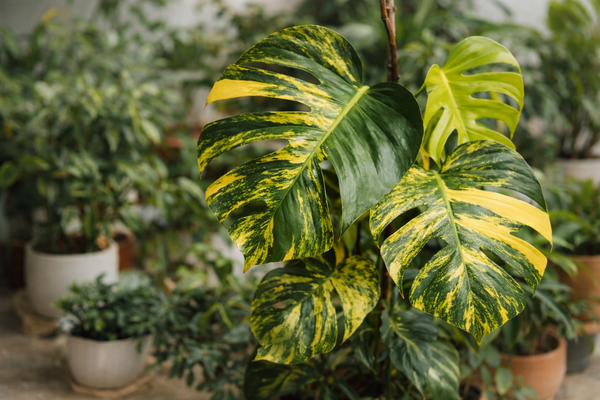 Plantes tropicales
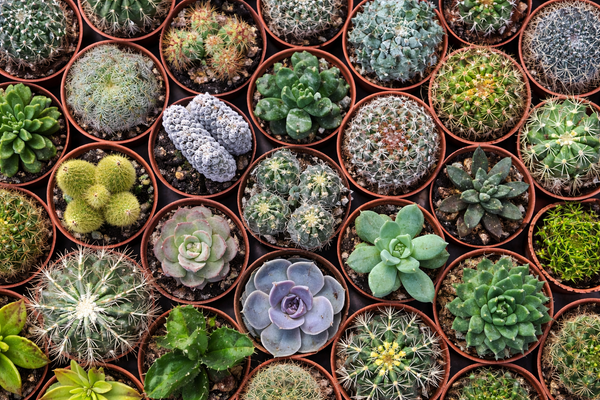 Cactus et succulentes
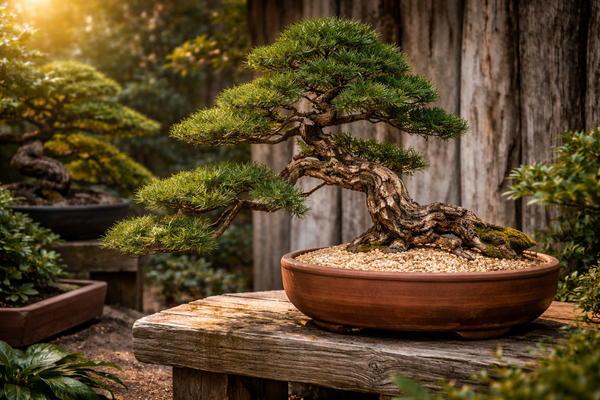 Collections spécialisées
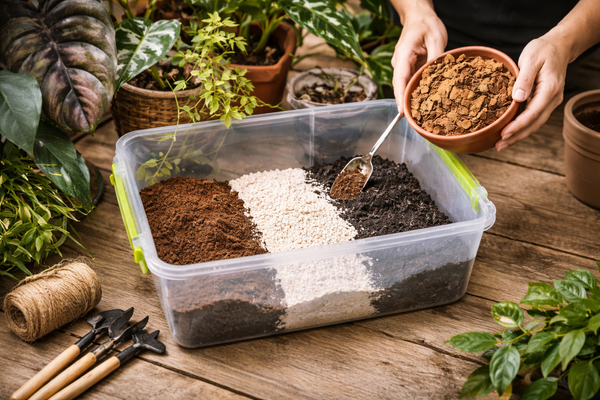 Soins et accessoires
Tout pour semer, planter et faire pousser.
Tout découvrir Semences
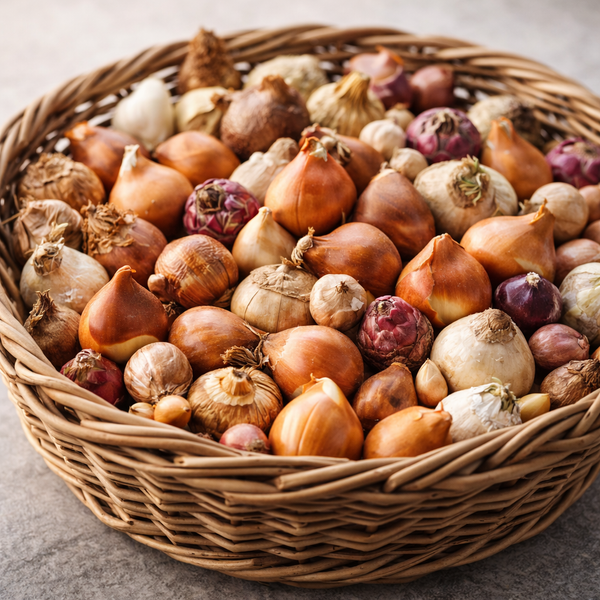 Bulbes
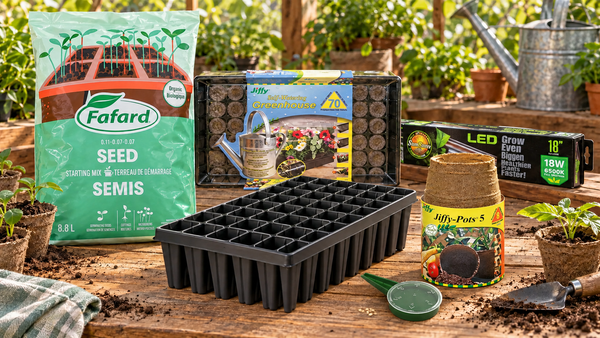 Tout pour les semis
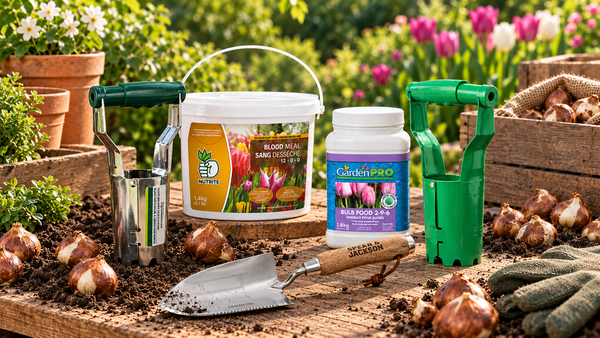 Pour planter les bulbes
Tout pour semer, nourrir et retrouver une belle pelouse.
Tout pour semer, nourrir et retrouver une belle pelouse.
Tout découvrir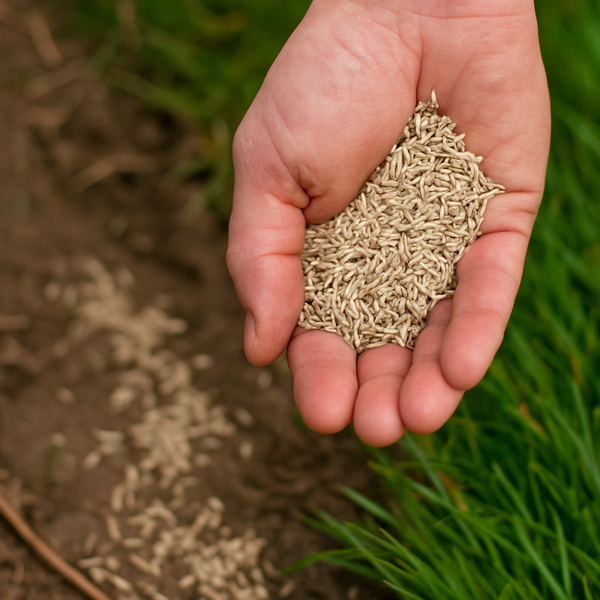 Semences à gazon
 Engrais pour gazon
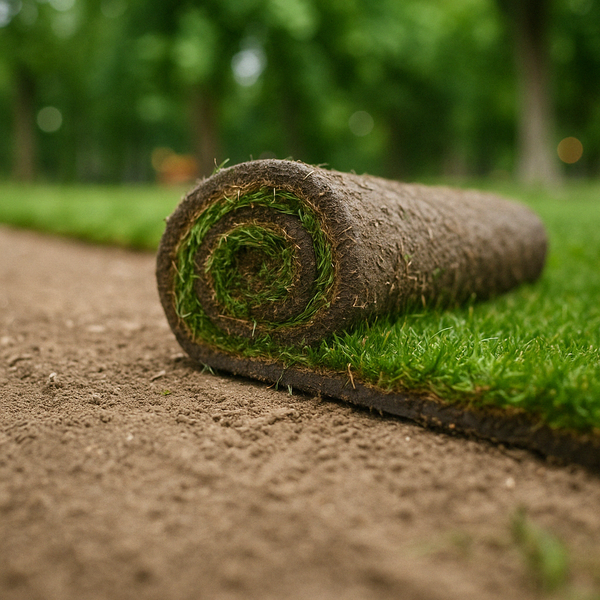 Tourbe et préparation
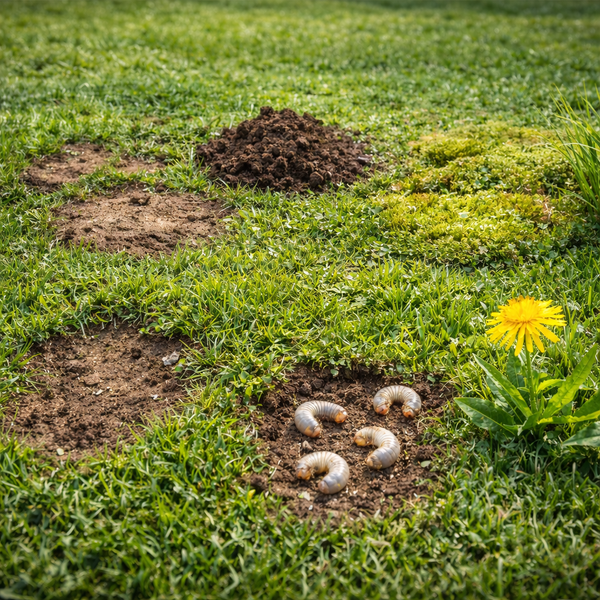 Soins et traitements
Tout pour nourrir, protéger et entretenir vos plantes.
Tout pour nourrir, protéger et entretenir vos plantes.
Tout découvrir


Valide uniquement dans la succursale choisie lors de l’achat.
Choisir la carte en magasinTout pour semer, planter et faire pousser.
 Outils
 Compostage et écologie