Sale
Sold out

Ornamental bulb
Amaryllidaceae
Compact red ornamental onion with architectural foliage
‘Red Giant’ ornamental onion
Allium karataviense ‘Red Giant’
Product code : VAN-118-119-01
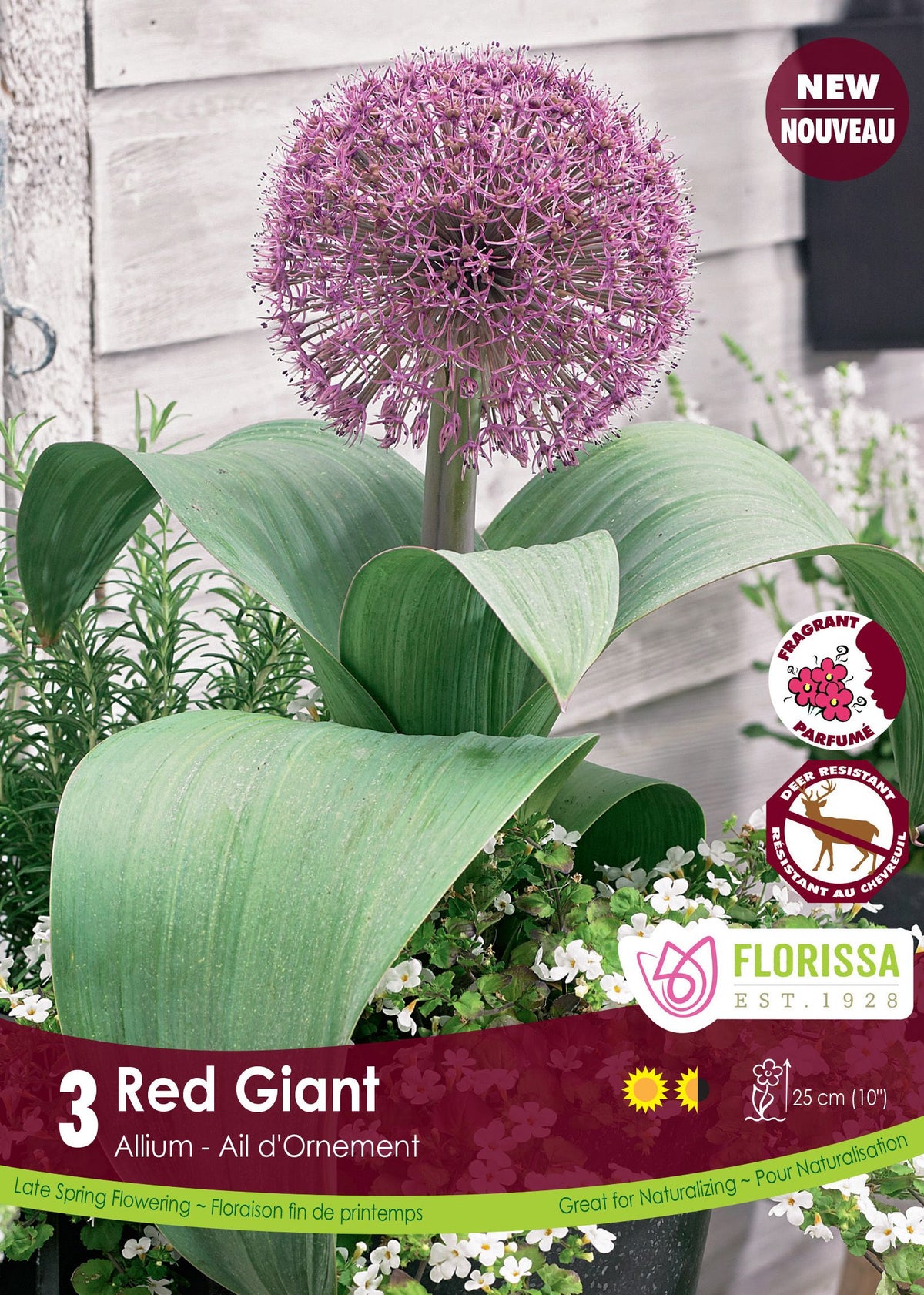
Allium Red Giant is a red Allium karataviense only 25 cm (10 in) tall, distinguished by broad, pleated, glaucous leaves often edged red and a purplish-red umbel at least 8 cm (3 in) wide. The Van Noort package contains 3 Allium bulbs size 14/16 for planting 15 cm (6 in) deep and 20 cm (8 in) apart. This compact ornamental onion prefers full sun and exceptional drainage. Hardy in Zones 4 to 10, it suits rock gardens, low borders, and containers, attracts beneficial insects, generally resists deer, and retains a decorative dried head after flowering. This cultivar remains equally effective fresh, dried, and viewed closely beside a sunny patio.
- Quantity
- 3 bulbs
- Exposure
- Full sun
- Life cycle
- Naturalizing bulbous perennial
- Hardiness
- Zones 4 to 10
Discover the plant
Common nameRed Giant Kara Tau garlic
FamilyAmaryllidaceae
GenusAllium
Specieskarataviense
CultivarRed Giant
TypeOrnamental bulb
Botanical nameAllium karataviense ‘Red Giant’
‘Red Giant’ ornamental onion (Allium karataviense ‘Red Giant’) turns one compact bulb into a complete architectural scene. At only 25 cm (10 in), it unfolds two or more exceptionally broad, glaucous, lightly pleated leaves that are often edged red or flushed purple. A short stem then supports a purplish-red umbel at least 8 cm (3 in) wide, assembled from numerous star-shaped florets. The head appears almost seated upon the rosette, allowing every detail to be admired closely. Hardy in Zones 4 to 10, this naturalizing cultivar suits low borders, rock gardens, gravel plantings, and containers exceptionally well.
Plant Allium bulbs size 14/16 in fall, four to six weeks before lasting soil freeze, in a warm position receiving full sun. Set them point upward 15 cm (6 in) deep and 20 cm (8 in) apart. Loose, moderately fertile, sharply drained soil protects the large bulbs better than heavy or waterlogged ground. Water deeply once after planting, then sparingly in spring when the surface dries. Add only a little mature compost at emergence. After flowering, allow the glaucous leaves to yellow completely, then keep the ground relatively dry during summer dormancy. Mark each position so the invisible bulbs are not disturbed.
Allium Red Giant makes a spectacular foreground feature where its unusual foliage and red flower head remain visible. Arrange the three bulbs in a triangle among thymes, sedums, blue fescues, artemisias, or small heucheras sharing its need for drainage. This compact ornamental onion feeds bees, bumblebees, and butterflies, while its onion fragrance generally discourages deer. Heads may be dried, although short stems suit small arrangements better than tall bouquets. Every part remains toxic to pets, so avoid positions where animals could dig up or chew bulbs. A pollinator friendly Allium can therefore occupy even a modest sunny space without losing impact.

Planting guide
Plant well.Grow beautifully.
Planting depth
15 cm (6 in)
Spacing / density
20 cm (8 in) between bulbs
Best planting time
Fall, four to six weeks before lasting soil freeze
Propagation
Bulb and offset division during dormancy
Growing method
Plant Red Giant in fall, four to six weeks before lasting soil freeze. Choose a warm, open position in full sun where broad leaves will not be hidden by taller perennials. Loosen the ground to 25 to 30 cm (10 to 12 in) and remove compacted sections. Incorporate a small amount of mature compost; in clay, improve a broad surface with fine grit or create a slight mound rather than an isolated drainage pocket. Position the three size 14/16 bulbs point upward 15 cm (6 in) deep and 20 cm (8 in) apart, ideally in a triangle. Cover, firm gently, and water deeply once. Mark every position and add light mulch only after the soil cools. In spring, uncover shoots carefully, water when the surface dries, and feed very sparingly. Avoid splashing the glaucous foliage. Leave the red umbel for pollinators or cut it when well open for a small arrangement. After flowering, retain every leaf until completely yellow. Clean at soil level, sharply reduce irrigation during dormancy, and prevent continual watering. Divide offsets in fall only when they touch or flowering declines. Keep a durable label beside every dormant bulb and protect the open rosette from foot traffic.
Soil and care
The right care,at the right time.
Soil pH
Acid to alkaline
Minimum temperature
-40°C (-40°F)
Care level
Easy
Drought tolerance
Yes
Watering
Water deeply once after fall planting, then allow seasonal rainfall to take over. In spring, irrigate only when the top five centimetres are dry, directing water toward soil rather than broad leaves. Reduce applications gradually after flowering and stop when foliage yellows. Containers dry faster, but water must never remain in the saucer. Relatively dry summer dormancy protects bulbs from rot and supports reliable return.
Soil type
Red Giant requires loose, aerated, sharply drained soil that is lean to moderately fertile. Sandy or gravelly loam protects its large bulbs and keeps summer dormancy dry. Add only a little mature compost. In clay, improve the entire zone with fine grit and plant on a mound. Avoid depressions, compaction, full saucers, and neighbours requiring constant irrigation. Soil structure matters more than a precise pH range.
Fertilization
At spring emergence, spread a thin layer of mature compost around shoots without covering their bases. Very poor soil may receive balanced slow-release fertilizer at the lowest rate. Avoid abundant nitrogen, which softens leaves and favours growth over reserves. Stop feeding during dormancy. Retaining foliage until complete yellowing naturally nourishes the bulb more effectively than late fertilizer. Keep concentrated granules away from leaves and bulbs.
Moisture
Lightly moist spring soil, sharply drained, and dry through dormancy
Seasonal care
In fall, plant bulbs 15 cm (6 in) deep, label the triangle, and wait until the soil cools before adding thin mulch. In late winter, remove compacted material and observe drainage during thaws. In spring, hand-weed to avoid damaging broad leaves emerging near ground level. Add a little compost, water only if soil dries, and avoid high-nitrogen fertilizer. Support is normally unnecessary for a 25 cm (10 in) plant. During flowering, avoid insecticides and leave at least two heads for pollinators. Cut one umbel for a small arrangement or retain every head as a dry structure. Never remove green leaves; their substantial surface rebuilds large bulbs. Once fully yellow, clean at soil level and sharply reduce irrigation. In summer, prevent neighbouring systems from continually wetting the zone. The following fall, separate only crowded offsets and replant immediately. Watch for slugs, downy mildew, white rot, and onion-related pests. Remove affected tissue, disinfect tools, and correct drainage first. Keep the label visible throughout dormancy and store bulbs beyond the reach of pets. After heavy rain, inspect low spots and clear debris that prevents water from leaving the bulbs. Retain dried heads while firm, then remove them before they become brittle. Check labels after storms, protect emerging leaves from foot traffic, and clear container holes whenever prolonged rain is forecast. Record any weak flowering so drainage, light, and spacing can be corrected before fall.
Container growing
A garden,within reach.
Recommended pot size
At least 25 cm (10 in) deep and 30 cm (12 in) wide
Grow Red Giant in a frost-resistant container at least 25 cm (10 in) deep and 30 cm (12 in) wide. Its low silhouette does not require a heavy pot for wind, but three bulbs and their broad leaves need horizontal room. Provide several large holes, stand the container on feet, and keep its saucer empty. Fill with light potting mix, a little mature compost, and mineral drainage material. In fall, position size 14/16 bulbs point upward 15 cm (6 in) deep and as far apart as the diameter permits, then water deeply once. Leave the pot outdoors in full sun to receive winter cold. In a severe region, temporarily sink the container or insulate its walls without moving it into a heated room. In spring, clear holes, water when the surface dries, and feed lightly. Rotate the pot so the rosette develops evenly. After flowering, allow every leaf to yellow, then keep the mix comparatively dry. Renew part of the soil every two or three years and separate offsets only during dormancy. Keep the container away from animals likely to dig in the substrate. Keep the permanent label visible during dormancy and clear drainage openings after every prolonged rain or spring thaw.

Bloom and dimensions
Its place,in your garden.
Mature height
25 cm (10 in)
Width / spread
Approximately 25 to 30 cm (10 to 12 in)
Flower color
Purplish red to rosy red
Foliage color
Glaucous green, often red-edged and purple-flushed
Foliage type
Deciduous, broad, pleated, and aromatic
Growth rate
Moderate
Growth habit
Low, broad, spreading rosette beneath a short stem
Fragrance
Noticeable onion fragrance
Bloom period
From late spring into early summer, Red Giant forms a purplish-red to rosy-red umbel at least 8 cm (3 in) wide, appearing almost seated on the 25 cm (10 in) rosette. More than fifty small star-shaped florets may compose this dense head. Contrast with red-edged glaucous leaves intensifies the display. After petals fall, the dry structure remains decorative for several weeks. throughout early summer
Garden associations
In goodcompany.
Companion plants
Pair Red Giant with thymes, small sedums, blue fescues, silver artemisias, low dianthus, and compact heucheras. These plants tolerate sun and rapid drainage, extend colour, and leave broad foliage visible. Pale gravel mulch highlights the red margins. Avoid vigorous groundcovers, tall perennials, and thirsty neighbours that would smother the rosette or keep bulbs wet in summer. Preserve a small open ring around every plant for air and visual clarity. Repeating a second triangle farther away creates restrained, coherent rhythm while preserving open space around every rosette.
Frequently asked questions
Your questions,answered.
When and how should Allium Red Giant be planted?
Plant the three bulbs in fall, four to six weeks before lasting soil freeze. Choose full sun and loose, moderately fertile, sharply drained soil. Position each size 14/16 bulb point upward 15 cm (6 in) deep and 20 cm (8 in) from the next, ideally in a triangle. Cover, firm gently, and water deeply once. In clay, improve a broad area with mature compost and fine grit or create a mound. Mark every location. In spring, water when the surface dries and feed lightly. After flowering, allow every leaf to yellow completely, then keep soil drier during dormancy. Carefully.
Is Red Giant really only 25 cm tall?
Yes. The detailed Van Noort page and RHS give an established height of approximately 25 cm (10 in). One Van Noort bulk page displays 90 cm, but that value conflicts with Allium karataviense, the photograph, detailed listing, and accepted botanical description. Red Giant forms a low rosette of broad leaves with a short stem carrying a head at least 8 cm (3 in) wide. Place it at a border front, in a rock garden, or in a pot. If taller plants hide the foliage, much of its value disappears. Short height is precisely its distinctive character and does not indicate weakness or poor establishment.
Does Red Giant return every year in Canada?
Yes. This perennial bulb can return in Zones 4 to 10 when drainage is excellent. Plant early enough in fall to allow rooting before lasting freeze. After flowering, let broad leaves yellow and dry completely because they rebuild bulb reserves. Then reduce irrigation during summer dormancy and avoid wet hollows. Offsets may slowly enlarge the group; separate them in fall only when they touch. Failure to return is generally linked to rot, continual irrigation, leaves removed too early, or a bulb disturbed while resting. Preserve a permanent label so the invisible position remains protected throughout dormancy.
Is Red Giant foliage ornamental?
Yes. Foliage is one of this cultivar’s principal features. Two or more exceptionally broad, aromatic, lightly pleated leaves form a glaucous rosette close to the ground. Their margins are often red and undersides may become purple-flushed, especially under strong light. Keep the plant at a border front and avoid groundcovers that hide this base. Leaves may begin yellowing during or after flowering; this change is normal. Never fold or cut them while green because they replenish the bulb. Pale mineral mulch and fine-leaved companions emphasize contrast without retaining excessive moisture. Preserve a permanent label so the dormant bulb remains protected after leaves disappear.
Is Allium Red Giant suitable for containers?
Yes. Its low habit and broad leaves are particularly suitable for containers. Choose a frost-resistant pot at least 25 cm (10 in) deep and 30 cm (12 in) wide with several large holes. Use light mix containing mature compost and mineral drainage material. Plant bulbs 15 cm (6 in) deep, water once, and leave the pot outdoors in full sun to receive cold. In severe regions, insulate the walls or temporarily sink the container without moving it into warmth. In spring, water when the surface dries. After foliage yellows completely, sharply reduce irrigation and keep the saucer empty. throughout dormancy
Wildlife and pets
Life,around your plants.
Reported toxicity
Yes
Supporting wildlife
Numerous purplish-red florets provide pollen and nectar for bees, bumblebees, butterflies, and other late-spring insects. Group three bulbs so this resource is easy to locate and avoid insecticides during opening. Birds and hummingbirds are not principal visitors. Deer generally ignore onion-scented tissues, but every part remains toxic to pets. Leave multiple heads through full bloom to extend the feeding period.
For planting your bulbs
The right extras.Right here.
Bulb planters and planting tools
Shop the collection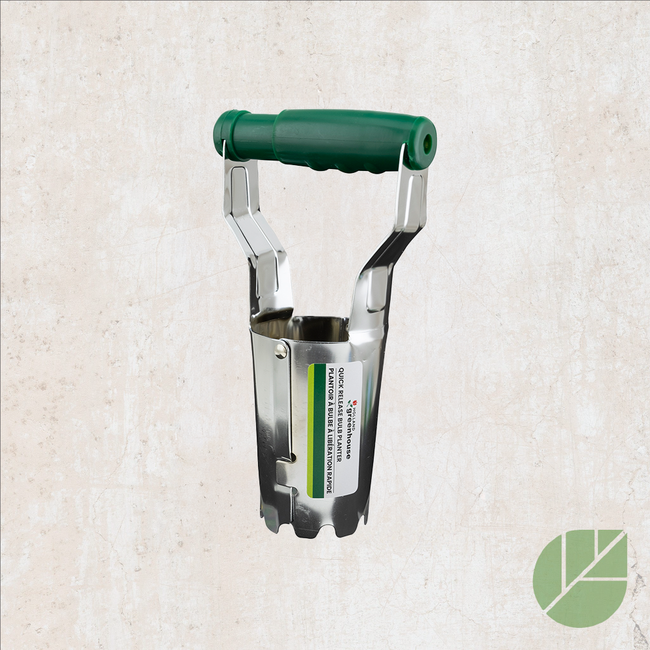
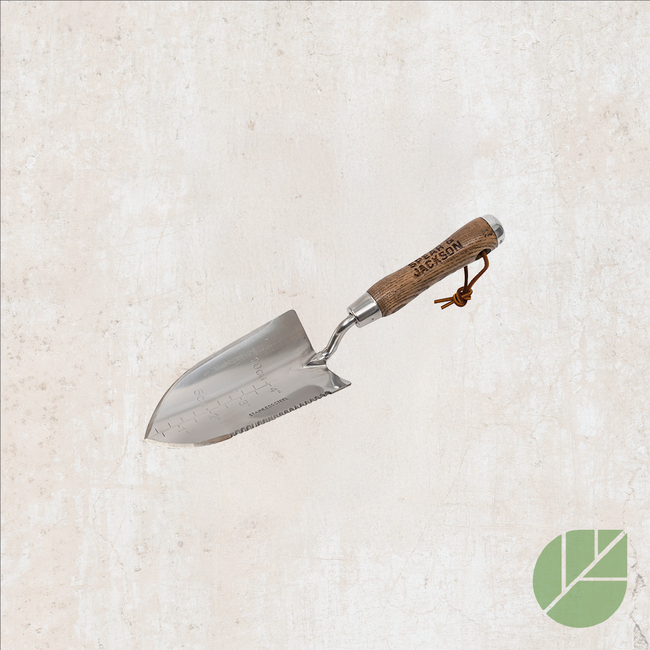
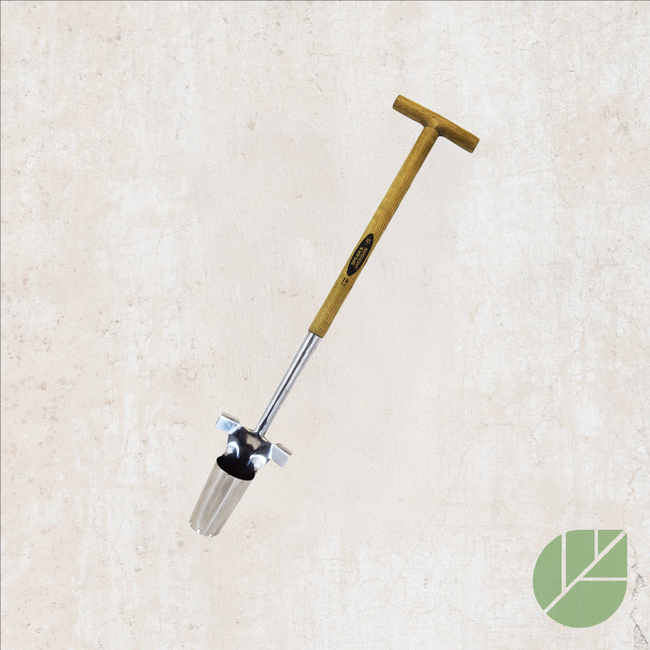
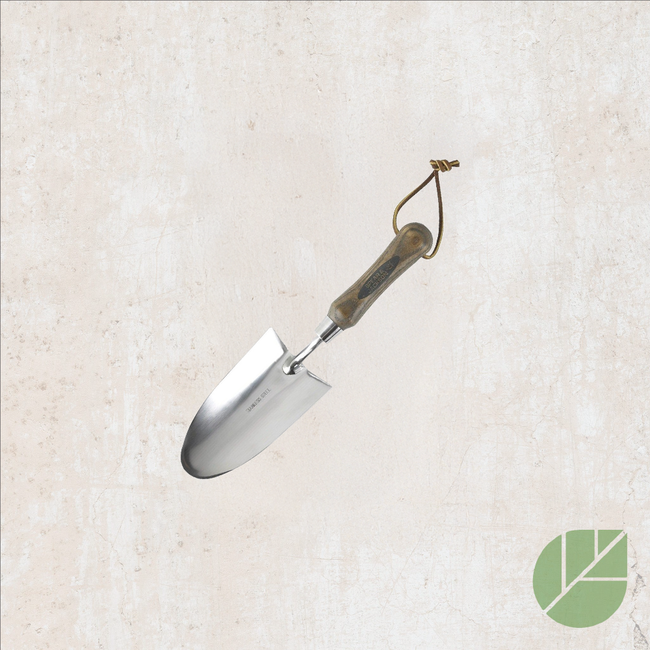
Soils and amendments for bulbs
Shop the collection