Sale
Sold out

Hardy spring-flowering bulb
Asparagaceae
Spring bulbs for naturalizing
Blue Spanish bluebell
Hyacinthoides hispanica
Product code : 146 690 01
Blue Spanish bluebell is a hardy bulbous perennial supplied as 10 size 8/9 bulbs. It produces lavender-blue bells arranged around upright flower stems in late spring on stems approximately 25 cm (10 in) tall. Plant it in fall in sun or partial shade and humus-rich, freely drained soil. A compact group creates a fuller display and may naturalize gradually over time. Always allow foliage to yellow after bloom so it can replenish the bulbs. This plant suits borders, bright woodland edges, positions beneath deciduous shrubs, and containers. Its flowers may support visiting spring pollinators, but bulbs and foliage are not edible. Mark the group before dormancy so summer gardening does not disturb it.
- Quantity
- 10 size 8/9 bulbs
- Exposure
- Bright partial shade to gentle sun
- Life cycle
- Bulbous perennial
- Hardiness
- Zone 4
Discover the plant
Common nameBlue Spanish bluebell, blue bellflowered squill
FamilyAsparagaceae
GenusHyacinthoides
Specieshispanica
TypeHardy spring-flowering bulb
Botanical nameHyacinthoides hispanica
Blue Spanish bluebell (Hyacinthoides hispanica) produces lavender-blue bells arranged around upright flower stems in late spring. The Van Noort package contains 10 size 8/9 bulbs. Flower stems reach approximately 25 cm (10 in) above narrow green spring foliage. This Zone 4 hardy bulb creates a natural-looking accent in borders, beneath deciduous shrubs, near trees, or in broad containers. Planting the bulbs together strengthens the colour display and supports gradual naturalizing where conditions suit the species. The flowers also provide an early seasonal resource for visiting pollinating insects when relatively few other garden plants are open.
Plant the bulbs in fall in loose, humus-rich, freely drained soil. Set them pointed end up, 10 cm (4 in) deep and 8 to 10 cm (3 to 4 in) apart. Choose bright partial shade to gentle sun, then water after planting to settle the soil. In spring, provide light moisture when rainfall is insufficient, without allowing water to remain around the bulbs. Avoid nitrogen-rich fertilizer; a thin layer of mature compost is generally enough. Established groups can remain in place for several years and expand gradually when light, soil, and drainage suit them. Protect new shoots from trampling while they emerge.
After flowering, allow every leaf to yellow naturally so the bulbs can replenish their reserves. Reduce watering as summer dormancy begins. Faded flowers may be removed when you want to limit self-sowing, although this step is unnecessary in a naturalized planting. Pair blue spanish bluebell with crocuses, miniature narcissi, grape hyacinths, primroses, ferns, or restrained groundcover perennials. Wear gloves while handling bulbs and keep all plant parts away from children and pets because they are not edible and may be harmful if swallowed. Mark the planting position before foliage disappears to avoid disturbing resting bulbs during summer gardening.

Planting guide
Plant well.Grow beautifully.
Spacing / density
8 to 10 cm (3 to 4 in)
Best planting time
Fall, before the ground freezes
Propagation
Division of offsets after foliage yellows
Growing method
Spanish bluebell (Hyacinthoides hispanica) features lavender-blue bells arranged around upright flower stalks in late spring. The Van Noort packet contains 10 bulbs, size 8/9. This hardy zone 4 bulbous plant creates a natural accent in borders, under deciduous shrubs, at the base of trees, or in large containers. Group planting better highlights its color and facilitates its naturalization. Plant the bulbs in autumn in rich, loose, well-drained soil. Place them pointed end up at a depth of 10 cm (4 in) and space them 8 to 10 cm (3 to 4 in) apart. Choose bright partial shade to gentle sun, then water after planting to settle the soil. In spring, maintain slight moisture if rainfall is insufficient, without allowing water to stagnate around the bulbs. After flowering, let the foliage yellow naturally so that the bulbs can replenish their reserves. Then reduce watering during summer dormancy. Combine Spanish bluebells with crocuses, miniature daffodils, grape hyacinths, primroses, ferns, or non-invasive ground cover perennials. Wear gloves when handling the bulbs and keep all parts of the plant out of reach of children and animals, as they are not edible and can be toxic if ingested.
Soil and care
The right care,at the right time.
Soil pH
Slightly acidic to neutral
Care level
Easy
Watering
Water deeply after fall planting to settle soil around the bulbs. In spring, check moisture before each application and water only when the surface begins to dry. Soil may remain lightly moist during active growth but must never stay saturated. Reduce irrigation gradually as foliage yellows, then keep the location comparatively dry during summer dormancy. In containers, allow all surplus water to drain and empty saucers after rain. Established garden groups normally need little additional water when regular spring rainfall is available.
Soil type
Blue Spanish bluebell prefers humus-rich, loose, freely drained soil that retains light spring moisture. Loam amended with mature compost works well. In heavy clay, improve the structure of the entire planting area or use a raised bed. Avoid depressions where rainwater and snowmelt collect around bulbs. Soil may become drier after foliage yellows and summer dormancy begins. A slightly acidic to neutral pH is generally suitable. Do not place gravel only beneath individual bulbs, because this can create a pocket that holds water.
Fertilization
Add a thin layer of mature compost while preparing poor soil. In early spring, a slow-release bulb fertilizer may be applied at the label rate, although an established planting generally needs little feeding. Avoid fresh manure and nitrogen-rich formulas because they promote soft foliage. Stop feeding after bloom and allow the leaves to rebuild bulb reserves naturally. Never place concentrated fertilizer directly against bulbs. Where growth is already vigorous, compost alone is usually sufficient.
Moisture
Light spring moisture; drier during dormancy
Seasonal care
In early spring, remove moisture-holding debris carefully without damaging new shoots. Check drainage after snowmelt and correct depressions where water remains. Water only when the soil begins to dry. A thin layer of mature compost can support established groups, but avoid fresh manure and nitrogen-rich feeding. During bloom, leave flowers accessible to pollinators and avoid insecticides. Remove faded flowers if you want to limit self-sowing; in a naturalized planting, they may remain. Always retain foliage until it has yellowed completely so the bulbs can replenish their reserves. Reduce irrigation during summer dormancy and mark the location before leaves disappear. Avoid digging deeply around the group. In fall, confirm that soil remains loose and freely drained, then add new bulbs if you want to widen the drift. Crowded groups may be divided after foliage dries; replant firm offsets promptly and discard soft or damaged bulbs. In very cold locations, apply a thin mulch after the ground freezes and remove it gradually in spring. For containers, keep drainage holes open and position pots away from roof runoff. Wear gloves while handling the bulbs and keep them away from children and pets. Inspect leaves for unusual spotting before they decline, remove badly affected material with clean tools, and avoid moving potentially diseased bulbs to another garden area. Regular observation makes small drainage or pest problems easier to address early.
Container growing
A garden,within reach.
Recommended pot size
Container at least 25 cm (10 in) deep
Choose a sturdy container at least 25 cm (10 in) deep with several open drainage holes. Fill it with porous potting mix amended with a small amount of mature compost. Plant blue spanish bluebell bulbs 10 cm (4 in) deep and 8 to 10 cm (3 to 4 in) apart. A broad pot can hold the complete package and create a generous display. Water thoroughly, allow surplus moisture to drain, then keep the container outdoors so the bulbs receive the winter cold they need. Position it away from roof runoff, standing water, and extreme wind. In spring, check moisture below the surface before watering and rotate the pot if stems lean toward the light. After bloom, allow every leaf to yellow in a bright position. Reduce watering during dormancy without leaving the mix continually saturated. In very cold locations, insulate the container walls or place the pot in a sheltered, unheated outdoor position. Divide crowded groups after foliage dries, refresh part of the potting mix, and replant only firm bulbs. Keep a visible label so the resting container is not disturbed during summer. Do not move chilled bulbs into a heated room, where early growth may weaken the following display.

Bloom and dimensions
Its place,in your garden.
Mature height
25 cm (10 in)
Width / spread
10 to 20 cm (4 to 8 in), then gradual expansion
Flower color
Lavender blue
Foliage color
Green
Foliage type
Narrow, strap-shaped basal foliage
Growth rate
Fast in spring; gradual expansion
Growth habit
Upright, then forming a naturalized clump
Bloom period
Blue Spanish bluebell produces lavender-blue bells arranged around upright flower stems in late spring. Flower stems reach approximately 25 cm (10 in) above narrow green foliage. Plant the complete package as one group for a more visible mass of colour. Abundant spring light and lightly moist, freely drained soil support an even display. Flowers may feed visiting pollinating insects. After bloom declines, allow every leaf to yellow completely before reducing irrigation. Established groups may expand gradually and create a broader seasonal carpet.

Garden associations
In goodcompany.
Companion plants
Pair blue spanish bluebell with crocuses, grape hyacinths, miniature narcissi, snowdrops, primroses, ferns, or restrained groundcover perennials. These plants share a preference for spring light, gentle moisture, and freely drained soil. Bulbs flower before later perennials reach full size, and those companions subsequently conceal yellowing leaves. Avoid aggressive groundcovers, extremely dense roots, and neighbours requiring abundant irrigation during summer dormancy. Leave enough room for the bulb group to naturalize gradually. A varied sequence of early flowers also offers pollinating insects a longer period of seasonal forage.
Frequently asked questions
Your questions,answered.
When should blue spanish bluebell be planted?
Plant the bulbs in fall after the soil has cooled and before it freezes. Choose bright partial shade to gentle sun in humus-rich, freely drained soil. Set them pointed end up, 10 cm (4 in) deep and 8 to 10 cm (3 to 4 in) apart. Group the complete package for a more visible display, cover with soil, and water deeply once. Avoid depressions where rainwater or snowmelt collects. A thin layer of mature compost is sufficient when soil is poor. Mark the position before foliage disappears so resting bulbs remain protected during summer gardening. Do not add fresh manure or place concentrated fertilizer directly against the bulbs.
What do blue spanish bluebell flowers look like?
Blue Spanish bluebell produces lavender-blue bells arranged around upright flower stems in late spring. Flower stems reach approximately 25 cm (10 in) above narrow, green basal foliage. Grouped planting turns the small flowers into a coloured drift visible from a path or window. Their light form suits borders, rock gardens, bright woodland edges, and broad containers. Abundant spring light and lightly moist, freely drained soil encourage an even display. Flowers may receive bees and other visiting pollinators. After bloom declines, always allow leaves to yellow naturally so they replenish the bulbs for the following spring. The foliage then disappears during summer dormancy.
Will blue spanish bluebell naturalize?
Yes. Blue Spanish bluebell can form a wider group over time when soil is humus-rich, freely drained, and lightly moist in spring. Let some flowers complete their cycle when occasional self-sowing is welcome, and retain all foliage until it yellows completely. Leaves rebuild reserves required for the following display. Avoid locations watered heavily during summer dormancy and do not cultivate deeply around resting bulbs. When the group becomes crowded, lift it after foliage dries, separate firm offsets, and replant them promptly. Small divisions may need time before flowering abundantly. A discreet marker prevents accidental disturbance while foliage is absent. Healthy groups often become more impressive with patience.
Can blue spanish bluebell grow in a container?
Yes. Choose a sturdy container at least 25 cm (10 in) deep with several drainage holes, then fill it with porous potting mix. Plant bulbs 10 cm (4 in) deep and 8 to 10 cm (3 to 4 in) apart. A broad pot can hold the complete package. Water after planting and leave the container outdoors so the bulbs receive the winter cold they need. Protect it from standing water, roof runoff, and extreme wind. In spring, maintain light moisture. After flowering, allow foliage to yellow in a bright position before reducing irrigation for summer. In very cold locations, insulate the pot walls or use a sheltered, unheated outdoor position.
Is blue spanish bluebell toxic?
Yes. Bulbs and other parts of blue spanish bluebell are not edible and may be harmful if swallowed. Keep the product away from children and pets before planting, and avoid placing bulbs where an animal regularly digs. Wear gloves while handling them if your skin is sensitive and wash your hands after planting. Never confuse these bulbs with onions or other edible plants. If ingestion is suspected, contact a poison control centre or veterinarian promptly and retain the product label for identification. Do not use flowers or foliage as a garnish, even when they appear clean and undamaged. Store unused bulbs in their clearly labelled package.
Wildlife and pets
Life,around your plants.
Reported toxicity
Yes
Supporting wildlife
Blue Spanish bluebell flowers can provide pollen and nectar to bees and other insects active in spring. Extend this seasonal resource by combining them with successively flowering crocuses, grape hyacinths, primroses, and narcissi. Avoid insecticides during bloom and let some flowers complete their cycle in naturalized areas. Actual wildlife visits vary with weather, location, and the surrounding garden.
For planting your bulbs
The right extras.Right here.
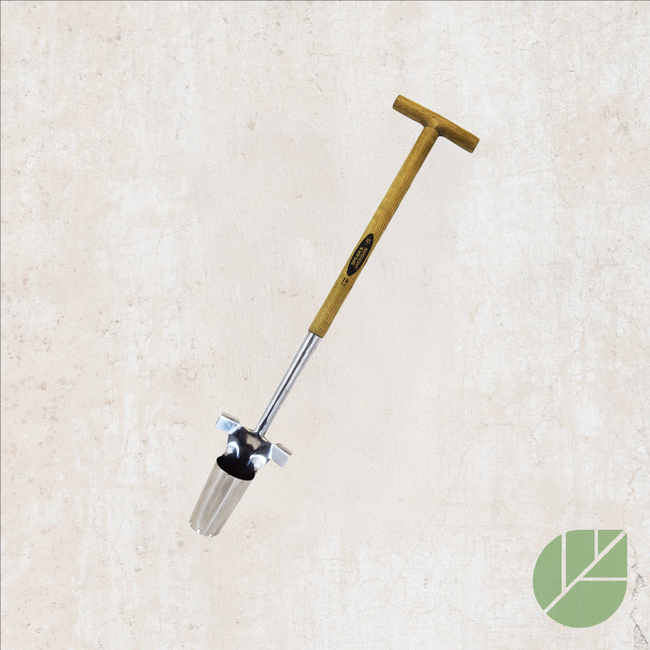
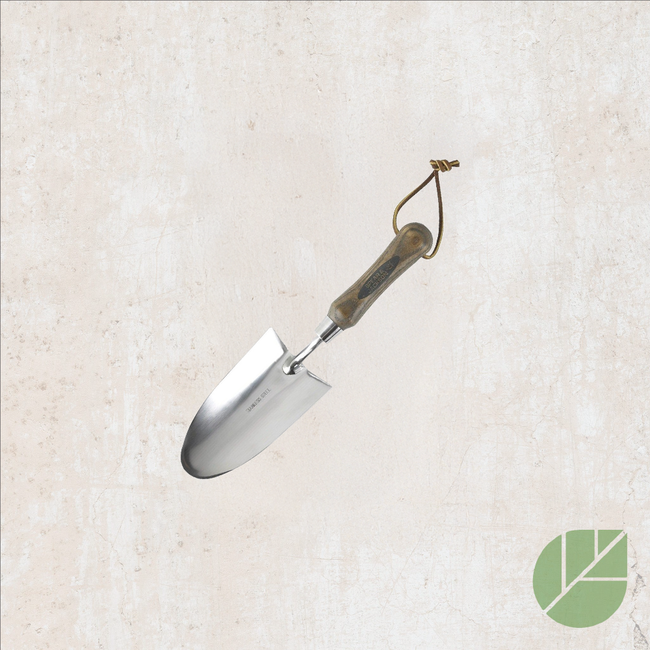
Bulb planters and planting tools
Shop the collection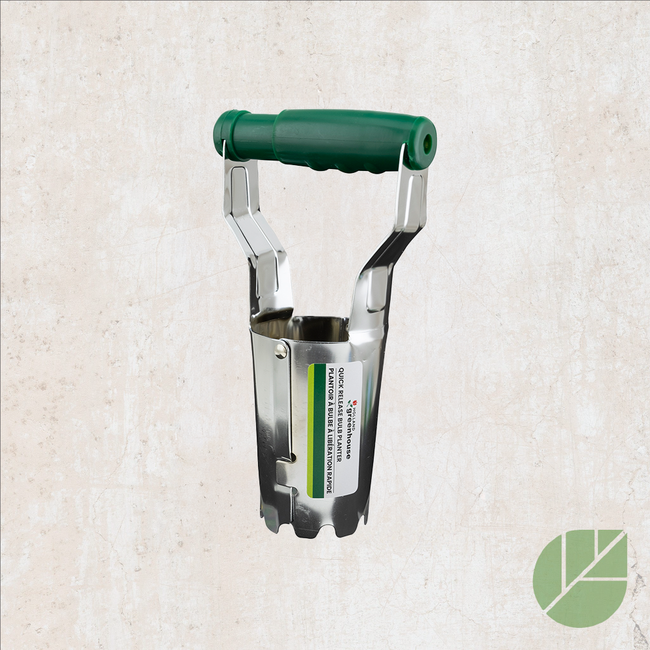
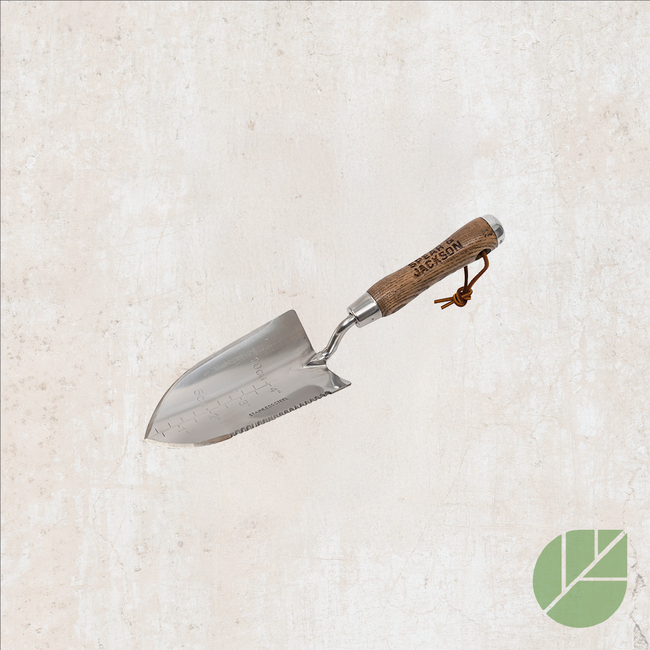
Soils and amendments for bulbs
Shop the collection