Sale
Sold out

Heath family
Trees and shrubs
Lowbush Blueberry 'Northcountry'
Blueberry
Each store has its own inventory.
Products and available quantities may vary between Brossard and Laval. To check a store’s inventory, please contact us directly.
Even better: visit us in store to discover the full selection available!
- Exposure
- Sun
- Hardiness
- Zone 3
Discover the plant
Common nameHighbush blueberry
FamilyHeath family
GenusVaccinium
Speciescorymbosum
CultivarNorth Country
TypeFruit shrub
Botanical nameBlueberry
‘Northcountry’ Highbush Blueberry (Vaccinium corymbosum ‘Northcountry’). Vaccinium corymbosum ‘Northcountry’ is a hardy, semi-dwarf blueberry cultivar, particularly well-suited to cold climates and small spaces. This deciduous shrub develops a compact, spreading habit, wider than it is tall, forming a dense cushion ideal for edible beds, rock gardens, and container cultivation. In spring, pinkish-white bell-shaped flowers attract pollinators and precede a summer harvest of medium-sized blueberries. The fruits are sweet and aromatic, excellent for fresh consumption or processing.
To plant 'Northcountry' highbush blueberry, choose a suitable exposure: full sun. The recommended soil is: acidic, rich in organic matter, well-drained. These plants require acidic soil and regular moisture. Check the pH before choosing amendments: foliage color alone is not enough to diagnose a specific need. Avoid liming and protect the superficial roots during weeding. Water the root ball before planting and ensure water can drain after planting. During establishment, check moisture levels by hand before watering again.
Allow a width of 1.2 m (4 ft) to plan this plant's space in the garden. The indicated height of 90 cm (3 ft) helps choose its position relative to neighboring plants. Maintain access to the base for weeding, checking moisture, and removing damaged parts. Combine this variety with plants whose light and water needs are compatible. If you are considering a container, first check that its volume and drainage are suitable for root development. Roots in pots are more exposed to cold than those planted in the ground.

Soil and care
The right care,at the right time.
Minimum temperature
'-40°C
Watering
Regular watering
Soil type
Acidic, rich, moist and well-drained
Fertilization
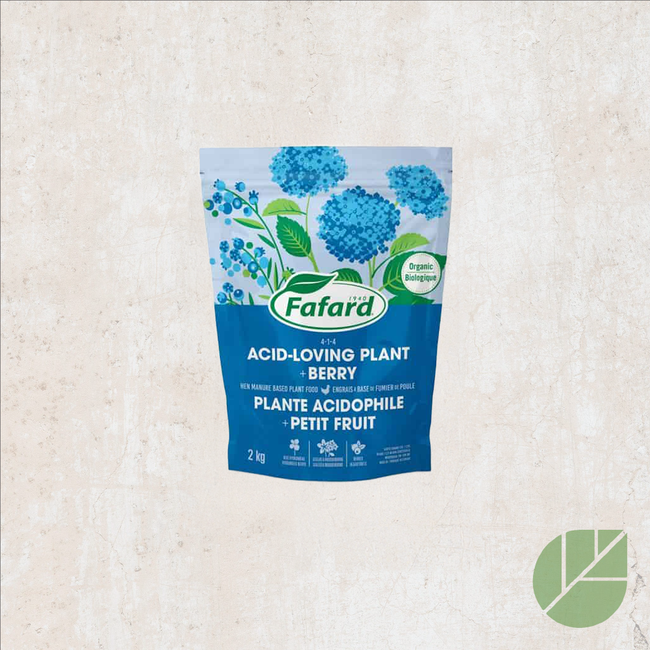
Acid-loving fertilizer in spring. Fertilize monthly or as directed on the bag. Not recommended – use Bionik rooting agent or ground bone.
Bloom and dimensions
Its place,in your garden.
Mature height
80 to 100 cm (31 to 39 inches)
Width / spread
1.2 m (4 feet)
Flower color
White
Foliage color
Green
Foliage type
Obsolete
Growth rate
average
Growth habit
Compact and spreading
Bloom period
Spring
Fruiting
Medium-sized blueberries, sweet and aromatic, summer harvest
Wildlife and pets
Life,around your plants.
Supporting wildlife
Yes
For your acid-loving plants