Sale
Sold out

Native plant seeds
Asteraceae
Grey Goldenrod
Solidago nemoralis
Product code : AKENE-0069
Grey goldenrod is a native perennial of dry meadows, slopes and sunny woodland edges. Its flower panicles arch above slightly hairy grey-green leaves instead of forming a dense, uniform mass. Place the clump in an open garden area where its late flowers remain visible from a path. A dry meadow or freely draining slope crest is more suitable than a hollow collecting runoff. Golden flowers contrast with the soft foliage and emphasize the textures of neighbouring grasses. Retain some stems and seeds through winter for insects and birds, then uncover the crown when spring returns. These choices preserve the plant’s airy outline and the seasonal interest described by its natural habitat.
- Quantity
- 250 seeds
- Exposure
- Sun to partial shade
- Life cycle
- Perennial
- Hardiness
- Zone 3
Discover the plant
Common nameGrey Goldenrod
FamilyAsteraceae
GenusSolidago
Speciesnemoralis
TypeNative plant seeds
Botanical nameSolidago nemoralis
Grey Goldenrod is a native perennial found in dry meadows, on slopes and along sunny woodland edges. It grows as a clump from a short, woody base, producing slender stems that are sometimes reddish near the ground. Slightly hairy grey-green leaves provide a soft texture. From late summer into fall, numerous small golden-yellow flowers gather in arching, feathery panicles. Plants generally reach 30 to 100 cm (11.8 to 39.4 in). Their airy outline and extended flowering bring colour and movement to naturalistic plantings at a time when many other perennials have already finished their display.
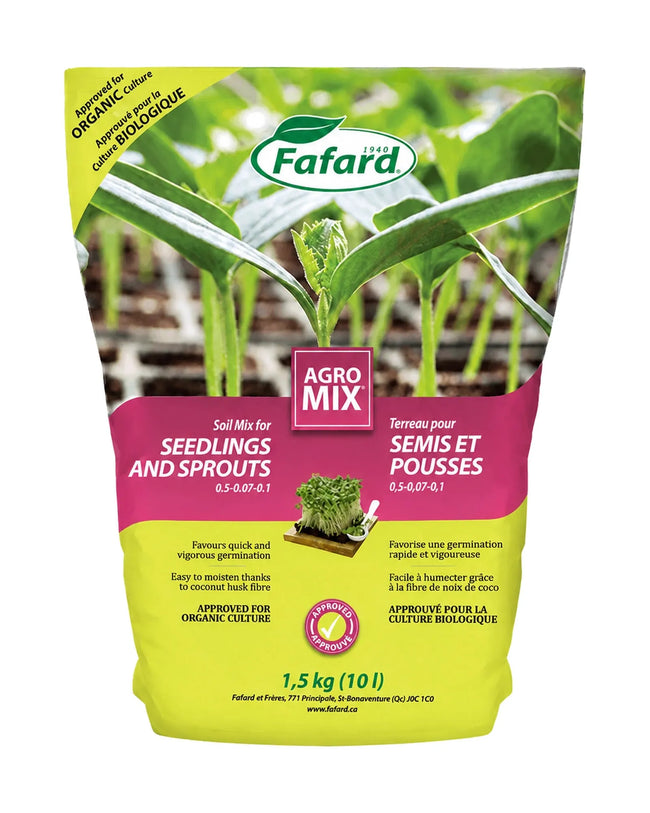
Grey goldenrod seeds let gardeners raise this species from an identified seed batch. Prepare before spring warming by giving the fine seeds sixty days of cold, moist stratification. They also need light to germinate, so a thick layer of growing mix would prevent the required conditions. Gently moisten the surface rather than washing it with a strong stream of water. After emergence, keep seedlings in a clean growing area before moving them to the dry setting suited to adult plants. The drought tolerance of an established clump does not remove the need to support young roots during their initial establishment.
Use grey goldenrod in a dry meadow, on an open slope, along a woodland edge, in a garden for pollinators or within an ecological restoration project. Flowering from August to October supplies late-season nectar and pollen for bees, butterflies, hoverflies, wasps and other beneficial insects. Seeds can feed some birds, while dry stems shelter small organisms in winter. This species is considered a keystone plant in several North American ecoregions. Akène describes traditional uses but recommends professional advice before any medicinal or food use. For container growing, preserve the drainage characteristic of its habitat while preventing young roots from drying out as the plant becomes established.

Sowing guide
It all startswith a seed.
Sowing depth
Surface sow; light required
Spacing / density
25 cm (9.8 in)
Germination time
10 to 30 days
Sowing period
Fall or spring according to the stated seed-preparation protocol
Propagation
Seed sowing according to the stated protocol
Cold stratification
Yes
Growing method
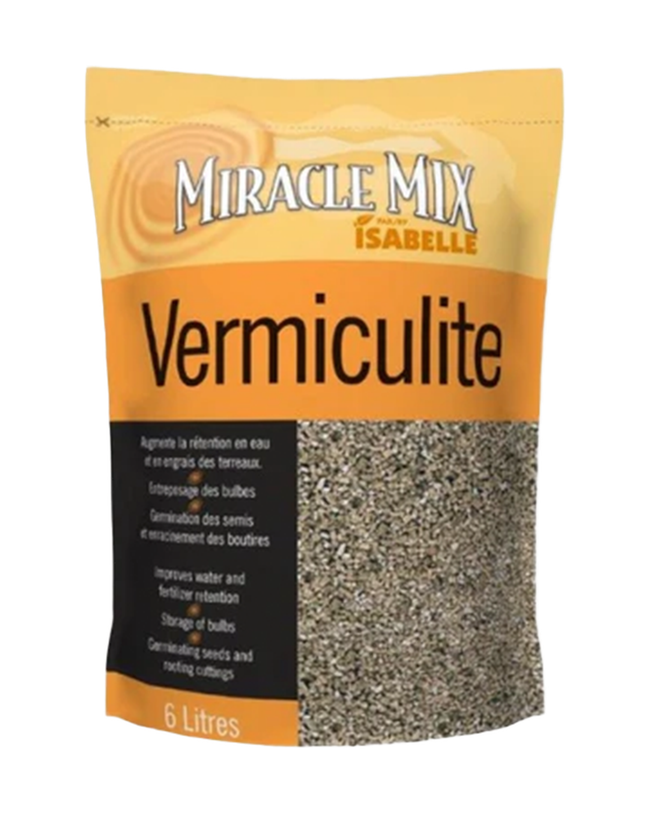
Follow Akène’s grey goldenrod seed protocol by planning fall sowing or spring sowing after sixty days of cold, moist stratification. Mix the seeds with vermiculite or another clean, slightly moist medium, seal the mixture in a bag and refrigerate it for the treatment period. Outdoor fall sowing can provide this chilling naturally. After preparation, sow on the surface of a fine, freely draining mix because the seeds need light. A thick covering would obstruct the conditions required for germination. Place the sowing in bright light and maintain even moisture without saturation. Moisten gently rather than using a strong stream that could wash seeds aside. Emergence normally takes ten to thirty days after stratification. When seedlings can be handled, transplant carefully while preserving their roots. Gradually acclimate plants raised indoors to outdoor light and wind. Keep the growing area clear of weeds before moving seedlings into the dry setting suited to mature plants. An established clump’s drought tolerance does not eliminate the need to support its first rooting stage. Avoid turning naturally lean ground into a very rich substrate; preparing suitable soil and maintaining moisture for the young plants are more useful than trying to force rapid growth.
Soil and care
The right care,at the right time.
Care level
Moderate
Drought tolerance
Yes
Watering
Water young grey goldenrods to prevent their root balls from drying completely after planting. Once established, they tolerate drought well and require less intervention. Check the soil before watering: rain may be sufficient in a freely draining planting. In pots, inspect the growing mix more frequently, especially in sunshine and wind. During sowing, gently moisten the surface so small seeds remain in place rather than being washed aside.
Soil type
Grey goldenrod, Solidago nemoralis, grows in sun or partial shade with dry to moderately moist soil. It accepts several textures, including sandy or gravelly ground, provided water drains away readily. Lean soil suits this perennial of open habitats. Choose the draining part of a slope or meadow rather than a hollow collecting runoff. Keep the ground around small clumps free from competing vegetation while their roots become established.
Fertilization
Grey goldenrod is adapted to lean soil, so generous feeding is not a growing objective. Check drainage and root establishment first when a young clump grows poorly. Avoid rich additions intended to force faster growth. In a container, consider nutrients already included in the growing mix and observe the plant before adding fertilizer. Its late flowering belongs to the natural seasonal cycle rather than indicating a need for more feeding.
Moisture
Dry to medium
Seasonal care
In spring, locate grey goldenrod's crown before cutting dry stems obstructing new shoots. Weed around young clumps without unnecessarily disturbing roots. Check that soil releases thaw water and support specimens planted recently as they restart growth. Preserve access to the low foliage while surrounding grasses begin developing. In summer, water young grey goldenrods to prevent their root balls from drying completely after planting. Once established, they tolerate drought well and require less intervention. Check the soil before watering: rain may be sufficient in a freely draining planting. In pots, inspect the growing mix more frequently, especially in sunshine and wind. In autumn, golden flower sprays remain a central feature of the planting. Let some flowers develop seeds for birds and retain stems as insect shelter. When spontaneous renewal must be limited, remove only the relevant seed heads before dispersal. Observe the space occupied by the clump as neighbouring vegetation changes. In winter, leave the crown at rest and avoid unnecessarily trampling its position. Retained stems can preserve the border’s outline. Inspect pots during thaws: drainage must function and confined roots need appropriate protection. Keep plants labelled to locate new growth during spring cleaning without pulling out useful small rosettes. A container is not protected in exactly the same way as garden soil. Grey goldenrod is adapted to lean soil, so generous feeding is not a growing objective.
Container growing
A garden,within reach.
Give container-grown grey goldenrod a bright position and the freely draining conditions of a dry meadow. Keep drainage holes open and choose a mix that releases excess water rather than holding it around the roots. A pot offers a smaller moisture reserve than garden soil, so even a drought-tolerant species needs observation during heat, sunshine and wind. Water young plants sufficiently to prevent the root ball from drying completely after planting. As roots establish, use the condition of the mix to decide when more water is needed; rainfall may suffice only when it actually reaches the container. Keep the grey-green foliage visible and leave the arching flower panicles above lower neighbours, where taller plants will not conceal them. Preserve access around the leaves for checking moisture without damaging stems. Lean soil suits this goldenrod, and rich additions intended to force faster growth are unnecessary. If a young clump lacks vigour, inspect drainage and root establishment before treating it as a feeding problem. Consider nutrients already included in the growing mix and observe the plant before adding fertilizer. These checks keep attention on the confined roots while allowing the plant's airy meadow outline to remain clear in the container arrangement.

Bloom and dimensions
Its place,in your garden.
Mature height
100 cm (39.4 in)
Flower color
Golden yellow
Foliage color
Grey-green
Foliage type
Deciduous herbaceous foliage
Growth rate
Moderate
Growth habit
Upright clump with arching, feathery panicles
Bloom period
Grey goldenrod generally flowers from August to October, producing golden-yellow blooms. These months describe its seasonal flowering period rather than a fixed interval between sowing and the first flower. Weather during the growing season and the location of the planting can shift the display. Give plants a position in sun or partial shade, and maintain soil conditions suited to the species when planning for this flowering period.
Fruiting
After flowering, grey goldenrod forms dry achenes in its flower heads. Let stems mature if you want to observe seed production or retain resources for birds. For seed collection, choose dry material from correctly identified plants. Leaving a few stems in place also lets you observe the bed’s changing texture as fall develops and the garden gradually moves into winter.
Harvest
Let flower heads mature and dry before collecting seeds

Garden associations
In goodcompany.
Companion plants
Choose neighbours for grey goldenrod that also grow in sun or partial shade and accept dry to moderately moist soil. Arrange the planting by height so its flowers and foliage stay visible as surrounding plants develop. Vigorous companions should not overwhelm young goldenrods. Combining plants with compatible needs helps create a balanced landscape composition; they do not guarantee protection from pests or automatically improve plant growth. Leave enough access to weed around new plants, inspect the soil and support them through establishment, rather than letting the surrounding vegetation obscure their needs.
Frequently asked questions
Your questions,answered.
How do I sow grey goldenrod seeds?
Grey goldenrod seeds require sixty days of cold, moist stratification before spring sowing, according to Akène. Mix the seeds into a clean medium that is slightly moist, then refrigerate the mixture in a closed bag. Alternatively, sow outdoors in fall so winter provides the cold naturally. After treatment, sow on the surface: the seeds need light, so do not cover them with a thick layer of growing mix. Moisten gently to avoid displacing them. Emergence normally takes ten to thirty days after treatment. Keep moisture consistent during germination, transplant the seedlings carefully, and gradually acclimatize them to outdoor conditions before planting them in the garden.
Where should I grow grey goldenrod?
Grey goldenrod, Solidago nemoralis, grows in sun or partial shade and dry to moderately moist soil. It accepts different textures, including sandy or gravelly ground, as long as water drains readily. Lean soil suits this perennial of open habitats. Choose the draining part of a slope or meadow rather than a hollow receiving runoff. Keep the ground clear around small clumps while they establish. Water newly planted goldenrods so their root balls do not dry out completely. Once their roots are established, they tolerate drought well and need less attention. Check the soil before watering, since rainfall may be enough in a freely draining planting.
How do I grow grey goldenrod in a container?
A pot of grey goldenrod needs the same bright, freely draining conditions as the dry meadow suited to the species. Keep drainage holes open, and use a mix that does not hold standing water for long. Roots in a container have a smaller moisture reserve than roots in garden soil. Check the root ball during hot weather before assuming the plant's drought tolerance is sufficient. Keep the clump identifiable by its grey-green foliage, and position the arching flower panicles where taller container plants cannot hide them. Water young goldenrods after planting to prevent their root balls from drying out completely while their roots become established.
How can I use grey goldenrod in the garden?
Use grey goldenrod in a dry meadow, on a slope or sunny edge, in a pollinator garden, or in ecological restoration. Upright clumps carry arching, feathery panicles and reach 30 to 100 cm (11.8 to 39.4 in), creating a visible layer without necessarily hiding lower plants. Prepare poor to average soil that is dry and well drained; the species accepts different soil textures as long as those moisture and drainage conditions are maintained. Space plants 25 cm (9.8 in) apart. Groups of three to seven make the goldenrod more noticeable while leaving adequate air circulation. Choose native neighbours with the same light and moisture needs, remembering that no plant association alone guarantees protection from pests.
How do I care for grey goldenrod through the seasons?
In spring, find grey goldenrod's crown before cutting away dry stems that obstruct new shoots. Weed around young clumps without unnecessarily disturbing their roots. During summer, water newly planted goldenrods to keep their root balls from drying completely. Once established, their drought tolerance reduces the need for intervention. In fall, the golden flower panicles remain a central feature of the bed. Allow some flowers to develop into seeds for birds, and retain a few stems to shelter insects. During winter, leave the crown undisturbed in its dormant position and avoid walking unnecessarily over the place where the clump will resume growth in spring.
Wildlife and pets
Life,around your plants.
Attracts birds
Yes
Native plant
Yes
Supporting wildlife
Grey goldenrod offers late flowers to bees, butterflies and other insects seeking nectar and pollen. Its seeds may interest seed-eating birds. Keep some dry stems over winter and avoid clearing the entire planting in fall. This approach retains resources in a dry meadow or pollinator bed as flowering ends and the seasonal garden changes.
For a great start to your seeds
The right extras.Right here.
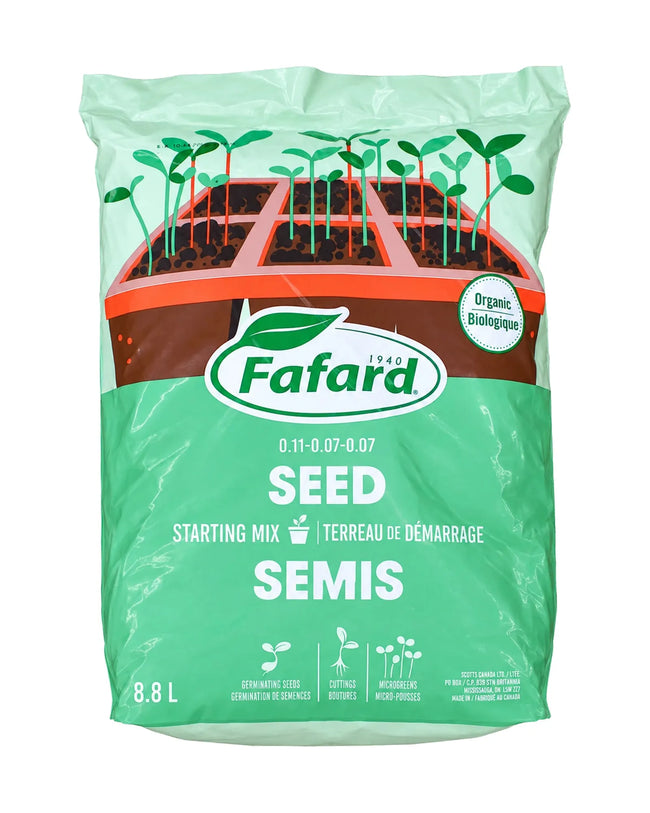
Seed Starting Soil
Shop the collectionSeed starting supplies
Shop the collection