


Sale
Sold out

Sprouting seeds
Poaceae
Wheatgrass Sprouting Seeds
Triticum aestivum
Product code : WESTO-0254
Wheatgrass develops bright green young blades for harvest from a clean growing tray. These seeds are intended for a young-growth harvest. Use the species-specific sprouting or microgreen method described on the packet. For tray growing, use a clean shallow tray and a suitable free-draining medium. If the packet specifies a rinsing method, follow its soaking, rinsing and draining directions. Keep the growing medium evenly moist without saturation, or rinse and drain according to the sprouting method you use. Avoid leaving the equipment standing in water. Cut the young wheatgrass blades above the growing medium at the stage indicated on the packet. Follow the packet preparation directions for the species and intended dish. Indoor batches can be started throughout the year in Canada; use the packet directions for the seed lot.
- Quantity
- 80 g
- Exposure
- Bright indirect light or grow lights
- Life cycle
- Harvested very young
Discover the plant
Common nameWheatgrass microgreens
FamilyPoaceae
GenusTriticum
Speciesaestivum
TypeSprouting seeds
Botanical nameTriticum aestivum
Wheatgrass Sprouting Seeds (Triticum aestivum) Wheatgrass develops bright green young blades for harvest from a clean growing tray. These seeds are sold for harvesting young growth using an appropriate sprouting or microgreen method.
Use the species-specific sprouting or microgreen method described on the packet. For tray growing, use a clean shallow tray and a suitable free-draining medium. If the packet specifies a rinsing method, follow its soaking, rinsing and draining directions. Keep the growing medium evenly moist without saturation, or rinse and drain according to the sprouting method you use. Avoid leaving the equipment standing in water. Provide the light and temperature recommended for the species on the packet. This is an indoor young-growth crop, so outdoor hardening and transplanting are not part of this harvest method. Indoor batches can be started throughout the year in Canada.
Cut young wheatgrass blades above the tray. Cut the young wheatgrass blades above the growing medium at the stage indicated on the packet. Follow the packet preparation directions for the species and intended dish. Keep equipment and tools clean, inspect each batch and remove deteriorating material. After harvest, clean the equipment before starting another batch. Keep unused seed cool, dry and clearly labelled.

Sowing guide
It all startswith a seed.
Sowing depth
Press onto the medium and cover lightly according to species
Spacing / density
Seeds about 3 to 6 mm apart depending on size
Germination temperature
About 24°C until germination, then near 16°C
Sowing period
Indoor batches throughout the year; follow the species-specific packet method.
Propagation
Seed
Growing method
Use the species-specific sprouting or microgreen method described on the packet. For tray growing, use a clean shallow tray and a suitable free-draining medium. If the packet specifies a rinsing method, follow its soaking, rinsing and draining directions. Keep the growing medium evenly moist without saturation, or rinse and drain according to the sprouting method you use. Avoid leaving the equipment standing in water. Follow the packet for sowing density, light and temperature. Do not harden or transplant this young-growth crop outdoors; it is harvested from its tray or sprouting equipment. Cut the young wheatgrass blades above the growing medium at the stage indicated on the packet. Follow the packet preparation directions for the species and intended dish. Keep equipment and tools clean, inspect each batch and remove deteriorating material. After harvest, clean the equipment before starting another batch. Label each batch so the seed type and sowing date are easy to track.
Soil and care
The right care,at the right time.
Watering
Manage moisture according to the method on the packet. For a tray-grown crop, mist gently or bottom-water as appropriate, keeping the medium evenly moist without saturation. For a rinsing sprout method, follow the species-specific soaking, rinsing and draining directions and drain the equipment thoroughly. Check the batch regularly and avoid pooled water. Use clean water and equipment, provide air circulation and harvest at the recommended young stage. Clean the equipment between batches.
Soil type
For tray-grown microgreens, use a clean, fine, free-draining potting or soilless medium appropriate to the species and packet method. Spread seed evenly, keep the medium moist without saturation and provide effective drainage and air circulation. For a rinsing sprout method, use suitable clean equipment and follow the packet directions for soaking, rinsing and draining; this method does not use garden soil. Keep the batch easy to inspect and harvest at the recommended young stage. Clean the equipment before starting another batch.
Fertilization
Follow the seed packet for any growing-medium or feeding directions specific to the species and method. A short young-growth batch is managed in clean sprouting equipment or an appropriate tray rather than as a mature vegetable bed. Use a suitable medium for tray-grown microgreens and keep it evenly moist without saturation. For a rinsing method, follow the packet and equipment directions. Keep equipment and tools clean, inspect the growth regularly and harvest at the recommended young stage. Clean the equipment before starting the next batch.
Container growing
A garden,within reach.
Use clean sprouting equipment or a shallow tray appropriate to the seed and packet directions.

Bloom and dimensions
Its place,in your garden.
Harvest
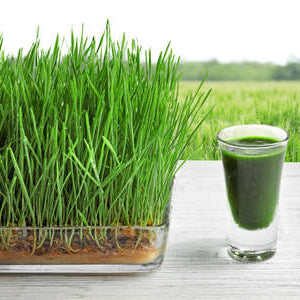
Cut young wheatgrass blades above the tray.
Garden associations
In goodcompany.
Other recommended plants
Mung Bean Sprouting; Soybean Sprouting; Buckwheat Sprouting
Frequently asked questions
Your questions,answered.
How should I grow wheatgrass?
Use the species-specific sprouting or microgreen method described on the packet. For tray growing, use a clean shallow tray and a suitable free-draining medium. If the packet specifies a rinsing method, follow its soaking, rinsing and draining directions. Keep the growing medium evenly moist without saturation, or rinse and drain according to the sprouting method you use. Avoid leaving the equipment standing in water. Follow the packet for sowing density, light and temperature. This is a crop for harvesting young growth from its tray or sprouting equipment; do not harden and transplant it outdoors as part of this method. Label each batch with the seed type and sowing date, inspect the growth regularly and use clean equipment. Indoor batches can be started throughout the year in Canada.
Where should I grow wheatgrass?
Choose a clean indoor area where the batch is easy to inspect and maintain. Use the light and temperature recommended for the species on the packet; a tray-grown microgreen crop and a rinsed sprout crop can have different requirements. Use the species-specific sprouting or microgreen method described on the packet. For tray growing, use a clean shallow tray and a suitable free-draining medium. If the packet specifies a rinsing method, follow its soaking, rinsing and draining directions. Make room for drainage and keep equipment accessible for moisture checks and harvesting. Indoor growing allows batches throughout the year in Canada without relying on outdoor frost dates.
How should I water wheatgrass?
Keep the growing medium evenly moist without saturation, or rinse and drain according to the sprouting method you use. Avoid leaving the equipment standing in water. Follow the species-specific packet instructions because a tray method and a rinsing method require different moisture management. If using a tray, check the medium; if using a rinsing method, drain thoroughly after each rinse. Keep equipment clean, inspect the growth regularly and avoid a saturated medium or pooled water.
What care does wheatgrass need?
Keep equipment and tools clean, inspect each batch and remove deteriorating material. After harvest, clean the equipment before starting another batch. Follow the packet for the species-specific method, light, temperature and harvest stage. Keep the growing medium evenly moist without saturation, or rinse and drain according to the sprouting method you use. Avoid leaving the equipment standing in water. Keep the batch identified so you can follow its progress from sowing to harvest. These young shoots are harvested directly from the tray or sprouting equipment; garden-row weeding, outdoor hardening and transplanting are not part of this method. Keep unused seed cool and dry.
When should I harvest wheatgrass?
Cut the young wheatgrass blades above the growing medium at the stage indicated on the packet. The exact stage depends on the species and method; follow the packet rather than waiting for mature roots, bulbs, pods or flowers. Follow the packet preparation directions for the species and intended dish. Use clean tools and fresh, healthy growth. Keep the harvested crop identified, handle it carefully and clean the equipment before starting another batch. Inspect the next sowing regularly and maintain moisture according to the method used.
For a great start to your seeds
The right extras.Right here.
Seed Starting Soil
Shop the collectionSeed starting supplies
Shop the collection





