

Sale
Sold out

Non-organic seeds, Treated seeds, coated seeds
Apocynaceae
Ornamental flowers seeds
Red Butterfly milkweed
Asclepias curassavica
Product code : 62-4356-010
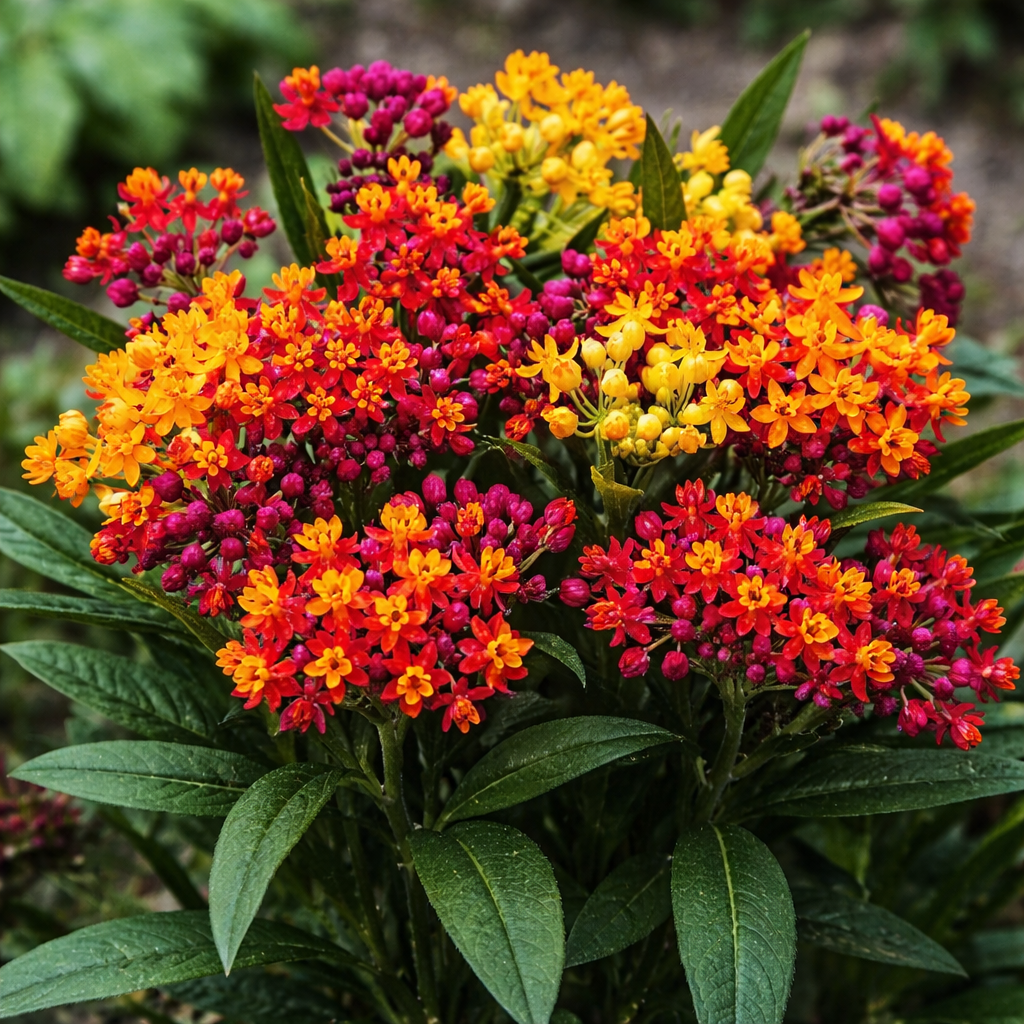
Red Butterfly milkweed is an upright, branched plant carrying scarlet-red and bright-yellow flower clusters visited heavily by butterflies and bees. It reaches 60 to 70 cm tall and spreads 30 to 60 cm. W.H. Perron packet 62-4356-010 contains approximately 100 bare seeds; it is not advertised as organic, and no other treatment is stated. Sow indoors ten weeks before planting at 21–24°C, then transplant after the last frost. Flowering runs from July through September. This zone-5 perennial is commonly grown as an annual in cold Canadian climates unless the soil drains exceptionally well through winter. Observe the plant weekly and adapt care to drainage, weather, and its actual stage.
- Quantity
- Approximately 100 seeds per packet
- Exposure
- Sun to partial shade; full sun preferred
- Life cycle
- Perennial
- Hardiness
- Zone 5
Discover the plant
Common nameRed Butterfly milkweed
FamilyApocynaceae
GenusAsclepias
Speciescurassavica
CultivarRed Butterfly
TypeNon-organic seeds, Treated seeds, coated seeds
Botanical nameAsclepias curassavica
Red Butterfly milkweed (Asclepias curassavica) forms an upright, branched plant bearing attractive bud clusters that open into scarlet-red and bright-yellow flowers. These colours draw butterflies, bees, and many other pollinators while providing useful stems for bouquets. Plants reach 60 to 70 cm high and spread 30 to 60 cm. W.H. Perron packet 62-4356-010 contains approximately 100 bare seeds. This format is not advertised as organic, and no coating or other treatment is stated. The official page classifies it as a zone-5 perennial, although it is often best treated as an annual in cold climates because winter survival requires exceptionally sharp drainage.
Sow indoors approximately ten weeks before outdoor planting, scheduled seven to ten days after the last ground frost. Use porous, well-drained seedling mix, maintain 21 to 24°C, and allow approximately 10 to 21 days for germination. Keep the medium lightly moist without saturation, then provide strong light for compact seedlings. Harden plants gradually before transplanting. In the garden, choose sun or partial shade and light, cool, perfectly drained soil. Poor soil is tolerated better than a constantly wet site because excessive moisture reduces vigour and compromises winter survival. Avoid disturbing roots during transplanting and label young plants clearly so they are not mistaken for edible herbs.
Red Butterfly blooms in its first year and usually carries colourful clusters from July through September. For floral arrangements, cut stems when flowers are two-thirds open. Remove fruits as soon as they form when continued bloom and limited self-sowing are priorities. In containers, place the plant in full sun after frost, then bring it into a cool, bright location such as a cold greenhouse or veranda in autumn. Wear gloves while pruning because milkweed sap may irritate skin, and do not eat any plant part. Observe monarch caterpillars and other beneficial visitors without unnecessary pesticide use. Dispose of trimmings where children, pets, and livestock cannot ingest them.

Sowing guide
It all startswith a seed.
Sowing depth
Cover lightly in porous seedling mix
Spacing / density
Space plants 30 to 60 cm apart according to the desired effect
Germination temperature
21 to 24°C
Germination time
10 to 21 days
Sowing period
Indoors 10 weeks before outdoor planting
Propagation
Seed
Growing method
For best results with Red Butterfly milkweed, follow the confirmed sowing information and observe growth at each stage. Red Butterfly milkweed is an ornamental flowers variety offered as seed for gardeners who want clear, practical product information. Confirmed details include maturity: Perennial; flowers in the first year, height: 60 to 70 cm, spread: 30 to 60 cm, colour: Scarlet red and bright yellow. The packet contains approximately 100 seeds, and the formulation is non-organic seeds, treated seeds, coated seeds. For best results, follow the sowing, light, and spacing information associated with this variety. You can adjust care to your soil, weather, and observed growth without exceeding the plant’s actual needs. Attractive clusters of buds opening to scarlet-red and bright yellow flowers that will attract butterflies and many pollinators. Ideal for introducing into naturalized areas and gardens for cut flowers. For flower arrangement, cut when the flowers are 2/3 open. The information printed on the packet remains the reference for depth, temperature, and timing associated with this seed lot. It is best to adapt care to your garden’s microclimate instead of following a fixed watering schedule in every situation. A suitable mulch can help stabilize moisture, reduce soil splash, and limit competition from weeds around established plants.
Soil and care
The right care,at the right time.
Soil pH
À confirmer — aucun pH précis indiqué par W.H. Perron
Minimum temperature
Protect from frost; zone-5 perennial only with perfect drainage
Care level
Easy; requires little attention
Watering
Keep seedling mix evenly moist during germination without saturating it. After transplanting, water deeply at soil level when the upper few centimetres dry. Reduce applications once roots establish because the plant tolerates relatively poor ground and drier periods. Avoid frequent shallow irrigation, full saucers, and splashing foliage. In containers or during heat waves, check moisture daily. Sharp drainage remains essential, especially if plants are expected to survive winter as perennials.
Soil type
Choose light, cool, perfectly drained soil. Red Butterfly tolerates poor ground but performs badly in standing water, especially through winter. In heavy soil, raise the planting area and incorporate coarse mineral material rather than excessive compost. Keep the crown level with the surface. In containers, use porous mix and always empty the saucer after watering. Reliable drainage matters more than high fertility, and saturated winter conditions greatly reduce the chance of perennial survival.
Fertilization
A moderate incorporation of mature compost at planting is generally sufficient. Overly rich soil may create soft growth instead of sturdy stems. In containers, apply diluted balanced fertilizer early in growth if needed, then avoid excessive nitrogen. Observe leaf colour and vigour before feeding again. Never add fertilizer to bone-dry mix, and water afterward according to the product label. Poor soil is tolerated, so routine heavy feeding is unnecessary and may complicate plant management.
Moisture
Consistent during establishment, then low to moderate
Seasonal care
Seasonal care for Red Butterfly milkweed relies on regular observation, measured intervention, and respect for its growth cycle. Red Butterfly milkweed is an ornamental flowers variety offered as seed for gardeners who want clear, practical product information. Confirmed details include maturity: Perennial; flowers in the first year, height: 60 to 70 cm, spread: 30 to 60 cm, colour: Scarlet red and bright yellow. The packet contains approximately 100 seeds, and the formulation is non-organic seeds, treated seeds, coated seeds. For best results, follow the sowing, light, and spacing information associated with this variety. You can adjust care to your soil, weather, and observed growth without exceeding the plant’s actual needs. Attractive clusters of buds opening to scarlet-red and bright yellow flowers that will attract butterflies and many pollinators. Ideal for introducing into naturalized areas and gardens for cut flowers. For flower arrangement, cut when the flowers are 2/3 open. The information printed on the packet remains the reference for depth, temperature, and timing associated with this seed lot. It is best to adapt care to your garden’s microclimate instead of following a fixed watering schedule in every situation. A suitable mulch can help stabilize moisture, reduce soil splash, and limit competition from weeds around established plants. Growth is worth checking after major changes in temperature, light exposure, rainfall, or watering frequency.
Container growing
A garden,within reach.
Recommended pot size
Large pot at least 30 cm deep with unrestricted drainage
Red Butterfly milkweed can be considered for a container when volume, drainage, and light match the expected growth. Red Butterfly milkweed is an ornamental flowers variety offered as seed for gardeners who want clear, practical product information. Confirmed details include maturity: Perennial; flowers in the first year, height: 60 to 70 cm, spread: 30 to 60 cm, colour: Scarlet red and bright yellow. The packet contains approximately 100 seeds, and the formulation is non-organic seeds, treated seeds, coated seeds. For best results, follow the sowing, light, and spacing information associated with this variety. You can adjust care to your soil, weather, and observed growth without exceeding the plant’s actual needs. Attractive clusters of buds opening to scarlet-red and bright yellow flowers that will attract butterflies and many pollinators. Ideal for introducing into naturalized areas and gardens for cut flowers. For flower arrangement, cut when the flowers are 2/3 open. The information printed on the packet remains the reference for depth, temperature, and timing associated with this seed lot. It is best to adapt care to your garden’s microclimate instead of following a fixed watering schedule in every situation. A suitable mulch can help stabilize moisture, reduce soil splash, and limit competition from weeds around established plants.

Bloom and dimensions
Its place,in your garden.
Mature height
60 to 70 cm (23.6 to 27.6 in.)
Width / spread
30 to 60 cm (11.8 to 23.6 in)
Flower color
Scarlet red and bright yellow
Foliage color
Medium green
Foliage type
Narrow, lance-shaped foliage, persistent only in frost-free conditions
Growth rate
Fast
Growth habit
Upright, branched, and bushy
Fragrance
No pronounced fragrance stated
Bloom period
Scarlet-red and bright-yellow clusters generally open from July through September and attract butterflies, bees, and other pollinators. Plants can bloom in their first year. Cut stems for arrangements when flowers are two-thirds open. Remove fruits as they form to support additional buds and limit self-sowing. Leave enough flowers in the garden for visiting insects, and avoid broad-spectrum pesticides while caterpillars or active pollinators are present.
Days to maturity
Perennial; flowers in the first year
Garden associations
In goodcompany.
Companion plants
Pair Red Butterfly with zinnia, cosmos, verbena, salvia, rudbeckia, and grasses that share its preference for sun and drained soil. Choose several bloom periods to provide nectar before and after July through September. Preserve enough space to observe caterpillars and reach fruits for removal. Avoid companions requiring constantly wet soil because milkweed needs sharp drainage. Plant associations do not replace observation, control of self-sowing, or care with irritating sap. Keep edible crops clearly separated so no plant part is harvested by mistake.
Frequently asked questions
Your questions,answered.
When and how should Red Butterfly be sown?
Sow indoors approximately ten weeks before outdoor planting. Use porous mix, cover lightly, and maintain 21 to 24°C. Germination takes 10 to 21 days. Provide strong light after emergence, water without saturation, and retain one vigorous seedling per cell. Harden gradually, then transplant seven to ten days after the last ground frost. Choose sun or partial shade and light, cool, perfectly drained soil. Label seedlings to prevent confusion with edible plants. Wear gloves if a stem breaks because milky sap may irritate skin. Keep trays and plants beyond the reach of children and animals. Observe the plant weekly and adapt care to drainage, weather, and its actual stage.
Is the packet organic or treated?
W.H. Perron packet 62-4356-010 contains approximately 100 seeds. Its official formulation is bare, meaning that no coating is stated. This product is not advertised as organic, and the supplier does not mention any other seed treatment. The word approximately matters because the quantity is a commercial estimated count. Before sowing, keep the packet tightly closed in a cool, dry, dark location. Always verify the product code when storing several milkweed varieties because quantity, cultivar, and formulation can differ between packets and formats. Use clean hands and tools when handling the seeds, then close the packet promptly if some seeds remain for a later sowing.
Will this milkweed return every year?
W.H. Perron classifies Red Butterfly as a zone-5 perennial but explains that winter survival requires perfectly drained soil and recommends treating it as an annual to avoid disappointment. In cold Canada, return therefore depends heavily on microclimate, snow, low temperatures, and especially the absence of standing water. A potted plant can be moved into a cool, bright location in autumn. Never promise guaranteed regrowth. Wait until spring before concluding that a plant is dead, then replace it if no healthy new shoot appears. Do not disturb the crown repeatedly while checking. Observe the plant weekly and adapt care to drainage, weather, and its actual stage.
Can Red Butterfly milkweed be grown in a container?
Red Butterfly milkweed can be grown in a container when the pot provides effective drainage and enough volume for expected growth. Red Butterfly milkweed is an ornamental flowers variety offered as seed for gardeners who want clear, practical product information. Confirmed details include maturity: Perennial; flowers in the first year, height: 60 to 70 cm, spread: 30 to 60 cm, colour: Scarlet red and bright yellow. The packet contains approximately 100 seeds, and the formulation is non-organic seeds, treated seeds, coated seeds. For best results, follow the sowing, light, and spacing information associated with this variety. You can adjust care to your soil, weather, and observed growth without exceeding the plant’s actual needs.
Can it be grown in a container?
Yes. Use a stable pot at least 30 cm deep with several holes and porous mix. Transplant after frost, place in full sun, water until excess drains, then empty the saucer. Rotate the container for even growth and remove fruits to extend bloom. Wear gloves when pruning. Before severe frost, move the pot into a cool, bright veranda or cold greenhouse. Reduce watering without allowing roots to dry completely. Always keep the plant beyond the reach of children and animals because it is not edible. Inspect regularly for pests and standing water throughout indoor storage. Observe the plant weekly and adapt care to drainage, weather, and its actual stage.
Wildlife and pets
Life,around your plants.
Supporting wildlife
Red Butterfly milkweed is associated with pollinators or useful garden wildlife in confirmed information; visits vary with flowering and local conditions. Red Butterfly milkweed is an ornamental flowers variety offered as seed for gardeners who want clear, practical product information. Confirmed details include maturity: Perennial; flowers in the first year, height: 60 to 70 cm, spread: 30 to 60 cm, colour: Scarlet red and bright yellow.
For a great start to your seeds
The right extras.Right here.
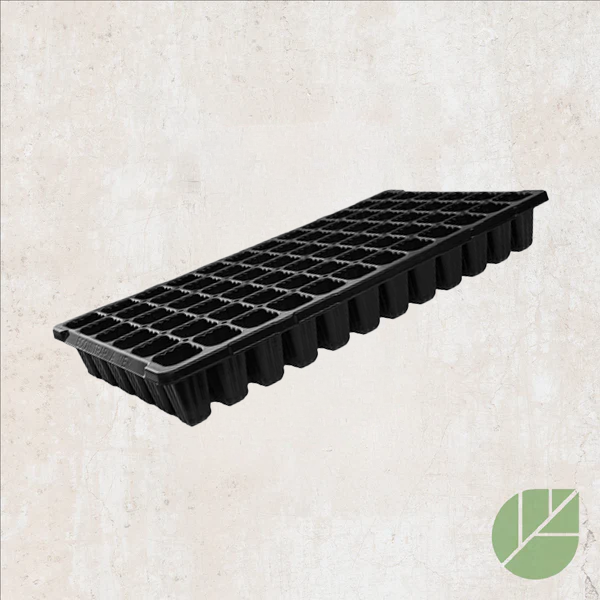
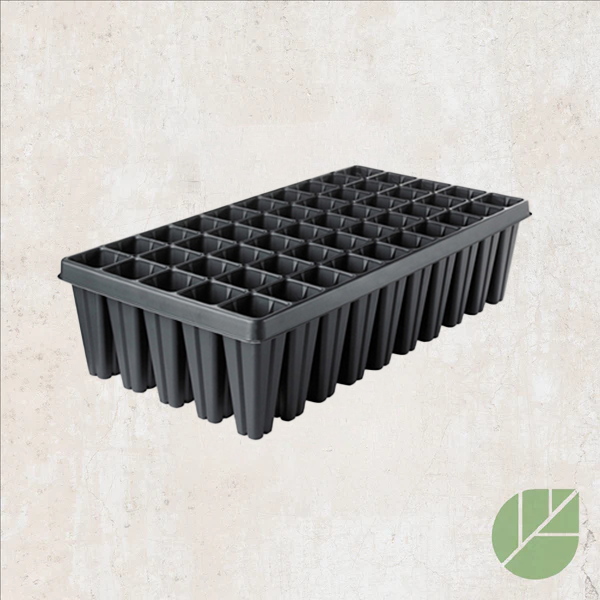
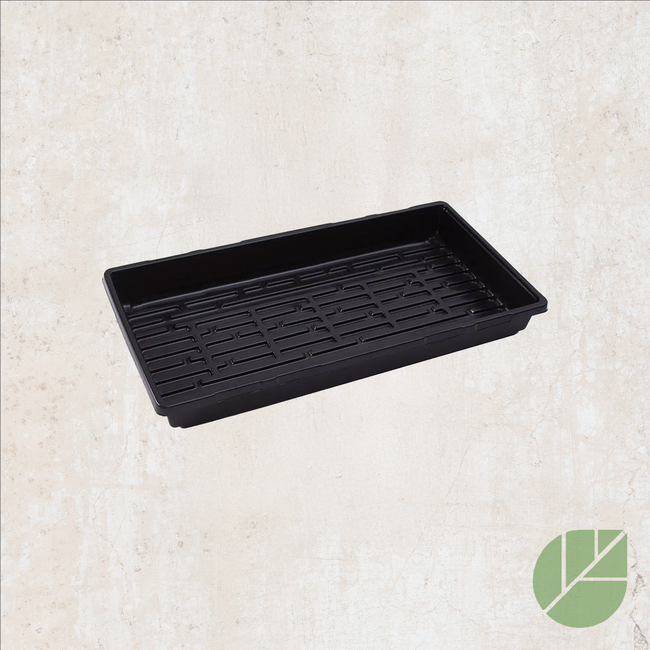
Platters, pots and domes
Shop the collection
Seed Starting Soil
Shop the collectionSeed starting supplies
Shop the collection




