

Sale
Sold out

Non-organic seeds, Untreated seeds, coated seeds
Amaranthaceae
Garden vegetables seeds
Untreated ‘Celebration’ multicolour Swiss chard
Beta vulgaris
Product code : 65-1054-01N
This W.H. Perron Celebration Swiss chard contains approximately 125 untreated seeds and produces a selection of deep red without rings leafy leaves and petioles. Maturing in 62 days, it creates colourful harvests without requiring several packets. Swiss chard prefer full sun, light loose soil, and consistent moisture. In Canada, they can be direct-sown from May to early July, then thinned so each leaf has room to develop. Tender young leaves are suitable for salads, while larger greens can be cooked like spinach. leaves and petioles harvested before they become oversized remain tender and work equally well roasted, pickled, or served fresh. It is a practical, attractive choice for beds and containers.
- Quantity
- Approximately 125 seeds per packet
- Exposure
- Full sun
- Life cycle
- Annual
Discover the plant
Common nameUntreated ‘Celebration’ multicolour Swiss chard
FamilyAmaranthaceae
GenusBeta
Speciesvulgaris
CultivarCelebration Multicolour
TypeNon-organic seeds, Untreated seeds, coated seeds
Botanical nameBeta vulgaris
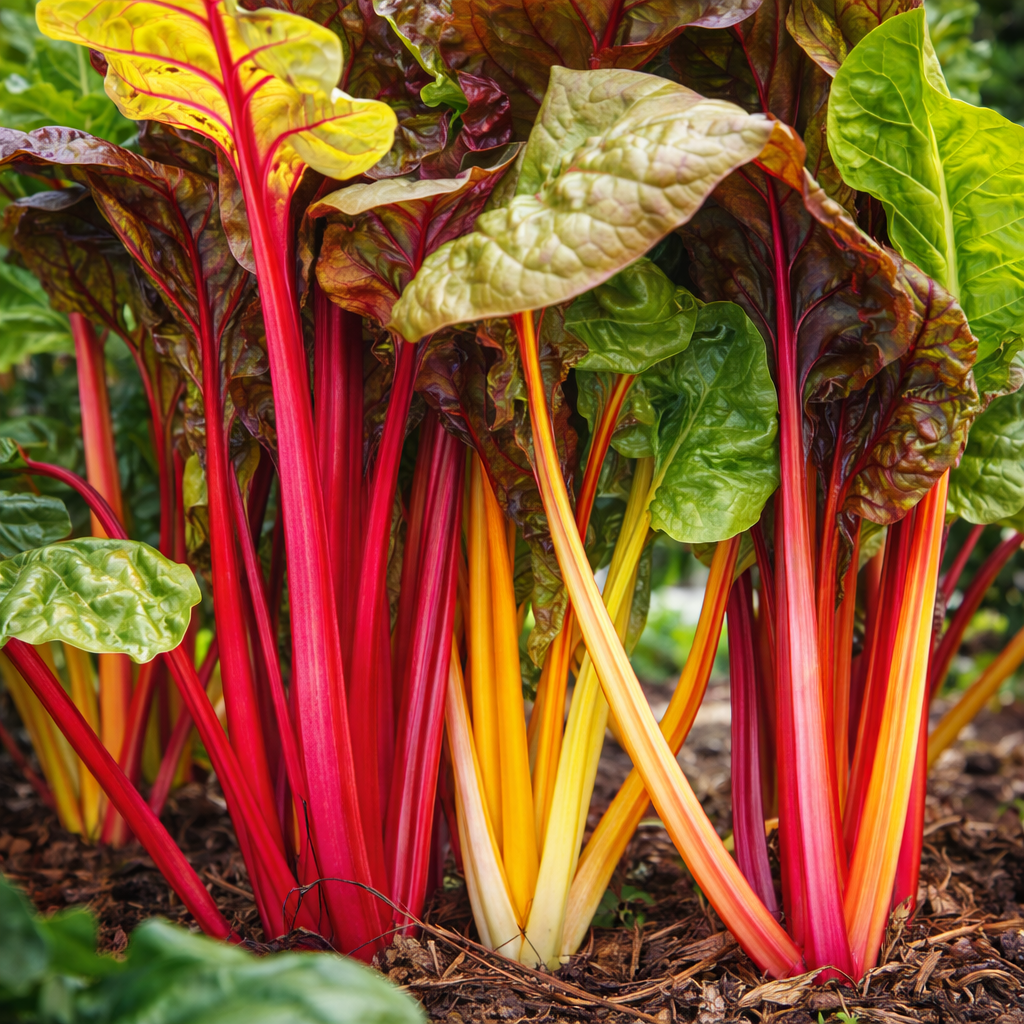
Untreated ‘Celebration’ multicolour Swiss chard (Beta vulgaris) produces a high percentage of red, yellow, orange, and pink petioles with very few white stems. Dark-green savoyed leaves create vivid contrast in gardens, containers, and recipes. Packet 65-1054-01N contains approximately 125 untreated seeds. The product is not advertised as organic and carries no official F1 hybrid designation. Plants reach approximately 55 cm and mature around 62 days after sowing, while progressive harvest of young outer leaves can begin earlier. The multicoloured stems make each planting ornamental enough for visible edible beds while remaining useful as a dependable leafy vegetable.
Direct-sow early in the season in rich, loose, well-prepared soil under a sunny exposure. Space rows 45 cm apart and thin seedlings to 30 cm within the row so every rosette receives sufficient light and airflow. Swiss chard is low maintenance and tolerates heat well, but it strongly dislikes drought. Water deeply at soil level, especially during hot weather, preferably in the morning or late in the day. Organic mulch helps retain moisture, limits soil fluctuations, and keeps leaves cleaner. Avoid keeping the crown constantly saturated, remove damaged leaves promptly, and monitor young plants while they establish vigorous new foliage.
For continuous harvest, cut outer leaves first with a clean tool while leaving the centre intact. Continue as long as healthy new leaves develop. Tender young leaves can be eaten bare, while large blades and their petioles may be cooked separately or together much like spinach. The colours add a decorative accent to sautés, soups, and side dishes; brief cooking better preserves texture. W.H. Perron presents Swiss chard as a source of vitamins and lists beans, cabbage, and onion as companions. Keep cucumber, corn, melon, and potato away. Cool harvested leaves promptly, store them refrigerated, and use them fresh before they wilt or lose their bright appearance.

Sowing guide
It all startswith a seed.
Sowing depth
1 cm
Spacing / density
Thin to 8 cm; space rows 30 to 40 cm apart
Germination temperature
10 to 25°C
Germination time
5 to 12 days depending on temperature and moisture
Sowing period
Direct sow from May to early July; mid-June for a fall harvest
Propagation
Seed
Growing method
Loosen the garden soil to at least 20 to 25 cm and remove stones, hard clods, and debris that could distort the leaves and petioles. Work in mature compost or thoroughly aged manure without overloading the bed with nitrogen. Beginning in May, make shallow furrows in full sun and place seeds 1 cm deep. Keep rows 30 to 40 cm apart. Maintain surface moisture until emergence, generally within one to two weeks depending on temperature. Swiss chard “seeds” are commonly seed clusters that can produce more than one seedling, so thin carefully once the first true leaves appear, leaving one plant every 8 cm. Snip extras at soil level to avoid disturbing neighbouring leaves and petioles. Water regularly throughout leaf development, especially when rainfall is limited. A light mulch applied after thinning helps stabilize moisture and suppress weeds. For an extended harvest, repeat a small sowing every two weeks until early July. Pull leaves and petioles at half size for exceptional tenderness or allow them to reach the preferred diameter, but do not leave them until they become oversized and woody. If gaps remain after emergence, resow only the empty spaces instead of making the entire row too dense.
Soil and care
The right care,at the right time.
Soil pH
6.0 or higher
Minimum temperature
Tolerates cool temperatures; protect from hard frost
Care level
Easy
Watering
Keep the soil evenly moist from sowing through harvest without saturating it. Water deeply when the surface begins to dry, and monitor more often in containers or hot weather. A long dry spell followed by heavy rain may result in hard, woody, or less colourful leaves and petioles; consistency matters more than occasional very heavy watering. Apply water to the soil rather than the foliage, and check moisture a few centimetres below the surface before watering again.
Soil type
Celebration prefers rich, loose, deep, well-prepared soil. Incorporate mature compost before sowing to support continued production of leaves and petioles. Drainage should be effective while retaining consistent moisture because Swiss chard tolerates heat but suffers during drought. Avoid compacted ground and standing water. A layer of mulch after thinning helps maintain moisture and limit weeds. Water deeply at the base, preferably in the morning, without repeatedly wetting foliage or saturating the root zone.
Fertilization
Before sowing, incorporate a moderate layer of mature compost or fully decomposed manure. Already fertile soil needs little additional fertilizer. Avoid high-nitrogen feeding, which encourages abundant leaves at the expense of leaves and petioles. If growth becomes pale, use a balanced vegetable fertilizer sparingly, then water to distribute the nutrients through the leaf zone. Never apply fresh manure immediately before sowing, because overly aggressive fertility may reduce leaf quality and interfere with even leaf formation. overall Record the date and amount of every application so vigorous foliage is supported without unnecessary excess.
Moisture
Consistent moisture without standing water
Seasonal care
In spring, wait until the soil can be worked, then loosen it, remove stones, and incorporate mature compost. Sow beginning in May and keep furrows moist until emergence. Thin promptly to 8 cm once true leaves appear; clean, healthy thinnings may be used as young greens. Weed by hand or with a shallow hoe so developing leaves and petioles are not injured. In summer, check moisture several times each week, especially in sandy soils and containers. Make succession sowings every two weeks until early July to avoid one large harvest. Monitor foliage and remove badly damaged leaves while retaining enough leaf area to feed the leaves and petioles. Harvest progressively as Swiss chard reach the desired size. In fall, lift the final leaves and petioles before a deep freeze; trim tops while leaving a short stem if the leaves and petioles will be stored, then keep clean, uninjured Swiss chard in cool conditions. During winter, empty and clean containers, record which colours were preferred, and plan crop rotation. Avoid planting Swiss chard or closely related crops in exactly the same spot immediately the following season. Inspect plants regularly after rainy periods and keep rows open to airflow through the recommended spacing. Discard diseased debris instead of composting it. Once leaves and petioles are in storage, check them periodically and remove any that soften so the remainder of the harvest keeps well. throughout storage
Container growing
A garden,within reach.
Recommended pot size
Drained container leaving the plant a spread of approximately 20 to 30 cm (8 to 12 in.).
Its dark green, curly leaves provide a sharp contrast in the vegetable garden, in containers, and in dishes. In summer, check moisture levels several times a week, especially in sandy soils and containers. In winter, empty and clean containers, note the most popular colors, and plan a rotation: avoid replanting Swiss chard or other chenopods in the same spot immediately. Water deeply when the surface begins to dry and increase monitoring in containers or during hot periods. In urban gardens, a large planter in the sun allows for productive cultivation close to the kitchen. The foliage of this variety occupies approximately 20 to 30 cm (8 to 12 in); leave this width available around the container instead of crowding several plants against its edge. Place the container of this variety in this exposure: sun, checking the light received throughout the day. Germination generally takes 5 to 12 days depending on temperature and humidity in soil kept at 10 to 25 °C. The sowing schedule for this variety is as follows: direct sowing from May to early July; mid-June for an autumn harvest.

Bloom and dimensions
Its place,in your garden.
Mature height
55 cm (21.7 in)
Width / spread
About 20 to 30 cm (8 to 12 in.)
Flower color
Greenish
Foliage color
Dark-green savoyed leaves; red, yellow, orange, and pink petioles, very few white
Foliage type
Rosette of broad leaves with coloured petioles
Growth rate
Fast
Growth habit
Compact rosette above a leafy leaf
Bloom period
Harvest before bolting; flowering normally occurs in the second year after a cold period. Swiss chard are botanically biennial but are grown as annuals for their leaves and petioles and leaves. Prolonged exposure to cold can sometimes encourage premature bolting. Remove plants that develop a flower stalk, because their leaves and petioles quickly lose tenderness and culinary quality once reproductive growth begins. and flavour at harvest time
Fruiting
Plants grow to approximately 55 cm and mature around 62 days after sowing, allowing for an earlier, progressive harvest of young outer leaves. For continuous harvesting, first cut the outer leaves with a clean tool, leaving the heart intact. Young leaves can be eaten raw, while larger leaves and their petioles can be cooked separately or together like spinach.
Days to maturity
Approximately 62 days after sowing
Harvest
Outer leaves and multicoloured petioles; indicative maturity 62 days after sowing
Garden associations
In goodcompany.
Companion plants
Garlic and cabbage according to W.H. Perron. Use this guidance when arranging rows while preserving enough space and sun for every crop. Companion planting does not replace rotation, well-prepared soil, or regular observation. Prevent tall vegetables from shading young Swiss chard or several leaf systems from crowding a narrow area. Keep easy access for thinning, watering, airflow, and inspection of every developing leaf. Rotate vegetable families between seasons, remove diseased debris promptly, and keep the Swiss chard row free of weeds that compete for moisture. Keep all companion plants far enough away that Swiss chard leaves and petioles still receive full light, steady moisture, and room for harvest.
Recipe idea
From the gardento your plate.
Edible parts
leaves and petioles and leaves
Prepare a skillet of Celebration Swiss chard with garlic and lemon. Harvest eight healthy large leaves, rinse, then separate multicoloured petioles from the blades. Cut petioles into 1 cm pieces and slice the leaves. Heat one tablespoon oil in a large skillet, add petioles, and cook for four to five minutes. Stir in one minced garlic clove, then add the still-damp leaves. Cover for two minutes, uncover, and continue until tender. Add one teaspoon lemon juice, pepper, and a small pinch of salt. Serve immediately with grains, fish, poultry, or legumes. To preserve more colour, avoid excessive cooking. Use a clean board, refrigerate leftovers within two hours, and consume promptly. Tender leaves set aside from the harvest may be added bare to a salad the following day. Reserve several tender petioles, slice them very thinly, and add them bare as a final garnish to emphasize the colour contrast. Taste before serving and adjust lemon only if necessary, because the leaves should remain the central flavour.
Frequently asked questions
Your questions,answered.
When should this Swiss chard cultivar be sown in Canada?
Direct-sow beginning in May once the soil can be worked, and continue through early July. W.H. Perron also suggests a mid-June sowing for a fall harvest. To prevent all leaves and petioles from maturing at once, sow a short row every two weeks. Place seeds 1 cm deep and keep the soil moist until emergence. Swiss chard appreciate cool conditions and uninterrupted growth. Protect very early seedlings from hard frost and do not wait for peak summer heat to begin, since drought and large moisture swings can toughen the leaves and petioles. A light mulch after thinning helps maintain the even conditions that produce the best texture.
How many seeds are in the packet, and are they untreated?
W.H. Perron packet 65-1054-01N contains approximately 125 seeds. The official formulation is untreated, and Norseco confirms the untreated 125-seed format. No coating or other treatment is stated, and the product is not advertised as organic. Keep the packet closed in a cool, dry place until sowing, then retain its label with your growing notes. Celebration is a multicoloured blend: one seed does not produce several colours, but individual plants may develop red, yellow, orange, pink, or occasional white petioles according to the batch composition. Always verify the code and count printed on the package received because another commercial format may have a different quantity or formulation. Photographing the label provides useful traceability.
Why can several seedlings emerge from one spot?
What is commonly called one Swiss chard seed is often a seed cluster that may contain more than one embryo. It is therefore normal to see two or more seedlings emerge very close together. Wait until the first true leaves appear, then thin to keep the strongest plant every 8 cm. Snip the others at soil level instead of pulling sharply, which could disturb the leaf being retained. Removed young greens may be eaten if they are healthy and clean. Proper thinning reduces competition for water, light, and nutrients and gives each Swiss chard enough room to form a leafy, even leaf rather than remaining small or becoming misshapen.
How can hard or woody leaves and petioles be prevented?
Encourage fast, uninterrupted growth. Prepare light, loose, stone-free soil and maintain consistent moisture from sowing until harvest. A long drought followed by heavy rain stresses the crop and may produce tougher leaves and petioles with poorer colour. Water deeply when the surface dries and apply a light mulch after thinning. Keep the recommended 8 cm spacing to reduce competition. Harvest when leaves and petioles reach the preferred diameter rather than allowing them to become oversized. Swiss chard are especially tender at about half their mature size. Also avoid excessive nitrogen, which promotes abundant foliage without improving leaf quality. Regular care is more effective than trying to correct severe dryness with one very heavy watering.
Can this cultivar be grown in a container?
Yes. Use a planter at least 25 to 30 cm deep and preferably holding 30 L or more, with several drainage holes. Fill it with loose vegetable potting cultivar enriched with compost. Sow 1 cm deep, place the container in full sun, and thin seedlings to 8 cm apart. Because potting cultivar dries faster than garden soil, check moisture daily during hot weather. Water until excess drains, then empty the saucer. A thin mulch slows evaporation. Harvest progressively to release space for neighbouring leaves and petioles, and avoid shallow pots that restrict leafy leaf development. A large container also makes it easier to stagger two sowings and extend the harvest.
Wildlife and pets
Life,around your plants.
Supporting wildlife
Untreated ‘Celebration’ multicolour Swiss chard is associated with pollinators or useful garden wildlife in confirmed information; visits vary with flowering and local conditions. Untreated ‘Celebration’ multicolour Swiss chard is a garden vegetables variety offered as seed for gardeners who want clear, practical product information. Confirmed details include maturity: Approximately 62 days after sowing, height: Approximately 55 cm, spread: Approximately 20 to 30 cm (8 to 12 in).
For a great start to your seeds
The right extras.Right here.
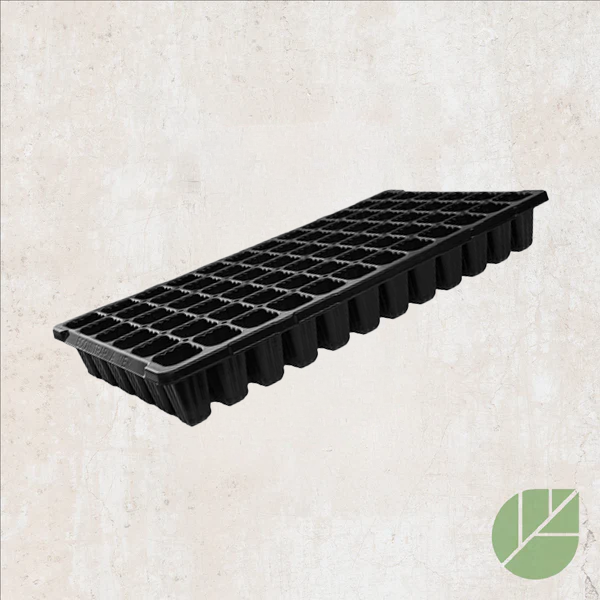
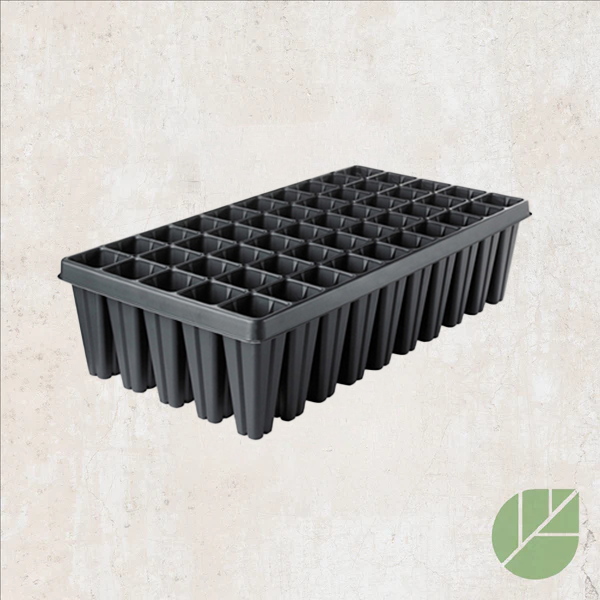
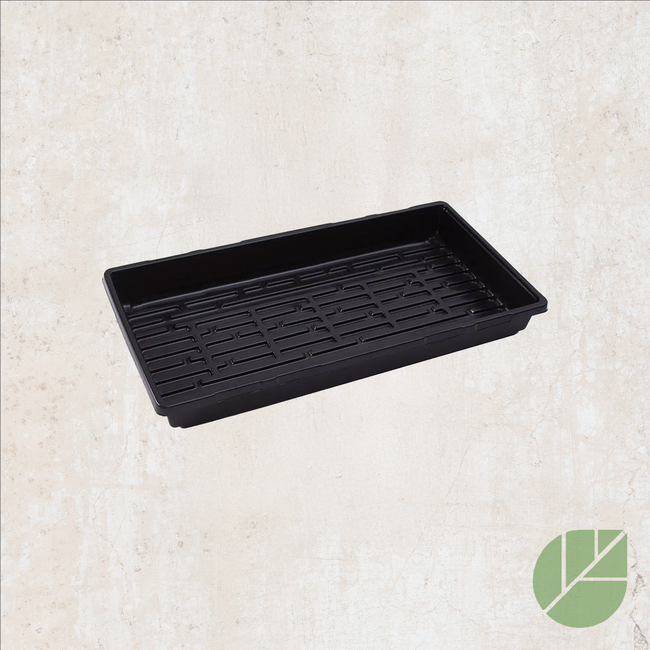
Platters, pots and domes
Shop the collection
Seed Starting Soil
Shop the collectionSeed starting supplies
Shop the collection




