Sale
Sold out

Non-organic seeds, Untreated seeds, F1 hybrid, coated seeds
Brassicaceae
Garden vegetables seeds
Untreated ‘Purple Magic’ F1 broccoli
Brassica oleracea var. italica
Product code : 65-1490-01N
Untreated ‘Purple Magic’ F1 broccoli has confirmed characteristics that help you plan its placement and cultivation. Untreated ‘Purple Magic’ F1 broccoli is a garden vegetables variety offered as seed for gardeners who want clear, practical product information. Confirmed details include maturity: Approximately 90 days after transplanting, height: Approximately 45 to 75 cm depending on conditions, spread: Approximately 30 to 45 cm. The packet contains approximately 75 seeds, and the formulation is non-organic seeds, untreated seeds, f1 hybrid, coated seeds. For best results, follow the sowing, light, and spacing information associated with this variety. You can adjust care to your soil, weather, and observed growth without exceeding the plant’s actual needs.
- Quantity
- Approximately 75 seeds per packet
- Exposure
- Full sun
- Life cycle
- Annual
Discover the plant
Common nameUntreated ‘Purple Magic’ F1 broccoli
FamilyBrassicaceae
GenusBrassica
Speciesoleracea var. italica
CultivarPurple Magic F1
TypeNon-organic seeds, Untreated seeds, F1 hybrid, coated seeds
Botanical nameBrassica oleracea var. italica
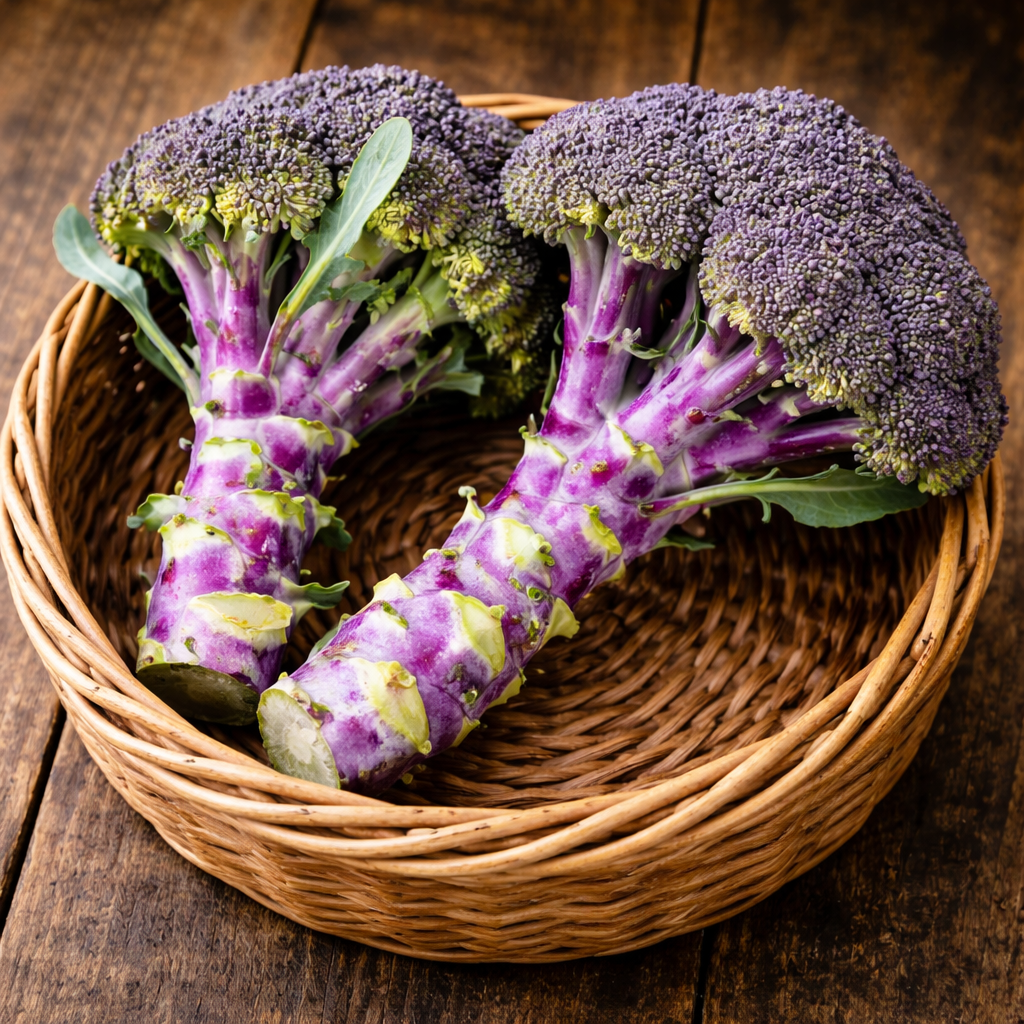
Untreated ‘Purple Magic’ F1 broccoli (Brassica oleracea var. italica) is introduced as the world’s first broccoli with both purple stems and a purple head. Its large domed crowns weigh approximately half a kilogram and contain high levels of anthocyanins, plant pigments in the flavonoid family. W.H. Perron also describes it as sweeter than green broccoli and adapted to all regions. Packet 65-1490-01N contains approximately 75 untreated F1 hybrid seeds. The product is not advertised as organic. A 2024 All-America Selections winner, it matures approximately 90 days after transplanting and is intended mainly for spring and fall harvests.
Start indoors four to five weeks before the last frost, approximately 6 mm deep in clean, drained mix, or direct-sow in the garden in early May. Harden plants before setting them out seven to ten days after the last ground frost. Prepare loose, organic-rich soil that retains moisture without remaining saturated. Space plants 30 to 45 cm apart in rows 45 to 60 cm apart in full sun. Mulch and regular irrigation support crown formation. Use measured nitrogen according to soil needs and follow strict brassica rotation to limit disease. Protect young foliage from caterpillars with well-fitted physical mesh when necessary.
Harvest when the purple crown is firm, tight, and well domed, before buds open. Cut low on the stalk with a clean knife; smaller secondary heads may then develop according to plant vigour. Cool the harvest immediately. Purple colour may soften during cooking, so use brief steaming, quick sautéing, or serve small florets bare when presentation matters. W.H. Perron lists dill, beet, cucumber, pickling cucumber, strawberry, mint, oregano, rosemary, and thyme as companions; keep sage, tomato, and zucchini away. Inspect foliage regularly, maintain moisture, and remove diseased debris after the season. Record head weight and harvest date to compare the listed half-kilogram size.

Sowing guide
It all startswith a seed.
Sowing depth
Approximately 6 mm
Spacing / density
Plants 30–45 cm apart; rows 45–60 cm apart
Germination temperature
18 to 24°C
Germination time
5 to 10 days depending on temperature
Sowing period
Indoors 4 to 5 weeks before last frost; direct sowing in early May; successions possible for spring and fall
Propagation
Seed
Growing method
Start indoors four to five weeks before the last frost in clean, drained mix, approximately 6 mm deep. Keep moist and provide bright light after emergence. Harden plants gradually, then transplant seven to ten days after the last ground frost. Direct sowing in early May is also possible. Prepare loose, organic-rich soil that holds moisture. Space plants 30 to 45 cm apart and rows 45 to 60 cm apart in full sun. Water regularly, mulch, and use nitrogen-containing fertilizer according to soil needs. Monitor caterpillars and disease promptly. Harvest the firm crown before buds open, cut low, then pick smaller secondary heads every two or three days. Rotate brassicas and remove diseased debris. Label successions and record the first-crown date separately from later shoots. Watch buds closely as 90 days approaches because a head may loosen quickly in heat. Cut with a sanitized knife and cool the harvest. After cutting, water at soil level and keep mulch away from the stem. Guide shoots outward for airflow and access. If a plant shows unusual wilt or rot, remove it with its debris. Weigh crown and secondary shoots separately. Continue inspections until production stops, then clean tools and document total yield from every succession.
Soil and care
The right care,at the right time.
Soil pH
6.0 to 7.5
Minimum temperature
Hardened seedlings tolerate light frost; avoid severe freezes
Care level
Moderate
Watering
Maintain even moisture from sowing through the final smaller secondary heads. Water deeply at soil level when the surface begins to dry, especially during heat and head formation. Water stress may reduce crown size and speed bud opening. Avoid standing water and wet foliage in the evening. Mulch limits evaporation and stabilizes soil. Check moisture beneath mulch before every application, then record rainfall to prevent excessive automatic irrigation. Continue regular water after the first cut so secondary shoots remain tender.
Soil type
Purple Magic prefers deep, loose, fertile soil enriched with mature organic matter. Drainage should be effective while retaining consistent moisture during rapid growth. Incorporate well-decomposed compost before planting and avoid working waterlogged ground. Moderate nitrogen supports foliage and continued side-shoot production, but excess feeding can unbalance growth. Apply mulch after establishment to stabilize moisture and limit weeds. Maintain a workable soil structure around roots and avoid repeated cultivation that may damage the shallow feeder-root system.
Fertilization
Incorporate mature compost before planting. Rapidly growing broccoli responds to nitrogen, but apply it according to a soil test or product directions. Balanced feeding at establishment followed by a light application after establishment or the first cut may support regrowth. Keep fertilizer away from stems, water after application, and do not feed dry or saturated soil. Excess nitrogen produces excessive leaves and may delay the head. Record every application to prevent duplication and compare response among successions.
Moisture
Consistent, especially after transplanting and during head formation
Seasonal care
In spring, prepare soil and start seed four to five weeks before the last frost. Harden plants, transplant after frost, and protect temporarily from wind or insects with mesh. Remove protection that compresses foliage. In early summer, mulch, water regularly, and inspect leaf undersides. Weed shallowly and support leaning plants without tightening stems. Harvest the first crown as soon as it is firm. Through summer and fall, continue watering and pick smaller secondary heads frequently to keep them tender. Remove opened or yellowing buds. After the final harvest, pull plants, discard diseased tissue, and clean tools. Do not immediately plant another brassica in the same place. Record sowing, transplanting, crown, and last-shoot dates to measure the full yield period. Store clean mesh dry before reuse. After every cut, inspect the wound and avoid watering it directly. Collect yellow leaves that block airflow without removing healthy foliage. During heat, increase moisture checks. In fall, protect the last shoots briefly only while quality remains good. Weigh every harvest in a clean crate and add secondary shoots to the crown total. Before winter, confirm mulch and diseased roots are removed and write down the next family planned in rotation. Review insect notes and replace damaged mesh before storing it dry. Also record losses, likely causes, actual weather, and any intervention so later successions can be compared fairly.
Container growing
A garden,within reach.
Recommended pot size
Drained container, allowing the plant to spread approximately 30 to 45 cm.
Water regularly, mulch, and fertilize with nitrogen as needed by the soil. The foliage of this variety occupies about 30 to 45 cm; leave this width available around the container instead of placing several plants close to its edge. Place the container of this variety in this exposure: full sun, checking the light received throughout the day. Germination generally takes 5 to 10 days depending on the temperature in soil maintained at 18 to 24 °C. The sowing schedule for this variety is as follows: indoors 4 to 5 weeks before the last frost; direct sowing in early May; possible successions for spring and fall. For this variety, respect this sowing depth: about 6 mm. To install this variety, first choose a location corresponding to its exposure: full sun. Broccoli prefers loose, well-prepared soil that retains moisture well. It is recommended to use a fertilizer that includes nitrogen and to maintain good watering. It is essential to practice crop rotation to prevent diseases. The packet contains 75 seeds to start your planting.

Bloom and dimensions
Its place,in your garden.
Mature height
Approximately 45 to 75 cm depending on conditions
Width / spread
About 12 to 18 inches
Flower color
Yellow if buds are allowed to open
Foliage color
Blue-green foliage; purple stems and head
Foliage type
Large thick veined leaves
Growth rate
Fast; 2024 AAS-winning variety
Growth habit
Upright annual plant, compact then branching after cutting
Fragrance
Mild fresh broccoli flavour
Bloom period
Broccoli is harvested before flowering while green buds are firm and tight. When a head loosens or shows yellow, flowers are approaching and culinary quality declines. Heat and lack of water speed this transition. Inspect crowns frequently and cut without delay. Open yellow flowers may attract insects but indicate a missed harvest rather than the crop goal. Remove overmature heads so side-shoot production can continue where the plant remains healthy.
Fruiting
An All-America Selections 2024 winner, it matures in about 90 days from transplant and is primarily aimed at spring and fall harvests. Harvest when the purple crown is firm, tight, and well-domed, before the florets open. Its high anthocyanin content explains the pigment, while its flavor is described as sweeter than green broccoli. The maturity of about 90 days from transplant facilitates planning for fresh spring and fall harvests.
Days to maturity
Approximately 90 days after transplanting
Harvest
Harvest the firm, tight purple crown, approximately 0.5 kg, before buds open; smaller secondary heads may follow.
Garden associations
In goodcompany.
Companion plants
Dill, beet, cucumber, pickling cucumber, strawberry, mint, oregano, rosemary, and thyme according to the French W.H. Perron page. Keep them away from the crown to preserve airflow and shoot access. The English page differs slightly and omits some items; the French list tied to the source product is retained. Companion planting complements rotation, mulch, and irrigation but does not replace them. Harvest neighbours without disturbing broccoli roots. Keep tall vines from shading the crown. Keep a clear path for carrying crowns without breaking remaining shoots. Remove companion debris promptly when it blocks airflow.
Recipe idea
From the gardento your plate.
Edible parts
Crown, smaller secondary heads, peeled stems, and tender leaves
Prepare a crisp Purple Magic broccoli, apple, and lemon salad. Rinse approximately 400 g florets and tender stems, drain, then slice thinly. Keep florets bare to preserve their purple colour. Add one firm apple cut into small sticks, two tablespoons sunflower seeds, and one sliced shallot. Whisk two tablespoons plain yogurt, one tablespoon lemon juice, one teaspoon honey, one teaspoon oil, pepper, and a pinch of salt. Toss just before serving. For a vegan version, use plant-based yogurt and maple syrup. Keep the salad chilled and eat promptly. Use a clean board, refrigerate leftovers within two hours, and discard every slimy or mouldy floret. Taste before adding more salt. Label leftovers with the preparation date and use them first. Serve in chilled bowls and add the sunflower seeds only at the last moment so they remain crisp. If preparing ahead, keep dressing separate from the sliced vegetables, then toss shortly before eating to protect texture and the striking purple presentation.
Frequently asked questions
Your questions,answered.
When should Purple Magic F1 be sown?
Start indoors four to five weeks before the last frost in clean containers, approximately 6 mm deep. Keep mix moist and provide bright light after emergence. Harden plants before transplanting seven to ten days after the last ground frost. W.H. Perron also allows direct sowing in early May. Then space plants 30 to 45 cm apart and rows 45 to 60 cm apart. For spring and fall harvests, plan several dates suited to the local season. Label every succession and count the 85-day maturity from the actual sowing date, not transplantation. Protect young plants from abrupt heat and wind during establishment. This method keeps sowing and transplant schedules from being confused in later records.
How many seeds are in the packet and how are they treated?
W.H. Perron packet 65-1490-01N contains approximately 75 seeds. The official listing classifies Purple Magic F1 as untreated seed, and Norseco confirms an untreated formulation for the 75-seed packet. No coating or other treatment is stated, and the product is not advertised as organic. Because this is an F1 hybrid, seed collected from the plants will not reliably reproduce Purple Magic’s characteristics. Keep the packet closed in a cool, dry place until sowing, then retain its label with your growing notes. Always check the code and quantity printed on the package received because other W.H. Perron broccoli products may have a different count or formulation. Photographing the original label provides useful traceability.
How are smaller secondary heads encouraged?
Wait until the main crown is firm, tight, and entirely green. Cut it with a clean knife low enough on the stalk without pulling the plant or damaging its crown. Continue regular watering and maintain balanced nutrition. New shoots will emerge from leaf axils. Inspect them every two or three days and pick while young before buds open. Frequent harvest encourages continuity and preserves tender texture. Remove overmature or diseased stems. Record the number and weight of secondary cuts to evaluate the long yield period that distinguishes Purple Magic F1. Clean the knife between any diseased and healthy plant. Continue while shoots remain healthy and tender.
How can bud opening be prevented?
Inspect crowns frequently as 90 days approaches. Harvest as soon as they are firm and tight; do not wait for yellow to appear among buds. Maintain even moisture because drought and heat speed bolting. Purple Magic tolerates warm temperatures better than many broccoli varieties, but tolerance does not replace irrigation. Mulch helps stabilize soil. Also avoid excess late nitrogen that promotes unbalanced foliage. After the first cut, apply the same criteria to smaller secondary heads. Cool harvests promptly and remove every opened head so care remains focused on tender growth. Record weather when premature opening occurs to improve later sowing dates. Harvest without delay once the crown reaches this firm stage.
Can Purple Magic be grown in a container?
Yes. Use at least 25 to 35 L for one plant and choose a deep container with several drainage holes. Fill it with rich, loose, draining mix and place in full sun. Transplant without burying the crown. Water deeply as the surface dries and check daily during heat. Fertilize moderately with balanced feed that includes nitrogen. Protect leaves with loose mesh and inspect often. Harvest the firm crown, then keep the plant growing for smaller secondary heads. Rotate the pot if light is uneven, empty the saucer, and support the plant when needed. Label every cut to measure total yield. Clean the container after the annual crop ends.
Wildlife and pets
Life,around your plants.
Supporting wildlife
Buds are harvested before flowering and the product is not grown primarily for wildlife. If several yellow flowers open, they may attract bees and hoverflies, but they signal an overmature head. Avoiding unnecessary insecticides also supports natural enemies of pests. Protect young leaves from caterpillars and browsing animals with physical mesh. Inspect mesh so wildlife is not trapped.
For a great start to your seeds
The right extras.Right here.
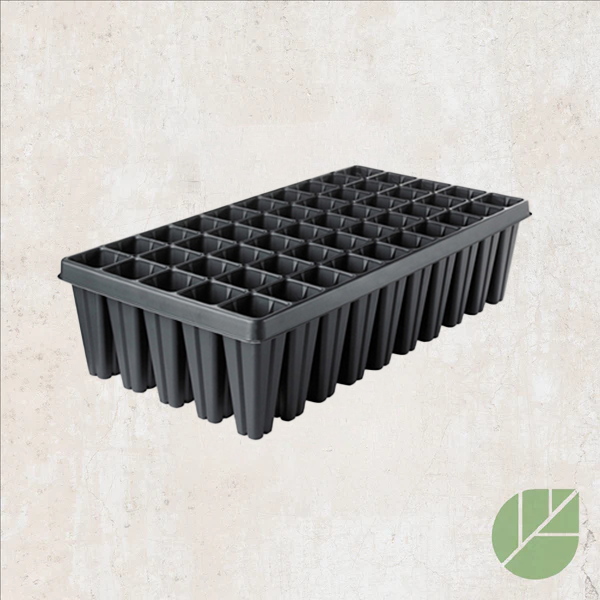
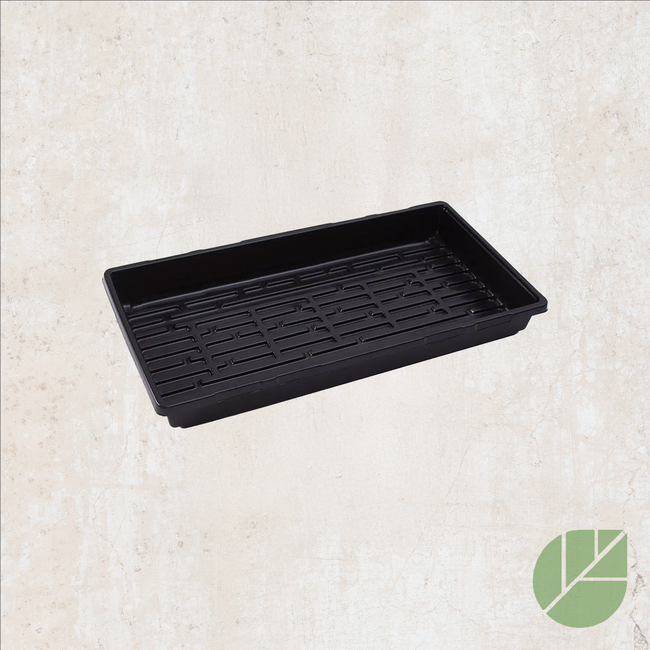
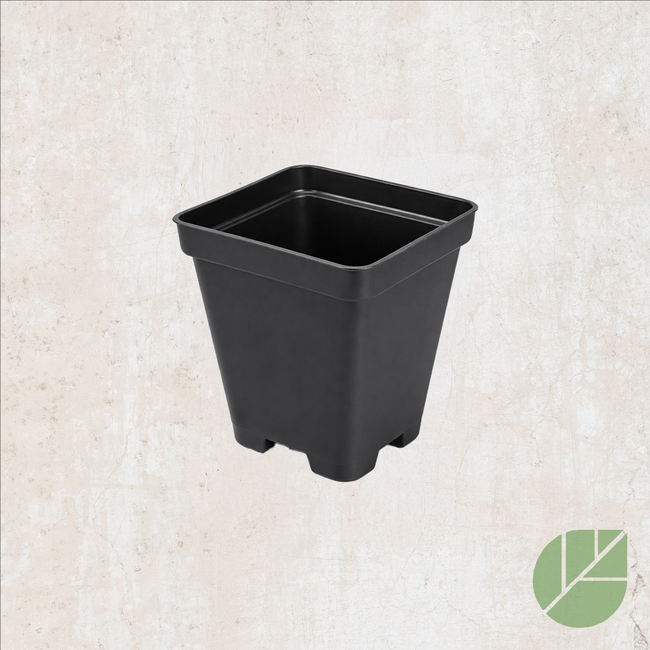
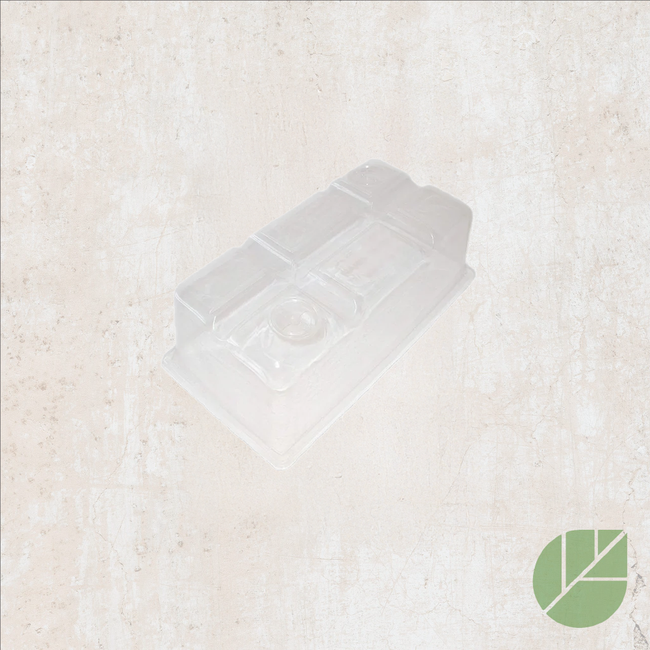
Platters, pots and domes
Shop the collection
Seed Starting Soil
Shop the collectionSeed starting supplies
Shop the collection