Sale
Sold out

Non-organic seeds, Untreated seeds, F1 hybrid, coated seeds
Cucurbitaceae
Fruiting vegetables seeds
Untreated ‘Melonade’ F1 Cantaloupe
Cucumis melo
Product code : 65-5905-01N
Untreated ‘Melonade’ F1 Cantaloupe has confirmed characteristics that help you plan its placement and cultivation. Untreated ‘Melonade’ F1 Cantaloupe is a fruiting vegetables variety offered as seed for gardeners who want clear, practical product information. Confirmed details include height: Foliage generally 30 to 45 cm above the soil, spread: Trailing vines may exceed 1.5 to 2 m; provide broad paths, colour: orange. The packet contains approximately 15 seeds, and the formulation is non-organic seeds, untreated seeds, f1 hybrid, coated seeds. For best results, follow the sowing, light, and spacing information associated with this variety. You can adjust care to your soil, weather, and observed growth without exceeding the plant’s actual needs.
- Quantity
- Approximately 15 seeds per packet
- Exposure
- Full sun; warm, sheltered location
- Life cycle
- Annual
Discover the plant
Common nameUntreated ‘Melonade’ F1 Cantaloupe
FamilyCucurbitaceae
GenusCucumis
Speciesmelo
CultivarMelonade F1
TypeNon-organic seeds, Untreated seeds, F1 hybrid, coated seeds
Botanical nameCucumis melo
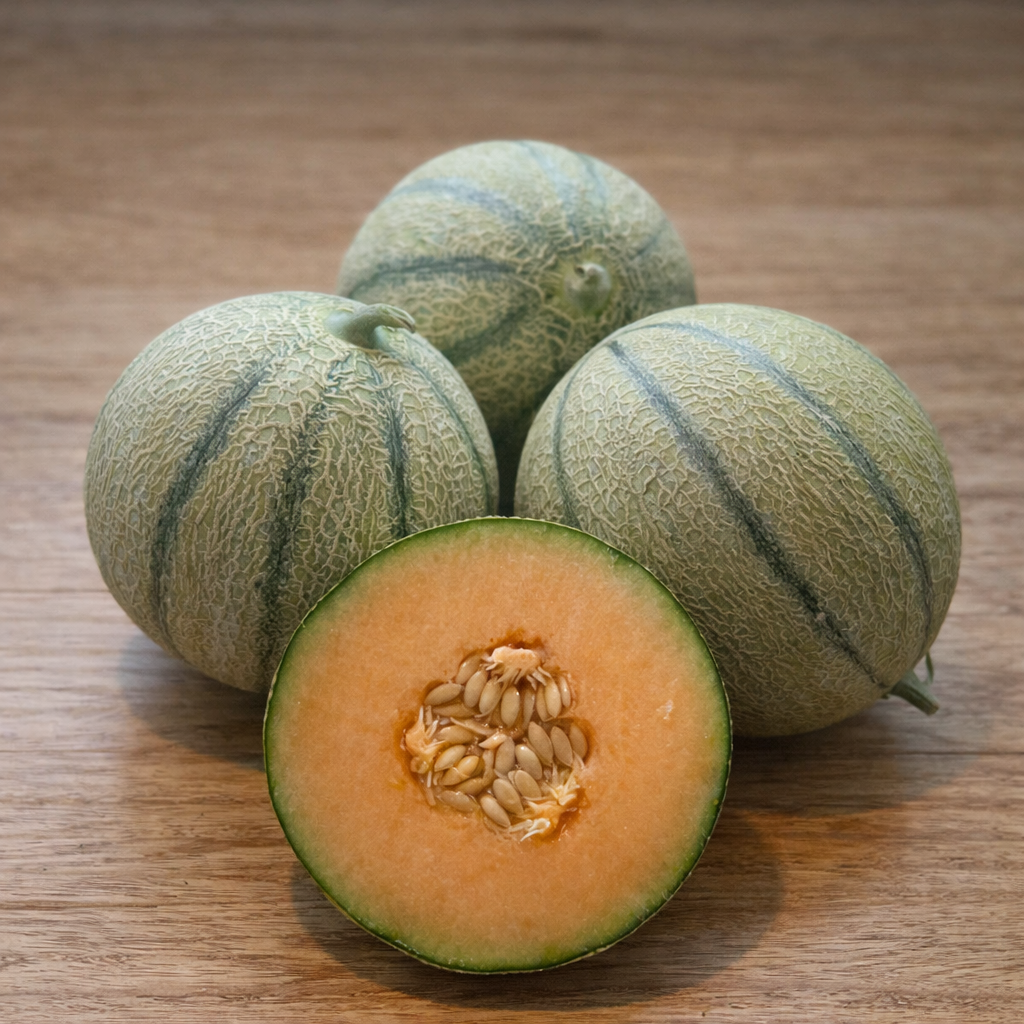
Untreated ‘Melonade’ F1 Cantaloupe (Cucumis melo) produces attractive round, medium-to-large fruit weighing approximately 2 kg. Skin changes from pale green to yellow when fruit is ready to harvest, while orange flesh offers an intense, refreshing tart flavour balanced by pleasant sweetness. W.H. Perron presents this melon as excellent for dessert or appetizers. Packet 65-5905-01N contains approximately 15 untreated F1 hybrid seeds. The product is not advertised as organic. Official maturity is approximately 72 days after transplanting, a planning point that still depends on warmth, establishment, pollination, and local growing conditions.
Sow in individual pots approximately three weeks before the planned transplant date. Keep the mix warm and evenly moist, then harden seedlings gradually. Set them in the garden seven to ten days after the last ground frost in a warm, wind-protected site with full sun. Soil should be fertile, rich in organic matter, well drained, and at pH 6.5 to 7. Form small hills approximately 1 m apart and leave 1 to 1.5 m between rows. Cloches or tunnels protect young plants from cold; remove them as flowering begins so pollinators can reach blossoms and support reliable fruit set.
Water deeply at soil level and maintain even moisture without waterlogging. Mulch after soil warms to limit evaporation and keep fruit clean. Pinching selected shoot tips may hasten ripening, but retain enough healthy foliage to feed developing melons. Watch colour closely: skin becomes pale and then yellow at maturity. A sweet fragrance and a stem that separates readily confirm harvest timing. Cut or lift fruit carefully, cool it promptly, and serve the orange flesh fresh. W.H. Perron lists dwarf bean, marjoram, corn, and okra as companions; keep Swiss chard and potato away. Record transplant, flowering, fruit-set, and harvest dates for future planning.

Sowing guide
It all startswith a seed.
Sowing depth
1.5 to 2.5 cm
Spacing / density
Hills 1 m apart; rows 1 to 1.5 m apart
Germination temperature
24 to 30°C
Germination time
5 to 10 days in warm mix
Sowing period
Indoor sowing approximately 3 weeks before transplanting; plant 7 to 10 days after the last ground frost
Propagation
Seed
Growing method
Sow in individual pots approximately three weeks before transplanting to limit root disturbance. Place seeds 1.5 to 2.5 cm deep in warm mix and maintain even moisture. After emergence, provide strong light and good air circulation. Harden seedlings gradually, then transplant seven to ten days after the last ground frost when nights and soil are warm. Choose full sun in a wind-protected location. Amend well-drained soil with mature compost and maintain pH 6.5 to 7. Form hills 1 m apart in rows spaced 1 to 1.5 m apart. Protect temporarily with cloches or tunnels but remove them at flowering. Water at soil level, mulch after warming, and allow fruit to ripen until skin turns yellow, fragrance becomes sweet, and the stem separates readily. Record every transplant and fruit-set date. During growth, keep fruit off damp soil with a clean board or straw. Preserve access to flowers, monitor insects without unnecessary treatments, and pinch only selected tips when ripening needs encouragement. Pale-green skin turning yellow, sweet fragrance, and a stem that separates readily together signal harvest. Cool sound fruit promptly, record its actual weight, and remove any cracked or diseased melon rather than leaving it beside healthy fruit. Keep labels with each succession through harvest.
Soil and care
The right care,at the right time.
Soil pH
6.5 to 7
Minimum temperature
5°C frost-free
Care level
Intermediate
Watering
Water deeply at soil level to maintain even moisture without saturating soil. Young plants and enlarging fruit should not experience long dry periods, but standing water promotes root problems. Check moisture beneath mulch before irrigating. Avoid wetting foliage in the evening and reduce applications slightly as fruit approaches maturity without allowing plants to wilt. Consistent watering helps prevent growth fluctuations and supports flesh quality. Record rainfall so irrigation decisions reflect actual moisture rather than a fixed schedule.
Soil type
Melonade prefers deep, loose, fertile, very well-drained soil enriched with mature organic matter. Aim for pH 6.5 to 7 and a full-sun site that warms quickly. Form small mounds when the ground retains water. Soil should remain consistently moist without becoming waterlogged. Avoid cultivating or compacting the root zone after transplanting, and apply mulch only after the soil is adequately warm. Raised beds can improve drainage and early-season warmth in cool or heavy garden soils.
Fertilization
Incorporate mature compost before planting to support fertility and structure. At establishment, use balanced feeding without excess nitrogen because overly vigorous foliage delays flowers and fruit. At fruit set, favour moderate fertilizer suited to fruiting crops according to a soil test or product directions. Water after application, keep fertilizer away from stems, and stop late feeding that would stimulate new growth at the expense of ripening. Record every application to prevent accidental duplication.
Moisture
Medium to high, consistent
Seasonal care
In spring, prepare fertile, well-drained hills and sow approximately three weeks before transplanting. Harden plants and set them out only after nights warm. Protect temporarily from wind and cold. In early summer, remove cloches as flowering begins so pollinators reach blossoms. Water deeply at soil level, renew mulch, and guide vines gently. Pinching selected tips may speed ripening. During enlargement, place a board or clean straw beneath each fruit if soil remains damp. As harvest approaches, watch for yellowing skin, sweet fragrance, and easy stem separation. Gather ripe fruit before cold nights, then remove plants and discard diseased tissue. Rotate future cucurbit crops and record flowering, fruit-set, and harvest dates. Clean supports and tools before storage, and keep packet labels with seasonal notes for traceability. Inspect leaf undersides, stems, and crowns weekly so wilting, spots, or damage are found early. Avoid working in wet foliage and sanitize tools after handling a diseased plant. Keep every fruit on a clean, dry surface. Near season end, weigh one representative melon, compare the actual date with the listed 72 days, and record skin colour, fragrance, and stem separation. These observations help adjust sowing date, protection, irrigation, and spacing the following year. Before frost, harvest only fruit showing convincing maturity cues; immature melons may not develop the same flavour after removal. Store sound fruit separately from damaged specimens and clean the growing area thoroughly.
Container growing
A garden,within reach.
Recommended pot size
45 to 60 L minimum for one plant
Use a container of at least 45 to 60 L, deep and very well drained, for one plant. Place it in full sun beside a warm wall, fill it with compost-rich mix, and install a strong trellis if vines cannot trail. Support each approximately 2-kg fruit in a separately anchored sling. Water deeply whenever the upper layer dries, fertilize moderately, and check moisture daily during heat. Keep flowers accessible to pollinators or hand-pollinate when necessary. Hold fruit above damp soil, watch skin turn yellow, and move the container to shelter only when vines can remain undamaged. Empty saucers after rain and verify that drainage holes stay open. Choose a container heavy enough to remain stable as vines and fruit gain mass. Mulch the surface after it warms and water slowly at soil level. During flowering, observe bee visits; supplement with morning hand pollination if no fruit set follows. Guide vines without bending them sharply and secure them with soft ties. Install fruit slings before melons become heavy. Inspect foliage regularly, remove diseased tissue with clean tools, and protect the pot from cold nights. Label the transplant date and count the listed 72-day maturity from that point. As harvest approaches, combine yellowing skin, sweet fragrance, and easy stem separation rather than relying on container age alone. Cool harvested fruit promptly.

Bloom and dimensions
Its place,in your garden.
Mature height
Foliage generally 30 to 45 cm above the ground
Width / spread
Creeping stems that can exceed 1.5 to 2 m; allow for wide pathways
Flower color
Yellow
Foliage color
Green
Foliage type
Large lobed leaves on long vines
Growth rate
Fast in warm weather
Growth habit
Vigorous trailing annual vine
Fragrance
Ripe fruit with sweet fragrance; aromatic flesh
Bloom period
Yellow male flowers generally appear before female flowers. Bees and other insects must carry pollen between them for regular fruit set. Remove cloches or open tunnels as flowering begins and avoid sprays while pollinators are active. If visits are limited, transfer pollen gently in the morning with a fresh male flower and record the date of every newly formed fruit. Protect blossoms from cold wind without sealing pollinators out.
Fruiting
Properly pollinated female flowers produce round, medium-to-large cantaloupes weighing approximately 2 kg. Skin changes from pale green to yellow at maturity and protects juicy orange flesh with an intense, refreshing, sweet-tart flavour. Maturity is listed at approximately 72 days after transplanting. Maintain even moisture through fruit set and enlargement, allow pollinators to reach flowers, and support every trellised fruit with a strong sling. Sweet fragrance and a stem that separates readily complete the colour cue. Record fruit-set dates because cooler periods can extend the schedule.
Days to maturity
Approximately 72 days after transplanting
Harvest
Harvest when skin changes from pale green to yellow, fruit smells sweet, and the stem separates readily.
Garden associations
In goodcompany.
Companion plants
W.H. Perron lists dwarf bean, marjoram, corn, and okra as companion plants. Keep them outside the immediate hill to preserve full sun, airflow, and crown access. Corn should remain far enough away that it does not shade vines, while marjoram may grow in a nearby pot. Coordinate harvests so roots are not stepped on and fruit is not displaced. These associations complement rotation, mulch, and regular watering but do not replace any of those practices. Maintain a clear path for inspecting flowers and ripe melons.
Recipe idea
From the gardento your plate.
Edible parts
Fruit and flowers
Prepare Melonade cantaloupe, feta, and mint bites. Wash the skin of one ripe approximately 2-kg fruit carefully, dry it, and cut the melon on a clean board. Remove seeds and cut approximately 600 g orange flesh into 2-cm cubes. Add 150 g cubed feta, two tablespoons chopped mint, one tablespoon lime juice, and one teaspoon olive oil. Toss gently, add pepper, and taste before salting because the cheese is already salty. Chill for fifteen minutes, then serve in small cups or on skewers. For a dairy-free version, replace feta with cucumber and several toasted pumpkin seeds. Keep the mixture cold, use clean utensils, and refrigerate leftovers within two hours. Eat promptly to preserve juicy texture and the sweet-tart contrast. Discard portions left warm for an extended period. Serve the bites immediately after refrigeration so the melon remains crisp. Keep unused whole fruit cool and wash a new knife before cutting another batch. Note any guest allergy or dietary requirement before assembling shared skewers.
Frequently asked questions
Your questions,answered.
When should Melonade F1 be sown and transplanted?
Sow indoors approximately three weeks before the planned transplant date in individual pots to limit root disturbance. Keep mix warm, around 24 to 30°C, and evenly moist. Harden seedlings gradually. W.H. Perron recommends transplanting seven to ten days after the last ground frost once nights, air, and soil have warmed. Choose full sun and shelter from wind. Cloches or tunnels can protect young plants temporarily but must be removed as flowering begins so pollinators gain access. Record the actual transplant date because the listed 72-day maturity is counted from that point. Avoid holding seedlings too long in small pots because crowded roots slow establishment.
How many seeds are in the packet and how are they treated?
W.H. Perron packet 65-5905-01N contains approximately 15 seeds. The official product page and 2026 catalogue describe Melonade F1 as untreated seed. No coating or other treatment is stated, and the product is not advertised as organic. Because this is an F1 hybrid, seed collected from harvested fruit will not reliably reproduce Melonade’s characteristics. Keep the packet closed in a cool, dry place until sowing, then retain its label with your growing notes. Always check the code and count printed on the package received because other W.H. Perron cantaloupes or formats may contain a different quantity or use another formulation. Photographing the original label provides useful traceability.
How can a ripe Melonade cantaloupe be recognized?
First observe skin colour: W.H. Perron indicates that fruit is ready when its colour changes from pale green to yellow. Then approach without squeezing; a clear sweet fragrance shows that aromas are developing. Finally check the stem, which should separate readily at maturity. Use these cues together rather than relying on one sign. Maturity 72 days after transplanting remains a guide, not an absolute date, because warmth, pollination, and establishment affect timing. Lift fruit carefully, avoid pulling the vine, and cool it promptly after harvest. Record the date and observations to improve the next harvest. Reject split or fermented fruit instead of storing it with sound melons.
Why must cloches be removed at flowering?
Cloches and tunnels help after transplanting because they reduce the effects of wind and cool nights. However, male and female cantaloupe flowers need visits from bees and other insects for pollination and fruit set. A closed cover can prevent those visits even when the plant looks vigorous. Open or remove protection when the first flowers appear and conditions are warm enough. Also avoid treatments while pollinators are active. If visits are insufficient, morning hand pollination can supplement their work. Record the start of flowering and watch young fruit that begins to enlarge. Replace protection only temporarily during unusual cold without trapping insects or overheating foliage.
Can Melonade F1 be grown in a container?
Yes, but use a deep container of at least 45 to 60 L for one plant and place it in full sun. Mix should be rich, loose, and very well drained, with several holes kept open. Install a strong trellis if vines cannot trail and support every approximately 2-kg fruit with an independently anchored sling. Check moisture daily during heat, water deeply, and always empty the saucer. Fertilize moderately without excess nitrogen. Keep flowers accessible to pollinators and watch skin change from pale green to yellow. A container dries faster than garden soil, so record irrigation to avoid extreme fluctuations. Rotate the pot when light is uneven without twisting established vines.
Wildlife and pets
Life,around your plants.
Supporting wildlife
Untreated ‘Melonade’ F1 Cantaloupe is associated with pollinators or useful garden wildlife in confirmed information; visits vary with flowering and local conditions. Untreated ‘Melonade’ F1 Cantaloupe is a fruiting vegetables variety offered as seed for gardeners who want clear, practical product information. Confirmed details include height: Foliage generally 30 to 45 cm above the soil, spread: Trailing vines may exceed 1.5 to 2 m; provide broad paths, colour: orange.
For a great start to your seeds
The right extras.Right here.
Seed Starting Soil
Shop the collectionSeed starting supplies
Shop the collection