

Sale
Sold out

Organic
Apiaceae
Celeriac 'Balena'
Apium graveolens var. rapaceum
Product code : NOR-GR04
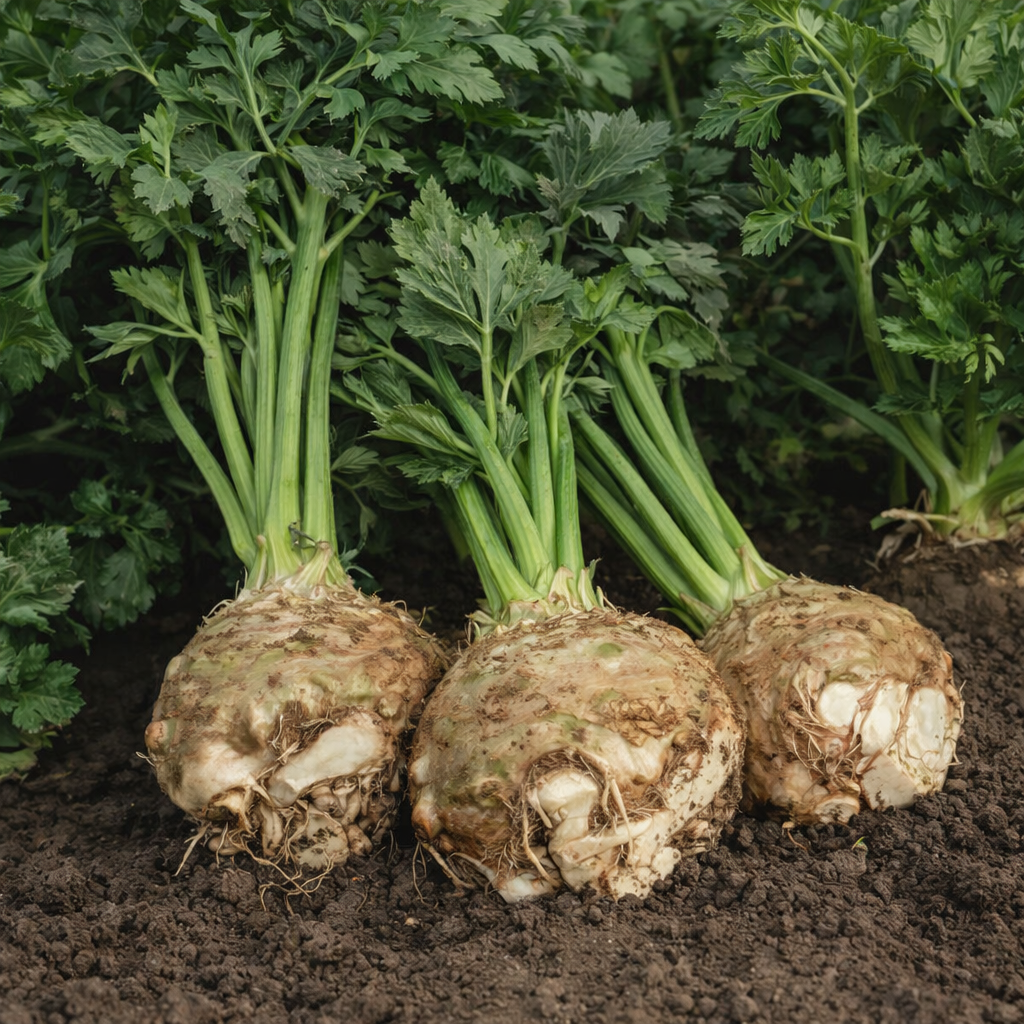
Organic celeriac ‘Balena’ is a high-quality variety, known for its round, smooth, very white root with firm, flavorful flesh. Its bolting tolerance and excellent uniformity make it a reliable choice for the vegetable garden. Highly valued in cooking, it develops large, well-formed roots and offers excellent long-term storage capacity when kept in a cool place. This variety matures 105 days after transplanting. The packet contains 50 seeds to start your planting. A row of root vegetables should remain easy to thin, weed, and water evenly.
- Quantity
- 50 seeds
- Life cycle
- Annual cultivation for vegetable harvesting
Discover the plant
Common nameCeleriac
FamilyApiaceae
GenusCelery
Speciesgraveolens var. rapaceum
CultivarWhale
TypeOrganic
Botanical nameApium graveolens var. rapaceum
Celeriac ‘Balena’ (Apium graveolens var. rapaceum). Organic celeriac ‘Balena’ is a high-quality variety, renowned for its round, smooth, and very white root, with firm and flavorful flesh. Its bolted resistance and excellent uniformity make it a reliable choice for the vegetable garden. Highly valued in cooking, it develops voluminous and well-formed roots, while offering excellent long-term storage capacity when kept cool. This variety matures 105 days after transplanting. The packet contains 50 seeds to start your planting.
Germination generally takes 3 weeks in potting soil maintained at 17°C. The sowing schedule for this variety is as follows: indoors, in March. Direct sowing allows root vegetables to develop without deformation caused by transplanting. Prepare a fine and even bed, then water gently to maintain the position of the seeds. A dry soil crust can hinder germination: keep the surface moist without compacting it. Thin out seedlings early enough so that the roots have their final space. Keep rows identified until harvest.
Celeriac is susceptible to deficiencies, especially boron: a lack can cause heart rot and hollow roots. Well-amended and balanced soil is therefore essential. Keep the soil consistently moist, especially during root formation. Harvest when the root reaches a diameter of at least 10 to 15 cm. Cut the foliage and store the roots in a cool and humid place, such as a basement or cellar. ‘Balena’ stores very well throughout the winter, with no significant loss of quality. An essential for the autumn and winter vegetable garden, as practical as it is delicious.

Sowing guide
It all startswith a seed.
Spacing / density
12 inches between plants
Germination temperature
17 °C
Germination time
3 weeks
Sowing period
Inside, in March
Propagation
Sowing
Growing method
Germination occurs after approximately 3 weeks at a temperature of about 17 °C. When the seedlings reach 2.5 cm, transplant them into individual pots to encourage robust root development. Towards the end of May, transplant them into the garden in soil rich in organic matter, spacing the plants 20 to 30 cm apart in rows at least 60 cm apart. Mulching with compost and straw helps retain moisture and regulate soil temperature. Emergence generally takes 3 weeks in potting soil maintained at 17 °C. The sowing schedule for this variety is as follows: indoors, in March. A lack of boron will cause rot in the center of the fruit and hollow roots. When planting this variety, the spacing to remember is 30 cm between plants. Towards the end of May, place the plants in the garden in rich soil, 20 cm to 30 cm apart in rows spaced at least 60 cm apart. Ensure the soil remains moist. Cover with a mixture of compost and straw and water regularly when rainfall is scarce (especially during root formation).
Soil and care
The right care,at the right time.
Watering
A mulch made of compost and straw helps retain moisture and regulate soil temperature. Water regularly when rainfall is scarce, never allowing the soil to dry out completely. A lack of boron will cause rot in the center of the fruit and hollow roots. Ensure the soil remains cool. Cover with a mixture of compost and straw and water regularly when rainfall is scarce (especially during root formation).
Soil type
When grown in rich soil and kept moist, it yields consistent, high-quality results. Towards the end of May, transplant to the garden in soil rich in organic matter, spacing plants 20 to 30 cm apart in rows at least 60 cm apart. Well-amended and balanced soil is therefore essential.
Fertilization
A mulch made of compost and straw helps retain moisture and regulate soil temperature. A lack of boron will cause central rot in the fruit and hollow roots. Ensure the soil remains cool. Cover with a mixture of compost and straw and water regularly when rain is scarce (especially during root formation).
Seasonal care
‘Balena’ is particularly well-suited for autumn and winter harvests, where it retains all its culinary qualities. A mulch of compost and straw helps retain moisture and regulate soil temperature. Water regularly when rainfall is scarce, never allowing the soil to dry out completely. ‘Balena’ stores very well throughout the winter, with no noticeable loss of quality. White, uniform, and perfect for winter! An essential for the autumn and winter vegetable garden, as practical as it is delicious. Ensure the soil remains cool. Cover with a mixture of compost and straw and water regularly when rainfall is scarce (especially during root formation). Germination usually takes 3 weeks in potting soil maintained at 17 °C. The sowing schedule for this variety is as follows: indoors, in March. Begin observing the harvest of this variety around 105 days after transplantation; then check the desired color, firmness, and size for picking. This variety's bolt resistance provides a harvesting window, but does not replace observation: pick the tender parts before the elongation of the floral stem changes their texture. Harvest when the diameter has reached at least 10 cm to 15 cm. Stores well in a cool basement throughout the winter.
Container growing
A garden,within reach.
Recommended pot size
One plant per drained container, with space for its mature size.
Germination usually takes 3 weeks in potting soil kept at 17°C. The sowing schedule for this variety is as follows: indoors, in March. A lack of boron will cause rot in the center of the fruit and hollow roots. Ensure the soil remains cool. Cover with a mixture of compost and straw and water regularly when rainfall is scarce (especially during root formation). The packet contains 50 seeds to start your planting. Germination occurs after about 3 weeks, at a temperature of approximately 17°C. When the seedlings reach 2.5 cm, transplant into individual pots to encourage strong root development. Towards the end of May, transplant to the garden in soil rich in organic matter, spacing plants 20 to 30 cm apart in rows at least 60 cm apart. Mulching with compost and straw helps retain moisture and regulate soil temperature. When well cultivated in rich, consistently cool soil, it yields consistent and high-quality results.

Bloom and dimensions
Its place,in your garden.
Fruiting
rapaceum), offered by WH Perron Seed Company. The organic celeriac 'Balena' is a high-quality variety, known for its round, smooth, and very white root with firm and flavorful flesh. Highly prized in cooking, it develops voluminous and well-formed roots, while offering excellent long-term storage capabilities when kept in a cool place.
Days to maturity
105 days post-transplant
Harvest
Begin monitoring this variety's harvest around 105 days after transplanting; at that time, check for the desired color, firmness, and size for picking. This variety's bolt tolerance provides a harvest window, but it doesn't replace careful observation: harvest the tender parts before the elongation of the floral stem changes their texture.
Garden associations
In goodcompany.
Companion plants
When planting this variety, the spacing between plants should be 30 cm. Towards the end of May, plant them in the garden in rich soil, 20 cm to 30 cm apart in rows spaced at least 60 cm apart. A lack of boron will cause rot in the center of the fruit and hollow roots. Its bolt tolerance and excellent uniformity make it a reliable choice for the vegetable garden.
Recipe idea
From the gardento your plate.
Edible parts
Petioles, leaves, and, for celeriac, the swollen root
Recipe idea for your ‘Balena’ celeriac harvest. Roast the root vegetables in uniform pieces. Brush the roots under water, remove the ends, and only peel them if their skin requires it. Cut larger roots into quarters to match their cooking time with that of smaller pieces. Mix with a drizzle of oil, thyme, and a pinch of salt. Spread them on a baking sheet without overlapping, then bake at 200 °C (392 °F), turning halfway through. Check for tenderness with the tip of a knife. Finish with a little lemon juice or apple cider vinegar and serve with a cooked grain. Keep the colors separate on the baking sheet if you want to preserve their contrast when serving. Small roots can remain whole if they are of a comparable size. Thicker skin should be removed before cooking, while clean young skin can be left on the vegetable.
Frequently asked questions
Your questions,answered.
When to sow 'Balena' Celeriac seeds?
Germination generally takes 3 weeks in compost kept at 17°C. The sowing schedule for this variety is as follows: indoors, in March. Direct sowing allows root vegetables to develop without deformation caused by transplanting. Prepare a fine, even seedbed, then water gently to maintain the position of the seeds. A dry soil crust can hinder germination: keep the surface moist without compacting it. Thin out seedlings early enough so that the roots have their permanent space. Keep the rows identified until harvest. Work shallowly between the rows to remove young weeds without damaging the cultivated roots.
What advantage does the 'Balena' Celeriac tolerance offer?
Ensure the soil remains cool. Cover with a mixture of compost and straw, and water regularly when rainfall is scarce (especially during root formation). Begin observing the harvest of this variety around 105 days after transplanting; at this point, check for the desired color, firmness, and size for picking. This variety's bolt tolerance provides a harvesting window but does not replace observation: pick the tender parts before the elongation of the flower stalk changes their texture. Harvest when the diameter has reached at least 10 cm to 15 cm.
When to harvest Celeriac 'Balena'?
Begin observing this variety for harvest around 105 days after transplanting; check for the desired color, firmness, and size for picking. This variety's bolt tolerance provides a harvesting window, but does not replace observation: harvest tender parts before elongation of the floral stem changes their texture. Harvest when the diameter has reached at least 10 cm to 15 cm. Stores well in winter, in a cool basement. This variety matures at 105 days after transplanting. Ensure the soil remains cool.
What location is suitable for Celeriac ‘Balena’?
A lack of boron will cause fruit rot and hollow roots. When planting this variety, spacing should be 30 cm between plants. Towards the end of May, place the plants in the garden in rich soil, 20 cm to 30 cm apart in rows spaced at least 60 cm apart. A row of root vegetables must remain easy to thin, weed, and water evenly. Avoid stony or compacted areas that limit enlargement. In a raised bed, keep tall crops at a distance so as not to shade young seedlings.
How to water Celeriac 'Balena' during growth?
Ensure the soil remains cool. Cover with a mixture of compost and straw and water regularly when rainfall is scarce (especially during root formation). A lack of boron will cause rotting in the center of the fruit and hollow roots. Cultivate superficially between rows to remove young weeds without damaging the cultivated roots. Check a few plants before harvesting the entire crop; the size is easier to judge on a sample than on the foliage alone. A root left in the ground too long may lose its tenderness. Harvest in sufficiently loose soil and separate damaged specimens from those intended for longer storage.
For a great start to your seeds
The right extras.Right here.
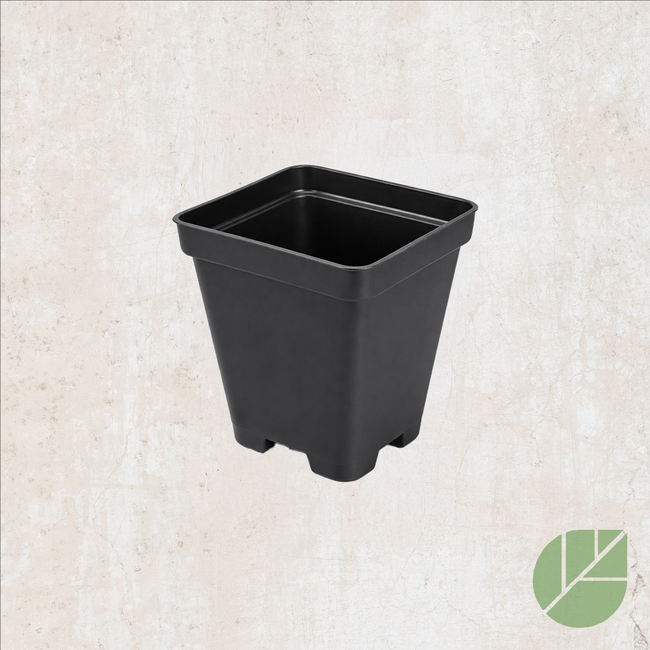
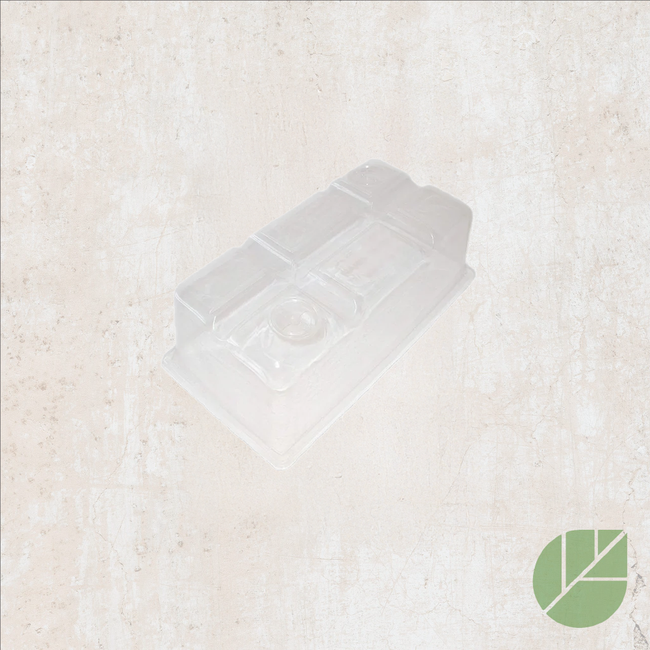
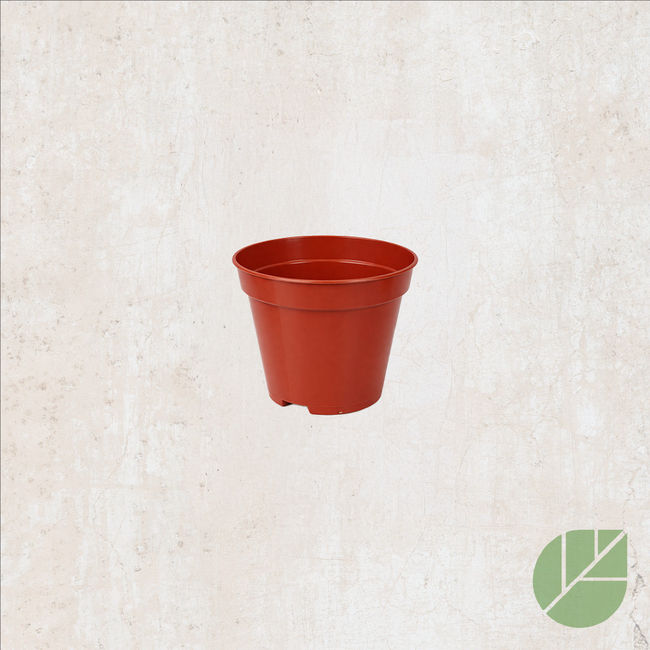
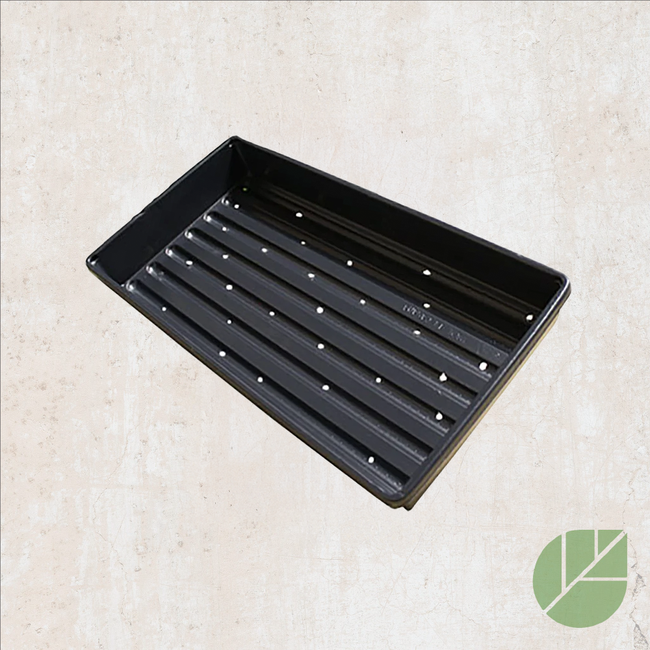
Platters, pots and domes
Shop the collection
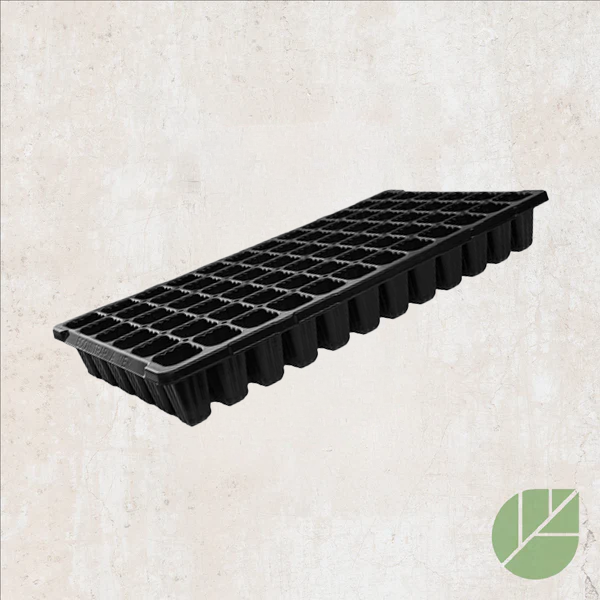
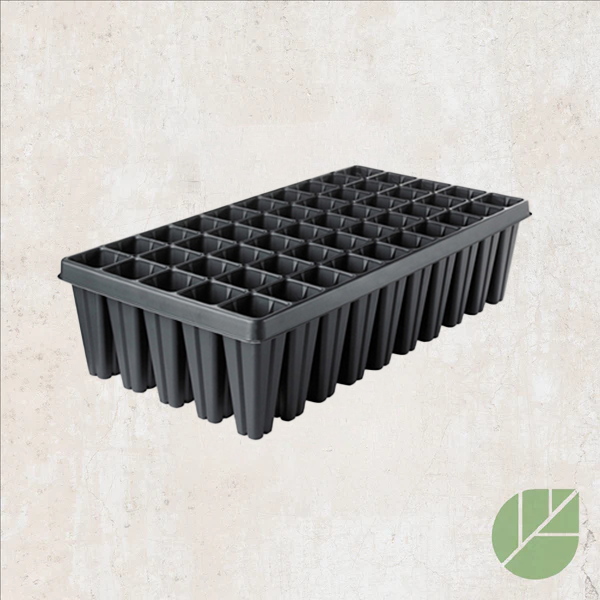
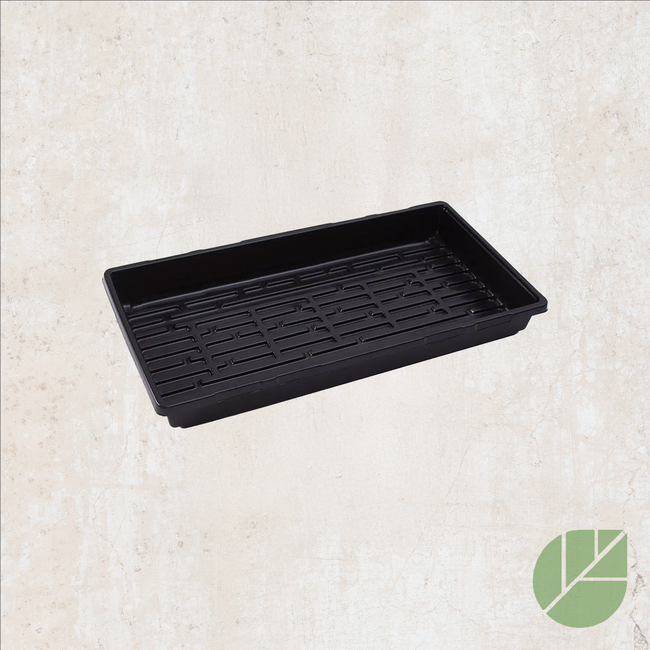
Seed Starting Soil
Shop the collectionSeed starting supplies
Shop the collection




