

Sale
Sold out

Organic seeds, Treated seeds, open-pollinated variety, coated seeds
Apiaceae
Garden vegetables seeds
Organic celery
Apium graveolens
Product code : 65-2035-01B
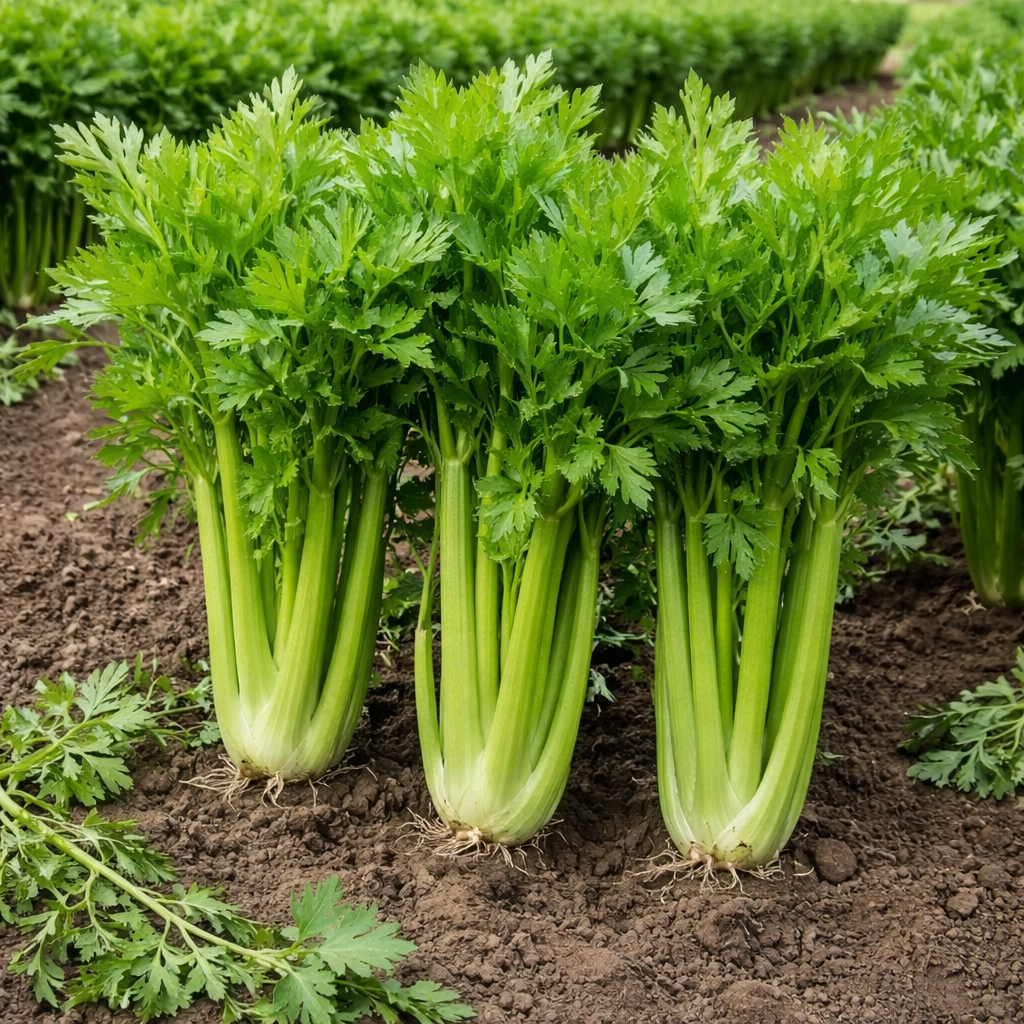
Organic Tango celery produces smooth, crisp, non-bitter apple-green stalks with dependable harvests even during hot periods. W.H. Perron packet 65-2035-01B contains approximately 150 seeds. Sow indoors in early March, 3 mm deep and near 18°C. Move 2.5-cm seedlings into individual pots, then transplant eight weeks after sowing. Space plants 20 to 30 cm apart in rows at least 60 cm apart. Keep soil rich, cool, mulched, and well drained. Harvest approximately 90 days after transplanting, either by cutting the entire plant or removing outer stalks progressively while the centre continues growing. Its leaves add aromatic flavour to stocks, sauces, and soups.
- Quantity
- Approximately 150 seeds per packet
- Exposure
- Full sun
- Life cycle
- Biennial
Discover the plant
Common nameOrganic celery
FamilyApiaceae
GenusApium
Speciesgraveolens
CultivarTango
TypeOrganic seeds, Treated seeds, open-pollinated variety, coated seeds
Botanical nameApium graveolens
Organic celery (Apium graveolens) Organic celery is a garden vegetables variety offered as seed for gardeners who want clear, practical product information. Confirmed details include height: Upright stalk-celery habit; no numerical height published for this packet, spread: Approximately 20 to 30 cm (8 to 12 in), colour: green pomme. You can adjust care to your soil, weather, and observed growth without exceeding the plant’s actual needs. Tango 90 A superb variety of celery in an apple green colour. Its stalks are smooth and crunchy with no bitter taste. For best results, check the growing medium before watering and adjust frequency to the actual conditions around the plant.
The packet contains approximately 150 seeds, and the formulation is organic seeds, treated seeds, open-pollinated variety, coated seeds. For best results, follow the sowing, light, and spacing information associated with this variety. Gradual hardening helps reduce transplant stress when seedlings have been started indoors before moving into the garden. The information printed on the packet remains the reference for depth, temperature, and timing associated with this seed lot. It is best to adapt care to your garden’s microclimate instead of following a fixed watering schedule in every situation. A suitable mulch can help stabilize moisture, reduce soil splash, and limit competition from weeds around established plants.
Growth is worth checking after major changes in temperature, light exposure, rainfall, or watering frequency. You can keep the labelled packet until harvest or flowering so the variety details remain easy to consult. Measured care based on the plant’s condition generally supports better balance than unnecessary routine treatments. For containers, drainage and soil volume directly influence moisture stability around the roots and the frequency of watering. In the garden, an accessible position makes observation, occasional watering, harvesting, and timely maintenance easier. It is recommended to remove only damaged material while retaining healthy foliage needed for continued growth.

Sowing guide
It all startswith a seed.
Sowing depth
3 mm
Spacing / density
20 to 30 cm between plants; rows at least 60 cm apart
Germination temperature
Approximately 18°C
Germination time
Approximately 3 weeks
Sowing period
Indoors in early March, approximately 8 weeks before transplanting
Propagation
Seed
Growing method
In early March, fill a tray with light, sandy mix. Distribute seeds, cover them with 3 mm, moisten gently, and maintain approximately 18°C. Emergence may take three weeks, so keep the surface moist without saturating it. When seedlings reach about 2.5 cm tall, move them into individual pots under bright light. Rotate pots and prevent plants from becoming stretched. Harden them gradually before outdoor planting. Around late May, set them 20 to 30 cm apart in rows at least 60 cm apart. Water immediately and keep the heart above soil level. After warming, add thin mulch to conserve moisture and suppress weeds while keeping crowns aerated. Water regularly, monitor slugs and aphids, then begin harvest approximately 90 days after transplanting. Cut the whole plant or remove only clean, firm outer stalks. Label transplant dates and sanitize tools after diseased plants. Label batches, record emergence dates, and retain several replacement plants. After transplanting, compare moisture at several points, keep mulch away from the heart, and clean tools after handling any diseased plant. Secure protective mesh against wind, remove damaged stalks, and refrigerate cut celery promptly. Never allow crowded seedlings to remain root-bound before final planting.
Soil and care
The right care,at the right time.
Soil pH
6.0 or higher
Minimum temperature
Tolerates cool temperatures; protect from hard frost
Care level
Easy
Watering
Maintain even moisture from transplanting through harvest because stalks become less tender when growth is interrupted. Water slowly at soil level in the morning to moisten the root zone without keeping the heart wet. Check beneath mulch before every application: soil should remain cool but never continuously saturated. Increase frequency during heat and wind, then reduce it as evaporation declines. Free drainage remains essential. Avoid extreme alternation between drought and excess water, and never compensate for several dry days by flooding the row once. Compare moisture at several points because foliage may hide uneven irrigation.
Soil type
Choose deep, fertile, drained soil rich in organic matter. Incorporate mature compost before transplanting without concentrating fertilizer against young roots. Celery develops better-quality stalks when soil stays cool, but W.H. Perron specifies that it should not remain continuously wet. Avoid poorly drained depressions and compacted layers. Thin mulch stabilizes moisture and suppresses weeds after warming. Keep the heart exposed, cultivate shallowly, and add organic matter between seasons rather than burying plants more deeply. Check drainage after storms and improve soil structure before planting instead of trying to correct waterlogging after the row is established.
Fertilization
Before sowing, incorporate a moderate layer of mature compost or fully decomposed manure. Already fertile soil needs little additional fertilizer. Avoid high-nitrogen feeding, which encourages abundant leaves at the expense of stalks. If growth becomes pale, use a balanced vegetable fertilizer sparingly, then water to distribute the nutrients through the stalk zone. Never apply fresh manure immediately before sowing, because overly aggressive fertility may reduce stalk quality and interfere with even stalk formation. overall
Moisture
Consistent moisture without standing water
Seasonal care
In March, sow indoors 3 mm deep and keep the tray near 18°C through slow germination. Move 2.5-cm seedlings into individual pots, provide bright light, and retain several replacements. During April and May, rotate pots, monitor watering, and harden plants gradually. Around late May, transplant 20 to 30 cm apart in rows at least 60 cm apart. Water deeply and temporarily protect plants from drying wind. In early summer, add thin mulch, weed shallowly, and check drainage after rain. During heat, check moisture several times weekly and inspect the heart, leaf undersides, and stalks for slugs, aphids, or lesions. Remove diseased tissue and clean tools. In late summer, begin cutting outer stalks or harvest whole plants reaching approximately 90 days. Finish before seed stalks develop. In fall, remove debris, clean the row, record stalk quality, and plan rotation to another botanical family. Refrigerate harvested celery promptly and discard slimy or strongly damaged pieces. After every heavy rain, clear the heart and confirm that water drains. During dry weather, compare moisture beneath mulch before irrigating. Label harvested batches, cool them promptly, and remove damaged stalks before they affect sound produce. Record pest pressure, bitterness, colour, and texture so next season’s watering and spacing can be improved. Clean crates before each harvest and never place celery directly on soil. throughout the entire season
Container growing
A garden,within reach.
Recommended pot size
30 L or larger; minimum depth of 25 to 30 cm
Grow one Tango plant in a stable container holding 25 to 30 L or more, at least 30 cm deep, with several holes. Fill it with rich, drained vegetable potting mix amended with mature compost. Use an indoor-started transplant, harden it, and set it at the same level as in its pot without burying the heart. Place the container in sun or light bright shade during extreme heat. Potting mix dries quickly, so check daily, water slowly until excess drains, and empty the saucer. Add thin mulch without touching the crown. Feed moderately with a balanced product according to its label. Rotate the pot, lift it on feet, and protect it from wind. Harvest clean outer stalks with a knife or cut the whole plant at maturity. After the season, remove all roots, wash the pot, and renew the mix before another apiaceous crop. Inspect drainage after every storm. Inspect beneath the pot after rain, protect container walls from excessive heat, and keep foliage adequately lit. Label the transplanting date, secure every protective cover against wind, and prepare refrigerated space before harvest. Replace compacted mix rather than adding excessive fertilizer, and keep drainage outlets clear throughout the season.

Bloom and dimensions
Its place,in your garden.
Mature height
Upright celery plant; no height published for this packet
Width / spread
About 20 to 30 cm (8 to 12 in)
Flower color
Greenish
Foliage color
Apple green
Foliage type
Upright green celery-like foliage carried on long petioles
Growth rate
Fast
Growth habit
Compact rosette above a round stalk
Bloom period
Harvest before bolting; flowering normally occurs in the second year after a cold period. celery stalks are botanically biennial but are grown as annuals for their stalks and leaves. Prolonged exposure to cold can sometimes encourage premature bolting. Remove plants that develop a flower stalk, because their stalks quickly lose tenderness and culinary quality once reproductive growth begins. and flavour at harvest time
Fruiting
Harvest the entire plant at ground level before seeds appear, or pick off the outer stalks as needed while allowing the center to continue growing. This combination addresses two common difficulties of homegrown celery: fibrous stalks under stress and an overly strong flavor. Progressive harvesting also reduces waste and keeps the stalks fresh until ready to use.
Days to maturity
Approximately 90 days after transplanting
Harvest
Cut the entire plant at soil level before seed formation, or harvest outer stalks progressively as needed.
Garden associations
In goodcompany.
Companion plants
W.H. Perron lists garlic, beet, bean, cabbage, chives, cucumber, endive, fennel, leek, onion, and tomato as companions. Still preserve the 20-to-30-cm area reserved for each celery plant so roots and foliage are not crowded. Position tall crops without shading Tango and coordinate removal of neighbouring plants so its roots are not disturbed. Companion planting complements row organization but does not replace rotation, regular watering, or soil rich in organic matter. Keep access open for harvesting outer stalks and inspecting the central heart.
Recipe idea
From the gardento your plate.
Edible parts
stalks and leaves
Prepare a crisp Tango celery, apple, and walnut salad. Wash four or five stalks, trim damaged portions, and slice them thinly on the bias. Save several sound leaves, chop them, and combine with one firm apple cut into slender sticks. In a chilled bowl, whisk two tablespoons plain yogurt, one tablespoon lemon juice, one teaspoon mustard, a pinch of salt, and pepper. Fold in celery and apple, then add a small handful of toasted walnuts. Refrigerate for ten minutes and serve thoroughly chilled. For a nut-free version, use toasted sunflower seeds. Prepare the recipe with clean utensils, refrigerate leftovers promptly, and label the container with the date. Adjust acidity only after tasting the cold salad. Keep ingredients separate from tools used for bare meat. For variation, replace apple with firm pear and adjust lemon only after tasting the chilled salad. Measure acidity and salt consistently when scaling, and discard leftovers that become slimy or develop an unusual odour.
Frequently asked questions
Your questions,answered.
When and how should Tango celery be sown?
Start indoors in early March, approximately eight weeks before transplanting. Use a light, sandy mix, cover seeds with 3 mm, and maintain about 18°C. Germination takes approximately three weeks; do not let the surface dry, but avoid saturation. Move seedlings into individual pots when they reach 2.5 cm and provide bright light. Harden them gradually before setting them outside around late May after frost. Retain several replacement plants until the row is fully established. Label the sowing date because emergence is slower than for many vegetables. Keep crowns visible when transplanting and water immediately. Record the emergence date as well.
How can Tango stalks be kept crisp?
Maintain uninterrupted growth with soil rich in organic matter and consistently cool. Water at soil level whenever moisture declines beneath mulch, especially during hot periods, but never leave the crown in continuously wet soil. Keep 20 to 30 cm between plants to limit competition. Harvest firm stalks before seed-stalk formation and cool them promptly. W.H. Perron describes Tango as dependable during heat, but this quality does not replace water, drainage, and mulch. Wilted stalks may sometimes regain firmness in cold water, although a freshly cooled harvest provides better texture. Check several points in the row because irrigation can be uneven.
Can Tango be harvested one stalk at a time?
Yes. W.H. Perron states that outer stalks may be cut as needed. Select sufficiently large, firm, healthy outer petioles and slice cleanly near the base without injuring the heart. Leave several inner stalks to support continued growth. Use a clean knife, harvest preferably in the morning, and cool promptly. When the whole plant is needed, cut it at soil level before seeds appear. Stop progressive cutting when the centre elongates toward flowering, stalk quality declines, or disease symptoms appear. Never pull forcefully, because twisting can tear the crown and open tissue to decay. Keep a record of cutting dates carefully.
Why should the soil not remain continuously wet?
Celery needs consistent moisture, but its roots also require oxygen. Permanent saturation can weaken the root system, encourage crown rot, and make plants more vulnerable. Use drained soil, lift containers, and check beneath mulch before watering. After heavy rain, clear the crown and ensure water drains. Water slowly in the morning when soil begins to dry instead of applying small amounts continuously. W.H. Perron’s guidance is to preserve moisture with mulch while specifically ensuring that soil does not remain wet all the time. Compare moisture in several locations and correct drainage rather than withholding all irrigation from an otherwise dry row.
When can you enjoy the harvest or flowering of Organic celery?
Organic celery is harvested at the stage specified for this variety, when the edible parts show the expected maturity signs. Organic celery is a garden vegetables variety offered as seed for gardeners who want clear, practical product information. Confirmed details include height: Upright stalk-celery habit; no numerical height published for this packet, spread: Approximately 20 to 30 cm (8 to 12 in), colour: green pomme. The packet contains approximately 150 seeds, and the formulation is organic seeds, treated seeds, open-pollinated variety, coated seeds. For best results, follow the sowing, light, and spacing information associated with this variety. You can adjust care to your soil, weather, and observed growth without exceeding the plant’s actual needs.
For a great start to your seeds
The right extras.Right here.
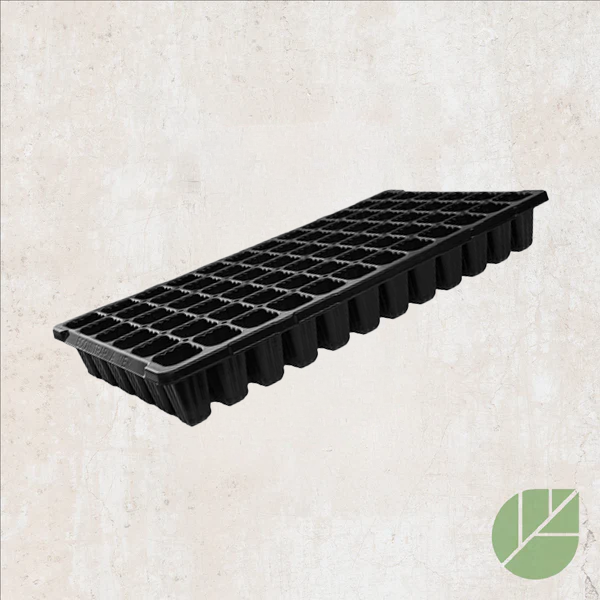
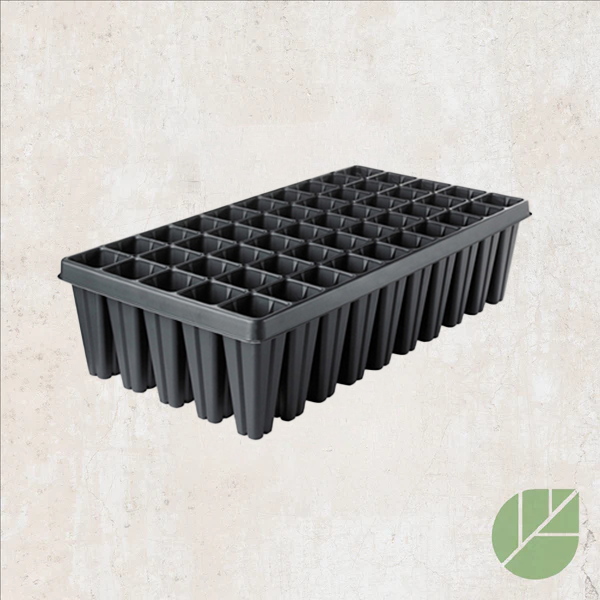
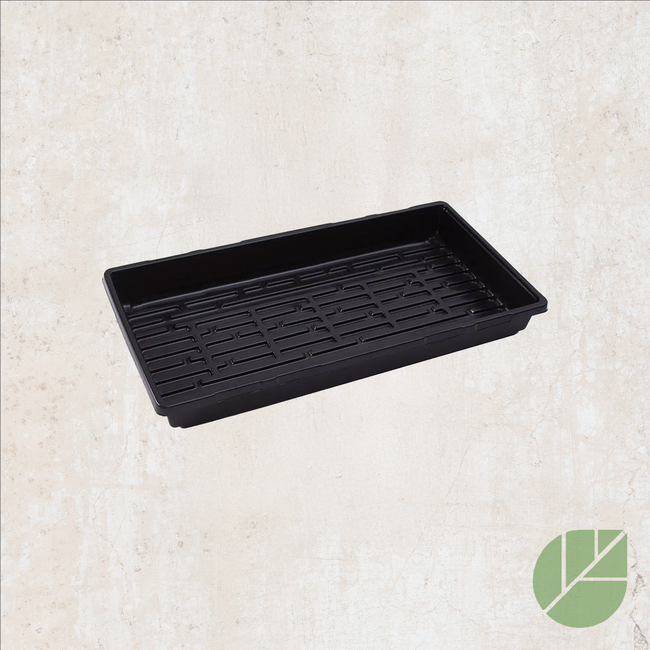
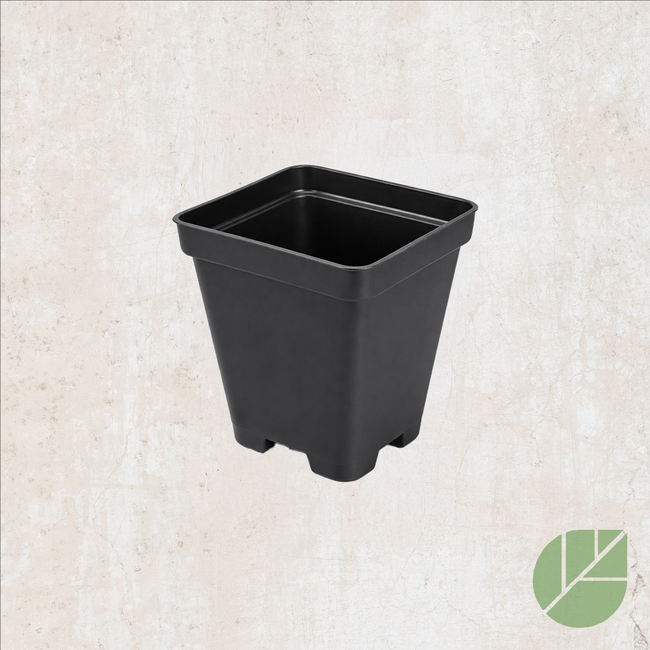
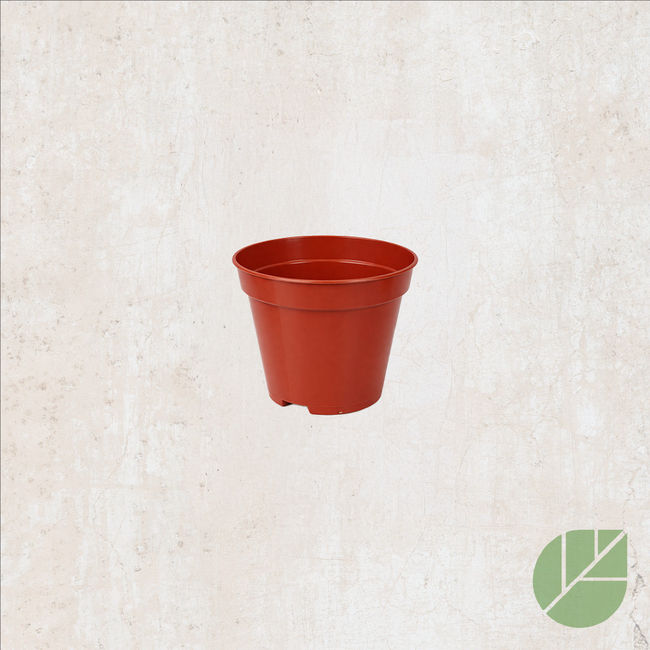
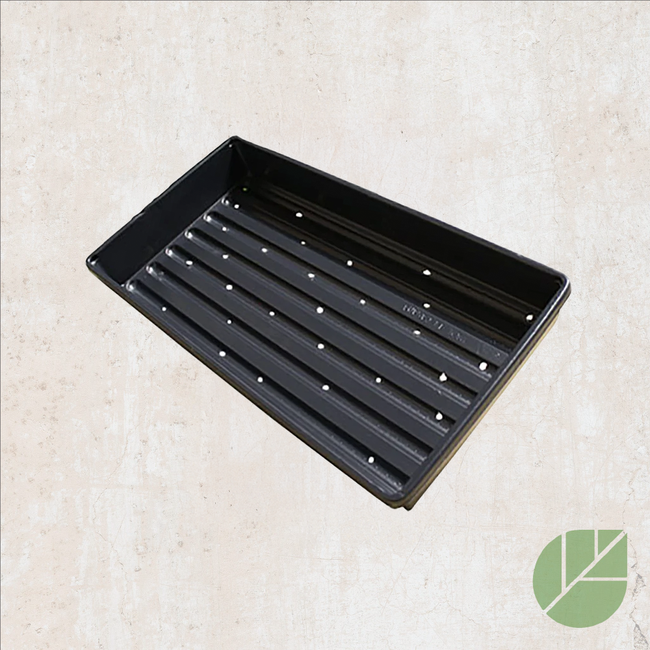
Platters, pots and domes
Shop the collection

Seed Starting Soil
Shop the collectionSeed starting supplies
Shop the collection




