Sale
Sold out

Non-organic seeds, Untreated seeds, F1 hybrid, coated seeds
Brassicaceae
Garden vegetables seeds
Red summer cabbage
Brassica oleracea var. capitata
Product code : 65-3416-01N
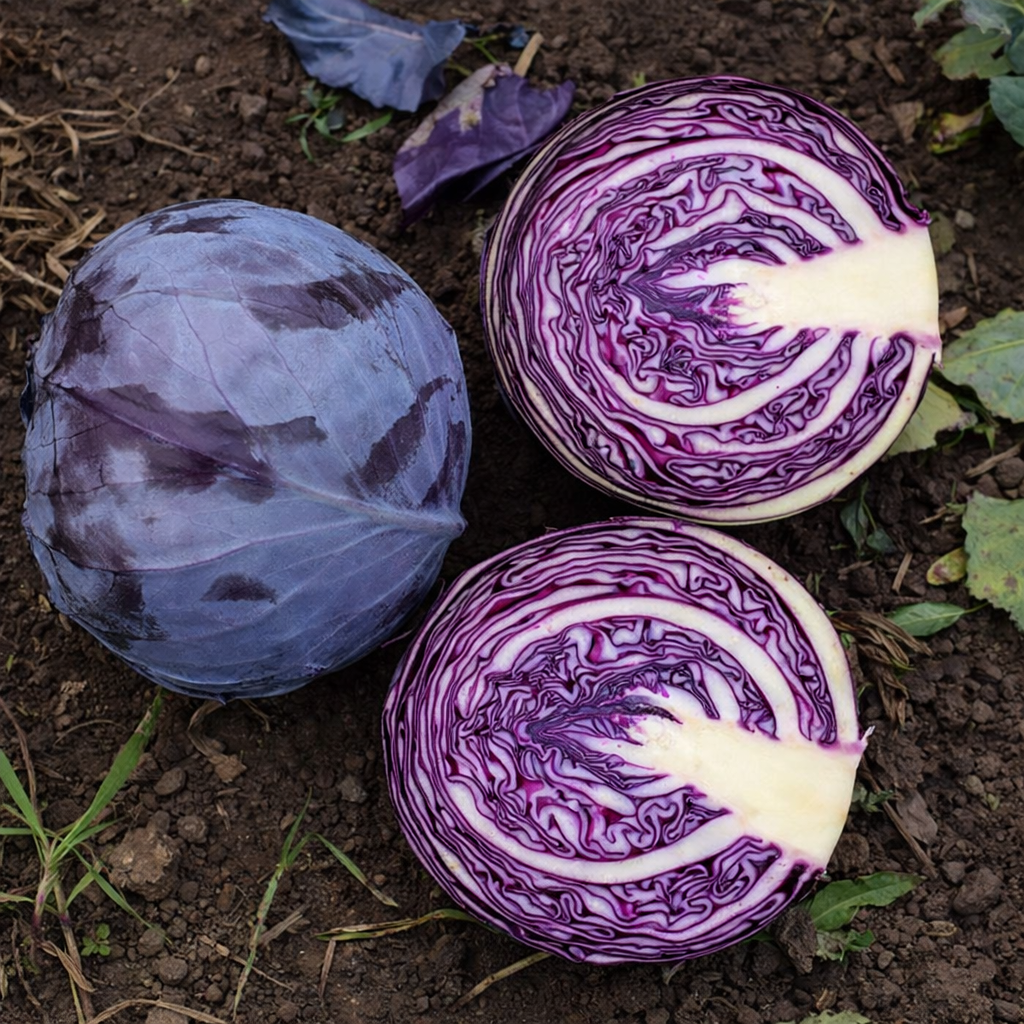
Alfaro Y.R. Red F1 is an early summer cabbage forming small, round, dense, well-filled 0.9-to-1.4-kg heads. A small core maximizes the usable portion, while good wrapper foliage protects red-purple leaves. Pleasantly sweet flavour suits slaws, braised dishes, pickles, and fermentation. Harvest occurs approximately 62 days after transplanting. W.H. Perron packet 65-3416-01N contains approximately 50 untreated seeds and is not advertised as organic. Sow four to five weeks before final frost, space plants 30 to 45 cm apart, and maintain fertile, humus-rich soil with consistent moisture. Cool harvested heads promptly to preserve colour, texture, and sweetness. Regular netting and inspection protect the compact crop.
- Quantity
- Approximately 50 seeds per packet
- Exposure
- Full sun to partial shade
- Life cycle
- Biennial
Discover the plant
Common nameRed summer cabbage
FamilyBrassicaceae
GenusBrassica
Speciesoleracea var. capitata
CultivarAlfaro Y.R. Red F1
TypeNon-organic seeds, Untreated seeds, F1 hybrid, coated seeds
Botanical nameBrassica oleracea var. capitata
Red summer cabbage (Brassica oleracea var. capitata) Red summer cabbage is a garden vegetables variety offered as seed for gardeners who want clear, practical product information. Confirmed details include height: Approximately 30 to 40 cm (12 to 16 in), spread: Approximately 40 to 50 cm (16 to 20 in), colour: red. You can adjust care to your soil, weather, and observed growth without exceeding the plant’s actual needs. Its green, waxy leaves are less susceptible to insects. Weight (kg): 1.8-2.2 Summer Cabbage Hyb. You can keep the labelled packet until harvest or flowering so the variety details remain easy to consult.
The packet contains approximately 50 seeds, and the formulation is non-organic seeds, untreated seeds, f1 hybrid, coated seeds. For best results, follow the sowing, light, and spacing information associated with this variety. In the garden, an accessible position makes observation, occasional watering, harvesting, and timely maintenance easier. It is recommended to remove only damaged material while retaining healthy foliage needed for continued growth. Results may vary with weather, sowing date, soil quality, and the number of hours of useful light each day. This approach helps gardeners enjoy the variety’s confirmed qualities without adding more maintenance than the plant requires.
For best results, check the growing medium before watering and adjust frequency to the actual conditions around the plant. You can review foliage and new growth each week to notice water stress, slowed development, or damage at an early stage. Good air movement and spacing that follows the product information support steady development throughout the growing season. Gradual hardening helps reduce transplant stress when seedlings have been started indoors before moving into the garden. The information printed on the packet remains the reference for depth, temperature, and timing associated with this seed lot.

Sowing guide
It all startswith a seed.
Sowing depth
6 mm (1/4 in)
Spacing / density
30 to 45 cm (12 to 18 in) between plants; 61 cm (24 in) between rows
Germination temperature
Approximately 18 to 24°C
Germination time
Approximately 5 to 10 days
Sowing period
Indoors 4 to 5 weeks before final frost or direct around late May
Propagation
Seed
Growing method
Start Alfaro indoors four to five weeks before final frost. Sow one seed per cell 6 mm deep in porous mix, maintain consistent moisture, and provide strong light immediately after emergence. Gentle air movement helps produce sturdy stems. Harden plants gradually; acclimated seedlings tolerate light frost, but avoid severe cold. Transplant into fertile, humus-rich, drained soil in sun or partial shade at pH 6.0–6.5. Space plants 30 to 45 cm apart in rows 61 cm apart. Direct sowing around late May remains possible. Water deeply after planting, then maintain even moisture. Mulch without covering stems and install netting before flea beetles and butterflies arrive. Inspect leaves, remove caterpillars and diseased tissue, and follow a three-year rotation. Approximately 62 days after transplanting, check head firmness. Cut before splitting, retain protective leaves, and cool promptly. Record transplanting and harvest dates to refine future schedules. Label rows with transplanting dates, note the first firm head, and adjust timing according to weather. Water in the morning, keep mulch away from stems, sanitize tools after diseased plants, and cool harvested cabbage without delay. Do not let transplants become root-bound before planting. Record local conditions carefully each season.
Soil and care
The right care,at the right time.
Soil pH
6.0 to 6.5
Minimum temperature
Hardened seedlings tolerate light frost; avoid severe freezes
Care level
Moderate
Watering
Keep soil evenly moist after transplanting and while the head fills. Water deeply at soil level when the upper few centimetres begin drying. Drought followed by heavy rain or watering can cause uneven growth or splitting. Mulch limits these fluctuations. Water in the morning, reduce prolonged leaf wetness, and check beneath mulch. In containers, monitor moisture daily during heat and never leave drainage water in the saucer.
Soil type
Grow Alfaro in fertile, irrigated, humus-rich, well-drained soil maintained at pH 6.0 to 6.5. The small dense head needs a steady supply of water and nutrients. Incorporate mature compost before planting and correct compaction. Avoid low areas that remain saturated. Organic mulch applied to warmed soil reduces evaporation, weeds, and soil splash without covering plant bases. A soil test guides amendments and prevents unnecessary fertilizer.
Fertilization
Blend mature compost into soil before planting and adjust feeding according to a test. Use balanced vegetable fertilizer as directed, then add a light side-dressing once growth resumes after transplanting. Avoid excessive late nitrogen, which encourages soft leaves and delays a firm head. Maintain pH between 6.0 and 6.5. Water dry soil before fertilizing and keep granules away from the stem. Observe leaf colour and head formation before adding more nutrients.
Moisture
Consistent, especially after transplanting and during head formation
Seasonal care
In spring, prepare the bed with compost, verify pH, and start seeds four to five weeks before final frost. Keep seedlings short under bright light, then harden them gradually. Transplant 30–45 cm apart in rows 61 cm apart and water immediately. Install insect netting over hoops and seal the edges. In early summer, mulch warmed soil and inspect leaf undersides twice weekly. Remove caterpillars and egg masses, repair tears in netting, and weed without injuring roots. Maintain even moisture, especially while heads form. After approximately 62 days, press heads gently; harvest when firm and before splitting. Cut with a clean knife, retain several wrapper leaves, and cool promptly. After harvest, remove roots and debris. Compost only healthy tissue, clean tools and containers, and record observed problems. In autumn, reserve the bed for a different family. In winter, keep remaining seed cool and dry, review dates, and plan a rotation of at least three years away from every brassica. Watch for splitting after heavy rain follows dry weather and harvest any firm head at risk immediately. During heat, check moisture beneath mulch and move cut cabbage into shade. Record head weight, colour, pest damage, and disease symptoms to improve future spacing and protection. Never carry contaminated soil into the next brassica bed. Clean storage surfaces before cooling sound heads. Label every stored head with its harvest date and inspect it regularly so damaged leaves are removed before they affect neighbouring produce.
Container growing
A garden,within reach.
Recommended pot size
One plant per 30-to-45-L container at least 30 cm deep
A compact Alfaro can grow in a stable 30-to-45-L container at least 30 cm deep with several drainage holes. Fill with rich, light vegetable potting mix amended with compost. Transplant one seedling in the centre without burying the base. Place in sun or bright partial shade and shelter from wind. Water slowly until drainage occurs, then check daily during hot weather. Feed with a balanced formula according to the label and mulch lightly. Install netting that does not touch leaves and inspect beneath it for caterpillars and aphids. Rotate the pot for even growth. Label the transplanting date and begin checking firmness around 62 days. Support the 0.9-to-1.4-kg head with one hand and cut with a clean knife before splitting. Cool immediately. After harvest, remove every root, wash the container, and replace the mix before growing another brassica. Label the transplanting date, lift the pot on feet, and prepare cold storage before harvest. Inspect beneath wrapper leaves, secure netting against wind, and shade container walls during intense heat while keeping foliage adequately lit. Replace compacted potting mix rather than relying on additional fertilizer. Keep the drainage outlet clear after every storm.

Bloom and dimensions
Its place,in your garden.
Mature height
Approximately 30 to 40 cm (12 to 16 in.)
Width / spread
About 40 to 50 cm (16 to 20 in)
Foliage color
Red purple
Foliage type
Tight wrapper leaves forming a head
Growth rate
Fast
Growth habit
Compact rosette with good wrapper foliage
Fruiting
Each head weighs approximately 0.9 to 1.4 kg and has a small core, which increases the usable proportion for cooking. Maturity occurs about 62 days after transplanting, an interesting window for a summer harvest in Quebec gardens. Harvest when the small red head is firm under light pressure and before it splits. As an F1 hybrid, Alfaro offers uniformity, but its harvested seeds do not faithfully reproduce the cultivar.
Days to maturity
Approximately 62 days after transplanting
Harvest
Harvest the firm head approximately 62 days after transplanting, before splitting
Garden associations
In goodcompany.
Companion plants
Choose neighbours that do not invade required spacing. Short-season lettuce or radish can temporarily occupy the bed edge, then be removed before rosettes expand. Calendula, alyssum, or dill placed outside netting offer nectar and pollen to beneficial insects. They do not replace inspection or physical protection. Keep 30 to 45 cm clear around every Alfaro and avoid grouping other brassicas that share the same caterpillars, flea beetles, and soilborne diseases. Rotate the plant family as a whole rather than only this cultivar.
Recipe idea
From the gardento your plate.
Edible parts
Head and sound leaves
Prepare a crisp red slaw. Finely shred 400 g washed Alfaro cabbage after removing damaged leaves. Add one firm apple cut into matchsticks and 30 ml chopped parsley. Combine 30 ml apple cider vinegar, 20 ml oil, 10 ml honey, 5 ml mustard, salt, and pepper. Pour over cabbage, toss, and refrigerate for thirty minutes. Acidity helps preserve the red-purple colour. Keep the slaw cold and return leftovers to refrigeration within two hours. Consume promptly. Use only a sound, firm head without abnormal odour. Wrap the remaining cut head immediately. For even crisper texture, keep dressing separate until shortly before serving and use clean utensils to avoid cross-contamination. Chill the serving bowl during hot weather. For variation, replace apple with firm pear and adjust honey only after tasting the chilled dressing. Measure acidity and salt consistently when scaling the recipe. Keep cabbage separate from utensils used for bare meat, and chill the serving bowl during hot weather. Label leftovers with the preparation date.
Frequently asked questions
Your questions,answered.
What does the Alfaro packet contain?
W.H. Perron packet 65-3416-01N contains approximately 50 untreated Alfaro Y.R. Red F1 cabbage seeds. The untreated statement applies to this exact format. Its code ends in 01N and the page does not present this seed as organic, so organic status must remain FALSE. Alfaro is an F1 hybrid, which provides uniformity, but saved seed will not reproduce the cultivar reliably. Keep the packet closed, cool, dry, and dark. Retain the code with sowing labels and start several extra seedlings to replace losses before final planting. Do not confuse untreated formulation with organic certification. Keep replacement seedlings separate, healthy, and clearly labelled until final planting.
When should Alfaro be sown and transplanted?
Sow indoors four to five weeks before final frost at a depth of 6 mm in clean, drained starting mix. Provide bright light immediately after emergence to produce short seedlings. Harden gradually; acclimated plants tolerate light frost, but avoid severe freezes. Transplant when soil is workable and water immediately. Direct sowing is also possible around late May. Space plants 30 to 45 cm apart in rows 61 cm apart. Install netting before pests arrive and record the transplanting date so heads can be checked around 62 days. Avoid root-bound seedlings because stalled plants may form smaller heads or bolt under stress.
How can a ready Alfaro head be recognized?
Begin checking approximately 62 days after transplanting while considering weather and actual growth. A ready head is round, dense, and firm under light palm pressure. Typical weight is 0.9 to 1.4 kg, but firmness is a better indicator than size alone. Harvest before a crack appears. Cut the stem with a clean knife and retain several wrapper leaves. Move the head immediately into shade and then cold storage. A split head may be used promptly when sound, but it stores poorly. Remove damaged portions and never keep diseased cabbage beside healthy heads. Record harvest weight and date to improve future timing. Compare several heads before cutting when maturity appears uneven.
Why is Alfaro’s small core useful?
The core is the firmer central portion of a cabbage head. W.H. Perron highlights Alfaro’s small core, leaving a greater proportion of tightly packed leaves for use. This reduces trimming for slaws, pickles, and cooked dishes and simplifies preparation of a small 0.9-to-1.4-kg head. Still remove the core when a recipe needs very flexible shreds or when its texture is unsuitable. A small core is not a maturity signal by itself; harvest when the entire head is firm, well filled, and intact. Cool promptly to preserve crisp texture. Good wrapper leaves protect the usable portion during harvest and handling. Small cores also make portioning easier.
Can Alfaro be grown in a container?
Yes. Its small head suits containers better than a large cabbage, but it still requires generous volume. Grow one plant in a stable 30-to-45-L pot at least 30 cm deep with several holes. Fill with rich, drained mix, place in sun or bright partial shade, and water deeply. Check moisture daily in summer. Feed in a balanced manner, mulch lightly, and protect leaves with netting that does not crush them. Rotate the pot, shelter it from wind, and harvest the firm head before splitting. After cutting, remove every root and renew the mix before another brassica. Lift the container on feet so drainage remains open during heavy rain.
For a great start to your seeds
The right extras.Right here.
Seed Starting Soil
Shop the collectionSeed starting supplies
Shop the collection