

Sale
Sold out

Organic seeds, Treated seeds, F1 hybrid, coated seeds
Brassicaceae
Garden vegetables seeds
Organic green summer cabbage
Brassica oleracea var. capitata
Product code : 65-3548-01B
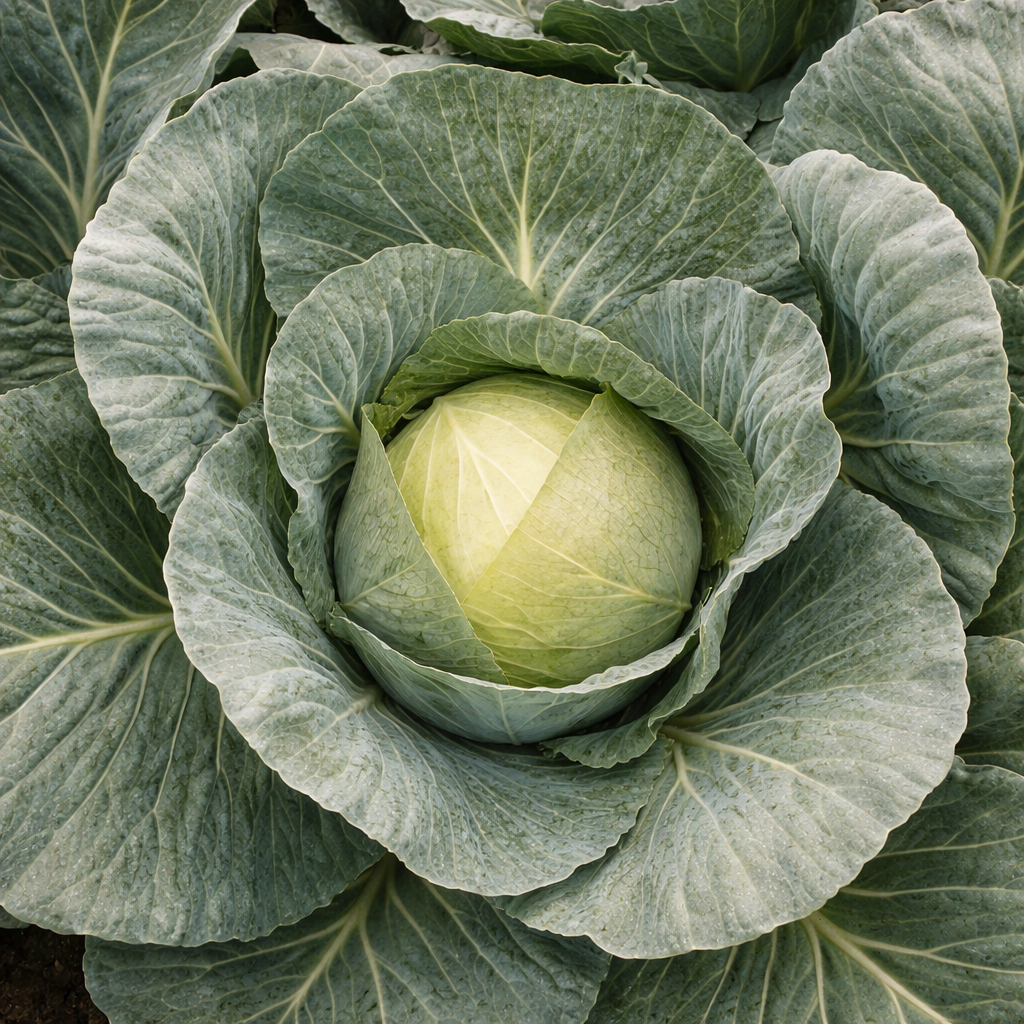
Bronco Y.R. F1 is a mid-early organic green summer cabbage producing a round, dense, uniform 1.8-to-2.2-kg head. W.H. Perron describes its waxy foliage as less susceptible to insects and the variety as having high general disease tolerance. Sweet flavour suits slaws, soups, stir-fries, braised dishes, and fermentation. Harvest occurs approximately 65 days after transplanting. Packet 65-3548-01B contains approximately 25 organic seeds; no coating or other treatment is stated. Sow four to five weeks before final frost, space plants 30 to 45 cm apart, and maintain fertile soil with consistent moisture through head formation. Regular inspection and netting remain important despite useful cultivar tolerance.
- Quantity
- Approximately 25 seeds per packet
- Exposure
- Full sun to partial shade
- Life cycle
- Biennial
Discover the plant
Common nameOrganic green summer cabbage
FamilyBrassicaceae
GenusBrassica
Speciesoleracea var. capitata
CultivarBronco Y.R. F1
TypeOrganic seeds, Treated seeds, F1 hybrid, coated seeds
Botanical nameBrassica oleracea var. capitata
Organic green summer cabbage (Brassica oleracea var. capitata) is a mid-early hybrid forming a dense, round green head weighing 1.8 to 2.2 kg. Its waxy green foliage is described as less susceptible to insects, while the variety has high general disease tolerance without the supplier naming specific resistance. Crisp leaves have a pleasantly sweet flavour for slaws, stir-fries, soups, fermentation, and braised dishes. Harvest begins approximately 65 days after transplanting. This summer cabbage combines uniformity, generous head weight, and maturity suited to Quebec and other Canadian regions with a defined frost-free growing season.
Sow indoors four to five weeks before final frost at a depth of 6 mm, then provide bright light and regular air circulation. Harden seedlings before setting them outside. W.H. Perron also indicates direct sowing around late May when soil is workable and warm. Plant in sun or partial shade in fertile, irrigated, humus-rich soil maintained at pH 6.0 to 6.5. Space plants 30 to 45 cm apart in rows 61 cm apart. Maintain consistent moisture, especially after transplanting and during dry weather. Mulch after establishment to limit evaporation, soil splash, and weed competition around shallow feeder roots.
Monitor caterpillars, flea beetles, aphids, slugs, and disease symptoms even though waxy foliage and cultivar tolerance provide advantages. Install insect netting before pests arrive, but remove it when it obstructs maintenance. Follow a minimum three-year rotation away from other brassicas. Harvest when the head feels firm under light pressure and before splitting. Cut with a clean knife, retain several protective wrapper leaves, and cool promptly. W.H. Perron packet 65-3548-01B contains approximately 25 organic Bronco Y.R. F1 seeds; no coating or other treatment is stated for this format. Because it is an F1 hybrid, saved seed will not reliably reproduce the cultivar.

Sowing guide
It all startswith a seed.
Sowing depth
6 mm (1/4 in)
Spacing / density
30 to 45 cm (12 to 18 in) between plants; 61 cm (24 in) between rows
Germination temperature
Approximately 18 to 24°C
Germination time
Approximately 5 to 10 days
Sowing period
Indoors 4 to 5 weeks before final frost or direct around late May
Propagation
Seed
Growing method
Sow Bronco indoors four to five weeks before final frost in clean cells filled with porous starting mix. Place one seed 6 mm deep, keep the medium moist without saturation, and move seedlings into strong light immediately after emergence. Provide gentle air movement and avoid excessive nitrogen. Harden plants for one week; acclimated seedlings tolerate light frost, but avoid severe cold. Transplant into fertile, humus-rich soil at pH 6.0–6.5 in sun or partial shade. Space plants 30 to 45 cm apart in rows 61 cm apart. For direct sowing, wait until late May or until soil has warmed. Water deeply after planting and regularly during dry weather. Mulch, weed without damaging roots, and install netting before butterflies and flea beetles arrive. Inspect leaves, remove caterpillars, and record symptoms. Follow a three-year rotation. Harvest about 65 days after transplanting when the head is firm; cut with a clean knife and cool promptly. Label every row with the transplanting date and anticipate harvest 65 days later while adjusting for weather. Water in the morning, keep mulch away from stems, sanitize tools after diseased plants, and cool harvested heads without delay. Do not rely on waxy leaves alone for pest protection.
Soil and care
The right care,at the right time.
Soil pH
6.0 to 6.5
Minimum temperature
Hardened seedlings tolerate light frost; avoid severe freezes
Care level
Moderate
Watering
Maintain consistent moisture, particularly after transplanting and while the head enlarges. Water deeply at soil level when the upper few centimetres begin drying rather than sprinkling shallowly and often. Alternating drought and excess water can slow growth or promote splitting. Mulch reduces evaporation. Water in the morning and avoid keeping foliage wet for long periods. In containers, check daily during hot weather and never leave drainage water standing beneath the pot.
Soil type
Use fertile, irrigated, humus-rich, well-drained soil at pH 6.0 to 6.5. Cabbage forms a substantial head and needs a steady supply of water and nutrients. Incorporate mature compost before planting, correct compaction, and avoid areas that remain saturated. Organic mulch applied after soil warms reduces evaporation and soil splash without covering the crown. A soil test guides amendments more reliably than visual guessing.
Fertilization
Incorporate mature compost and follow a soil test before planting. Cabbage is a heavy feeder, but applications must remain balanced. Use vegetable fertilizer according to label directions, then provide a light side-dressing once growth resumes after transplanting. Avoid excessive late nitrogen, which produces tender leaves and delays a firm head. Maintain pH at 6.0–6.5 to support nutrition. Never apply concentrated fertilizer to dry soil, and keep granules away from stems and leaves.
Moisture
Consistent, especially after transplanting and during dry weather
Seasonal care
In spring, prepare humus-rich soil, verify pH, and start seeds four to five weeks before final frost. Provide abundant light for short, sturdy seedlings. Harden gradually, then transplant with 30 to 45 cm between plants and 61 cm between rows. Water immediately and install insect netting before flea beetles and butterflies arrive. In early summer, mulch warmed soil, weed gently, and inspect leaf undersides twice weekly. Remove caterpillars, crush egg masses, and repair torn netting. Keep moisture even, especially while heads form. Avoid injuries and remove only heavily diseased leaves. About 65 days after transplanting, press the head gently; harvest when firm and before splitting. Cut with a clean knife and retain protective outer leaves. Cool promptly. After harvest, remove roots and debris, especially symptomatic material. Compost only healthy tissue, clean tools, and record the location. In autumn and winter, plan a rotation of at least three years away from brassicas, review pest notes, and store remaining seed cool, dry, and dark. Also watch for splitting after heavy rain follows dry weather and harvest firm heads without delay. During heat, check moisture beneath mulch and shade harvested cabbage immediately. Keep field notes on head weight, damage, and disease symptoms so spacing and protection can be improved. Never move contaminated soil to the next brassica bed. Clean storage surfaces before cooling healthy heads.
Container growing
A garden,within reach.
Recommended pot size
One plant per 40-to-60-L container at least 35 cm deep
Choose a stable 40-to-60-L container at least 35 cm deep for one Bronco plant. It needs several holes and must never stand in a full saucer. Fill with rich, light, free-draining vegetable potting mix amended with compost. Transplant one compact seedling in the centre without burying the crown, then place in sun or bright partial shade. Water slowly until drainage occurs and check moisture daily during hot weather. Feed with balanced vegetable fertilizer without excess nitrogen. Mulch lightly to limit evaporation and stake if needed on a windy balcony. Inspect leaf undersides regularly because caterpillars and aphids also reach containers. Netting can protect the plant when its mesh does not crush foliage. Rotate the pot for even growth. Harvest the firm head before splitting, support it with one hand, and cut with a clean knife. After harvest, remove every root, wash the container, and avoid immediately reusing the same mix for another brassica. Label the transplanting date and prepare cold storage for the substantial head before harvest. Lift the pot on feet to keep drainage holes open, inspect under wrapper leaves, and secure netting against wind. During intense heat, shade the container wall while maintaining adequate light on foliage. Replace compacted mix rather than simply adding fertilizer.

Bloom and dimensions
Its place,in your garden.
Mature height
Approximately 14 to 18 inches (35 to 45 cm)
Width / spread
Approximately 45 to 60 cm (18 to 24 in)
Foliage color
Green
Foliage type
Large waxy leaves forming a dense head
Growth rate
Moderate to fast
Growth habit
Broad rosette surrounding a compact central head
Fruiting
The crisp flesh has a good sweet flavor and is suitable for salads, stir-fries, soups, fermentations, and braised dishes. Harvest begins approximately 65 days after transplanting. Harvest when the head is firm under light pressure, before it splits. The round 1.8 to 2.2 kg heads provide a substantial harvest without waiting until late fall. For the home garden, Bronco transforms a well-prepared area into versatile and predictable harvests.
Days to maturity
Approximately 65 days after transplanting
Harvest
Harvest a firm head approximately 65 days after transplanting; cut and cool promptly
Garden associations
In goodcompany.
Companion plants
Choose neighbours according to space, water, and timing rather than repellent claims. Short-season lettuce or radish can occupy the front of the bed before cabbage rosettes close the row. Nectar flowers beside the net support hoverflies and other beneficial insects without directly competing with cabbage. Keep every companion far enough away to preserve 30 to 45 cm around Bronco, access to leaves, and air movement. Most importantly, avoid concentrating other brassicas that share pests and diseases. Rotate the entire plant family, not only the exact cultivar.
Recipe idea
From the gardento your plate.
Edible parts
Head and sound leaves
Prepare Bronco cabbage slaw with yogurt. Finely shred 500 g of washed head after removing damaged leaves. Add one grated carrot and 30 ml chives. In a clean bowl, combine 125 ml plain yogurt, 15 ml apple cider vinegar, 10 ml mustard, 5 ml honey, salt, and pepper. Pour over vegetables, toss, and refrigerate for at least thirty minutes. Keep the slaw cold and return leftovers to refrigeration within two hours. Consume promptly. For crisp texture, do not salt the cabbage far in advance. Use only a firm head without rot or abnormal odour. This fresh recipe highlights Bronco’s sweet flavour while using part of a 1.8-to-2.2-kg head; wrap and refrigerate the remaining cut section immediately. Keep serving utensils clean and avoid cross-contamination. For variation, add a small amount of grated apple immediately before serving without extending the planned storage time. Measure acidity and salt consistently when scaling the recipe, and keep bare cabbage separate from utensils used for meat. Chill the serving bowl in advance during hot weather.
Frequently asked questions
Your questions,answered.
What does the organic Bronco packet contain?
W.H. Perron format 65-3548-01B contains approximately 25 organic Bronco Y.R. F1 cabbage seeds. Quantity and organic status apply to this exact packet. The official page states no coating or other treatment, so none should be invented. Bronco is an F1 hybrid: seed collected from bolted heads will not reproduce the variety reliably. Keep the packet closed, cool, dry, and dark with its code. Sow one seed per cell and keep several extra plants to replace losses without overcrowding the final bed. Retain the original label for traceability throughout sowing and transplanting. Keep replacement seedlings separate, healthy, and clearly labelled until transplanting is complete.
When should Bronco be sown and transplanted?
Sow indoors four to five weeks before final frost at a depth of 6 mm in clean, drained starting mix. Place seedlings under bright light so they remain compact. Harden them for approximately one week. W.H. Perron notes that hardened plants can tolerate light frost, but avoid severe freezes. Transplant when soil is workable, generally around the period following final frosts, or direct sow around late May. Space plants 30 to 45 cm apart and rows 61 cm apart. Water immediately after planting and protect foliage with netting before pests arrive. Avoid root-bound transplants because stalled plants may form smaller heads.
How can I tell when the head is ready?
Bronco matures approximately 65 days after transplanting. Begin checking several days before that date because heat, soil, and watering alter timing. A ready head is round, full, and firm under light palm pressure; it should not feel hollow or soft. Harvest before cracks appear. With a clean knife, cut the stem below the head and retain several outer leaves for protection. Move it immediately into shade and then cold storage. A split head remains usable when sound and prepared promptly, but it stores poorly. Remove damaged portions and never store a diseased cabbage with healthy heads. Record harvest weight to compare spacing and seasonal conditions.
Is Bronco resistant to insects and diseases?
W.H. Perron states that waxy green leaves are less susceptible to insects and that Bronco has high disease tolerance. These descriptions mean neither immunity nor resistance to every organism. Inspect leaf undersides for eggs, caterpillars, flea beetles, and aphids. Install netting before pests arrive, weed volunteer brassicas, and maintain good air movement. Remove heavily diseased leaves, clean tools, and avoid handling wet plants. Follow a rotation of at least three years away from every brassica. If symptoms progress, identify their cause before selecting an intervention permitted in an organic garden. Continue watering evenly because stressed plants can be more vulnerable even when a cultivar has useful tolerance.
Can Bronco be grown in a container?
Yes, but a 1.8-to-2.2-kg head requires substantial soil volume and water. Grow one plant in a stable 40-to-60-L container at least 35 cm deep with several drainage holes. Fill with rich vegetable potting mix and place in sun or bright partial shade. Water deeply and check daily during heat. Feed in a balanced manner, mulch lightly, and protect foliage with netting that does not crush it. Rotate the pot for symmetrical growth and shelter it from wind. After harvest, remove every root and do not immediately plant another brassica in the same medium. Wash the container and renew mix before the next unrelated crop.
For a great start to your seeds
The right extras.Right here.
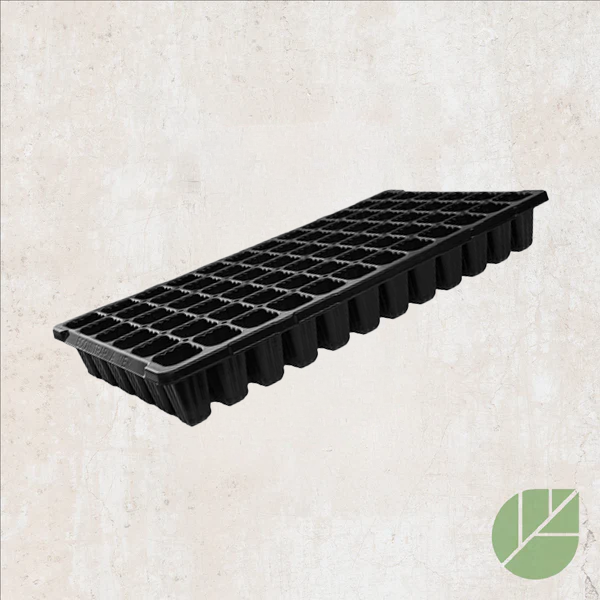
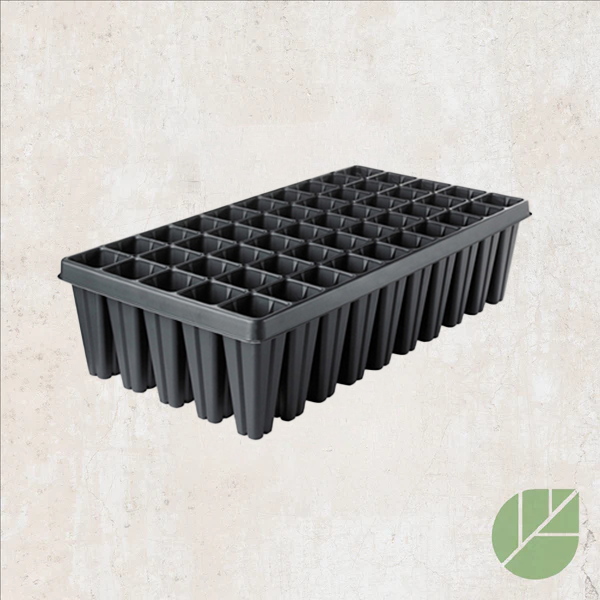
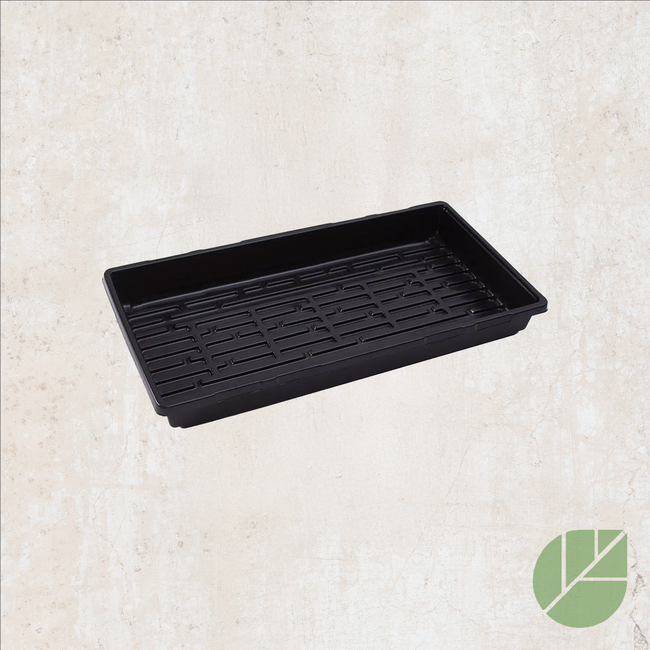
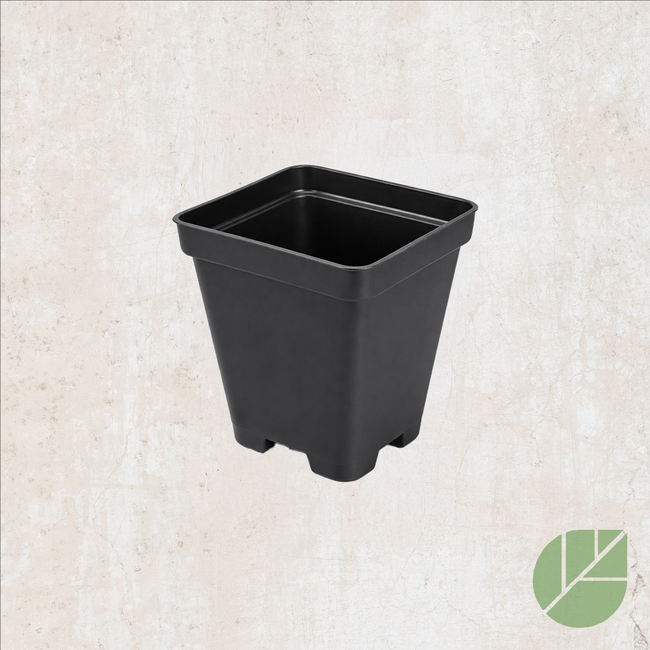
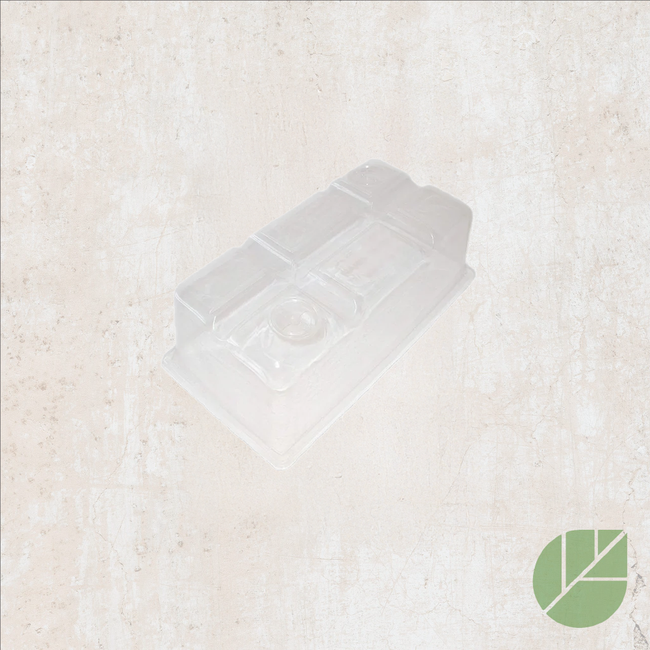
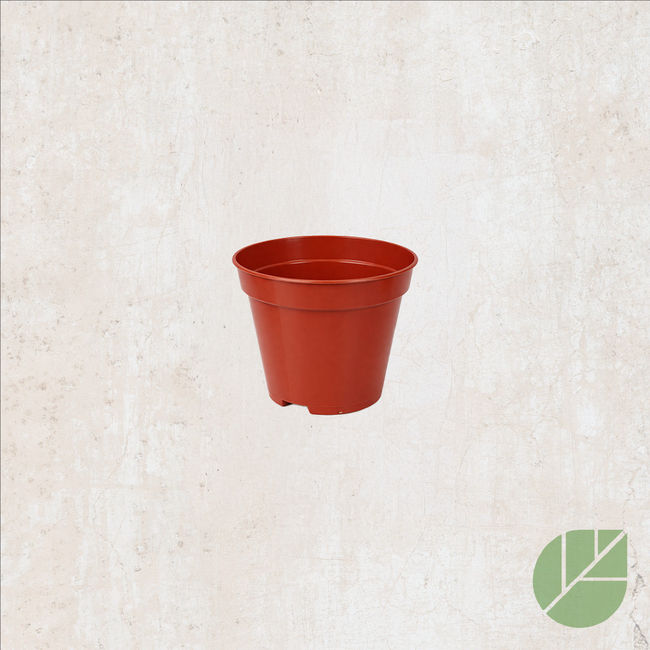
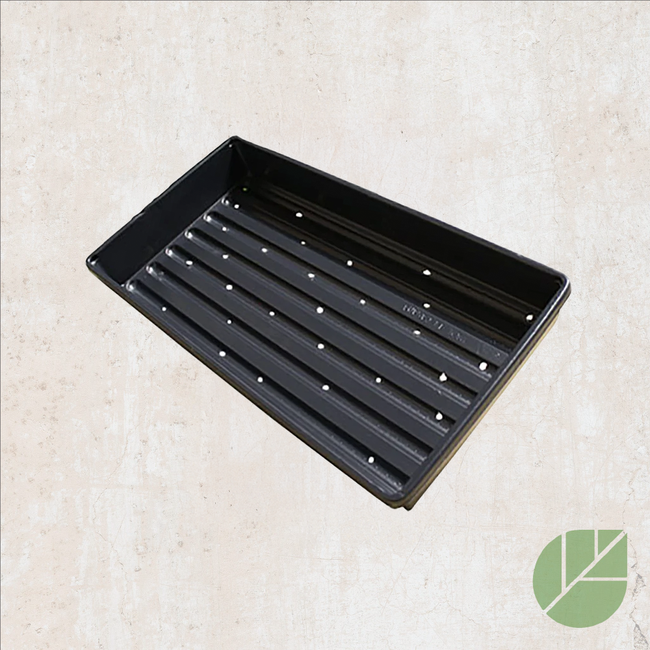
Platters, pots and domes
Shop the collection
Seed Starting Soil
Shop the collectionSeed starting supplies
Shop the collection




