

Sale
Sold out

Organic seeds, Untreated seeds, open-pollinated variety, coated seeds
Cucurbitaceae
Fruiting vegetables seeds
Organic Lemon cucumber
Cucumis sativus
Product code : 65-4278-01B
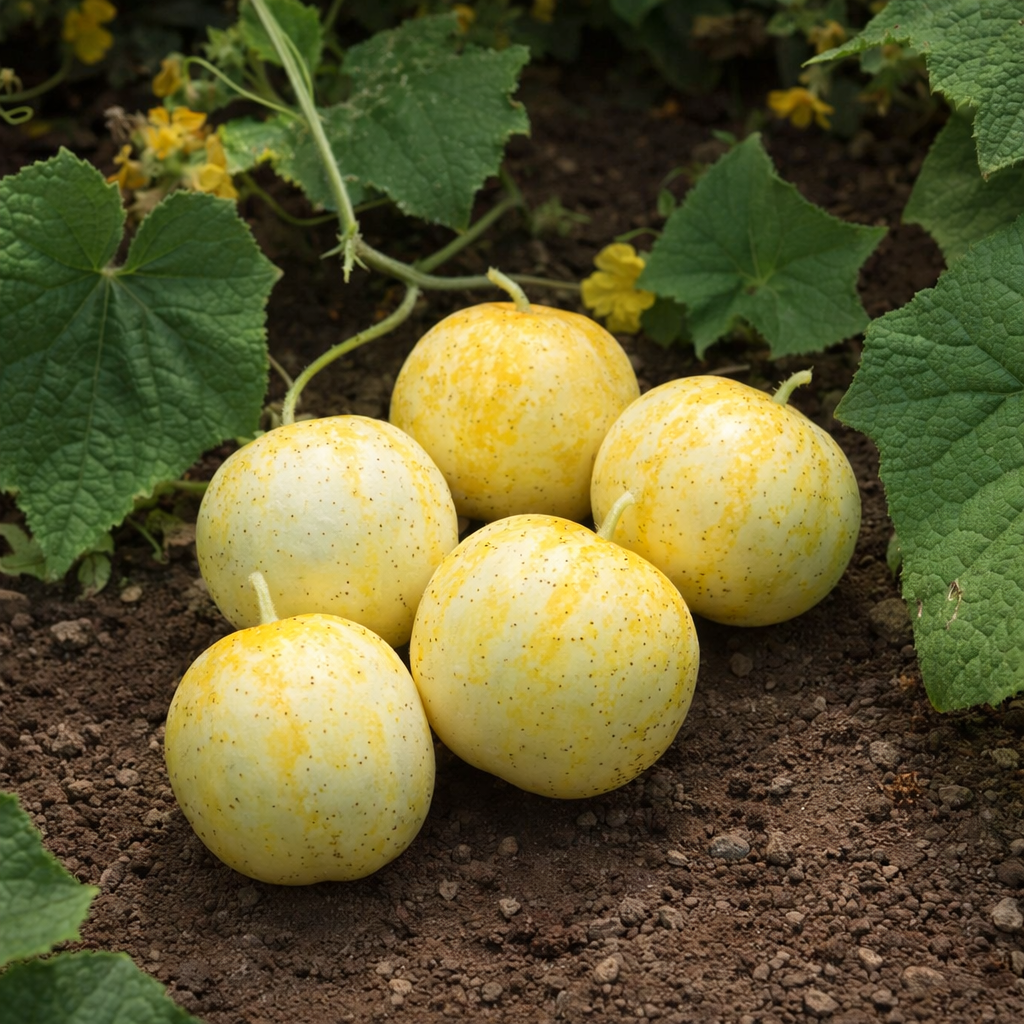
Organic Lemon cucumber stands out for small, round 4 × 6 cm fruit that turns lemon yellow at maturity. Its lime-green flesh is mild, sweet, and crisp for eating fresh, sliced, or pickled. This open-pollinated variety makes a long, vigorous vine that produces well on a trellis or on the ground and matures in approximately 70 days. W.H. Perron packet 65-4278-01B contains approximately 20 untreated organic seeds. Sow after frost in warm, fertile, well-drained soil, then maintain even moisture. Pick young fruit frequently to extend production throughout a Quebec summer and prevent mature cucumbers from slowing new fruit set. Regular harvest keeps the vine productive.
- Quantity
- Approximately 20 seeds per packet
- Exposure
- Full sun
- Life cycle
- Annual
Discover the plant
Common nameOrganic Lemon cucumber
FamilyCucurbitaceae
GenusCucumis
Speciessativus
CultivarLemon
TypeOrganic seeds, Untreated seeds, open-pollinated variety, coated seeds
Botanical nameCucumis sativus
Reproducible seedsYes
Organic Lemon cucumber (Cucumis sativus) is an open-pollinated variety producing attractive round fruit measuring 4 × 6 cm and changing from pale green to lemon yellow at maturity. Beneath the light skin is lime-green flesh that is crisp, mild, sweet, and normally free from bitterness. Long, vigorous vines carry large green leaves and separate yellow male and female flowers because flowering is monoecious. The supplier gives maturity at approximately 70 days after sowing. Its unusual appearance, refreshing flavour, and sustained productivity make it a distinctive slicing cucumber for summer gardens in Quebec and other short-season Canadian regions.
Plant in full sun and fertile, loose, very well-drained soil after frost danger has passed. W.H. Perron recommends starting indoors three weeks before transplanting or direct sowing seven to ten days after the last ground frost. Cucumbers dislike root disturbance, so use individual pots and harden seedlings gradually. Maintain even moisture, especially during flowering and fruit enlargement, without saturating the soil. Mulch conserves water, limits soil splash, and warms the root zone. Avoid excess nitrogen, which encourages foliage at the expense of harvest. Provide warm conditions and shelter from cold winds during early establishment, when growth is most sensitive to chilling.
Train the vine on a trellis or fence to save space, improve air circulation, and make fruit easier to find. Ground culture remains possible in a large plot. Flowers attract bees and other pollinating insects needed for reliable fruit set. Pick fruits regularly while young, firm, and pale yellow, before seeds harden; do not allow any fruit to overmature on the vine because this slows production. Serve them sliced, in salads, or pickled. Packet 65-4278-01B contains approximately 20 untreated organic seeds, a quantity specific to this W.H. Perron format. Refrigerate promptly after harvest and discard any fruit with abnormal, intense bitterness.

Sowing guide
It all startswith a seed.
Sowing depth
2 to 2.5 cm (0.8 to 1 in)
Spacing / density
One plant every 45 to 60 cm (18 to 24 in) on a trellis; more room for ground culture
Germination temperature
Warm soil, ideally 21 to 29°C
Germination time
5 to 10 days in warm conditions
Sowing period
Indoors 3 weeks before transplanting or direct 7 to 10 days after the last ground frost
Propagation
Seed
Growing method
Start Lemon cucumber indoors approximately three weeks before transplanting in individual biodegradable pots filled with light seed-starting mix. Sow 2 to 2.5 cm deep, keep the medium warm and evenly moist, and provide abundant light immediately after emergence. Do not allow seedlings to become crowded or spindly. Harden them for one week and transplant after all frost danger, without breaking the root ball. For direct sowing, wait seven to ten days after the last ground frost and until soil is thoroughly warmed. Choose full sun, incorporate mature compost, and ensure excellent drainage. Space plants 45 to 60 cm apart on a trellis and farther apart on the ground. Water deeply at soil level, mulch after the ground warms, and avoid excess nitrogen. Guide vines gently while keeping flowers accessible to pollinators. Inspect leaf undersides for cucumber beetles, aphids, powdery mildew, and downy mildew. Pick every two or three days when fruit is firm and pale yellow; never allow fruit to fully mature on the vine. Keep a label with the cultivar and sowing date, record first bloom and first harvest, and protect seedlings from slugs while they establish. Rotate away from cucurbits in future seasons to reduce recurring soilborne disease pressure.
Soil and care
The right care,at the right time.
Soil pH
6.0 to 7.0
Minimum temperature
Frost-free; growth slows below 10°C
Care level
Moderate
Watering
Water deeply at soil level to keep the ground evenly moist during flowering and fruit enlargement. Drought followed by a heavy soaking can distort cucumbers and intensify bitterness. Check soil beneath mulch rather than judging only the surface. Water in the morning without saturating foliage, and monitor more often during heat waves. In containers, check moisture daily and always empty the saucer after watering. Consistency is more valuable than frequent shallow sprinkling.
Soil type
Choose loose, fertile soil rich in organic matter and very well drained. Sandy loam holds enough water to support fruiting without keeping roots saturated. Incorporate mature compost before planting and correct compacted areas. A slightly acidic to neutral pH around 6.0 to 7.0 supports nutrient availability. In heavy soil, plant on a raised hill and avoid working the ground while wet. Mulch only after soil has warmed so early growth is not delayed.
Fertilization
Before planting, blend mature compost into the upper soil layer. Then use a balanced vegetable fertilizer according to a soil test or label directions. Once flowering begins, reduce nitrogen-rich feeding because it produces abundant leaves at the expense of fruit. In containers, apply a diluted solution more often because nutrients leach away. Never add concentrated fertilizer to dry potting mix, and observe plant vigour before repeating an application. Pale growth may also reflect cold or saturated roots rather than hunger.
Moisture
Consistent moisture without saturation
Seasonal care
In spring, prepare a sunny plot, incorporate compost, and install the trellis before planting so roots are not injured later. Start seeds only three weeks before the expected outdoor date. Transplant after frost once nights become milder, then protect young plants temporarily with a cloche during exceptional cold. In early summer, mulch warmed soil, guide new vines, and maintain consistent moisture. As flowers appear, remove covers that block bees and avoid insecticides during pollinator activity. Inspect leaf undersides twice weekly and remove badly diseased tissue with a clean tool. During fruiting, pick every two or three days before fruit becomes dark yellow and seedy. Cut the stem without pulling the vine. In late summer, continue watering while plants produce and harvest the final fruit before frost. In autumn, remove annual vines, compost only healthy tissue, clean the trellis, and discard diseased debris separately. Plan a three- or four-year rotation away from other cucurbits. In winter, keep remaining seeds cool, dry, and dark in their labelled packet. Review notes about sowing dates, pest pressure, and harvest timing before planning next season. Avoid working among wet vines because handling can spread foliar disease. During peak growth, check ties before they constrict stems and replenish mulch where soil has become exposed. Harvest into a shaded basket and cool fruit promptly. Never save seed from diseased or off-type fruit, and isolate selected flowers when varietal purity matters.
Container growing
A garden,within reach.
Recommended pot size
One plant per 40-to-60-L container, at least 35 cm deep
Use a stable 40-to-60-L container at least 35 cm deep for one plant. It needs several drainage holes and a sturdy 1.5-to-2-m trellis installed from the beginning. Fill with light vegetable potting mix enriched with compost but not compacted. Sow two seeds 2 cm deep and retain the stronger seedling, or transplant a seedling in a biodegradable pot without disturbing roots. Place the container in full sun and shelter it from cold winds. Water slowly until drainage occurs, then repeat when the upper few centimetres begin drying; daily checks are necessary during heat waves. Feed with diluted fruiting-vegetable fertilizer without excess nitrogen. Guide vines with soft ties, keep flowers visible to bees, and harvest pale-yellow fruit frequently. Rotate the container if foliage leans strongly to one side. This annual is not overwintered: after frost, remove the vine, wash the container, and replace or sanitize potting mix before growing another cucurbit. Harvest with clean scissors to avoid shaking the support, and inspect leaves facing walls where air movement is reduced. During prolonged rain, move a portable container under an open shelter without depriving it of sun or pollinators. Keep the root ball shaded from extreme heat while the foliage remains in full light.

Bloom and dimensions
Its place,in your garden.
Mature height
Approximately 1.5 to 2 m (5 to 6.5 ft) on support
Width / spread
Approximately 1.5 to 2.5 m (5 to 8 ft) off the ground
Flower color
Yellow
Foliage color
Green
Foliage type
Large lobed annual leaves
Growth rate
Fast
Growth habit
Long vigorous climbing or trailing vine
Bloom period
The vine produces separate yellow male and female flowers on the same plant during summer. Male blossoms often appear first; female blossoms already carry a tiny fruit at their base. Bees move pollen, especially in the morning, and support reliable fruit set. Persistent rain, cold nights, extreme heat, or too few pollinators can cause young fruit to drop. Keep flowers accessible and supplement with hand pollination when necessary. Avoid spraying open blossoms.
Fruiting
Round to slightly oval fruit measures approximately 4 × 6 cm. It changes from pale green to lemon yellow and contains mild, sweet, lime-green flesh. Harvest while firm and pale yellow, before skin darkens and seeds harden. Picking every two or three days encourages new fruit formation. Promptly remove fruit that is misshapen, damaged, or abnormally bitter. Refrigerate sound cucumbers soon after harvest to preserve crisp texture.
Days to maturity
Approximately 70 days after sowing
Harvest
Pick regularly while young and pale yellow, around 70 days, before seeds harden
Garden associations
In goodcompany.
Companion plants
Choose neighbours that do not obstruct sunlight, air movement, or harvest access. Short-season radishes or lettuces can occupy the bed edge before vines expand. Dill, borage, calendula, and other nectar flowers may support pollinators when kept far enough away not to cover cucumber blossoms. Bush beans can fit in a sufficiently broad plot. No companion planting replaces rotation, spacing, consistent watering, and disease monitoring. Keep aggressive or tall plants outside the vine’s root and light zone. Leave a clear path beside the trellis so harvesting does not damage neighbouring roots or vines.
Recipe idea
From the gardento your plate.
Edible parts
Fruit; male flowers only when correctly identified
Prepare quick-pickled Lemon cucumber wedges. Wash four young, firm, pale-yellow fruits and cut them into quarters. In a clean bowl, combine 125 ml apple cider vinegar, 125 ml water, 15 ml sugar, 5 ml salt, and 15 ml chopped fresh dill. Stir until dissolved, add cucumbers and one small sliced garlic clove, then transfer everything to a clean container. Refrigerate for at least two hours before serving and keep the preparation cold at all times. This refrigerator pickle is not shelf-stable canning; consume it promptly. Use only sound, correctly identified fruit without bitterness. If one slice tastes abnormally bitter, discard the entire fruit. Serve wedges with sandwiches, salads, or a summer vegetable platter. Keep utensils clean and return unused portions to the refrigerator promptly. For firmer texture, salt the wedges lightly for ten minutes, drain them, and then add the cold brine. Label the container with the preparation date and discard it if odour, texture, or appearance becomes abnormal. Adjust sweetness only after tasting the chilled brine, since acidity changes how sugar is perceived.
Frequently asked questions
Your questions,answered.
What exactly is in the organic Lemon cucumber packet?
W.H. Perron format 65-4278-01B contains approximately 20 untreated organic Lemon cucumber seeds. “Approximately” means the count may vary slightly through commercial packing. Organic status and the untreated statement apply to this exact packet; no coating or other treatment is declared. Keep the original package for its code and traceability information. Store remaining seeds in a cool, dry, dark location. This is an open-pollinated variety, not an F1 hybrid. Seed saved in the garden will remain true to type only when flowers were isolated from other compatible cucumbers and fruit was allowed to mature fully for seed extraction. Label saved seed with the harvest year and isolation method.
When should Lemon cucumber be sown in Quebec?
Start seeds indoors approximately three weeks before the expected transplant date. Use individual pots because cucumbers dislike root disturbance. Sow 2 to 2.5 cm deep in warm medium and provide abundant light after emergence. Harden seedlings gradually for one week. Transplant only after all frost danger has passed and soil is thoroughly warmed. Direct sowing also works, generally seven to ten days after the last ground frost. In cool districts, dark mulch or a temporary cloche speeds soil warming, but remove any cover as flowering begins so pollinators can enter. Avoid starting too early because oversized cucumber seedlings transplant poorly and may stall in cold soil.
When should the fruit be harvested?
Harvest when fruit is firm, pale yellow, and still tender, near its characteristic 4 × 6 cm size. Do not wait until it becomes dark yellow, oversized, or heavily seeded. During peak production, inspect vines every two or three days because fruit hidden beneath leaves enlarges quickly. Cut the stem with a clean tool or detach it gently without pulling the vine. Frequent picking encourages the plant to form new fruit; a cucumber left to full maturity for seed slows production. Refrigerate the harvest promptly. Immediately discard any fruit with abnormally intense bitterness without further tasting. Keep picked cucumbers shaded while working outdoors so they do not heat in the harvest basket.
Does Lemon cucumber need pollinators?
Yes. The variety is monoecious, meaning one plant bears separate male and female flowers. The earliest blossoms are often mostly male. For fruit to develop normally, pollen must reach a female flower, recognized by the tiny cucumber at its base. Bees usually perform this transfer during the morning. Remove covers when flowering begins, keep a few nectar flowers nearby, and avoid insecticides during pollinator activity. If young fruit yellows and drops despite proper watering, inadequate pollination may be responsible. Morning hand pollination using a male flower can supplement natural visits. Cool rain or extreme heat may also reduce fruit set, so evaluate weather before changing fertilizer or irrigation.
Can Lemon cucumber be grown in a container?
Yes, provided the plant receives generous root volume and strong support. Choose a 40-to-60-L container at least 35 cm deep with several drainage holes. Install a 1.5-to-2-m trellis before sowing. Keep one plant in fertile, free-draining potting mix placed in full sun. Water slowly until drainage occurs, then check moisture daily during hot periods. Apply diluted fruiting-vegetable fertilizer without excess nitrogen. Guide vines with soft ties and keep blossoms accessible to bees. Harvest pale-yellow fruit frequently to maintain production and structural stability. Turn the container occasionally if growth leans heavily toward the sun, and never leave the pot standing in drainage water.
Wildlife and pets
Life,around your plants.
Supporting wildlife
Yellow flowers offering pollen and nectar mainly attract bees and other pollinating insects, which are essential for moving pollen between male and female blossoms. The plant is not grown as wildlife food. Protect young shoots from slugs and monitor small-mammal damage without using treatments that endanger pollinators.
For a great start to your seeds
The right extras.Right here.
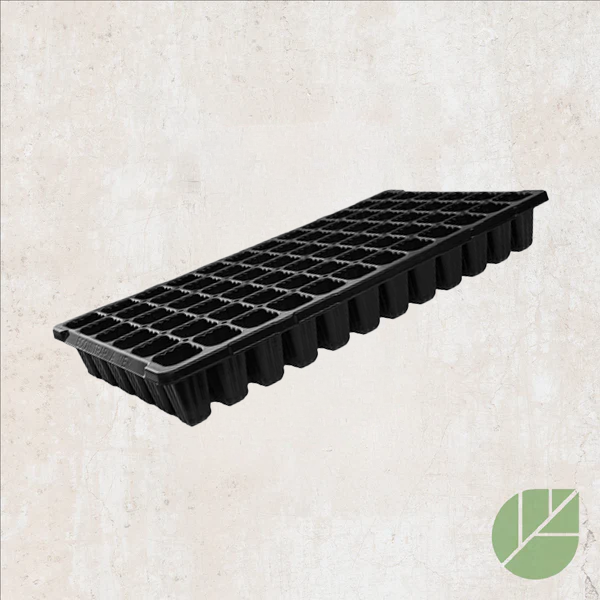
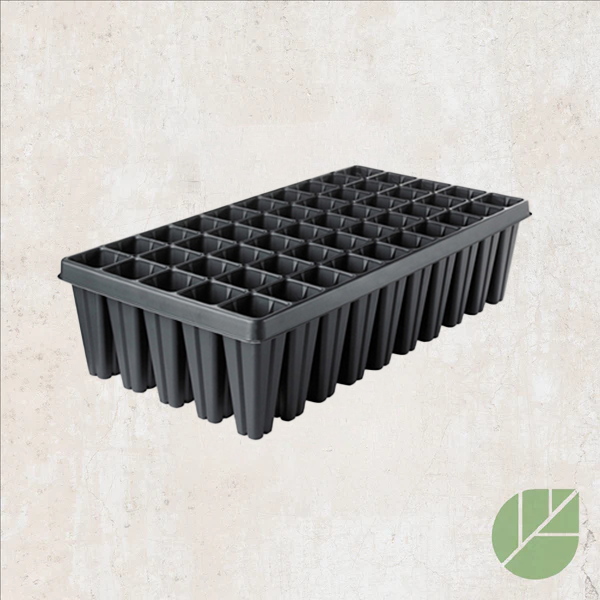
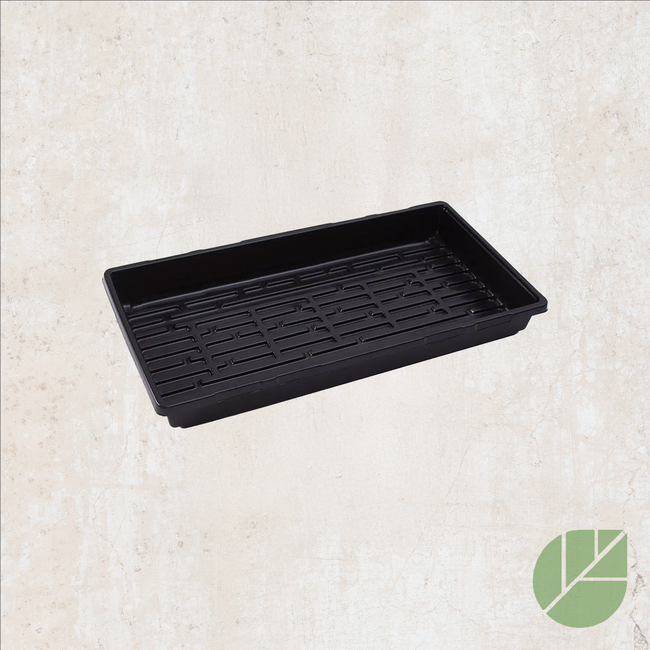
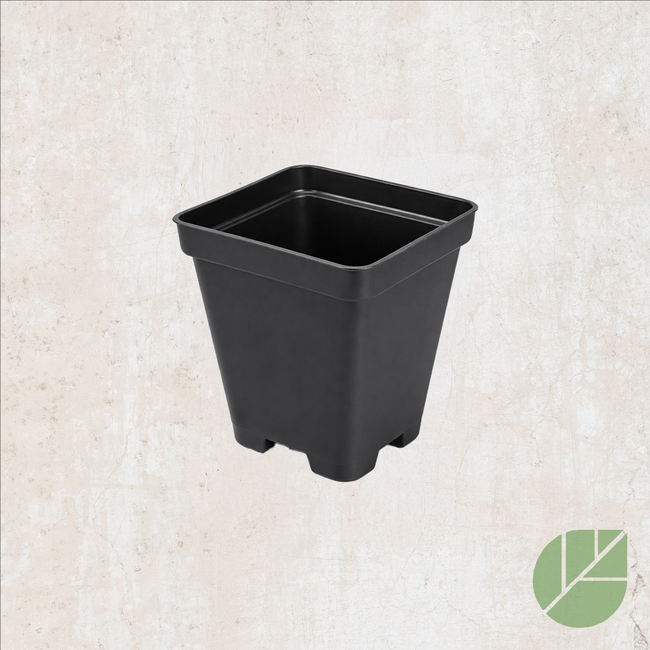
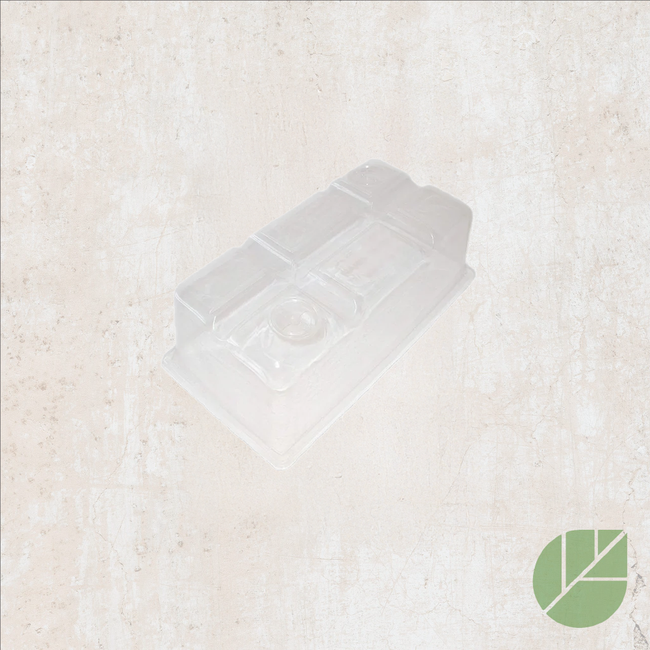
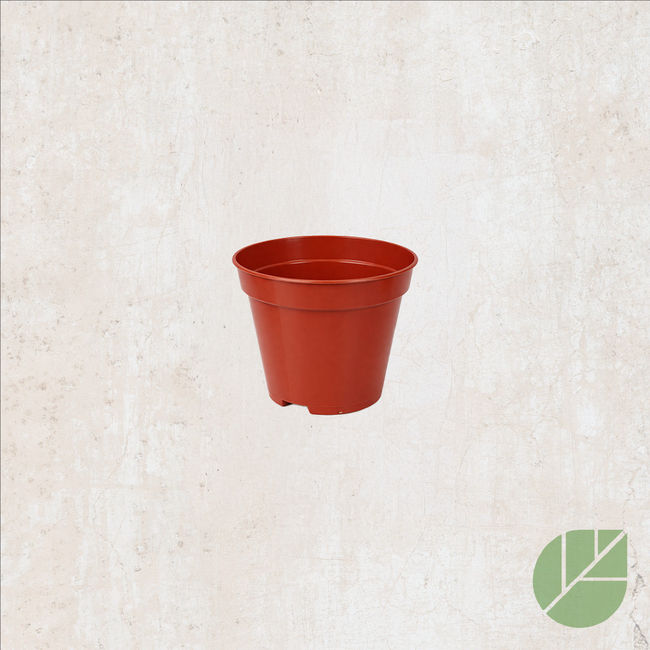
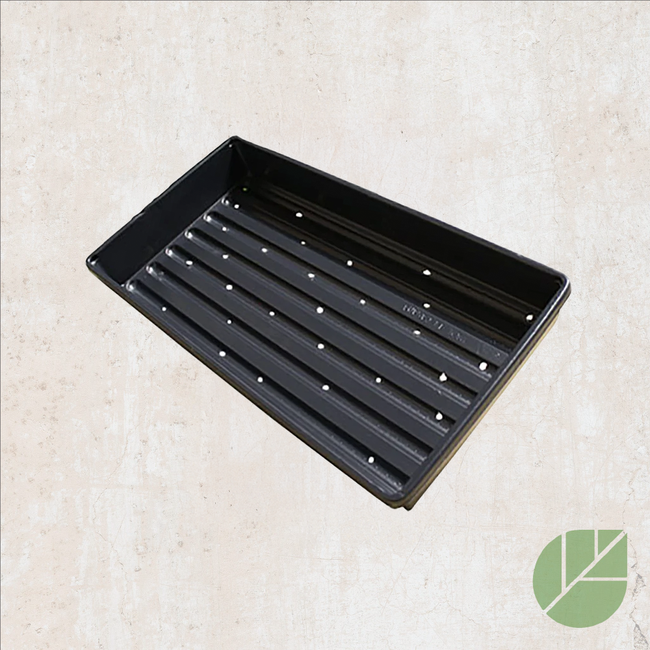
Platters, pots and domes
Shop the collection
Seed Starting Soil
Shop the collectionSeed starting supplies
Shop the collection




