

Sale
Sold out

Organic
Amaranthaceae
Yellow Beet 'Touchstone Gold'
Beta vulgaris
Product code : NOR-GR03
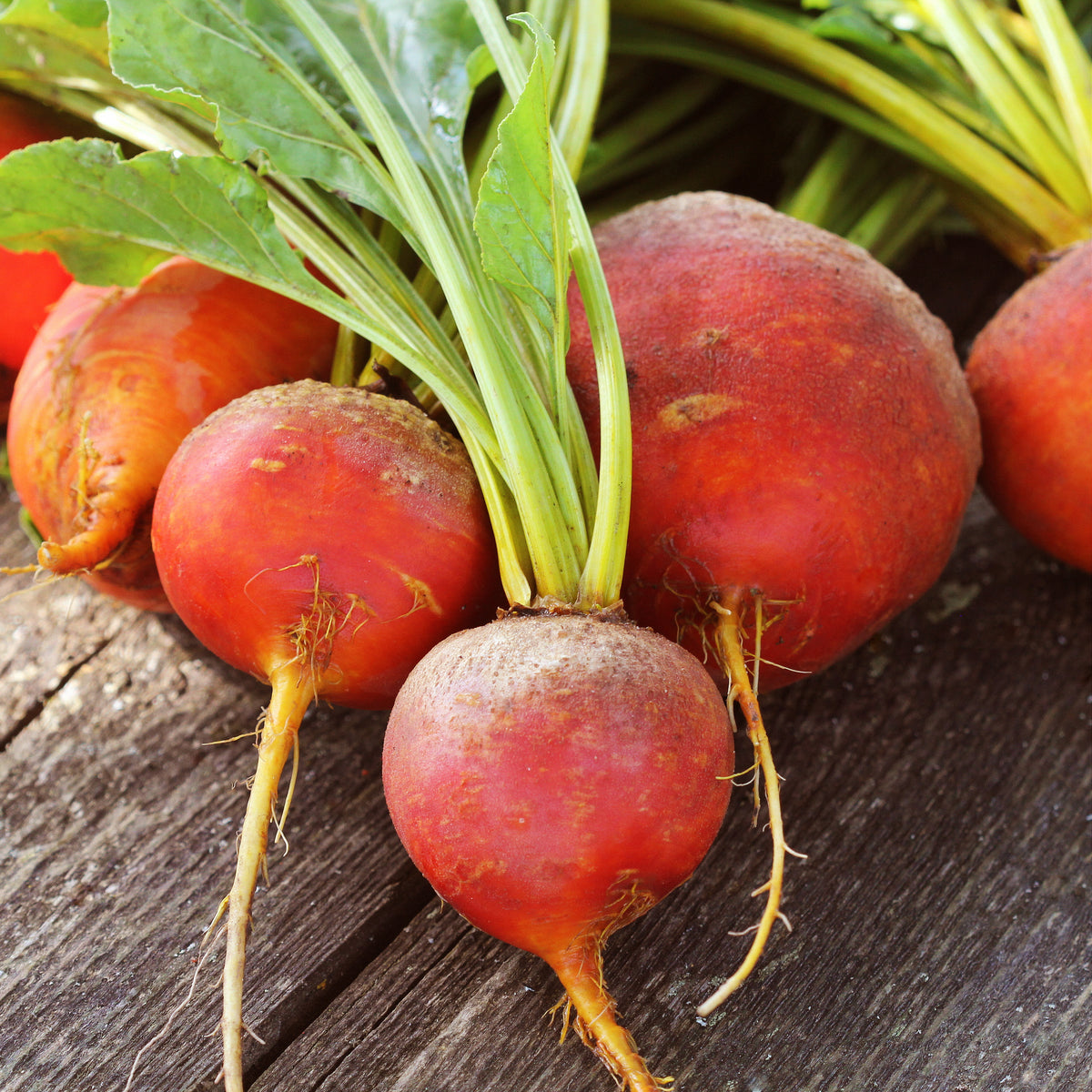
The 'Touchstone Gold' beetroot is a unique and attractive organic variety, characterized by its round root, orange on the outside and bright yellow on the inside. Sweet and tender, this beetroot offers an exceptional taste with little zoning, making it an excellent choice for original marinades or colorful dishes. Its bright green foliage is also edible, adding a nutritious touch to your meals. This variety reaches 30 to 40 cm. This variety matures 60 days after sowing. The packet contains 175 seeds to start your planting. A row of root vegetables should remain easy to thin, weed, and water uniformly.
- Quantity
- 175 seeds
- Exposure
- Sun
- Life cycle
- Annual vegetable harvest
Discover the plant
Common nameGolden beet
FamilyAmaranthaceae
GenusBeta
Speciescommon
CultivarTouchstone Gold
TypeOrganic
Botanical nameBeta vulgaris
Yellow Beet 'Touchstone Gold' (Beta vulgaris). 'Touchstone Gold' beet is a unique and attractive organic variety, characterized by its round root, orange on the outside and bright yellow on the inside. Sweet and tender, this beet offers exceptional taste with little zoning, making it an excellent choice for original marinades or colorful dishes. Its glossy green foliage is also edible, adding a nutritious touch to your meals. This variety reaches 30 to 40 cm. Maturity for this variety is 60 days after sowing. The packet contains 175 seeds to start your planting.
The sowing schedule for this variety is as follows: in spring, as soon as the soil can be worked. For this variety, respect this sowing depth: 1 cm. Direct sowing allows root vegetables to develop without deformation related to transplanting. Prepare a fine and even seedbed, then water gently to maintain the position of the seeds. A dry soil crust can hinder emergence: keep the surface moist without compacting it. Thin the seedlings early enough so that the roots have their final space.
Maintain constant, but not excessive, humidity to ensure steady growth. Thin young plants when they reach 5 cm to ensure good spacing and well-formed roots. Harvest when roots reach full size for a tender texture and sweet flavor. Ideal for pickling, roasting, or salads, they retain their vibrant color even after cooking. The foliage can be used like spinach to enrich your dishes with flavors and nutrients. Bring a touch of color and sweetness to your garden with 'Touchstone Gold' beet, a versatile and tasty variety that will delight gardeners and gourmets alike.

Sowing guide
It all startswith a seed.
Sowing depth
1 cm
Spacing / density
3 inches between plants
Sowing period
In spring, as soon as the ground can be worked
Propagation
Sowing
Growing method
The sowing schedule for this variety is as follows: in spring, as soon as the soil can be worked. For this variety, respect this sowing depth: 1 cm. To install this variety, first choose a location corresponding to its exposure: full sun. It prefers light, slightly sandy soil with a pH of 6.0 or higher. It is important to prepare your soil well by removing all rocks and clods of earth to allow the roots to develop properly. Work the soil well with compost or manure. Plan the location of this variety in the flowerbed, taking into account its height of 30 to 40 cm. When designing the planting, allow 20 to 30 cm of spread for each plant of this variety. When planting this variety, the spacing to maintain is 8 cm between plants. Sow seeds 1 cm deep. Thin plants to 8 cm in rows spaced at least 30 cm to 40 cm apart. Long periods of drought, followed by heavy rains, will cause a reduction in color. Drought also results in hard, woody roots.
Soil and care
The right care,at the right time.
Soil pH
6.0
Watering
Maintain consistent, but not excessive, moisture to ensure steady growth. To plant this variety, first choose a location that matches its sun exposure: full sun. It prefers light, somewhat sandy soil with a pH of 6.0 or higher. It is important to properly prepare your soil by removing all rocks and clods of earth to allow the roots to develop well.
Soil type
Prepare loose soil, rich in organic matter and well-drained, to promote root development. To plant this variety, first choose a location corresponding to its exposure: full sun. It prefers light, slightly sandy soil with a pH of 6.0 or higher. It is important to properly prepare your land by removing all rocks and clods of earth to allow the roots to develop properly.
Fertilization
Its bright green foliage is also edible, adding a nutritious touch to your meals. The foliage can be used like spinach to enrich your dishes with flavor and nutrients. Harvesting this variety depends on regular growth of the foliage and vegetable parts; incorporate mature compost before planting and adjust inputs as the plant develops, without concentrating fertilizer against the roots.
Seasonal care
Harvest when roots reach full size for a tender texture and mild flavor. Long periods of drought followed by heavy rains will cause a decrease in color. Drought also results in hard, woody roots. The sowing schedule for this variety is as follows: in spring, as soon as the soil can be worked. For this variety, respect this sowing depth: 1 cm. The harvest of this variety depends on regular growth of the foliage and edible parts; incorporate mature compost before planting and adjust nutrient inputs to the plant's development, without concentrating fertilizer against the roots. Begin to observe the harvest of this variety around 60 days after sowing; then check for the desired color, firmness, and size for picking. Beets are tender as soon as they reach half their size, but harden when larger. Young beet leaves can be eaten raw in salads and mature leaves can be prepared like spinach. Plan the location of this variety in the bed taking into account its height of 30 to 40 cm. When designing the planting, allow for a spread of 20 to 30 cm for each plant of this variety. When planting this variety, the spacing to maintain is 8 cm between plants.
Container growing
A garden,within reach.
Recommended pot size
Drained container allowing the plant to spread 20 to 30 cm.
The foliage of this variety occupies approximately 20 to 30 cm; leave this width available around the container instead of packing several plants against its rim. Place the container of this variety in this exposure: full sun, checking the light received throughout the day. The sowing calendar for this variety is prepared as follows: in spring, as soon as the soil can be worked. For this variety, respect this sowing depth: 1 cm. To install this variety, first choose a location corresponding to its exposure: full sun. It prefers light, slightly sandy soil with a pH of 6.0 or higher. It is important to properly prepare your land by removing all rocks and clods of earth to allow the roots to develop well. Work the soil well with compost or manure. Long periods of drought, followed by heavy rains, will cause a decrease in color. Drought also results in hard, woody roots. The packet contains 175 seeds to start your planting. Prepare loose soil, rich in organic matter and well-drained to promote root development.

Bloom and dimensions
Its place,in your garden.
Mature height
12 to 16 inches
Width / spread
20 to 30 cm
Foliage color
Bright green
Fruiting
'Touchstone Gold' Beet (Beta vulgaris) – offered by WH Perron 'Touchstone Gold' beet is a unique and attractive organic variety, characterized by its round root, orange on the outside and bright yellow on the inside. Its glossy green foliage is also edible, adding a nutritious touch to your meals. Prepare loose, well-drained soil rich in organic matter to encourage root development.
Days to maturity
60 days after sowing
Harvest
Take a few roots to check their size before harvesting the entire row. Lift them gently when the soil is loose enough. Remove the soil without damaging them and separate any damaged roots from those you wish to keep.
Garden associations
In goodcompany.
Companion plants
Predict the position of this variety in the flower bed, taking into account its height of 30 to 40 cm. When designing the planting, allow for a spread of 20 to 30 cm for each plant of this variety. When planting this variety, the spacing to maintain is 8 cm between plants. Sow seeds 1 cm deep. Thin plants to 8 cm apart in rows spaced at least 30 cm to 40 cm apart. To establish this variety, first choose a location that matches its sun exposure requirement: full sun.
Recipe idea
From the gardento your plate.
Edible parts
Roots
Recipe idea for your ‘Touchstone Gold’ yellow beet harvest. Roast the root vegetables in uniform pieces. Brush the roots under water, remove the ends, and only peel if their skin requires it. Cut the larger ones into quarters to bring their cooking time closer to that of the smaller pieces. Mix with a drizzle of oil, thyme, and a pinch of salt. Spread on a baking sheet without overlapping the vegetables, then bake at 200 °C (392 °F), turning them halfway through cooking. Check for tenderness with the tip of a knife. Finish with a little lemon juice or cider vinegar and serve with a cooked grain. Keep the colors separate on the baking sheet if you wish to preserve their contrast when serving. Small roots can remain whole when they are of comparable size. Thicker skin should be removed before cooking, while clean young skin can remain on the vegetable.
Frequently asked questions
Your questions,answered.
When to start beet 'Touchstone Gold' seeds?
The sowing schedule for this variety is as follows: in spring, as soon as the soil can be worked. For this variety, sow at this depth: 1 cm. Direct sowing allows root vegetables to develop without deformation caused by transplanting. Prepare a fine, even seedbed, then water gently to keep the seeds in place. A dry soil crust can hinder emergence: keep the surface moist without compacting it. Thin out seedlings early enough so that the roots have their final space. Keep rows identified until harvest. Work superficially between rows to remove young weeds without damaging the cultivated roots.
When to harvest Beetroot 'Touchstone Gold'?
Begin observing the harvest of this variety when it approaches 60 days after sowing; check for the desired color, firmness, and size for picking. Beets are tender as soon as they reach half their size, but harden when larger. Young beet leaves can be eaten raw in salads, and mature leaves can be prepared like spinach. This variety reaches 30 to 40 cm. The maturity of this variety is 60 days after sowing. Long periods of drought, followed by heavy rains, will cause a decrease in color. Drought also results in hard and woody roots.
What is a good location for Yellow Beetroot 'Touchstone Gold'?
To plant this variety, first choose a location that matches its sun exposure: full sun. It prefers light, slightly sandy soil with a pH of 6.0 or higher. It is important to prepare your plot well by removing all rocks and clods of earth to allow the roots to develop properly. Work the soil thoroughly with compost or manure. Plan the location of this variety in the flowerbed, taking into account its height of 30 to 40 cm. When designing the planting, allow for 20 to 30 cm of spread for each plant of this variety.
How to water 'Touchstone Gold' Yellow Beetroot during its growth?
Long periods of drought, followed by heavy rains, will cause a decrease in color. Drought also results in tough, woody roots. To plant this variety, first choose a location that matches its exposure: full sun. It prefers light, slightly sandy soil with a pH of 6.0 or higher. It is important to prepare your land thoroughly by removing all rocks and clods of earth to allow the roots to develop well. Work the soil well with compost or manure. Cultivate superficially between the rows to remove young weeds without damaging the cultivated roots.
What care should I give to 'Touchstone Gold' yellow beet throughout the season?
Long periods of drought followed by heavy rains will cause a loss of color. Drought also leads to tough, woody roots. The sowing schedule for this variety is as follows: in spring, as soon as the soil can be worked. For this variety, maintain a sowing depth of 1 cm. Begin observing the harvest for this variety around 60 days after sowing; check for the desired color, firmness, and size for picking. Beets are tender as soon as they reach half their full size, but become tougher when larger. Young beet leaves can be eaten raw in salads, and mature leaves can be prepared like spinach.
For a great start to your seeds
The right extras.Right here.
Platters, pots and domes
Shop the collection
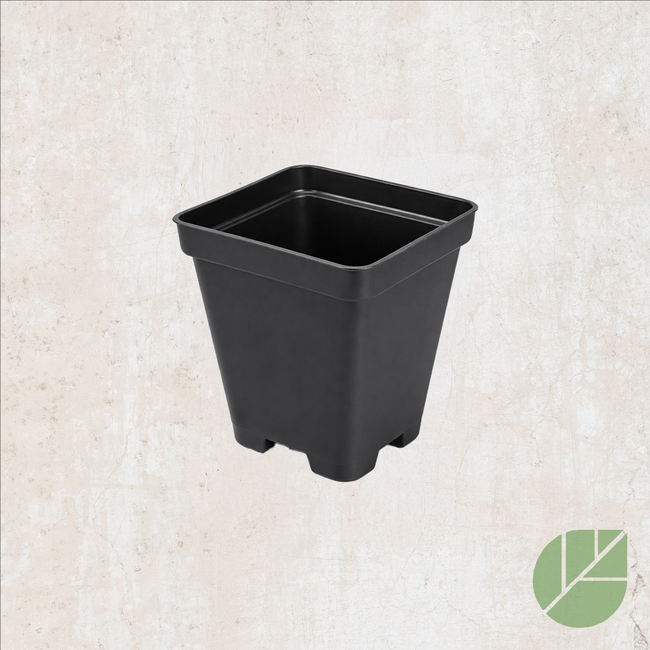

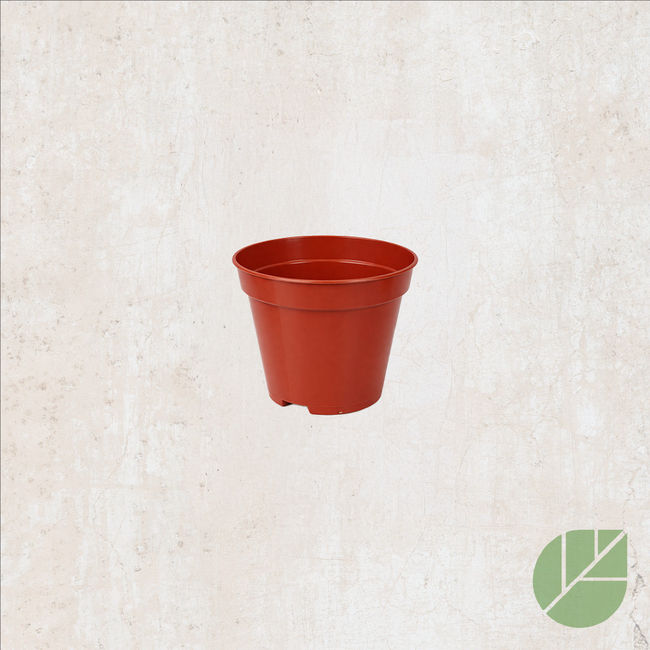
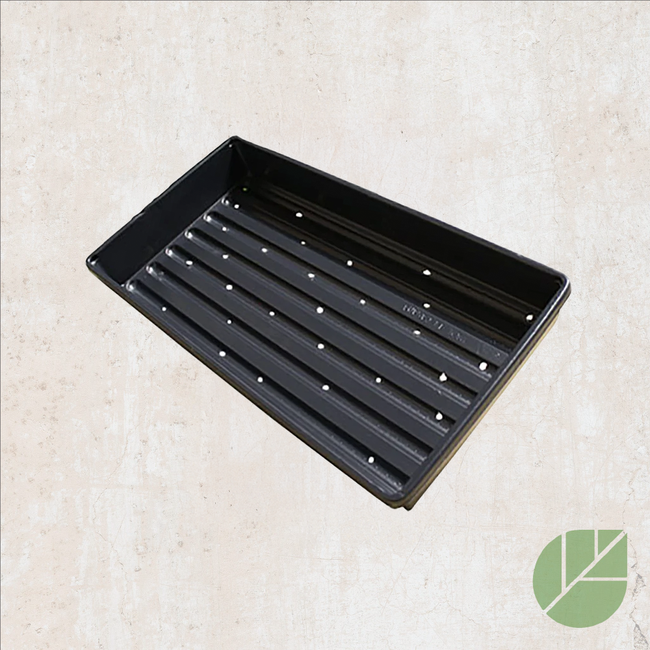
Seed Starting Soil
Shop the collectionSeed starting supplies
Shop the collection




